
How to Clean Urine From Leather Couch? Expert Cleaning Tips
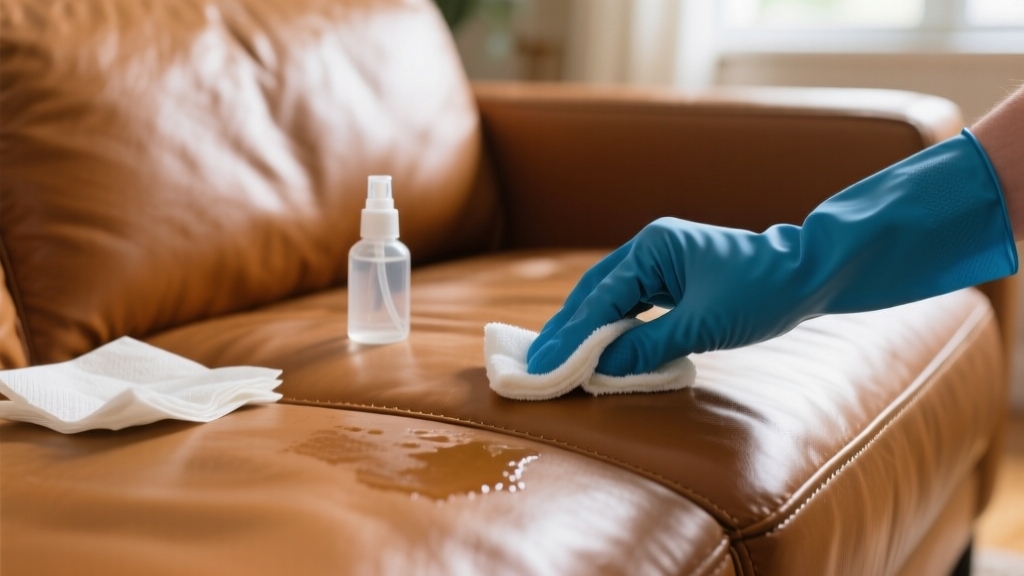
Start by blotting the urine immediately with clean towels to absorb as much as possible without rubbing. Mix mild dish soap with distilled water and test it on a hidden spot.
Gently blot the stain with a damp cloth using the solution, then wipe away soap residue with a clean, damp cloth. Neutralize odors by sprinkling baking soda or applying a vinegar solution carefully.
For tough stains, use an enzymatic cleaner designed for leather. Finally, condition the leather to restore moisture and prevent cracking. There’s more to learn about thorough cleaning and care.
Key Takeaways
- Immediately blot urine with clean paper towels or microfiber cloths, pressing firmly without rubbing to absorb moisture and prevent stains.
- Mix mild dish soap with distilled water, test on hidden area, then gently blot stain with a damp microfiber cloth using circular motions.
- Rinse cloth with distilled water, wipe the area to remove soap residue, avoiding soaking leather, and dry promptly with ventilation.
- Apply enzymatic cleaner formulated for leather on tough stains, let sit overnight, and reapply if odor or stain remains without rinsing.
- After cleaning, condition leather with a soft cloth to restore oils, buff after 15–20 minutes, and maintain regularly for durability.
Blotting and Absorbing the Urine
Because leather quickly absorbs liquids, you should blot urine from your couch immediately to prevent deep penetration and permanent stains.
Use clean, absorbent paper towels or microfiber cloths, pressing firmly without rubbing to avoid spreading the stain.
Replace towels as they saturate, continuing until no moisture transfers.
Applying steady pressure by hand, leaning on the towel, or using a heavy object helps draw out liquid deeply trapped in the leather’s pores.
Multiple blotting rounds may be necessary for saturated areas.
After blotting, inspect for residual moisture; if present, repeat the process with fresh towels.
Thorough blotting reduces the risk of odor and permanent damage, preparing the leather for effective cleaning steps.
Avoid scrubbing or excessive moisture, as these can worsen the stain and complicate later treatment.
Leather is porous so acting quickly helps lift moisture before it settles deep into the material.
Using absorbent materials like microfiber cloths helps contain moisture without damaging delicate surfaces.
Preparing a Mild Cleaning Solution
Alright, let’s get started on making that mild cleaning solution! First things first, grab one tablespoon of mild dish soap and mix it with a cup of distilled water. This will give you a gentle cleaning solution that’s perfect for your needs, similar to the use of pH-neutral cleaners recommended for delicate surfaces.
Now, before you dive right in, it’s super important to test the mixture on a hidden spot of your leather couch. You want to make sure there’s no discoloration or damage, right? Acting quickly to clean urine is crucial because it penetrates leather rapidly, causing damage within minutes immediate action.
This little step goes a long way in protecting your leather while still tackling those pesky urine stains effectively.
Soap and Water Ratio
To prepare an effective mild cleaning solution for your leather couch, mix one tablespoon of mild dish soap with one cup of lukewarm distilled water. This ratio ensures gentle cleaning without leaving a residue that can attract dirt or damage the leather’s natural oils.
For extra delicate or light-colored leather, reduce the soap to 4–5 drops per cup to minimize buildup. Always use distilled water to prevent mineral stains and lukewarm temperature to dissolve soap fully without harming the leather.
Avoid soaking leather; instead, dampen a microfiber cloth with the solution, wring it well, and gently blot the urine stain. It is important to use a microfiber cloth for wiping and drying to prevent damage and ensure thorough cleaning.
Adjust soap concentration based on your soap’s strength and leather condition, keeping the solution as mild as possible to preserve your couch’s integrity. Additionally, ensure proper ventilation during and after cleaning to aid in fast drying and prevent moisture damage.
Testing Cleaning Solution
How can you be sure your cleaning solution won’t harm your leather couch? Always test it first on a hidden spot.
Prepare a mild solution using about one tablespoon of mild dish soap mixed with one cup of distilled or lukewarm water. Avoid strong concentrations.
Mix thoroughly for consistency.
Lightly apply the solution with a soft microfiber cloth or sponge, avoiding saturation.
Let it sit a few minutes, then dry naturally.
Check for any discoloration, fading, or texture changes after drying, as damage may only appear then.
If the leather reacts negatively, adjust your mixture or choose a gentler product.
This careful testing guarantees effective cleaning without risking your couch’s appearance or integrity.
Always follow up cleaning with conditioning to maintain leather health.
For particularly stubborn odors, consider using an enzymatic cleaner that digests urine proteins without harming leather.
Testing the Cleaning Solution on Leather
Why test a cleaning solution on your leather couch before applying it broadly? Leather is porous and sensitive, so improper solutions can cause discoloration or damage.
Testing helps you spot adverse reactions early, preventing permanent stains or texture changes. To test, pick a hidden, clean, and dry spot similar in texture and color to the stained area.
Apply a small amount of diluted solution with a soft cloth, let it sit for 5-10 minutes, then wipe and let dry completely.
Inspect for discoloration, stiffness, peeling, or residue. If the leather remains unchanged and soft, the solution is safe. Note that some cleaning agents can leave residue buildup that affects the leather’s texture and appearance.
Harsh chemicals or vinegar solutions especially need testing.
Performing this step regularly helps maintain longevity and hygiene of your leather furniture.
Applying the Cleaning Solution to the Stain
When it comes to tackling that pesky stain, grab a dampened microfiber cloth. You’ll want to gently apply your cleaning solution with it.
Just a heads up, avoid any harsh scrubbing, as that can really damage the leather. Using harsh chemicals like those found in Clorox wipes can strip natural oils and cause dryness and brittleness.
Instead, think about working in small, circular motions. This helps lift the stain without making it spread any further.
Remember to focus on even pressure and controlled movements. This way, you can ensure a thorough yet safe cleaning process. For best results, it’s recommended to spot-test products before applying them to the leather to avoid any damage or discoloration.
Gentle Application Techniques
Although it’s tempting to scrub vigorously, you should apply cleaning solutions gently to prevent pushing urine deeper into the leather or causing damage.
Start by blotting the stain with a clean, absorbent cloth, pressing firmly without rubbing. This immediate blotting helps to remove excess urine before it sets into the material.
When using a damp cloth with your chosen cleaner, ensure it’s only slightly moist to avoid soaking the leather. Using microfiber cloths can help prevent residue and ensure a gentle touch.
Apply the solution by dabbing gently, working from the stain’s edges inward.
Remember these key points:
Use lint-free microfiber cloths to prevent residue.
Avoid saturating leather to protect its finish.
Replace or refresh cloths as they absorb liquid.
Test any solution on a hidden spot before full use.
Gentle application conserves your leather’s texture while effectively lifting the stain.
Circular Motion Cleaning
After gently applying your cleaning solution, move on to using circular motions to address the urine stain.
Use a soft microfiber cloth or non-abrasive sponge, applying the cleaner in small circles from the stain’s outer edges inward.
This technique evenly distributes the solution, lifting residue without spreading it or causing streaks.
Circular motions prevent water marks and avoid damaging the leather’s surface, ensuring thorough penetration into the fibers. To avoid water marks, mist distilled water over the entire affected surface before cleaning. Always perform a discreet patch test on a hidden area first to ensure the cleaner is safe for your leather.
Work consistently until the stain is fully covered and the solution absorbed.
If needed, repeat with a fresh cloth.
Experts recommend this method for both fresh and older stains on all leather types.
Removing Soap Residue From the Leather
When cleaning leather, leaving soap residue behind can quickly diminish its look and feel. Soap residue creates streaks or sticky films that attract dirt, causing faster wear and damage.
To remove residue effectively, use a damp microfiber cloth rinsed in distilled water, wiping gently without scrubbing. Repeat rinsing until no suds remain, then dry with a clean cloth to prevent moisture buildup. Using microfiber cloths helps lift dirt without damaging delicate leather surfaces.
Keep these tips in mind:
- Use distilled water to avoid mineral deposits.
- Avoid soaking leather; keep cloths damp, not wet.
- Work in small sections for thorough cleaning.
- Always dry immediately to prevent mold and water spots.
- Regular cleaning and conditioning help maintain the appearance and prevent cracking.
Neutralizing Urine Odors Effectively
Since urine odors can deeply embed in leather, neutralizing them requires targeted treatments that both break down odor-causing compounds and absorb lingering smells.
Start by misting a vinegar solution, equal parts white vinegar and distilled water, lightly on the affected area. Vinegar breaks down uric acid crystals causing persistent odor. Always test this solution on a small, hidden area first to ensure it does not darken or damage the leather surface before cleaning. Consider using a non-toxic disinfectant afterward to sanitize the area without harsh chemicals.
Avoid soaking the leather; blot after a few minutes to prevent moisture damage.
Next, sprinkle baking soda over the spot and leave it for several hours or overnight to absorb moisture and odors. Then vacuum or wipe clean.
Guarantee thorough drying with good ventilation to prevent dampness that can worsen smells.
Finally, condition the leather within 24 hours to restore oils and mask residual odors, maintaining suppleness and reducing future odor absorption.
Using Enzymatic Cleaners for Stubborn Stains
Although natural solutions can help with mild urine stains, enzymatic cleaners offer a more powerful approach for stubborn or set-in marks on your leather couch.
These cleaners use enzymes to break down uric acid and proteins, targeting the root cause of stains and odors more effectively than vinegar or baking soda.
Enzymatic cleaners break down uric acid and proteins, tackling stains and odors more effectively than vinegar or baking soda.
To use enzymatic cleaners properly:
- Blot excess urine before applying the cleaner evenly on the stain. Blot fresh urine gently before treatment helps prevent spreading the stain.
- Let it sit overnight; enzymes need time to work. Many enzymatic formulas are also biodegradable and non-toxic, making them safe for indoor use.
- Avoid rinsing; enzymes naturally dissipate after breaking down the stain.
- Reapply if odor or stain persists.
Always spot test on hidden leather, use products formulated for leather, and apply in a dim, ventilated area to prevent damage and allergic reactions.
Conditioning the Leather After Cleaning
Because cleaning strips away the leather’s natural oils, you need to condition it afterward to restore moisture and maintain its softness. Conditioning prevents drying and cracking and extends your couch’s lifespan. Proper conditioning also helps maintain the leather’s softness and durability, preserving its appearance over time.
Always apply conditioner on clean, dry leather using a soft cloth in gentle circular motions. Let it absorb for 15–20 minutes, then buff with a microfiber cloth. Repeat every 3–6 months to keep the leather supple and protected.
| What to Use | How to Apply |
|---|---|
| Leather Honey | Small amount, soft dry cloth |
| Chamberlain’s Leather Milk | Deep condition, odor removal |
| Spray or Cream Formulas | Even coverage, avoid excess |
| Furniture-Specific Products | Follow manufacturer guidelines |
Avoid conditioning wet leather or using harsh cloths to prevent damage and residue buildup.
Tips for Preventing Future Urine Stains
To keep your leather couch free from urine stains, you should implement proactive measures that combine protective barriers, behavioral training, and proper pet management.
Using fitted leather or waterproof covers creates a shield against spills and accidents, while setting clear household rules minimizes risk. Train pets and family members to respect furniture boundaries and maintain good hygiene habits for your pets to reduce indoor accidents. Additionally, applying leather protectant sprays can help create a barrier against moisture and staining.
Regular cleaning and maintenance ensure any minor incidents don’t cause lasting damage.
Key prevention tips include:
- Use removable, washable slipcovers treated with stain-resistant fabric.
- Establish no-eating/drinking rules and enforce pet boundaries.
- Provide pets with designated resting and potty areas.
- Clean up any accidents immediately using leather-safe products.
These steps help maintain your leather couch’s appearance and longevity.
Frequently Asked Questions
Can Urine Damage the Stitching or Frame of a Leather Couch?
Yes, urine can damage the stitching and frame of your leather couch. Its ammonia and salts weaken stitching fibers, causing brittleness and breakage.
If urine soaks through cushions, it can reach the wooden frame, leading to swelling, warping, and mold growth. You should clean urine quickly to prevent these issues, protect the stitching, and avoid structural damage to the frame.
Prompt action helps maintain your couch’s durability and appearance.
Is It Safe to Use Homemade Cleaning Solutions on All Leather Types?
Sure, you could treat your leather like a wild chemistry experiment, spraying vinegar and sprinkling baking soda everywhere, hoping for a miracle.
But don’t. Not all leather types handle homemade cleaners well.
Finished leather might survive, but suede, nubuck, or unfinished leather will likely scream in protest.
If you want your couch to last, stick to manufacturer-approved products, test first, and always condition afterward.
Your leather will thank you.
How Long Should I Wait Before Sitting on the Couch After Cleaning?
You should wait at least 24 to 48 hours before sitting on your leather couch after cleaning. This allows the leather to air dry completely and prevents moisture from being pushed deeper, which can cause odors or damage.
If the area was heavily soaked, waiting up to 72 hours is best.
Make sure the leather feels dry to the touch and not cool or damp underneath before using it again.
Can Pet Urine Cause Permanent Discoloration on Leather?
When it comes to pet urine on leather, the proof is in the pudding: you can definitely face permanent discoloration.
Urine’s uric acid, ammonia, and salts dig deep, breaking down leather fibers and oils, causing lasting stains and texture changes.
If you don’t act fast, the damage only worsens. To save your couch’s look, clean spills immediately with mild, leather-safe products and condition regularly.
Otherwise, you might be stuck with stubborn blotches.
Are There Professional Services for Cleaning Urine From Leather Furniture?
Yes, you can hire professional services to clean urine from leather furniture.
These experts use specialized products and techniques to safely remove stains and odors without damaging the leather.
They start with an inspection, then deep-clean, condition, and protect your furniture.
Companies like Chem-Dry, Stanley Steemer, and local specialists offer tailored options, often with quick turnaround and satisfaction guarantees.
Hiring pros helps prevent lasting damage and keeps your leather looking great.
Restore Your Couch the Right Way After Urine Accidents
So, unless you want your leather couch to moonlight as a crime scene, follow these steps like a pro detective. Blot, clean, test, and condition—treat your leather like royalty, not a crime victim.
With a little patience and the right solutions, you’ll have that couch smelling less like a scandal and more like sophistication. Remember, prevention is your best alibi against future “accidents.” Clean smart, sit proud.
One Comment