
Hand Soap vs Body Soap: Key Differences for Healthy Skin
When choosing between hand and body soaps, you should note hand soaps often contain stronger surfactants and higher alkalinity for frequent, quick cleansing, which can dry your skin.
Body soaps tend to be milder, more moisturizing, and pH-balanced to protect larger skin areas during daily showers. Their ingredients and formulations serve different cleansing and skin health needs.
If you want to understand the nuanced effects, environmental impact, and how to select the best product for your routine, keep exploring.
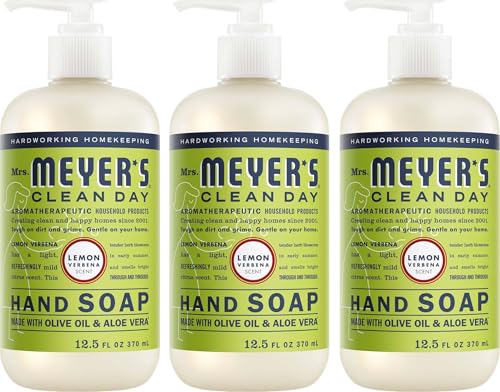
- SOFTENS & CLEANS: Non-drying liquid Hand Soap that leaves skin feeling clean and moisturized
- TESTED & TRUSTED: Mrs. Meyer’s products are made with essential oils, aloe vera extract, olive oil…
- GARDEN-INSPIRED SCENTS: Lemon Verbena has a light, refreshingly mild citrus scent. This tender herb…
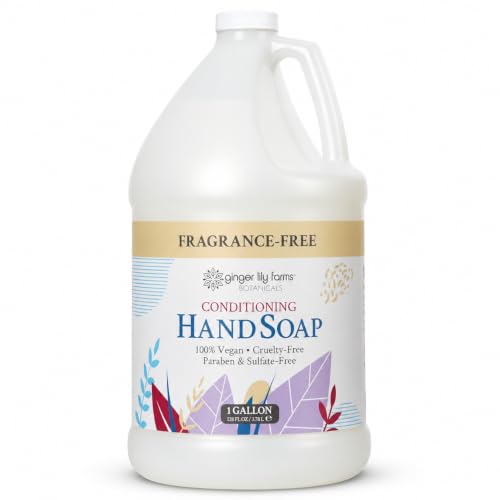
- Fragrance Free Hand Soap: Gently and effectively washes away dirt and bacteria to keep hands clean…
- Moisturizing Hand Wash: Rich, creamy formula creates a silky lather that rinses off easily leaving…
- Naturally Derived Ingredients: Enriched with our special blend of vitamins, antioxidants and…
Key Takeaways
- Hand soaps contain stronger surfactants and higher alkalinity for frequent use and rapid removal of microbes on hands.
- Body soaps or washes use milder surfactants, emollients, and humectants to protect skin barrier during full-body cleansing.
- Mechanical friction with bar soaps aids hand cleansing, while body washes focus on gentle spreading and hydration over larger skin areas.
- Hand soaps often include antimicrobial agents, whereas body soaps prioritize skin nourishment and maintaining pH closer to skin’s natural level.
- Frequent handwashing requires milder hand soaps to prevent dryness, while body soaps reduce transepidermal water loss during less frequent use.
Quick Comparison of Hand and Body Soap
| Feature | Hand Soap | Body Soap |
|---|---|---|
| Primary Purpose | Frequent germ removal from hands | Gentle full-body cleansing |
| Surfactant Strength | Stronger surfactants for quick action | Milder surfactants for skin comfort |
| pH Level | Typically more alkaline | Closer to skin’s natural pH |
| Moisturizing Agents | Limited or minimal | Emollients and humectants included |
| Skin Barrier Impact | Can increase dryness with overuse | Helps preserve skin barrier |
| Formulation Focus | Rapid rinse and microbe removal | Hydration and spreadability |
| Typical Texture | Thin liquid or foam | Thicker gel or solid bar |
| Additive Use | May include antimicrobial agents | Focuses on skin nourishment |
Differences in Composition and Ingredients
Although both hand and body soaps serve the primary function of cleansing, they differ markedly in composition and ingredients to address their distinct uses and skin exposure.
Bar soaps, made via saponification with sodium hydroxide, yield solid sodium fatty acid salts. Liquid hand and body soaps often use potassium hydroxide or synthetic detergents (syndets) for water solubility. Bar soap contains the highest ratio of active cleanser and is considered the most effective option for cleansing, though it can also be more drying or destructive to skin. For maintaining skin health, choosing products with balanced moisture and gentle formulations is important, similar to how moisture retention is crucial in disinfectant wipes for electronics.
Hand soaps typically contain milder surfactant blends, including amphoteric or nonionic surfactants, to minimize irritancy from frequent washing. Body washes utilize anionic surfactants like sodium lauryl sulfate for high lather, often balanced with humectants and emollients to counteract drying.
pH levels also differ; bar soaps are more alkaline (~9–11), whereas liquid formulations are adjusted near skin pH (5.5–8) to preserve barrier integrity. Additives such as ceramides or niacinamide may be present in both for barrier support. Moreover, when surfactants are present, the functional action on microbes is similar across soap types, contributing to effective cleansing and hygiene.
Cleansing Mechanisms and Effectiveness
Did you know that both hand soap and body wash use surfactants? These little guys work by disrupting viral membranes and trapping dirt so it can be rinsed away. Pretty clever, right? It’s important to use these products separately and avoid mixing them, as combining different cleaning agents can cause chemical reactions that reduce effectiveness and may irritate the skin.
But wait, there’s more! When you add in some good old-fashioned mechanical friction—like when you scrub your hands—that really boosts the process. It physically dislodges bacteria and microbes from your skin, making it even more effective.
And if you’re using a soap with antibacterial ingredients, you’re in luck! Those can help to increase the efficiency of germ removal even further. So, washing your hands or body isn’t just about the soap; it’s about how you use it too! However, frequent use of hand soap on the body may cause skin irritation due to its higher pH and harsher ingredients.
Surfactant Roles
Surfactants play a crucial role in both hand and body soaps by facilitating the removal of oils, dirt, and microbes through multiple mechanisms such as micelle formation, emulsification, and wetting.
You rely on surfactants’ chemical properties to solubilize and lift soils effectively while balancing skin tolerability. Natural liquid soap, made via saponification, combines natural oils and potassium hydroxide to produce soap and glycerine, which acts as a natural humectant. Many natural soaps also incorporate plant-based enzymes to enhance cleaning power while maintaining gentleness.
Different surfactant classes serve distinct functions:
Anionic surfactants deliver strong cleansing and foaming but may irritate skin due to lipid stripping.
Nonionic and amphoteric surfactants provide milder cleansing and enhance foam stability, improving gentleness.
Syndet surfactants enable pH adjustment closer to skin’s natural pH, reducing barrier disruption.
Mechanical Friction Impact
When washing, the intensity and duration of mechanical friction particularly influence how effectively oils, dirt, and microbes are removed from skin. Vigorous rubbing for at least 20 seconds disrupts weak bonds like van der Waals and hydrophobic interactions that attach grime and microbes.
Using tools such as washcloths or loofahs increases local shear, improving debris removal beyond bare-hand rubbing. Solid bar soaps provide higher friction per area than liquid soaps, aiding physical dislodgement.
However, dense foams in body washes reduce abrasive shear, requiring longer contact times to compensate. Thorough coverage, including fingertips and nail folds, is essential since missed zones lower cleansing efficacy.
Both hand soap and body wash rely on surfactant molecules that form micelles to trap and remove dirt and oils effectively, regardless of their formulation differences surfactant action. Exfoliating additives enhance mechanical scrubbing but must balance removal efficiency with skin barrier preservation to avoid irritation and dryness. Overall, controlled mechanical friction optimizes cleansing without compromising skin integrity.
Antibacterial Active Ingredients
Antibacterial active ingredients in hand and body soaps work by directly targeting and disrupting bacterial cells to reduce microbial presence beyond mechanical cleansing. These agents, such as triclosan, benzalkonium chloride, and chloroxylenol, compromise bacterial cell walls or interfere with microbial functions, enhancing bacteria reduction during washing.
However, overuse may disrupt beneficial skin microbiota and cause resistance. The FDA has banned triclosan in household soaps due to safety concerns, while benzalkonium chloride remains under review.
Key points include:
Hand soaps with triclocarban achieve significant log10 bacterial reductions, outperforming some alternatives in vitro. Body soaps often combine antimicrobial agents with moisturizing components but show no clear superiority over plain soap against viruses.
Proper use and safety precautions are essential when handling antimicrobial agents to prevent skin irritation and maintain product efficacy.
Impact on Skin Health and Tolerability
Although cleansing is essential for hygiene, harsh soaps can disrupt your skin’s natural barrier, leading to dryness, irritation, and increased vulnerability to infections.
Traditional bar soaps and many hand soaps have alkaline pH levels (9-10), which disturb your skin’s natural acidic pH (~5), weakening its protective lipid and protein matrix. Soap residue on the skin can prolong this pH disruption, further impairing microbial defense.
Frequent washing with these soaps strips natural oils, causing transepidermal water loss, erythema, and itching.
Antibacterial hand soaps, often containing strong surfactants like sodium lauryl sulfate, exacerbate dryness and reduce beneficial skin bacteria.
In contrast, syndets and skin-friendly cleansers maintain pH balance, preserve stratum corneum integrity, and minimize barrier disruption.
While some body soaps also contain harsh surfactants, high-quality bar soaps with added humectants may better retain moisture, improving tolerability, especially for sensitive or dry skin.
Practical Considerations for Usage
You probably wash your hands a lot more often than you cleanse your entire body, right? Because of this, hand soap is specifically formulated to handle frequent use and rinse off quickly.
Now, if you think about using body wash as a substitute for hand soap, you might run into some issues. For example, you could end up with residue on your hands or even experience increased skin dryness. This is similar to how certain cleaning products can cause damage when used on sensitive materials, such as leather, due to their harsh chemical composition chemical erosion.
That’s because body washes often have higher surfactant concentrations and more emollients compared to hand soaps. Hand soap generally has a higher pH and stronger cleaning agents designed to target germs effectively, which can be harsher on the skin when used beyond hands (ingredient differences).
Usage Frequency Differences
Frequently washing your hands throughout the day, especially after public exposure or before meals, demands using milder soaps to prevent skin dryness from repeated use. Hand soap is often more concentrated to effectively remove dirt, oils, and germs accumulated on hands. You’ll notice that handwashing occurs multiple times daily, often more than 2.5 times the pre-pandemic frequency. Many non-toxic hand soaps include moisturizing ingredients like aloe vera and glycerin to protect skin during frequent use.
In contrast, body cleansing typically happens once daily, consuming more soap per event but less frequently overall. Body wash generally has a milder formulation focused on nourishing and hydrating skin. Consider these key usage frequency differences:
Handwashing requires gentle, plain soaps suitable for frequent application without added antibacterials.
Bathing uses more soap per session but is generally limited to once daily, optimizing overall soap consumption.
Liquid soaps, often enriched with moisturizers, support frequent handwashing, while bar soaps last longer but may be less practical for constant use.
Understanding these differences helps you select the appropriate soap type for your hygiene routine efficiently.
Substitution Effects on Skin
Understanding the formulation differences between hand and body soaps is critical when considering substitution, as these variations directly impact skin barrier integrity and irritation risk.
Hand soaps often contain stronger surfactants and higher alkalinity, which can strip lipids and proteins, raising transepidermal water loss (TEWL). Body soaps usually include emollients and milder surfactants to protect sensitive skin. Additionally, hand soaps sometimes use stronger chemicals such as sodium hydroxide to maintain shape and durability, which can contribute to increased skin dryness.
Using hand soap on the body may increase dryness and irritation, especially on thin or occluded areas.
| Factor | Hand Soap |
|---|---|
| Surfactant Strength | Higher |
| pH Level | More Alkaline |
| Emollients | Less/None |
| Irritation Risk | Higher |
| Suitable for Sensitive Skin | No |
Choose products accordingly to maintain skin barrier health.
Forms, Sensory Qualities, and Safety
Although hand and body soaps share the common goal of cleansing, their forms and sensory qualities differ markedly to meet distinct functional needs.
You’ll notice hand soaps often come as thinner liquids or foams with controlled dosing, while body soaps are thicker gels or bars designed for easy spreading over larger areas. Body washes often include added moisturizing agents to prevent skin dryness during extended use. Additionally, hand soaps are formulated primarily for skin cleansing and thus may not provide the skin hydration benefits found in body washes.
Safety and skin compatibility also vary: hand soaps may have higher alkalinity and antimicrobial agents for pathogen control, risking dryness. In contrast, body washes maintain pH closer to skin’s natural level to protect the barrier.
Formulation differences include surfactant type (synthetic in liquids, saponified fats in bars) and additive incorporation ease.
Sensory experience varies by viscosity, foam quality, and fragrance delivery.
Safety relies on pH balance, surfactant concentration, and use of emollients to mitigate irritation.
Environmental and Economic Factors
When choosing between hand and body soaps, you should consider their environmental and economic impacts, which differ considerably due to variations in packaging, production, transportation, usage, and cost.
Bar soaps use recyclable, biodegradable paper or cardboard packaging, minimizing landfill waste.
In contrast, liquid soaps rely on plastic bottles and non-recyclable pumps, increasing pollution.
Production of liquid soap consumes five times more energy and has a 25% larger carbon footprint per wash than bar soap.
Transportation emissions rise with liquid soaps’ heavier water content and bulkier packaging.
Usage efficiency favors bar soap, as you use over six times more liquid soap by weight per wash, leading to higher water consumption.
Economically, bar soap is more cost-effective due to lower production energy, simpler packaging, and reduced overconsumption.
This supports sustainable long-term use.
Additionally, choosing products with biodegradable ingredients further reduces environmental impact and supports eco-friendly practices.
Microbiological and Regulatory Aspects
Beyond environmental and economic considerations, microbiological efficacy and regulatory standards play a significant role in choosing between hand and body soaps.
You should know that plain soaps remove microbes primarily through surfactant action and friction without killing them. Plain soap lifts germs off the skin so they can be washed away effectively. Many non-toxic disinfectants complement soaps by using plant-based ingredients that are safe for skin and effective against a broad spectrum of pathogens.
In contrast, antimicrobial soaps add biocidal agents to kill or inhibit microorganisms.
However, regulatory agencies have limited antibacterial soaps’ use due to insufficient evidence of added benefits and concerns over resistance.
Consider these key points: antimicrobial soaps can achieve greater bacterial reductions but may disrupt skin microbiomes and impair barrier function.
Surfactant-based soaps effectively disrupt lipid-enveloped viruses, often outperforming antiseptics in viral inactivation.
Overuse of biocidal actives can promote antimicrobial resistance, prompting stewardship and regulatory restrictions.
Choosing soaps requires balancing microbiological efficacy, skin health, and compliance with evolving regulations.
Frequently Asked Questions
Can Hand Soap Be Safely Used on the Face?
You can use hand soap on your face only if it’s mild, fragrance-free, dye-free, and formulated with gentle surfactants at a near-neutral or slightly acidic pH.
Avoid soaps containing harsh detergents like SLS or antibacterial agents, as they can disrupt your skin barrier and cause irritation. Always patch test first.
For routine cleansing, choose products designed for facial skin to preserve moisture and prevent dryness or inflammation.
Do Body Soaps Cause More Allergic Reactions Than Hand Soaps?
Yes, body soaps generally cause more allergic reactions than hand soaps.
They contain higher levels of preservatives and surfactants known to trigger allergies, such as methylisothiazolinone and quaternium-15, which are rare in hand soaps.
If you have sensitive skin or eczema, you’ll likely experience fewer reactions using hand soaps specifically formulated without harsh preservatives and fragrances.
Choosing fragrance-free, allergen-checked products can help you avoid allergic contact dermatitis.
Which Soap Type Is Better for Kids’ Sensitive Skin?
You should opt for body washes formulated for kids’ sensitive skin, as they maintain a skin-friendly pH around 5.5 and contain mild surfactants plus moisturizing agents.
These reduce irritation, dryness, and eczema risks better than traditional soaps, which have alkaline pH and strip oils.
Look for fragrance-free, hypoallergenic options with soothing ingredients like oatmeal. Always moisturize after cleansing to support the skin barrier and prevent flare-ups effectively.
How Do Soap Scents Affect Mood or Relaxation?
You’ll find that soap scents influence your mood and relaxation by directly stimulating your brain’s limbic system, which governs emotions and memory.
For example, lavender reduces stress and promotes sleep by lowering cortisol and altering brain activity.
Citrus scents boost alertness and positivity, while eucalyptus and chamomile ease anxiety.
Using naturally fragranced soaps can enhance your emotional balance, improve focus, and foster a calming, uplifting experience.
Are There Cultural Preferences Influencing Soap Type Use?
Yes, cultural preferences strongly influence the soap types you use.
In some cultures, you’ll find avoidance of soaps containing animal fats due to religious beliefs, leading to alternatives like mud or ash.
Water scarcity and hygiene rituals also affect your soap choices, while public facilities and social norms shape your access and habits related to hand and body cleansing products globally.
Choose Smarter: Hand Soap vs Body Soap for Daily Care
When choosing between hand soap and body soap, think of them as tailored tools, like choosing a scalpel over a cleaver.
Each has specific ingredients and cleansing actions designed for different skin areas and needs.
Using the right one helps maintain your skin’s health, balances effectiveness with gentleness, and respects environmental and regulatory standards.
By understanding these distinctions, you’ll make informed choices that protect both your skin and the planet, just as a skilled craftsman respects their instruments.
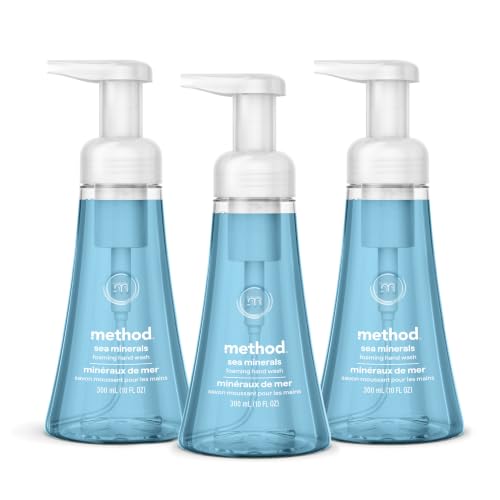
- SOFTENS + CLEANS HANDS: method foaming hand soap is made with innovative cleansers that help lift…
- SMELLS LIKE A CRISP MARINE BLEND: this ocean-inspired fragrance features fresh marine notes blended…
- MADE FOR EVERY HAND, ANYWHERE YOU NEED IT: designed for men, women, and anyone with hands, this…

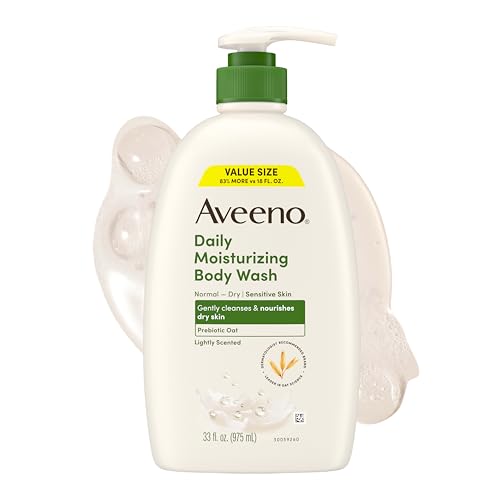
- Daily Moisturizing Body Wash: Sensitive Skin body wash for dry skin formulated with prebiotic oat…
- Sensitive skin body wash for normal to dry skin: Non-drying moisturizing body wash specially…
- Hypoallergenic body wash: Gentle and lightly scented to cleanse and help skin feel moisturized; a…
Last update on 2026-08-31 / Affiliate links / Images from Amazon Product Advertising API