How to Get Rid of Hard Water Stains on Plastic? Simple Fixes
You can remove hard water stains on plastic by applying white vinegar or diluted lemon juice to dissolve mineral deposits.
Let it sit for 10–30 minutes, then gently scrub with a soft cloth or a baking soda paste to lift residues without scratching.
Avoid harsh abrasives or prolonged acid exposure to prevent surface damage. Rinse thoroughly with water and dry promptly.
For stubborn stains or long-term protection, further techniques and preventive tips can enhance your results.
Key Takeaways
- Use white vinegar or diluted citric acid to dissolve mineral deposits on plastic without damaging the surface.
- Gently scrub stains with a baking soda paste and a soft cloth or brush to remove residue after acid treatments.
- Rinse thoroughly with distilled water and dry immediately using a microfiber cloth to prevent new hard water spots.
- Avoid harsh abrasives or strong acids that can erode or dull plastic surfaces during cleaning.
- For stubborn stains, apply non-abrasive, mildly acidic commercial removers after spot testing on a hidden area.
Understanding the Formation of Hard Water Stains on Plastic

Although you may not notice it immediately, hard water stains form on plastic primarily due to the precipitation of minerals like calcium carbonate and magnesium carbonates from water with high mineral content.
When dissolved calcium and magnesium ions encounter carbonate or bicarbonate ions, or when water evaporates, these minerals precipitate as solid deposits.
Factors such as elevated pH, alkalinity, and temperature drive this equilibrium toward carbonate crystallization, promoting scale formation. Regular cleaning with pH-neutral cleaners can help minimize buildup on surfaces.
On plastic surfaces, initial mineral attachment occurs at microscopic irregularities where crystals nucleate more easily, aided by electrostatic interactions between charged ions and surface groups.
Repeated wet–dry cycles concentrate minerals at contact lines, resulting in layered, visible deposits.
Additionally, plastic properties like surface energy, smoothness, and micro-scratches influence nucleation and adherence, accelerating stain buildup and clouding.
These mineral deposits left when water droplets dry create the characteristic chalky, cloudy “hard water spots” that make plastic look old and dull.
Household Remedies for Removing Mineral Deposits
When tackling mineral deposits on plastic, you can rely on several effective household remedies that target calcium and magnesium buildup without damaging the surface.
White vinegar (5–8% acetic acid) dissolves calcium carbonate effectively; apply neat vinegar with a cloth for 5–30 minutes or soak a 1:1 vinegar-water mix for 1–2 hours. The acidity of white vinegar cuts through limescale buildup without damaging plastic or leaving residue when dry. However, it is important to avoid prolonged vinegar exposure because its acidic properties can erode certain surfaces.
Use undiluted white vinegar on mineral deposits for 5–30 minutes or soak in equal parts vinegar and water for up to 2 hours.
Citric acid solutions (1–5%) and lemon juice chelate minerals gently, requiring 10–60 minutes contact and thorough rinsing; they’re ideal for food-safe plastics and lower odor environments.
Baking soda paste acts as a mild abrasive, helping remove residual films after acid treatments without scratching plastic when used gently.
Avoid prolonged acid exposure on delicate plastics and always rinse thoroughly to eliminate residual acidity.
These remedies address light to moderate scale but may be less effective on fused or iron-related stains.
Safe Mechanical Cleaning Techniques for Plastic Surfaces
To clean hard water stains on plastic effectively, you’ll need to rely on safe mechanical techniques that avoid surface damage.
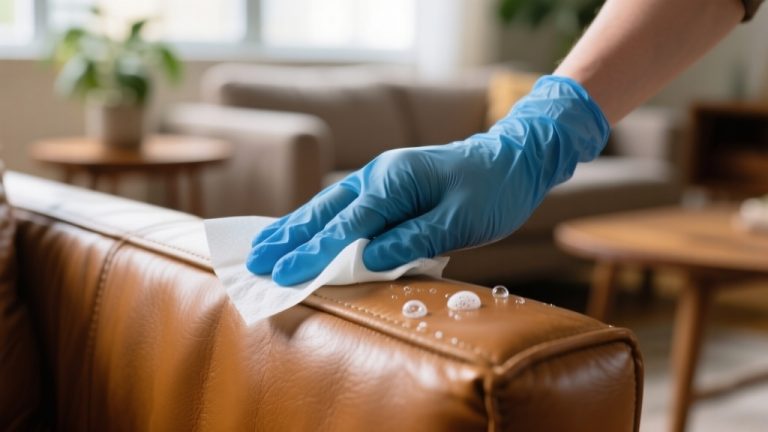
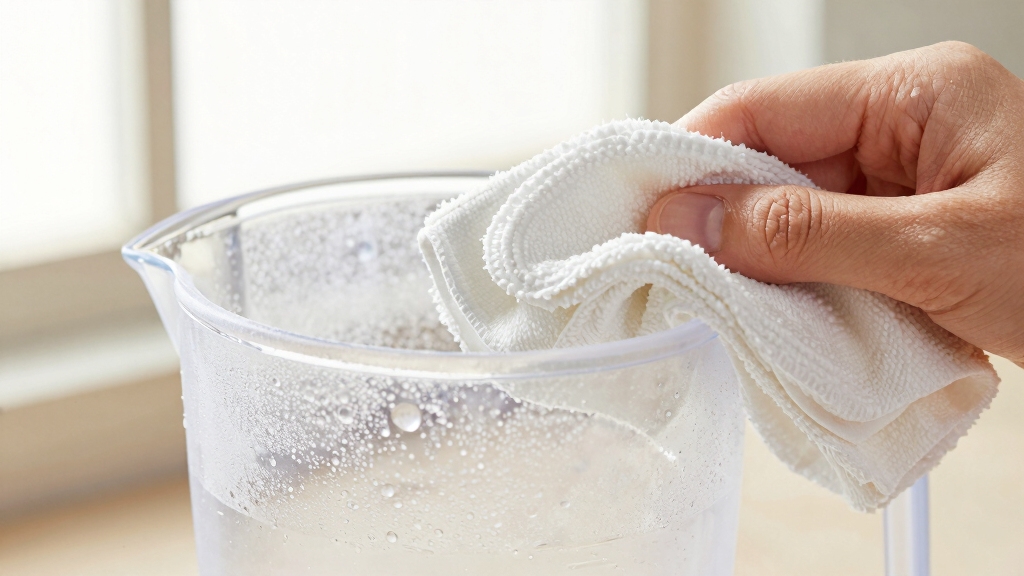
Start by using a lint-free microfiber cloth with warm soapy water, applying light pressure to prevent dulling. Microfiber cloths are ideal as they provide streak-free cleaning without scratching delicate surfaces.
Next, try a soft sponge with mild dish soap, letting the solution sit 2-5 minutes before gentle wiping. It is important to use detergents that are formulated for plastics to avoid adverse reactions.
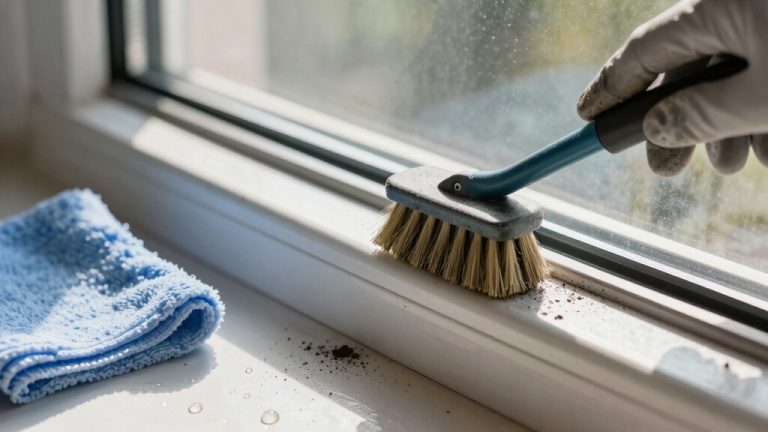
Third, consider a baking soda paste applied with a soft brush to lift tough stains without scratching.
Finally, use a soft brush combined with low-foam detergent for controlled scrubbing, limiting contact to under five minutes.
Remember to rinse thoroughly after each step with distilled water and dry with a clean, soft cloth.
Maintain temperatures below 50°C throughout to prevent plastic deformation and guarantee effective mechanical cleaning.
Using Commercial Products to Tackle Stubborn Stains
Explore commercial products designed specifically to remove stubborn hard water stains from plastic surfaces without causing damage.
You can rely on non-abrasive, mildly acidic formulas that break down mineral deposits while preserving delicate plastics like acrylic, polycarbonate, and fiberglass. Many of these products also include plant-powered ingredients that ensure safety and eco-friendliness during cleaning.
Many of these products use a non-chemical, non-abrasive formula that is safe for delicate materials and effective against a broad range of stains.
Always perform a spot test to confirm compatibility. Apply products such as gels or sprays with microfiber pads or soft brushes, then rinse thoroughly.
| Product | Key Features |
|---|---|
| Bio-Clean Hard Water Stain Remover | Non-abrasive, safe for plastics |
| Heavy Duty Water Spot Remover | Mildly acidic, gel formula |
| General Commercial Removers | Multi-surface, targets mineral deposits |
| Application Techniques | Spray, rub gently, spot test first |
| Safety Tips | Avoid harsh solvents, rinse well |
Preventive Measures to Avoid Future Hard Water Stains
Addressing stubborn hard water stains with commercial products can restore plastic surfaces effectively.
Commercial products effectively remove stubborn hard water stains, restoring plastic surfaces to their original condition.
However, preventing those stains saves time and preserves material integrity longer. You can implement these key measures to avoid future buildup:
- Install a Water Softener: Replace calcium and magnesium ions with sodium to reduce limescale formation by up to 90%, especially in hard water areas. Controlling water hardness is essential to minimizing residue buildup on surfaces.
- Rinse with Vinegar Solution: Apply a 50/50 white vinegar and water mix daily to dissolve emerging deposits before they solidify. Since mineral buildup occurs over time as water evaporates, regular rinsing prevents accumulation.
- Dry Immediately: Wipe plastic dry with microfiber cloths after exposure to prevent mineral evaporation and residue. Proper drying also reduces the chance of sticky residue forming due to trapped moisture.
- Apply Protective Coatings: Use polymer-based barriers or trim restorers to repel minerals and simplify maintenance.
Frequently Asked Questions
Can Hard Water Stains on Plastic Cause Health Risks?
Hard water stains on plastic themselves don’t directly cause health risks, but they indicate mineral buildup that can harbor harmful bacteria or microplastics.
If you use plastic items with these stains regularly, you might expose yourself to pathogens or chemical contaminants that cling to the residue.
To minimize risks, clean and remove stains promptly.
This prevents microbial growth and reduces potential exposure to toxins associated with plastic degradation and mineral deposits.
How Do I Identify the Type of Plastic Before Cleaning?
You can’t judge a book by its cover, so start by checking the Resin Identification Code (RIC) number inside the recycling triangle.
Next, perform simple tests: see if it floats in water (polyolefins do), try scratching gently to gauge hardness, and test solvent resistance on a hidden spot.
For precise ID, use lab methods like FTIR or DSC. Always clean the plastic first to avoid misleading test results caused by residues.
Are There Eco-Friendly Commercial Products for Hard Water Stains?
Yes, you can choose eco-friendly commercial products like Bio-Clean Hard Water Stain Remover, which uses non-chemical, non-abrasive formulas safe on plastic.
Alternatively, Blueland, Dirty Labs, and ECOS offer sustainable cleaners with biodegradable, non-toxic ingredients and recyclable packaging.
These options effectively tackle hard water stains while minimizing environmental impact. Always spot test on plastic surfaces to guarantee compatibility before full application.
Can Hard Water Stains Damage Plastic’s Structural Integrity?
Hard water stains can act like silent termites, gradually damaging your plastic’s structural integrity.
The mineral deposits create corrosive layers that erode surfaces, especially in crevices, weakening the material over time.
This buildup reduces smoothness, traps moisture, and accelerates deterioration, potentially causing cracks or brittleness.
While not always immediately visible, prolonged exposure risks shortening your plastic’s lifespan, so addressing stains promptly is essential to maintain durability and function.
How Long Should Vinegar Soak Plastic for Best Results?
You should soak plastic in a vinegar-water solution for 1 to 2 hours for ideal stain removal.
For stubborn stains, an overnight soak works best. Make sure to fully submerge the plastic and check periodically to avoid overexposure.
After soaking, rinse thoroughly and air-dry to eliminate vinegar odor. Adjust soak time depending on stain severity, but avoid prolonged exposure beyond overnight to prevent any potential damage.
Take Control of Hard Water Stains on Plastic Today
Hard water stains affect over 85% of households, but you don’t have to live with them. By understanding how mineral deposits form on plastic, you can tackle stains effectively using simple household remedies or safe mechanical cleaning.
For tougher spots, commercial products offer powerful solutions without damaging surfaces.
Consistent preventive measures will save you time and effort in the long run. With these precise techniques, you’ll keep your plastic items spotless and durable.