
Best Way to Clean Soap Scum From Bathtub: Easy Home Fixes
To clean soap scum from your bathtub effectively, spray a mixture of white vinegar and liquid dish soap.
Let it sit for 15–30 minutes, then scrub with a soft sponge or baking soda paste for tough spots. Rinse thoroughly with hot water and dry the surface to prevent residue buildup.
For heavy scum, commercial cleaners like CLR or Squeegee combined with scrubbing work well. Keep going to discover tools, techniques, and tips to maintain a spotless tub.
Key Takeaways
- Spray a mixture of white vinegar and liquid dish soap on soap scum, let sit 15–30 minutes, then scrub lightly and rinse thoroughly.
- Apply a baking soda paste to the scum, wait 10–20 minutes, scrub gently with a soft sponge, and rinse with hot water.
- Use commercial cleaners like CLR Bath and Kitchen Cleaner or Scrubbing Bubbles for tough soap scum without heavy scrubbing.
- Prevent buildup by rinsing the tub after use, drying surfaces with a squeegee and microfiber cloth, and switching to liquid body washes.
- Install a water softener to reduce calcium and magnesium ions that react with soap and cause soap scum formation.
Understanding Soap Scum and Its Causes
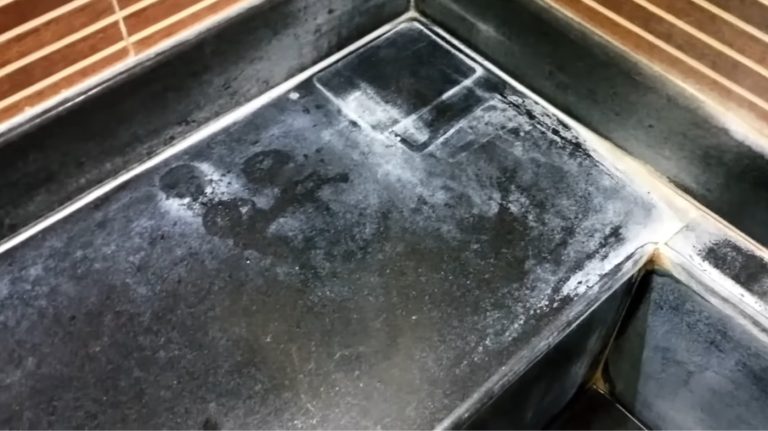
Although you mightn’t notice it immediately, soap scum forms when soap carboxylate ions react with calcium and magnesium ions in hard water. This creates insoluble salts like calcium stearate that precipitate onto your bathtub surfaces.
Soap scum forms as soap carboxylate ions react with hard water’s calcium and magnesium, creating insoluble deposits.
This reaction replaces soap’s sodium or potassium ions with divalent cations, reducing solubility and producing a white, stubborn film. Bar soaps, made from fatty acid salts, are especially prone to this because their carboxylate headgroups readily bind these metal ions. The presence of body oils, dead skin cells, and dirt can also contribute to the buildup of this chalky residue. Many effective cleaning products use surfactants and acids to break down these deposits efficiently.
Hard water’s mineral content directly influences how quickly and heavily soap scum builds up. Additionally, acidic conditions can precipitate free fatty acids, adding to scum formation.
Understanding this chemistry helps you grasp why scum persists. Water softening or chelation can prevent it by removing calcium and magnesium ions before they interact with soap.
Homemade Cleaning Solutions for Soap Scum
When tackling soap scum in your bathtub, homemade cleaning solutions offer effective, affordable alternatives to commercial products. You can mix about 1 cup of white vinegar with 1 tablespoon to 1/4 cup of liquid dish soap.
Heating the vinegar slightly improves residue dissolution. Using blue Dawn dishwashing liquid is especially recommended as it has proven effectiveness against soap scum and grime. Blue Dawn recommended Natural ingredients such as baking soda and vinegar are biodegradable and safe for home use, making them environmentally friendly options.
Spray immediately after mixing; let it dwell 10–30 minutes, then scrub for stubborn buildup. Baking soda pastes, made by combining baking soda with water or vinegar, provide mild abrasion to dislodge scum, especially on textured surfaces.
Borax or washing soda solutions break down fatty soap residues. Apply, wait 10–20 minutes, then scrub and rinse. For milder action, citric acid or lemon juice solutions dissolve minerals gently, while enzyme sprays target organic buildup.
Remember to avoid acidic mixes on natural stone and test all solutions on inconspicuous spots first.
Using Commercial Cleaners Effectively
Commercial cleaners often provide the quickest and most powerful way to remove soap scum from your bathtub.
Commercial cleaners deliver fast, effective soap scum removal for a sparkling clean bathtub with minimal effort.
Start by spraying your chosen cleaner generously over the affected areas.
Products like Scrubbing Bubbles Easy Clean Foam break down grime immediately, requiring minimal scrubbing.
CLR Bath and Kitchen Cleaner tackles heavy buildup without any scrubbing, thanks to its powerful bleach formula.
For a natural option, Mrs. Meyer’s Vinegar Gel works effectively on soap scum and mildew.
Let the cleaner sit for the recommended time—anywhere from one minute to 30 minutes depending on the product—to loosen deposits.
Many commercial cleaners use active ingredients such as citric acid, bleach, or surfactants to target soap scum and mineral buildup efficiently.
Always ensure proper ventilation and wear rubber gloves to protect your skin during cleaning.
Then, wipe away residues with a microfiber cloth or sponge, rinse thoroughly with hot water, and dry the surface promptly to prevent new buildup.
Tools and Techniques for Thorough Cleaning
Since soap scum can cling stubbornly to your bathtub surface, using the right tools and techniques is essential for a thorough clean.
Here’s how to tackle it effectively:
- Vinegar and Dish Soap Solution: Spray a mix of equal parts vinegar and dish soap; let it sit 15-30 minutes, then wipe with a soft sponge and rinse. This method works well because vinegar breaks down the mineral deposits in hard water.
- Baking Soda Paste: Apply a paste of 3 tablespoons baking soda and ½ cup water; leave 10-20 minutes, scrub lightly, rinse, and dry.
- Enhanced Vinegar Technique: Spray vinegar-water mix, wait 15-20 minutes, then scrub with a baking soda-dusted sponge for fizzing action.
- Abrasive Tools: Use soft sponges for general cleaning; for stubborn spots, employ a Magic Eraser or baking soda paste with gentle scrubbing.
Tips to Prevent Soap Scum Buildup
Regularly adopting smart habits can drastically reduce soap scum buildup in your bathtub.
Switch to liquid body washes or syndet bars instead of traditional fatty-acid bar soaps, as they leave less residue that reacts with hard water minerals.
Avoid products with talc or high insoluble fatty acids to minimize scum formation. Using a plant-based cleaner can help maintain a soap scum-free surface without harsh chemicals.
Rinse your tub and walls thoroughly after each use to wash away residual product before minerals can bind and form deposits. This sticky, water-resistant residue builds up more quickly in warm, humid areas.
Follow rinsing by using a squeegee and drying with a microfiber cloth to remove standing water and prevent mineral buildup.
If you have hard water, consider installing a whole-house or point-of-use water softener to eliminate calcium and magnesium that cause scum. Combine these habits with weekly light cleans for lasting prevention.
Frequently Asked Questions
Can Soap Scum Cause Health Issues or Allergies?
Yes, soap scum can cause health issues and allergies.
It harbors bacteria and fungi that may infect people with weakened immune systems.
Residual soap films can irritate your skin, disrupt its natural barrier, and trigger dryness or sensitivity.
If you’re prone to eczema or allergies, surfactants and trapped allergens in soap scum might worsen your symptoms.
Is It Safe to Mix Vinegar With Bleach for Cleaning?
You shouldn’t mix vinegar with bleach. It produces chlorine gas, which irritates your eyes, throat, and lungs even at levels below 5 ppm.
Just a small amount can release this toxic gas, causing coughing and breathing trouble. Always use these cleaners separately in well-ventilated areas.
If you ever smell a pungent odor, leave immediately and ventilate the space. Your safety comes first; avoid mixing these chemicals under any circumstance.
How Often Should I Deep Clean My Bathtub?
You should deep clean your bathtub about once a month if you use it regularly.
Increase frequency to every 1–2 weeks if you have heavy use, like daily baths or bath oils.
For low-use tubs, clean when you see soap scum or odors.
Hard water, poor ventilation, or kids and pets might mean cleaning more often.
Stick to a schedule that matches your usage and bathroom conditions to keep your tub spotless and hygienic.
Can Hard Water Contribute to Soap Scum Buildup?
Yes, hard water markedly contributes to soap scum buildup.
Over 85% of U.S. homes have hard water, loaded with calcium and magnesium ions.
These minerals react with soap’s fatty acids, forming insoluble lime soaps that cling stubbornly to your tub and fixtures.
This residue reduces soap effectiveness and promotes grime accumulation.
To tackle this, you’ll want to contemplate water softening or using hard-water-friendly soaps to minimize scum formation.
Are There Eco-Friendly Commercial Cleaners for Soap Scum?
Yes, you’ll find plenty of eco-friendly commercial cleaners designed specifically for soap scum removal.
Brands like Clorox EcoClean, ECOS, Simple Green, and Eco-Max offer biodegradable, nontoxic formulas that effectively dissolve soap scum without harsh chemicals.
These products use organic acids, hydrogen peroxide, or concentrated, acid-free ingredients, making them safe on porcelain, fiberglass, and grout.
Plus, many are EPA-registered, ensuring strong disinfectant power alongside eco-conscious cleaning.
Choose the Best Way to Clean Soap Scum From Bathtub Today
Now that you know how to tackle soap scum head-on, keeping your bathtub spotless won’t be an uphill battle. Whether you choose homemade solutions or commercial cleaners, the key is consistency and the right tools.
Don’t let soap scum settle in like an uninvited guest; act quickly and regularly to prevent buildup. With these tips, your tub will shine like new, making your bathroom feel fresh and inviting every time.