

Best Way to Get Blood Out of a Carpet: Quick Tips That Work
To get blood out of a carpet, act fast by blotting fresh stains gently with a cold, damp cloth. Never rub, as this pushes blood deeper.
Use cold water to dilute the stain and apply mild dish soap or an enzyme-based cleaner for tougher spots. Avoid warm water, which sets stains.
After blotting, rinse with cold water and let the area air-dry fully. For stubborn stains or safety tips handling blood, explore proven cleaning methods and expert advice.
Key Takeaways
- Blot fresh blood stains gently with cold water, avoiding rubbing to prevent spreading or setting the stain deeper in carpet fibers.
- Use a mild dish soap diluted in cold water or an enzyme cleaner to break down proteins in dried blood stains effectively.
- Apply 3% hydrogen peroxide sparingly on stubborn stains, allowing it to foam briefly before blotting and repeating if necessary.
- Use absorbent powders like salt or baking soda to draw out moisture from dried blood, then vacuum the residue once fully dry.
- Always blot from the outside of the stain toward the center and air dry completely before vacuuming or grooming carpet fibers.
Understanding Blood Stains on Carpet
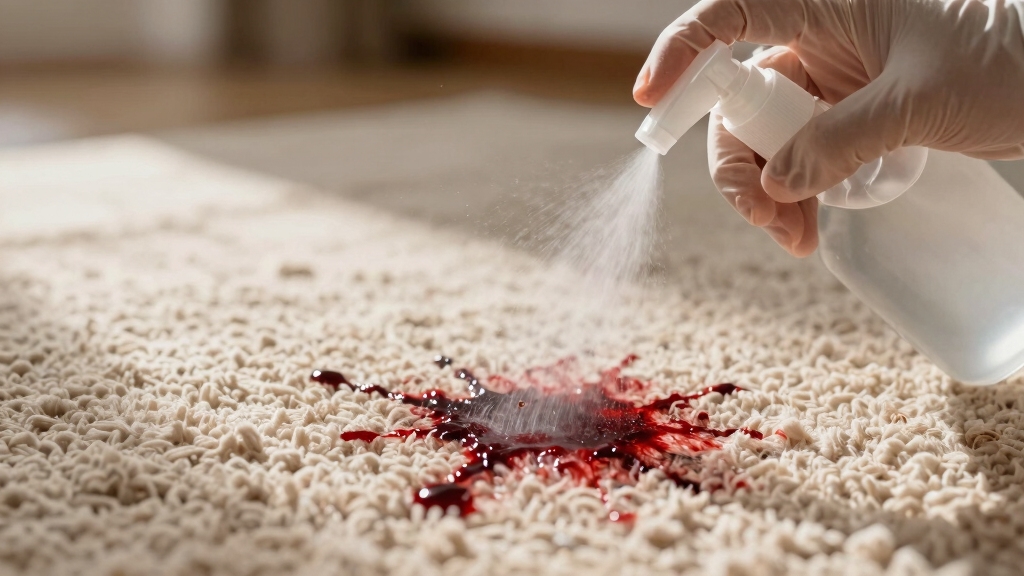
Understanding blood stains on carpet starts with recognizing how the proteins in blood chemically bond with carpet fibers. When blood contacts carpet, haemoglobin reacts with oxygen and binds deeply within the fibre structure. Immediate blotting with a dry cloth can prevent the stain from setting further.
The iron in blood oxidizes, turning the stain brownish and locking it in place. As blood dries, red blood cells and clotting proteins harden, making removal difficult. Haemoglobin coagulation begins immediately upon exposure to air, aiding fibre bonding and stain setting.
Over time, oxidation intensifies, and dry stains develop visible cracks. Carpet porosity affects how deeply blood penetrates, while standard cleaning struggles to break these strong bonds.
Fresh stains are bright red but darken substantially within 24 hours. Cold water is essential because warm water sets stains.
Understanding these chemical and physical changes helps you approach stain removal with effective cleaning strategies and timing.
Immediate Actions to Take When Blood Spills
Act quickly when blood spills on your carpet to prevent deep penetration and permanent damage. First, put on disposable gloves and eye protection to shield yourself from bloodborne pathogens.
Contain the spill by confining its boundaries and removing any large tissue particles carefully. Avoid spreading the stain by blotting gently with a clean, dry cloth or paper towel. Prompt action is crucial to prevent stain setting and protect carpet fibers.
Work from the outside in and switch to fresh cloth sections often. Never rub, as this pushes blood deeper. Place contaminated materials immediately in a sealed plastic bag. Using a cold water and mild detergent solution can help to effectively lift blood stains without damaging carpet fibers.
After blotting, prepare for treatment by applying a disinfectant to kill germs and allowing adequate dwell time. These immediate steps limit stain setting, reduce pathogen spread, and protect your carpet from lasting harm.
Using Cold Water to Treat Fresh Blood Stains
When you’re dealing with fresh blood stains, the first thing you want to do is gently blot the area with a cloth that’s dampened in cold water. This helps to avoid spreading the stain further. It’s important to be gentle here—no scrubbing!
For even better results, you might want to try using a diluted cold water solution. This can really help lift that stain out. After you’ve treated the area, make sure to rinse it thoroughly with plain cold water.
Finally, don’t forget to blot the area dry. This step is crucial because it helps remove any excess moisture and prevents any residue from building up. Trust me, you’ll be glad you took the time to do it right!
Always patch test cleaning agents on a small hidden area to ensure colorfastness and avoid fiber damage.
Blotting Techniques
Start by blotting fresh blood stains with cold water to prevent coagulation and make removal easier.
Dampen a clean white cloth with cold water and gently dab the stain, working from the edges toward the center to avoid spreading.
Avoid rubbing, which pushes blood deeper into carpet fibers.
Repeat blotting with dry cloths to absorb moisture after each dampening.
You can also use a spray bottle filled with cold water for controlled application, but don’t soak the carpet.
Press firmly with absorbent towels to lift the blood effectively.
Always use soft, clean white cloths to prevent color transfer and fiber damage.
After blotting, blot excess moisture with a dry cloth and let the area air dry completely before further treatment or vacuuming.
Act quickly; sooner treatment improves chances of full stain removal by preventing the blood from setting into the fibers immediate first aid.
Dilution and Flushing
After blotting fresh blood stains to lift surface moisture, applying cold water helps dilute and flush out the remaining blood from carpet fibers.
Cold water prevents blood coagulation, making it easier to lift without setting the stain. Use a spray bottle to mist cold water directly, then dab gently with a damp cloth.
Repeat wetting and blotting until the stain fades. Avoid hot water, as it causes clotting. After flushing, allow the carpet to air dry fully.
Promptly blotting and avoiding rubbing prevents deeper penetration of the stain, which is essential for effective cleaning of organic stains.
| Step | Action |
|---|---|
| Apply cold water | Spray directly on stain |
| Dab with cloth | Use damp white cloth gently |
| Blot excess liquid | Use dry cloth, repeat as needed |
Applying Household Solutions for Blood Removal
To tackle blood stains on your carpet effectively, you can rely on several household solutions that work by breaking down or lifting the proteins and pigments in blood.
Start with cold water and blotting: spray cold water on the stain and blot from the edges inward using a clean white cloth to prevent spreading. Acting quickly is important because real blood stains are easier to remove when fresh. It is also important to test solutions on hidden areas to prevent discoloration or damage.
Use a mild dish soap diluted in cold water for fresh stains; apply gently, blot, then rinse with cold water to avoid residue.
For tougher stains, try a small amount of 3% hydrogen peroxide, allowing it to foam briefly before blotting. Always patch-test first.
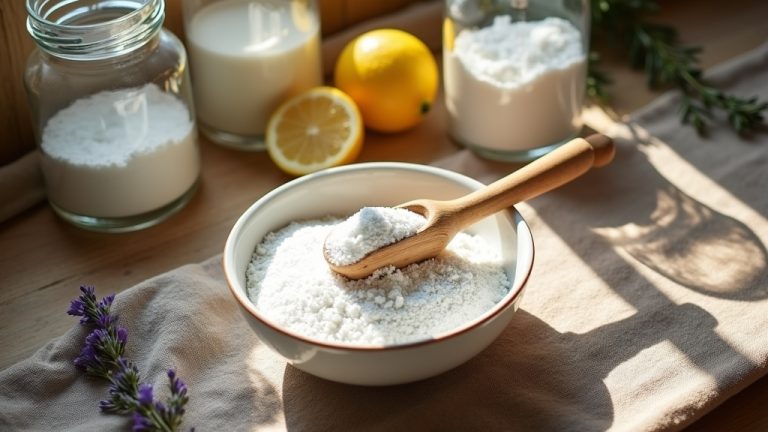
Absorbent powders like baking soda or salt can also help by drawing moisture out. Let them dry fully, then vacuum.
These methods combined can effectively lift most blood stains without harsh chemicals.
Effective Commercial Products for Blood Stains
When it comes to dealing with blood stains, you might want to consider using oxi-based removers. They work wonders by breaking down pigments thanks to the oxygen they release. It’s pretty neat how that works! For stubborn stains, using a spot carpet shampooer with specialized brushes can enhance the cleaning process effectively.
Now, if you’re dealing with fresh stains or even ones that have set in, enzyme stain cleaners are where it’s at. They specifically target blood proteins, which makes them super effective in getting rid of those tough stains. Talk about a lifesaver! For carpets and upholstery, using a product with an innovative super-wetting and penetrating formula can significantly improve stain removal effectiveness.
And hey, if you just need a quick fix, spot-cleaning spray pens are a great option. They combine enzymes and surfactants to help lift those stains with ease, making it simple to blot them away. It’s like having a little stain-fighting superhero right in your pocket! Choosing devices with versatile attachments can further improve your stain removal efforts on different surfaces.
Oxi-Based Removers
Oxi-based removers break down blood stains at the molecular level, making them a powerful choice for carpet cleaning. These products use oxygen-based formulas to penetrate fibers deeply, lifting stubborn protein stains like blood effectively. Many also feature biodegradable ingredients, ensuring a safer, eco-friendly cleaning process. You’ll find options that also sanitize and deodorize, enhancing overall carpet care.
One such product, Actichem Bust, offers an innovative chemistry that combines protein-dissolving agents with super wetting technology for reliable stain removal.
| Product | Features | Best For |
|---|---|---|
| Actichem Bust | pH 10.5–11, ready-to-use/dilution | Heavy-duty protein stains |
| Bissell Pro Oxy Power Shot | Deep spray, prevents residue wicking | Quick stain removal |
| Woolite Advanced Stain Remover | Hydrogen peroxide, sanitizes | Stains with odor control |
Choose the right oxy-based remover based on your stain severity and carpet type for peak results.
Enzyme Stain Cleaners
While oxygen-based removers attack blood stains through oxidation, enzyme stain cleaners break down the proteins in blood at a molecular level using protease enzymes. These enzymes hydrolyze peptide bonds in hemoglobin, converting blood proteins into smaller, water-soluble peptides.
Enzyme cleaners target protein-based stains such as blood, making them especially effective for this purpose. For best results, keep the area damp and allow the enzyme cleaner to sit from several minutes up to overnight. Using products formulated with enzymatic power ensures deep stain penetration and effective breakdown of blood proteins.
Products like Biokleen Bac-out, Puracy Natural Stain Remover, and Superior Products Heavy Duty Enzyme Cleaner are effective commercial options. Before applying, blot fresh blood gently to remove excess without rubbing. Saturate the stain thoroughly, then let enzymes work before blotting or extracting.
Repeat treatments may be necessary for set-in stains. Note that enzyme activity depends on moisture, temperature, and pH, so follow product instructions carefully for optimal protein breakdown.
Spot-Cleaning Spray Pens
Spot-cleaning spray pens target blood stains with convenient, portable formulas designed for quick, effective treatment. Many of these products use biodegradable ingredients to ensure safety for families and pets.
These pens use oxygen-based oxidizers, surfactants, and sometimes solvents to break down blood without harsh bleaching. For best results, blot with cold water first, then apply the spray lightly. Allow the recommended dwell time before blotting or agitating.
Test a hidden area first to prevent color fading. They are especially useful for treating both fresh and set-in stains by allowing the product to penetrate deep into the fibers.
| Type | Key Ingredient | Best For |
|---|---|---|
| Oxy/Hydrogen Peroxide | Oxygen-based oxidizer | Fresh blood stains |
| Solvent-Enhanced Sprays | Solvents + surfactants | Dried or greasy stains |
| Laundry-Derived Pens | Surfactants + oxygen boosters | Fabric & carpet spots |
Follow label directions closely and ensure good ventilation during use.
Techniques to Handle Dried or Set Blood Stains
Because dried blood stains can firmly set into carpet fibers, you’ll need targeted techniques to effectively lift them without damaging the material.
Dried blood deeply embeds in carpet fibers, requiring careful methods to remove without harm.
Start by applying a thick paste of salt or cornstarch mixed with cold water directly on the stain; let it dry, then vacuum away the residue. Always remember to avoid rubbing the stain to prevent it from spreading or embedding deeper. Using absorbent powders can help draw out the stain effectively.
Alternatively, mix a drop of dish soap in cold water, pour it on the stain, and blot repeatedly with a sponge until the stain fades.
For stubborn stains, apply 3% or 6% hydrogen peroxide and wait 1-2 hours before blotting; repeat up to five times if necessary.
You can also dab a salt water solution gently to loosen blood, then blot dry.
Finally, absorbent powders or potato starch left to dry for 24 hours can lift stains, followed by vacuuming without rubbing.
Safety Precautions When Cleaning Blood From Carpet
When cleaning blood from carpet, you must prioritize safety to protect yourself and others from bloodborne pathogens. Always wear disposable nitrile or latex gloves, a fluid-resistant mask, and eye protection if splashes are possible.
Use an impermeable apron to shield clothing when needed. Immediately isolate the area to limit access and prevent contamination spread. Remove loose items with gloved hands, sealing them for separate cleaning.
Use disposable absorbents to confine liquid and change them when saturated. Carpets are porous; blood seeps into fibers, padding, and subfloor, creating a risk for deeper contamination and pathogen growth. Choose EPA-registered disinfectants suitable for carpets, applying them at recommended concentrations and contact times.
Avoid mixing chemicals to prevent toxic gases. Dispose of all contaminated materials, including PPE, in sealed bags according to local regulations. If the spill is large or complex, consider calling professionals to ensure thorough and safe cleanup.
Carpet Care Tips to Prevent Damage During Cleaning
After making certain safety during blood stain removal, protecting your carpet from damage during cleaning is the next priority.
Start by vacuuming regularly, adjusting the vacuum height appropriately, and using HEPA or SOA-certified filters to prevent fiber abrasion. It is important to vacuum high-traffic areas daily or every other day to maintain carpet durability.
Always blot spills gently with a clean, white cloth; never rub to avoid fraying fibers or pushing stains deeper.
Test any cleaning solution on a hidden spot first to make certain colorfastness. Use manufacturer-approved spotters and avoid over-wetting by applying minimal solution from the stain’s edges inward.
After cleaning, rinse with plain water and blot dry thoroughly to prevent resoiling or microbial growth. Finally, protect your carpet routinely with entry mats, furniture pads, and occasional rotation of rugs and furniture to distribute wear evenly and extend carpet life.
When to Seek Professional Carpet Cleaning Services?
Although you might handle minor blood stains yourself, certain situations clearly call for professional carpet cleaning services. You should seek experts when stains are large, dried, or involve unknown-source blood requiring biohazard protocols. Professionals often use specialized techniques aligned with OSHA bloodborne pathogen guidelines to ensure safe and effective cleanup.
Professional cleaners also protect delicate or high-value carpets and meet health and safety standards in sensitive environments.
| When to Call Professionals | Why It Matters |
|---|---|
| Large or multiple saturated areas | Requires biohazard remediation |
| Dried or set blood stains | Need specialized enzyme treatments |
| Unknown-source or trauma-related | Chain-of-custody and contamination control |
| High-value or sensitive carpets | Prevents fiber damage and color loss |
Calling pros guarantees proper pathogen removal, legal disposal, and compliance with safety regulations. This protects you and others.
Maintaining Carpet Appearance After Blood Stain Removal
Since removing the blood stain is only the first step, you’ll need to focus on maintaining the carpet’s appearance to prevent re-soiling and fiber damage.
Blot the cleaned area with a clean white cloth to remove residues, then rinse with cold water and blot again.
Blot with a clean white cloth, rinse with cold water, then blot once more to remove residues.
Press dry with towels and let it air-dry fully before resuming foot traffic. Immediate attention improves chances of complete stain removal and prevents permanent damage, so addressing the spot quickly is beneficial to maintenance.
Vacuum once dry to lift the pile and blend the spot with surrounding fibers.
Gently groom the pile using a soft brush or carpet rake, applying light steam or a warm iron with a damp cloth if fibers are crushed.
Use a blow dryer on low while raking to set fibers upright.
Finally, restrict traffic until fully dry and apply a color-safe protector to keep the area consistent with the rest of your carpet. Removing blood stains eliminates potential allergens and reduces bacterial growth, contributing to a healthier indoor environment. [Health benefits
Frequently Asked Questions
Can Blood Stains Transfer to Other Surfaces During Carpet Cleaning?
Yes, blood stains can transfer to other surfaces during carpet cleaning if you’re not careful. Contaminated tools, cleaning solutions, or runoff can spread blood to upholstery, hard surfaces, or other carpet areas.
To prevent this, you should use single-use cloths, sanitize equipment thoroughly between uses, and avoid aggressive scrubbing that causes splashes. Clean isolated spots rather than wide areas.
Taking these steps minimizes cross-contamination risks effectively.
How Long Does It Take for Blood Stains to Become Permanent?
Blood stains can start becoming permanent within minutes, especially if heat is applied.
You’ve got a critical window of a few hours, ideally under 24, to remove the stain with cold water and mild cleaners.
After that, the proteins bind strongly to fibres, making removal tougher.
If you’ve used heat or harsh chemicals early on, the stain can set even faster.
Acting quickly and avoiding heat is key to prevent permanence.
Are There Specific Carpet Fibers That Resist Blood Stains Better?
You might be surprised, but wool fibers naturally resist blood stains better than many synthetics.
Thanks to their lanolin-like coating, wool repels protein-based stains, giving you more time to clean fresh blood before it sets.
Triexta, a synthetic fiber with permanent stain resistance, also performs well.
Conversely, silk and cotton absorb moisture quickly, making stains harder to remove.
Choosing fibers with built-in treatments and tight constructions improves your chances against stubborn blood spots.
Can Pets Cause Blood Stains That Are Harder to Remove?
Yes, pets can cause blood stains that are harder to remove.
When your pet moves while bleeding, blood smears deeper and over a larger area.
Saliva, oils, and repeated small bleeds complicate the stain’s chemistry and odor.
Plus, blood often reaches carpet padding, making surface cleaning less effective.
You’ll need enzyme-based cleaners or professional extraction to fully remove these complex pet stains and odors.
What Is the Environmental Impact of Blood Stain Cleaning Products?
When you use blood stain cleaners, it’s like sending ripples through a fragile pond. Chemicals persist, harming aquatic life and polluting water. Many contain stubborn surfactants and oxidizers that resist breakdown, releasing toxins and disrupting ecosystems.
Indoor air quality suffers too, as fumes irritate your lungs. To protect the environment and yourself, choose biodegradable, plant-based alternatives that clean effectively without leaving lasting damage beneath the surface.
Protect Your Carpet After Cleaning Blood Stains
Now that you know how to tackle blood stains on your carpet, don’t wait like it’s the Victorian era. Act quickly with cold water and household solutions.
Always prioritize safety and avoid harsh scrubbing to protect your carpet’s fibers. If the stain persists, consider commercial products or professional help.
With these steps, you’ll keep your carpet looking fresh and clean, ensuring your home stays as spotless as a knight’s shining armor.

One Comment