Reverse Osmosis vs Whole House Filter: Key Differences
You’ll use reverse osmosis (RO) to get the purest drinking water at specific taps by removing over 99% of contaminants, including bacteria, viruses, heavy metals, and PFAS.
Whole house filters protect plumbing and appliances by reducing sediment, chlorine, and some chemicals throughout your home. This helps maintain flow and prevents scale buildup.
RO produces some wastewater and requires more maintenance, while whole house systems handle high flow with less waste. Explore their distinct roles to find what fits your needs best.

- PATENTED DESIGN – The top-mounted fastener allows for easy countertop installation entirely from…
- MINERAL BOOST – The patent-pending natural mineral AK stage delivers spring water with a balanced…
- SEE WHAT’S CAUGHT – The transparent first-stage filter housing makes it easy to monitor…


- WHOLE HOUSE WATER FILTRATION: Notice the difference immediately with our 3-stage water filtration…
- COMPREHENSIVE FILTRATION SYSTEM: The ESEENTIAL system was specifically designed to significantly…
- DELUXE WATER FILTER: With the Express Water Deluxe Series you get a heavy duty stainless steel…
Key Takeaways
- Reverse osmosis (RO) systems purify drinking water at a single faucet, removing over 99% of bacteria, viruses, and dissolved solids.
- Whole house filters treat all incoming water, protecting plumbing and appliances by reducing chlorine, sediment, and some PFAS for every faucet.
- RO systems produce high-purity, low-TDS water ideal for cooking and beverages but generate significant wastewater compared to whole house filters.
- Whole house filters maintain high flow rates (15–56 GPM) and extend appliance lifespan by preventing scale and corrosion throughout the home.
- RO units require under-sink or countertop installation, while whole house filters need professional setup at the main water line for full-home coverage.
Clear Comparison of Reverse Osmosis and Whole House Filters
| Feature | Reverse Osmosis (RO) | Whole House Filter |
|---|---|---|
| Filtration Scope | Point-of-use purification at a single faucet | Whole-home coverage for every tap |
| Primary Purpose | Ultra-pure drinking and cooking water | Broad water quality improvement throughout the home |
| Contaminant Removal | Bacteria, viruses, heavy metals, PFAS, fluoride, TDS | Chlorine, sediment, VOCs, pesticides, rust |
| Filtration Precision | 0.001-micron membrane for dissolved solids | 10–30 micron media with carbon and sediment stages |
| Water Flow Rate | Low flow, optimized for small volumes | High flow, supports simultaneous fixtures |
| Wastewater Production | Produces wastewater during filtration | Minimal to no wastewater |
| Mineral Retention | Removes minerals, optional remineralization | Retains beneficial minerals |
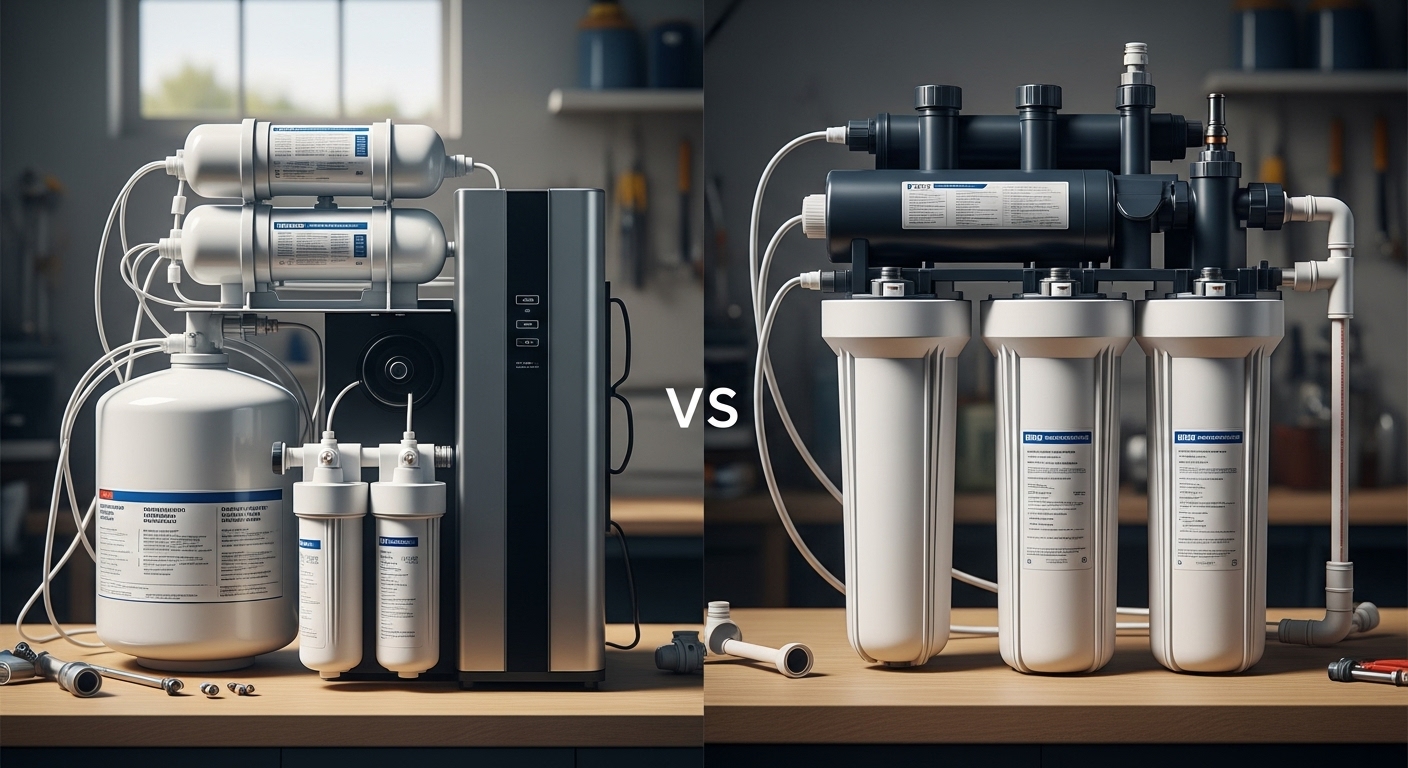
| Installation Location | Under-sink or countertop | Main water line entry point |
| Maintenance Focus | Membrane and pre-filter changes | Periodic media replacement |
| Impact on Plumbing | Limited to drinking line only | Protects pipes and appliances |
Differences Between Reverse Osmosis and Whole House Filters

While both reverse osmosis (RO) and whole house filters improve water quality, they differ fundamentally in scope and function.
Whole house filters treat all incoming water for every faucet and appliance, managing sediment, chlorine, pesticides, and rust at 10-30 micron sizes. They maintain high flow rates without pressure drops, suitable for bathing, laundry, and cleaning.
Whole house systems also use combinations of filters, including activated carbon, to improve taste and odor throughout the home. Many top-rated systems are designed for DIY installation with user-friendly features that simplify maintenance and replacement.
RO systems, in contrast, focus exclusively on drinking and cooking water from a specific faucet, using a semi-permeable membrane with a 0.001-micron pore size to remove up to 99% of contaminants, including heavy metals and fluoride. RO provides the purest water but produces waste and requires multiple units for whole-home coverage.
Whole house filters excel in scale reduction and appliance protection but are less effective against dissolved solids and bacteria. Reverse osmosis systems typically include multiple filtration stages and may offer optional remineralization to add back healthy minerals lost during filtration.
Installation and Coverage: Which System Works for Your Home
When choosing between reverse osmosis and whole house filtration, consider the installation location and coverage needs of your home.
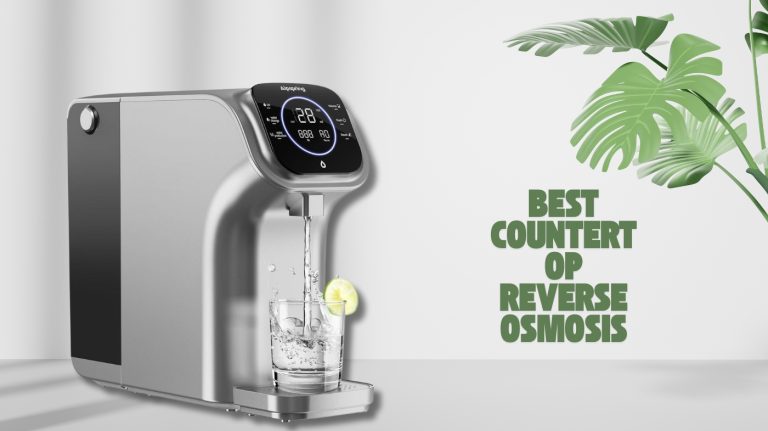
Reverse osmosis (RO) systems often install under the kitchen sink, requiring accessible water lines and cabinet space, making DIY installation feasible. The Aquatru Carafe, recognized as the top system in 2026, exemplifies advanced RO technology with proven contaminant removal. Many countertop RO units also offer plug-and-play operation, eliminating complex installation.
Whole house RO systems connect at the main water supply, needing professional setup due to complexity.
Coverage differs: point-of-use RO units provide purified water at one or two taps, ideal for drinking and cooking, while whole house systems treat all water throughout your home, supporting bathing and cleaning.
Whole house filters demand larger capacity and incur higher maintenance costs but suit high water usage households.
Conversely, under-sink RO systems offer lower initial investment and maintenance, fitting smaller households or rental properties with moderate purified water needs.
Contaminants Removed by Reverse Osmosis and Whole House Filters
Understanding the contaminants each system targets helps you choose the right filtration method for your water quality needs.
Reverse osmosis (RO) removes over 99% of bacteria, viruses, nitrates, fluoride, and heavy metals like arsenic and lead. It also reduces PFAS by 94% or more. Researchers recommend RO as the most effective home filtration method for removing PFAS prevalent in central North Carolina, including GenX found in Wilmington.
Reverse osmosis removes over 99% of bacteria, viruses, nitrates, fluoride, heavy metals, and significantly reduces PFAS.
RO effectively eliminates total dissolved solids, pesticides like endrin and heptachlor, asbestos, protozoan cysts, radium, and uranium particles.
Meanwhile, whole house filters use activated carbon to reduce chlorine, pesticides, herbicides, pharmaceuticals, and about 73% of PFAS, though effectiveness varies. The removal efficiency of activated carbon filters can be inconsistent and unpredictable, with some filters even increasing PFAS levels if not properly maintained filter variability.
They also remove sediment and protect downstream equipment but lack consistent arsenic and dissolved solids removal.
Whole house filters retain beneficial minerals and require ultrafiltration add-ons for bacteria removal.
Since no single system removes all contaminants, combining RO with carbon filtration often offers thorough water purification.
Comparing Water Flow, Waste, and Maintenance Needs
Because water flow rates and waste generation materially impact system efficiency and household convenience, comparing these factors is essential when selecting between reverse osmosis (RO) and whole house filtration.
RO systems typically deliver 0.03-0.042 GPM under sink, with traditional units producing 75 GPD and tankless models reaching 400-600 GPD. Whole house RO demands 1-10 GPM feed, scaling to full home use. Both UF and RO systems filter impurities by forcing water through semipermeable membranes, ensuring effective contaminant removal. High-capacity systems with continuous water removal capabilities can improve overall system performance and reduce maintenance efforts.
Wastewater ratios vary: traditional RO yields 4:1 waste, while tankless units improve to 1:1 or less. Whole house RO often recycles concentrate for better efficiency.
Maintenance involves regular filter replacements and membrane care. RO requires pre-filters and flushes contaminants as wastewater. Whole house RO uses TDS monitoring with dual controllers.
Point-of-use filters need frequent changes due to slower flow and higher fouling risk. Ultrafiltration typically runs on home water pressure without electricity, simplifying maintenance compared to RO systems. Reliable filtration systems often incorporate automatic drainage features to support continuous operation and reduce manual intervention.
Benefits and Best Uses of Whole House Filters
Whole house filters are a fantastic way to protect every water outlet in your home. They do a great job at removing contaminants, ensuring that you and your family have access to clean, safe water. One of the best parts? They maintain high flow rates, which means you won’t have to worry about sacrificing water pressure for better filtration. Their robust construction ensures reliable performance and durability over time.
And it gets better! These filters can actually help extend the lifespan of your plumbing and appliances. By reducing sediment and scale buildup, you’re not only keeping your water clean but also saving yourself from potential repairs down the line. It’s a win-win! Additionally, whole house systems provide consistent delivery of high-quality water throughout the house, ensuring every tap benefits equally.
Comprehensive Home Water Protection
When protecting your entire home’s water supply, whole house filters offer all-inclusive treatment that addresses a wide range of contaminants. This includes heavy metals, chlorine, sediments, and industrial solvents.
These systems remove chemical and mechanical impurities, such as rust, VOCs, pharmaceuticals, and turbidity, ensuring thorough water quality improvement. Reverse osmosis systems, a type of whole house filter, use semi-permeable membranes to remove bacteria, viruses, and dissolved solids for enhanced purification.
By filtering all incoming water at the main line, they extend the lifespan of plumbing and appliances through sediment and scale reduction. This prevents corrosion and mineral buildup.
This protection covers every tap and fixture in your home, enhancing water taste, clarity, and safety. Whole house filtration reduces exposure to harmful contaminants, improving health across all water uses.
While not achieving absolute removal, these multi-stage systems provide the broadest, most effective home water protection available today.
High Flow Rate Advantage
Whole house filters consistently maintain high flow rates to guarantee strong water pressure across multiple fixtures and appliances running simultaneously. These systems also provide safe and eco-friendly water filtration options by avoiding harsh chemicals that can damage plumbing and the environment.
With flow capacities ranging from 15 to 56 gallons per minute (GPM), these systems accommodate homes with multiple bathrooms and heavy water use without pressure drops or stagnation.
The High Flow Whole House Water Filter is available in different flow models specifically designed to meet the needs of homes with varying numbers of bathrooms, ensuring optimal flow capacity.
Maintaining peak flow preserves contaminant removal efficiency by providing adequate contact time with filtration media.
| Flow Rate (GPM) | Home Size | Key Benefit |
|---|---|---|
| 15-20 | Small to medium homes | Consistent pressure, effective filtration |
| 28 | Larger homes | Reliable delivery, multi-bathroom support |
| Up to 56 | Estates, large setups | Maximum flow, advanced filtration stages |
You’ll avoid pressure loss and guarantee efficient contaminant removal, making whole house filters ideal for all-encompassing water treatment with strong flow performance.
Plumbing and Appliance Longevity
Although many homeowners overlook it, investing in a whole house filter markedly extends the lifespan of your plumbing and appliances by preventing mineral buildup and corrosion.
These systems remove hard water minerals like calcium and magnesium at the entry point, stopping limescale deposits that reduce pipe flow and clog appliances.
By filtering out chlorine and corrosive chemicals, they also prevent degradation of rubber and metal components, minimizing leaks and gasket failures.
This protection allows water heaters to last 12–15 years instead of 8–10, while washing machines and dishwashers operate more efficiently with fewer breakdowns.
Additionally, filtered water reduces energy consumption by preventing scale formation, lowering utility costs.
Using pH-neutral, residue-free cleaners on fixtures and appliances further maintains their integrity and appearance, complementing the benefits of whole house filtration.
Advantages of Reverse Osmosis for Drinking and Cooking
Since water quality directly impacts health and culinary outcomes, reverse osmosis (RO) systems offer significant advantages by effectively removing a broad spectrum of contaminants.
You benefit from eliminating 94-98% of hardness ions like calcium and magnesium, plus 95% of fluoride and toxic metals such as lead and arsenic. These systems typically produce residue-free water, which is essential for both drinking and cooking applications.
RO also filters bacteria, viruses, and PFAS, producing low-TDS water that’s safe and pure for consumption.
This purification improves taste by removing chlorine, metals, and dissolved solids, resulting in clearer ice and enhanced beverage flavor without dilution.
For cooking, you get consistent, contaminant-free water, ensuring ingredient integrity.
Additionally, RO systems provide instant, point-of-use access at the tap, offering cost-effective, reliable water that saves money over bottled alternatives while supporting your health and culinary precision daily.
However, it’s important to note that traditional RO systems can generate a significant amount of waste water, often producing five gallons or more of reject water for every gallon of treated water.
Frequently Asked Questions
Can Reverse Osmosis Systems Improve Skin and Hair Health From Shower Water?
You won’t see significant skin or hair benefits from using reverse osmosis (RO) for shower water because RO systems aren’t designed for high-volume water like showers.
While RO removes contaminants effectively, it’s impractical for bathing. Instead, specialized shower filters target chlorine and hard minerals, improving hair softness, scalp health, and skin hydration by reducing irritants and mineral buildup.
Are Whole House Filters Effective Against Bacterial Contamination?
Whole house filters can be a double-edged sword against bacteria. They effectively reduce bacteria if equipped with certified cartridges like Aragon Plus or meet NSF standards 53 or 58, capturing contaminants as small as 0.3 microns.
However, they often lack the finer filtration and disinfection steps needed for complete bacterial removal. For reliable protection, you’ll want ultrafiltration combined with UV treatment or reverse osmosis to guarantee bacterial safety throughout your home.
How Do Water Softeners Integrate With Whole House Filtration Systems?
You integrate water softeners with whole house filtration by sequencing filtration before softening to protect resin beds.
First, KDF media removes chlorine and contaminants, followed by catalytic carbon targeting organics.
Sediment filters eliminate particles before softening. Electronic metered valves control demand-initiated regeneration, optimizing salt use.
This multi-stage design prevents channeling, maximizes contact time, and guarantees efficient hardness removal while extending system lifespan and reducing maintenance needs.
What Are the Environmental Impacts of RO System Wastewater Disposal?
You should know that home RO systems can produce 3-4 gallons of wastewater per gallon of purified water, markedly impacting the environment.
This brine contains high salt concentrations and pollutants that disrupt aquatic ecosystems if discharged untreated.
The energy used in RO processes, especially from fossil fuels, elevates greenhouse gas emissions.
To minimize harm, you can adopt advanced recovery technologies, reuse brine, and use energy-efficient or renewable-powered RO units.
Can Remineralization in RO Systems Affect Water Taste Significantly?
Yes, remineralization in RO systems can markedly improve water taste.
By adding calcium, magnesium, and potassium back, it restores mouthfeel and enhances the flavor profile, making water smoother and fresher.
You’ll notice reduced flatness, a slight sweetness, and balanced pH, preventing acidic or metallic notes.
This process effectively transforms the neutral RO water into a more enjoyable, crisp-tasting beverage without altering purity or requiring system replacement.
Match Water Quality Goals With the Right System
Choosing between reverse osmosis and a whole house filter depends on your water needs. Think of it as selecting the right lens for a camera.
Whole house filters act like a protective shield, treating all water entering your home. Reverse osmosis zeroes in like a microscope, delivering ultra-pure water for drinking and cooking.
Understanding installation, contaminants removed, and maintenance helps you pick the system that sharpens your water quality with precision and efficiency.
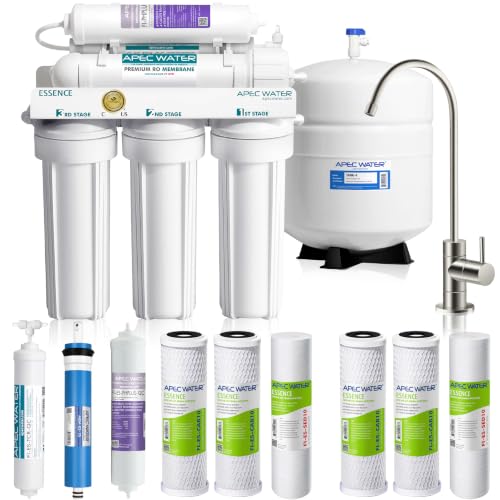
- Supreme quality – designed and engineered with only premium components to ensure high quality…
- This 75 GPD 6-stage system ROES-PH75 is guaranteed to remove up to 99% of impurities such as…
- Premium made filter cartridge uses premium-grade calcium from trusted source for safe, proven water…
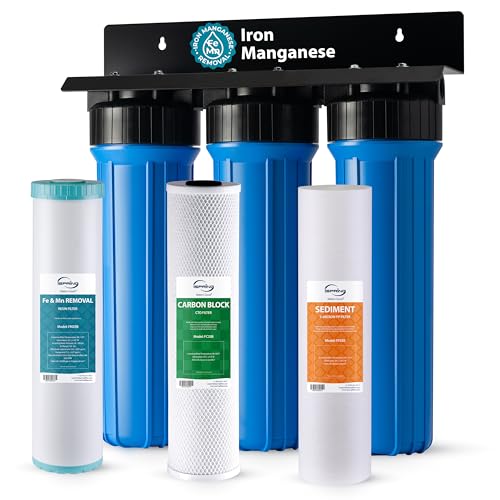
- Whole house water filter that protect your family and household appliance from iron, manganese and…
- DIY installation and maintenance – refer to our manual and our helpful YouTube videos for easy DIY…
- Top-notch quality – the first stage high capacity polypropylene sediment filter achieves filtration…
Last update on 2026-09-09 / Affiliate links / Images from Amazon Product Advertising API