
Should You Vacuum After Carpet Cleaning? Expert Tips Inside
You should wait until your carpet is completely dry, usually between 6 to 24 hours, before vacuuming to avoid fiber damage and mold risk.
Vacuuming too soon can crush fibers, trap moisture, and embed dirt deeper. Once dry, vacuuming lifts loosened debris and preserves your carpet’s appearance.
Use proper settings and techniques for your carpet type to extend its life. Stick around to discover the best vacuuming methods for every cleaning situation.
Key Takeaways
- Vacuum only after the carpet is completely dry to prevent fiber damage and spreading mud-like stains.
- Waiting 6 to 24 hours after cleaning allows dirt and residues to loosen and dry for effective vacuuming.
- Vacuuming post-cleaning removes surface debris and prevents re-soiling, preserving the carpet’s fresh appearance.
- Use adjustable vacuum settings and vacuum in multiple directions for thorough residue and dirt removal.
- Regular vacuuming, especially in high-traffic areas, extends carpet lifespan and maintains cleaning benefits.
When Can You Vacuum Your Carpet After Cleaning?
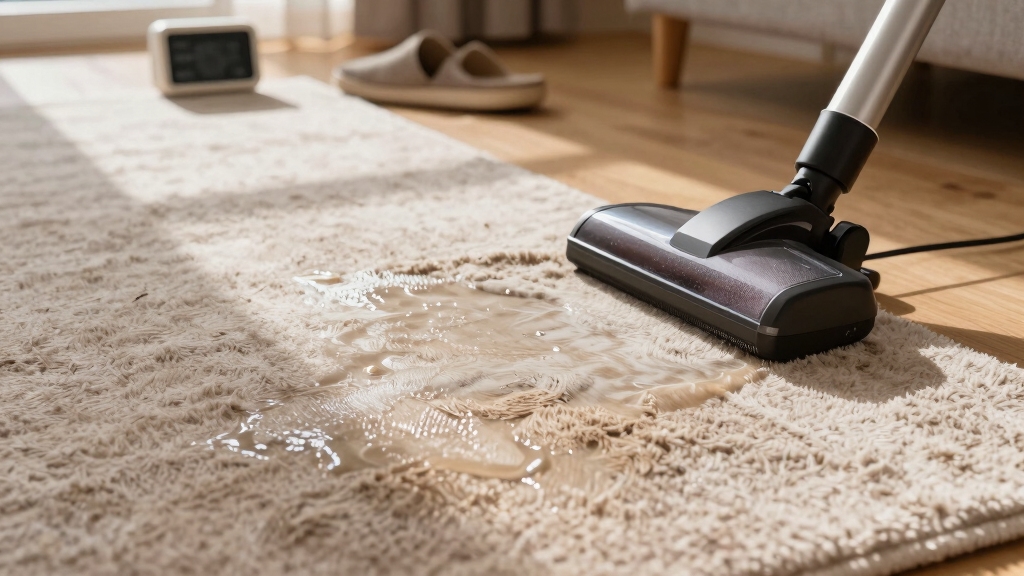
When your carpet has completely dried, typically between 6 to 24 hours after cleaning, you can safely vacuum it to remove loosened dirt and restore the pile’s texture.
Drying time depends on carpet thickness, ventilation, humidity, and cleaning method, with some carpets drying in as little as 4 to 6 hours.
Vacuuming too soon risks damaging fibers and vacuum parts and can spread mud-like stains.
Use a vacuum with adjustable height and soft brush settings to gently lift carpet fibers and eliminate fine dust brought to the surface during cleaning, especially after hot water extraction.
Focus on high-traffic zones initially, then vacuum the entire carpet to reassure uniform texture and prevent re-soiling from airborne dust settling during drying.
Vacuuming after carpet cleaning is recommended as a final step to enhance appearance and cleanliness.
Why Wait for Your Carpet to Dry Before Vacuuming?
It’s really important to let your carpet dry completely before you grab the vacuum. Why, you ask? Well, if you vacuum too soon, you could end up damaging the fibers. Plus, you want to make sure that all those cleaning solutions have had a chance to really set in.
When you vacuum a wet carpet, you might just end up pushing moisture further down into the fibers. That can lead to matting, discoloration, and even cause the carpet to wear out faster than it should. Nobody wants that, right?
Generally, carpets take anywhere from 4 to 18 hours to dry fully after shampooing, so it’s best to wait until this time has passed. The drying time can vary based on factors like cleaning method and environmental conditions.
Taking the time to let your carpet dry properly also helps avoid redistributing any soil and residue. This way, you’ll get the best cleaning results possible. So, next time you clean your carpet, just be patient and wait for it to dry before vacuuming.
Prevent Vacuum Damage
Although vacuuming might seem like the next logical step after cleaning, you shouldn’t tackle your carpet until it’s completely dry.
Vacuuming damp carpet risks damaging fibers and your vacuum cleaner itself. Wet fibers crush easily, causing irreversible matting and uneven marks that shorten your carpet’s life.
Moisture also harms vacuum components, leading to clogs, motor overheating, and electrical hazards.
Vacuuming wet debris can also introduce dirt deeper into the carpet fibers, making stains and spots harder to remove later. Additionally, vacuuming too soon can trap residual moisture, increasing the risk of mold growth within carpet fibers.
To prevent damage, follow these key points:
- Wait for full dryness to avoid fiber distortion and permanent crushing.
- Protect your vacuum by avoiding wet debris that can clog filters and damage motors.
- Reduce health risks by preventing mold growth fostered by moisture trapped during vacuuming.
Patience safeguards both your carpet’s appearance and your vacuum’s functionality.
Ensure Optimal Cleaning
Consistently waiting for your carpet to dry completely before vacuuming guarantees peak cleaning results and protects your investment.
Vacuuming damp carpet risks pushing dirt deeper, reducing cleaning effectiveness and potentially causing residues to clump, creating a crunchy texture.
Once dry, vacuuming efficiently lifts encapsulated dirt and cleaning residues, preventing new dirt attraction and maintaining surface freshness. Using cleaners with enzymatic formulas can enhance this process by breaking down residues at a molecular level.
It also facilitates moisture extraction, speeding drying and preventing mold growth. Vacuuming in different directions can help lift carpet fibers and loosen trapped debris for more effective cleaning.
To make certain peak cleaning, use a high-quality vacuum with strong suction and appropriate brush settings. Make slow, deliberate passes for thorough residue removal.
Following these steps preserves your carpet’s appearance, delays dirt accumulation, and extends its lifespan. Trust the drying process; only vacuum when fully dry to achieve the best, longest-lasting results from your carpet cleaning.
What Happens If You Don’t Vacuum After Carpet Cleaning?
When vacuuming is skipped after carpet cleaning, debris and allergens remain trapped deep within the fibers. This compromises air quality and poses health risks.
Neglecting this step also accelerates carpet soiling and can lead to mold growth from retained moisture. Proper rinsing and quick drying are essential to prevent mold growth and residue buildup.
To understand the consequences, consider these points:
- Health and Cleanliness: Embedded allergens and dirt lower indoor air quality and increase respiratory issues.
- Appearance and Resoiling: Surfactant residues attract new dirt quickly, causing the carpet to look dirty again prematurely. Using too much cleanser leaves behind sticky surfactant residue that acts as a magnet for dirt.
- Structural Damage: Moisture trapped in fibers fosters mold, damages padding, and weakens carpet backing, shortening carpet lifespan.
Skipping vacuuming after cleaning undermines your investment. This leads to faster deterioration and higher replacement costs. Always vacuum promptly to maintain cleanliness, health, and carpet integrity.
How to Vacuum Your Carpet After Different Cleaning Methods?
Skipping vacuuming after carpet cleaning can cause lasting problems, but knowing how and when to vacuum based on the cleaning method can protect your investment and improve results.
After steam cleaning, wait until your carpet is completely dry, usually 24 hours, before vacuuming to avoid moisture damage and ensure effective debris removal. Drying time can vary depending on room humidity and carpet thickness, so always check the carpet’s dryness before vacuuming. Using a vacuum with strong suction power helps speed up the removal of loosened dirt and allergens.
For dry cleaning, vacuum once dry, generally within a day, to lift encapsulated dirt. With very-low moisture cleaning, wait 48 hours for the encapsulation process to set fully.
Dry steam cleaning requires initial HEPA vacuuming, then a 30- to 60-minute wait before vacuuming again. Always use a high-quality vacuum with adjustable suction suited to your carpet type.
Follow specific drying and vacuuming guidelines from your cleaning service for optimal care.
Best Vacuuming Techniques for Carpet Care and Longevity

To keep your carpet looking great, it’s important to adjust your vacuum’s height setting just right. You want it low enough to pick up dirt but not so low that it damages the fibers. It’s all about finding that sweet spot! Using a vacuum with self-adjusting height settings can make this process easier and more effective.
Also, don’t forget to pay extra attention to those high-traffic areas. You might want to make a few slow passes there to really get rid of any embedded debris. Vacuuming high-traffic areas 2–3 times per week helps prevent buildup and allergens. Trust me, your carpet will thank you for it!
And here’s a little tip: keeping your vacuum in good shape is crucial. Make sure to regularly empty those bags or canisters and clean the filters. This will help maintain strong suction and ensure your vacuum performs consistently. It’s a small effort that goes a long way!
Vacuum Settings And Adjustments
Although vacuuming might seem straightforward, adjusting your vacuum settings precisely to your carpet type is essential for ideal cleaning and fiber preservation.
Incorrect height or suction can damage fibers and reduce cleaning efficiency, shortening your carpet’s lifespan. Selecting a vacuum with adjustable suction and brush settings designed for various carpet types can greatly enhance cleaning results.
Focus on these key adjustments:
- Vacuum Height: Set low for low-pile, medium for Berber to avoid snagging, and high for shag to protect long fibers.
- Suction Power: Use high suction for dry-cleaned carpets, medium for Berber, and low for shag to prevent fiber pull. Using a vacuum with efficient suction power helps prevent dust scattering and maintains carpet cleanliness.
- Brush Settings: Minimize brush agitation on low-pile, use delicate brushes for Berber loops, and slow brush speed for shag to maintain texture. It is especially important to avoid vacuuming wet carpet fibers as this can interfere with drying and damage both carpet and vacuum.
Fine-tuning these settings ensures deep cleaning while preserving your carpet’s integrity.
Targeting High-Traffic Areas
Fine-tuning your vacuum settings lays the groundwork for effective cleaning. Using vacuum tools with EPA Safer Choice certified filters can enhance indoor air quality while maintaining safety for your family and pets.
Focusing on high-traffic areas will truly preserve your carpet’s condition and longevity.
Vacuum these zones twice weekly to remove abrasive particles and allergens that accelerate fiber wear.
Make certain carpets are fully dry; wait 24 hours post-cleaning to prevent mold and residue embedding.
Use strong suction and vacuum in opposing directions to lift deep-set debris and maintain fiber resilience.
Consistent targeting prevents fiber loss and extends your carpet’s lifespan. Pre-vacuuming is essential because it removes surface debris that can block cleaning agents from penetrating carpet fibers effectively.
| Frequency | Technique | Benefit |
|---|---|---|
| Twice weekly | Vacuum opposing directions | Removes embedded debris |
| Weekly | Multiple passes | Prevents abrasive fiber damage |
| Post-cleaning (24h) | Wait before vacuuming | Avoids mold, ensures dryness |
| Ongoing | Strong suction | Extracts encapsulated dirt |
| Regular | Target high-traffic zones | Extends carpet life, improves air quality |
Maintaining Vacuum Equipment
Regularly maintaining your vacuum equipment is essential for preserving carpet integrity and maximizing cleaning effectiveness. Neglecting upkeep can reduce suction, damage fibers, and shorten your vacuum’s lifespan. Choosing vacuums with HEPA filtration systems can also improve indoor air quality by trapping fine dust and allergens during cleaning.
To keep your tool in peak condition, focus on these key maintenance tasks:
- Clean brushes and filters regularly: Remove hair and debris monthly; replace or wash filters every 3-6 months to maintain airflow and suction.
- Empty dust containers or replace bags weekly: Prevent clogging and loss of suction by keeping collection areas clear.
- Inspect hoses and attachments quarterly: Check for blockages or damage that can impair performance and cause uneven cleaning. Using overlapping strokes in a crisscross pattern during vacuuming also helps ensure comprehensive dirt removal.
Consistent maintenance guarantees your vacuum works efficiently, helping you follow ideal vacuuming techniques that extend your carpet’s life and maintain its appearance.
How Regular Vacuuming Keeps Your Carpet Fresh Longer?
Vacuuming consistently after carpet cleaning removes the loosened dirt and debris that surface as the carpet dries. This prevents these particles from settling back in. Many spot carpet shampooers feature strong suction to enhance dirt removal during cleaning.
By extracting residual dirt, dust, and cleaning agents, you preserve the carpet’s fresh appearance and prevent re-soiling, especially in high-traffic areas. Regular vacuuming also lifts flattened fibers, restoring the carpet’s soft, uniform texture and avoiding a rough or crunchy residue buildup.
This ongoing upkeep minimizes soil buildup, extends the lifespan of your carpet fibers, and sustains the effectiveness of professional cleaning. Additionally, it improves indoor air quality by limiting airborne dust and allergens released during carpet use. Daily vacuuming in high-traffic areas is recommended to maintain these benefits and maximize carpet sustainability.
Frequently Asked Questions
Can Vacuuming Remove All Types of Carpet Stains?
No, vacuuming can’t remove all carpet stains. It only lifts loose dirt and surface debris, but stains embedded deep in fibers won’t budge.
Fresh spills need specific cleaning solutions, not just suction. Biological stains like mold demand specialized treatments, as vacuums can spread spores instead of removing them.
For tough or ingrained stains, you’ll need targeted stain removers or professional cleaning to truly restore your carpet’s appearance.
Are Certain Vacuum Cleaners Better for Specific Carpet Fibers?
Think of your carpet like a garden. Each fiber type is a different plant needing the right tool to thrive.
Yes, certain vacuums excel on specific fibers: the SEBO Airbelt D4 tackles pet hair on low-pile like a gardener pruning delicately.
The Miele Complete C3 powerhead digs deep into thick, high-pile carpets.
Matching your vacuum to your carpet guarantees thorough cleaning and extends its life.
How Often Should Professional Carpet Cleaning Be Scheduled?
You should schedule professional carpet cleaning every 12 to 18 months for average use.
If you have pets, children, or heavy foot traffic, aim for every 3 to 6 months to maintain cleanliness and extend your carpet’s life.
Allergy sufferers might need it even more frequently, around every 2 to 3 months.
Adjust based on your carpet’s condition, traffic levels, and any visible stains or odors to keep your carpet fresh and healthy.
Can Vacuuming Cause Damage to Delicate or Antique Carpets?
Yes, vacuuming can damage delicate or antique carpets if you’re not careful.
Avoid beater bars and rotating brushes, which pull and break fibers, especially in silk or hand-knotted wool.
Use low suction and disable brush rolls, vacuuming gently along the fiber direction.
Skip worn areas and fringe edges to prevent snapping.
Instead, opt for suction-only vacuums and consider professional cleaning to protect your valuable rugs from irreversible harm.
Maximize Carpet Life by Vacuuming After Cleaning
To keep your carpet looking its best, remember: “Patience is a virtue.” Always wait until your carpet is completely dry before vacuuming to avoid damage and make certain effective dirt removal.
Different cleaning methods require tailored vacuuming approaches, so stay informed and use proper techniques. By vacuuming regularly and correctly, you’ll extend your carpet’s life and maintain its freshness. Taking these steps means you’re investing wisely in your home’s comfort and cleanliness.