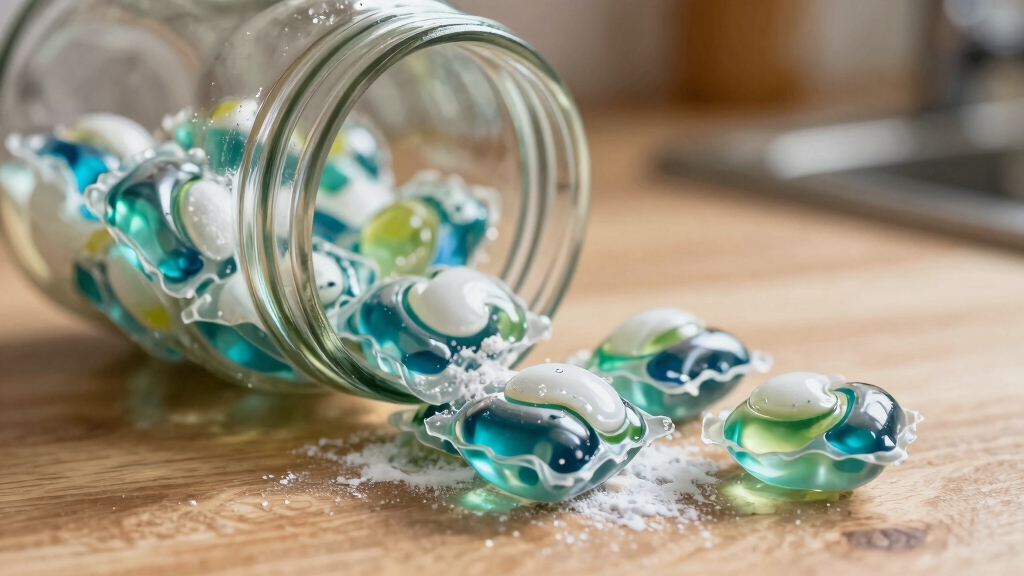
Do Dishwasher Pods Go Bad: Shelf Life, Storage & Signs
Yes, dishwasher pods do go bad over time. Their cleaning agents and enzymes break down, reducing effectiveness and causing poor dissolution or residue on dishes.
Exposure to moisture, heat, and air speeds this degradation. While some brands last up to two years if stored properly, most lose potency within 12 to 15 months.
Using expired pods risks weaker cleaning and potential mold growth inside your dishwasher. Understanding proper storage and signs of expiration can help maintain performance and safety.
Key Takeaways
- Dishwasher pods have a typical shelf life of 12 to 15 months, with some brands lasting up to 2 years if sealed and stored properly.
- Exposure to moisture, air, and heat degrades pods’ PVA coating and enzymes, reducing cleaning effectiveness and causing residue buildup.
- Expired pods may not dissolve fully, leaving powdery residue and failing to remove stains or sanitize dishes effectively.
- Signs of bad pods include discoloration, damaged packaging, reduced cleaning power, and musty odors indicating mold or enzyme breakdown.
- Using expired or improperly stored pods risks poor wash results, residue on dishes, and potential mold growth inside the dishwasher.
How Long Dishwasher Pods Typically Last?
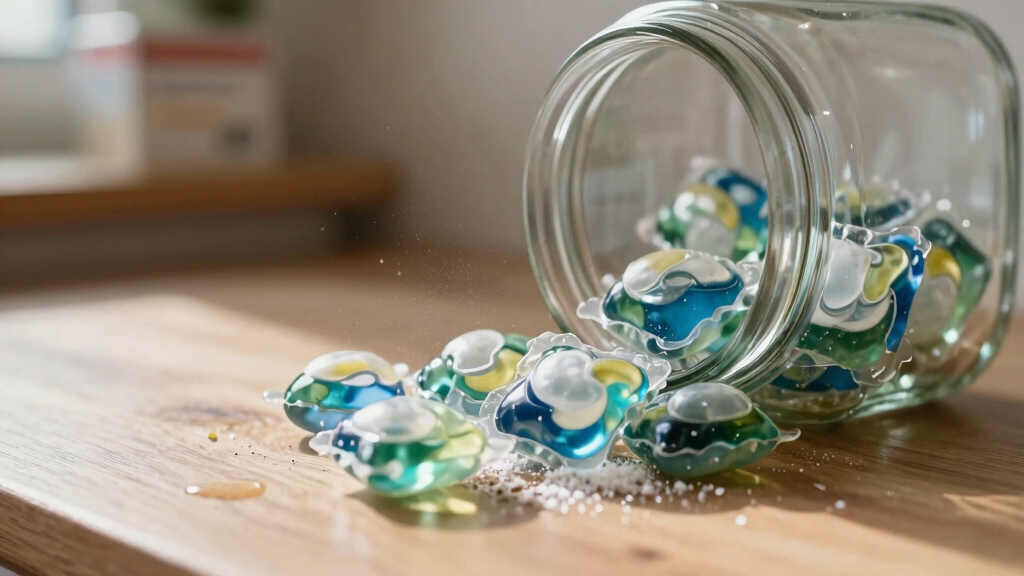
Although dishwasher pods contain powerful cleaning agents, their effectiveness diminishes over time, typically lasting between 12 to 15 months under proper storage conditions.
Most brands guarantee peak performance within this timeframe, though some extend shelf life up to 2 years if stored correctly.
Tablets generally retain cleaning power for 6 to 15 months, with specific products like Blueland and Dropps offering up to 2 years in sealed packaging.
As pods age, their dissolvable coatings degrade and active ingredients break down, reducing cleaning efficiency.
You should avoid using pods beyond their recommended shelf life to prevent residue buildup or incomplete dissolution.
Always check expiration dates and plan usage to make certain you get full detergent benefits without risking diminished performance or dishwasher issues.
Proper storage in a cool, dry place helps preserve the biodegradable formulation and maintain cleaning efficacy.
How Storage Conditions Affect Dishwasher Pod Shelf Life?
Understanding the typical lifespan of dishwasher pods is only part of maintaining their effectiveness.
Knowing dishwasher pods’ lifespan is essential for ensuring they clean effectively every time.
How you store them markedly influences their shelf life and cleaning power. Pods exposed to humidity or air degrade faster as moisture breaks down the water-soluble PVA coating, causing premature disintegration and reduced detergent potency.
You should store pods in a cool, dry place, away from direct sunlight and UV light, which can accelerate chemical breakdown.
Keeping pods in airtight containers with desiccants limits air and moisture exposure, preserving enzyme activity and preventing oxidation.
Always make sure packaging remains tightly sealed to avoid environmental damage.
Proper storage can extend pods’ usability from the average 12-15 months up to two years, depending on the brand, maintaining peak cleaning performance throughout their shelf life.
Using pods formulated with enzyme-based formulas designed for soft water can also help maintain cleaning effectiveness even as they age.
What Happens When Dishwasher Pods Expire?
When dishwasher pods expire, their chemical components begin to degrade, leading to diminished cleaning effectiveness.
The dissolvable PVA coating deteriorates, allowing detergent exposure to oxygen, which accelerates the breakdown of active cleaning agents.
As a result, the pod may not dissolve properly, leaving residue on dishes or inside the dishwasher.
Enzymes lose potency over time, reducing stain removal and disinfecting power.
Additionally, oxidation processes further reduce capsule efficiency.
Using expired pods can cause buildup, potentially fostering mold growth within your dishwasher’s interior.
While some pods maintain partial effectiveness past their shelf life, relying on expired ones compromises cleaning performance and hygiene.
Proper storage can slow degradation, but once expired, you should expect decreased detergent action and increased residue formation during your wash cycles.
Improper use of detergents or buildup from expired pods can lead to residue and mold issues inside the appliance, affecting its performance and safety.
Signs Your Dishwasher Pods Have Gone Bad
Recognizing signs that your dishwasher pods have gone bad helps maintain cleaning efficiency and prevents residue buildup.
Identifying spoiled dishwasher pods ensures optimal cleaning and avoids unwanted residue on your dishes.
If you notice reduced cleaning power or spots and film on dishes, your pods may be degraded. Pods that fail to dissolve properly, leaving behind gunky or powdery residue inside the dishwasher, indicate deterioration of the dissolvable coating.
You might also observe a weaker scent or diminished lather, signaling enzyme breakdown and oxidation of active agents. In some cases, mold or mildew growth inside the dishwasher suggests pods have absorbed moisture or lost effectiveness.
These signs reflect the breakdown of PVA coatings and detergent components, common in expired or improperly stored pods. To guarantee peak performance, regularly inspect pods for these issues before use.
Using pods with built-in water softeners can help prevent residue buildup and improve cleaning results even if pods are aging.
Can You Use Expired Dishwasher Pods Safely?
Sure, you can use expired dishwasher pods, but here’s the deal: their cleaning power tends to take a hit over time.
That’s mainly because the active agents break down and the coating might degrade. So, if you decide to use those old pods, you might end up with some residue left on your dishes or even encourage mold growth, which isn’t great for your health or safety.
To keep your dishwasher pods in the best shape possible, make sure to store them properly. Good storage conditions can really help slow down their deterioration and keep them performing well even after the expiration date. So, just be mindful if you choose to use them!
Also, avoid mixing cleaning agents like bleach with other substances, as hazardous reactions can reduce effectiveness and pose safety risks due to toxic gas release.
Effectiveness After Expiration
Expired dishwasher pods often lose their cleaning potency due to the breakdown of their dissolvable coatings and active agents.
As the PVA coating deteriorates, detergent exposure to oxygen accelerates degradation. This reduces enzymatic activity and oxidation resistance.
This degradation impairs the pod’s ability to dissolve properly, leading to residue buildup on dishes and inside the dishwasher.
While some brands maintain effectiveness up to two years with optimal storage, most pods show significant performance decline after 12 to 15 months.
Using expired pods may result in incomplete cleaning and lower disinfecting power.
To make certain peak results, use pods within their recommended shelf life and store them in a cool, dry place with airtight sealing.
This preserves coating integrity and active ingredients, maintaining cleaning efficiency.
Choosing products with biodegradable ingredients can also enhance environmental safety when disposing of expired pods.
Health And Safety Risks
Although using dishwasher pods past their shelf life might seem harmless, it can pose health and safety concerns due to reduced detergent efficacy and potential microbial growth.
Expired pods may fail to clean properly, leaving residue and promoting mold inside your dishwasher. This residue can harbor bacteria, which risks contaminating your dishes and utensils.
Moreover, deteriorated pod coatings can expose chemicals to air, reducing cleaning power and increasing the likelihood of improper dissolution.
Improper cleaning agents can also cause damage to surfaces over time, similar to how harsh chemicals degrade protective sealants on natural stone surfaces.
| Risk Type | Description |
|---|---|
| Reduced Cleaning Power | Leads to leftover food and soap residues |
| Microbial Growth | Mold and bacteria can develop in moist areas |
| Chemical Exposure | Oxidized pods lose effectiveness |
| Health Hazard | Contaminated dishes may cause illness |
Avoid using expired pods to maintain hygiene and safety standards.
Proper Storage Importance
Maintaining the effectiveness and safety of dishwasher pods largely depends on how you store them.
To preserve their cleaning power, keep pods in a cool, dry place, away from humidity and direct sunlight.
Use airtight containers to prevent moisture and air exposure, which degrade the PVA coating and active agents.
Including desiccants in storage containers helps absorb residual moisture, extending shelf life.
Always keep the original packaging securely closed when not in use.
Proper storage can extend pod effectiveness up to two years for some brands.
Using expired pods stored improperly risks poor dissolution, residue buildup, and potential mold growth inside your dishwasher.
Additionally, avoiding excessive heat during storage is crucial since high temperatures can accelerate the degradation of pod ingredients.
Top Brands With Longest-Lasting Dishwasher Pods
When you want dishwasher pods that stay effective the longest, certain brands stand out for their extended shelf life and consistent performance.
Brands like Blueland and Dropps offer pods that maintain potency for up to 2 years unopened, thanks to advanced packaging and stable formulations.
Finish tablets also perform well, lasting 6 to 15 months, with potential extension to 2 years under ideal storage.
UFine pods provide a reliable lifespan of 12 to 15 months.
Choosing these brands guarantees cleaning efficiency over time and reduces the risk of residue or degraded enzymes.
Using products with eco-friendly packaging further helps maintain pod effectiveness while supporting sustainability.
| Brand | Shelf Life |
|---|---|
| Blueland | Up to 2 years |
| Dropps | Up to 2 years |
| Finish | 6–15 months |
| UFine | 12–15 months |
Best Ways to Store Dishwasher Pods
To keep your dishwasher pods effective for their full shelf life, you should store them in a cool, dry place away from humidity and direct sunlight. Exposure to moisture and UV light accelerates the degradation of the dissolvable PVA coating and active cleaning agents, reducing their cleaning power.
Use airtight containers to block air and moisture, and make sure the original packaging remains securely closed. Including desiccant packets inside storage containers further absorbs residual moisture.
Avoid storing pods near heat sources or in damp areas like under sinks. Proper storage maintains enzyme activity and prevents oxidation, making certain pods dissolve fully without leaving residue.
Following these guidelines helps preserve the pods’ efficacy up to their maximum shelf life, typically 12 to 15 months, with some brands lasting up to two years. For best results, store products properly to maintain their effectiveness and prevent premature degradation.
Why Avoid Buying Dishwasher Pods in Bulk?
Hey there! So, let’s talk about why it’s not the best idea to buy dishwasher pods in bulk. First off, these little cleaning powerhouses usually have a shelf life of about 12 to 15 months. And sure, some brands claim they can last up to 2 years if stored perfectly, but that’s not always the reality.
Now, if you decide to stock up on a ton of pods, there’s a pretty good chance they’ll get exposed to humidity, air, and light. And guess what? Those factors can really mess with the cleaning agents and coatings in the pods.
When that happens, you might find that they don’t perform as well as you’d hoped. Plus, nobody wants to deal with residue buildup or even worse—mold growth in their dishwasher! Yikes!
Shelf Life Limitations
Since dishwasher pods have a limited shelf life, typically ranging from 12 to 15 months and extending up to 2 years under ideal storage conditions, buying in bulk can lead to reduced cleaning effectiveness over time.
The dissolvable PVA coating degrades, exposing detergent to oxygen, which breaks down active cleaning agents. As a result, older pods may fail to dissolve properly, leaving residue or reducing disinfecting power.
Enzyme levels also decline, diminishing stain removal. Some brands, like Blueland and Dropps, maintain potency up to 2 years unopened, but general capsules often lose efficacy after about a year.
To guarantee peak cleaning performance, avoid purchasing quantities you won’t use within the recommended shelf life. Using expired pods risks buildup, poor wash cycles, and potential mold growth inside your dishwasher.
Storage Challenges
Although dishwasher pods offer convenience, storing them in bulk creates significant challenges that can compromise their effectiveness. You risk exposure to humidity, air, and temperature fluctuations, all of which degrade the dissolvable coatings and active agents. This leads to reduced cleaning power and residue buildup.
To manage storage risks, consider these factors:
| Storage Factor | Impact on Pods | Mitigation Strategy |
|---|---|---|
| Humidity | Coating degradation, mold | Airtight containers, desiccants |
| Air Exposure | Oxidation of agents | Seal packaging tightly |
| Temperature Fluctuations | Reduced shelf life | Store in cool, stable area |
| Light Exposure | UV damage to coatings | Keep away from sunlight |
Avoid buying pods in bulk unless you can store them properly and use them within their shelf life.
How to Choose Fresh Dishwasher Pods?
When selecting dishwasher pods, prioritize freshness by checking the expiration date and packaging integrity.
Choose pods with intact, sealed packaging to prevent exposure to moisture and air, which degrade the dissolvable coating and active agents.
Select dishwasher pods with sealed packaging to avoid moisture and air damage to coatings and active ingredients
Prefer brands known for extended shelf life, like Blueland or Dropps, which maintain effectiveness up to two years if unopened.
Avoid bulk purchases unless you can use them within 12 to 15 months, as enzyme activity and cleaning power diminish over time.
Inspect pods for any discoloration or damage, which indicate degradation.
Store your pods in a cool, dry place away from sunlight and humidity to preserve freshness.
Following these guidelines guarantees peak cleaning performance and prevents residue or mold growth associated with expired products.
Frequently Asked Questions
Are Dishwasher Pods Environmentally Friendly Compared to Liquid Detergents?
Yes, dishwasher pods generally have a smaller environmental footprint than liquid detergents.
You’ll find pods use less water during production and packaging.
Their concentrated formulas reduce overall chemical waste.
Many brands design pods with biodegradable or recyclable materials, minimizing landfill impact.
However, you should consider specific brand practices, as some liquids use eco-friendly ingredients too.
Proper disposal and choosing reputable eco-certified pods maximize environmental benefits.
Can Dishwasher Pods Cause Damage to Certain Dishwasher Models?
Yes, dishwasher pods can cause damage to certain dishwasher models if they aren’t compatible.
Some pods contain enzymes or abrasive ingredients that may degrade rubber seals or coatings in specific machines.
Overuse or improper placement can clog dispensers and filters, leading to malfunctions.
Always check your dishwasher’s manual for recommended detergent types, avoid using pods not designed for your model, and follow dosage instructions to prevent potential damage.
Do Dishwasher Pods Contain Allergens or Irritants?
Better safe than sorry applies here: dishwasher pods often contain allergens or irritants like fragrances, enzymes, and phosphates.
If you have sensitive skin or allergies, you might experience irritation or respiratory issues.
Check ingredient labels for known allergens and opt for fragrance-free or hypoallergenic pods when possible.
Using gloves while handling pods can reduce direct exposure.
Always store pods securely to prevent accidental contact, especially around children and pets.
How Do Dishwasher Pods Compare to Powder Detergents in Performance?
You’ll find dishwasher pods offer consistent dosing and ease of use compared to powder detergents, which require manual measuring.
Pods typically contain enzymes and surfactants optimized for cleaning power, often outperforming powders in stain removal and residue prevention.
However, powders can be more cost-effective and adjustable for water hardness.
Pods may degrade faster if stored improperly, slightly reducing effectiveness, while powders generally have a longer shelf life under ideal conditions.
Can Dishwasher Pods Be Safely Used in Septic Tank Systems?
Yes, you can safely use dishwasher pods in septic tank systems if you choose ones labeled septic-safe.
These pods dissolve fully and contain biodegradable ingredients that won’t disrupt bacterial activity essential for waste breakdown.
Avoid pods with harsh chemicals or high phosphate levels, as they can harm your septic system.
Always follow manufacturer instructions and use pods within their shelf life to maintain effectiveness and protect your septic environment.
The Secret to Powerful Dishwashing: Use Fresh Pods
Think of dishwasher pods like batteries. They lose power over time. Just like a flashlight with old batteries flickers, your dishwasher’s cleaning performance weakens with expired pods.
Studies show most pods stay effective for about a year if stored properly. To keep your dishes spotless, store pods in a cool, dry place and avoid bulk buys that sit unused. Choosing fresh pods guarantees your dishwasher works at peak efficiency every time.