Best Way to Dust Wood Furniture: Expert Cleaning Tips
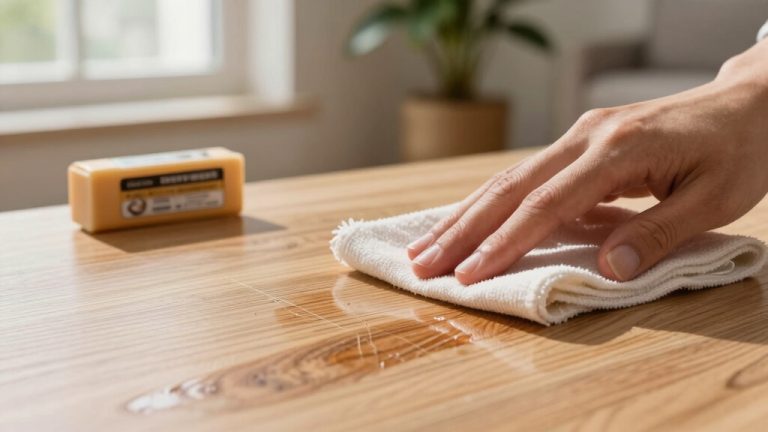
To dust wood furniture effectively, use a soft, lint-free microfiber cloth that traps dust without scratching. Always dust along the wood grain with gentle pressure to protect the finish.
Start from the top, working downward to prevent resettling. For detailed areas, use a vacuum with a soft brush attachment or a handheld microfiber tool.
Avoid soaking cloths or harsh cleaners, and dust regularly to maintain natural shine. Keep going to uncover expert tips on cleaning and preservation.
Key Takeaways
- Use soft, non-abrasive microfiber cloths to trap dust without scratching or damaging wood finishes.
- Dust from top to bottom following the wood grain with light pressure to avoid micro-scratches.
- Vacuum carved details and crevices with a soft brush attachment before wiping to remove loose debris.
- Shake or replace cloths frequently during dusting to prevent re-depositing dust onto wood surfaces.
- Perform weekly dusting and use damp cleaning sparingly, drying immediately to avoid moisture damage.
Essential Tools To Dust Wood Furniture Effectively

Start by gathering the right tools to dust your wood furniture efficiently and safely.
First, grab soft microfiber cloths; they trap dust without scratching.
Soft microfiber cloths effectively capture dust while protecting your wood furniture from scratches.
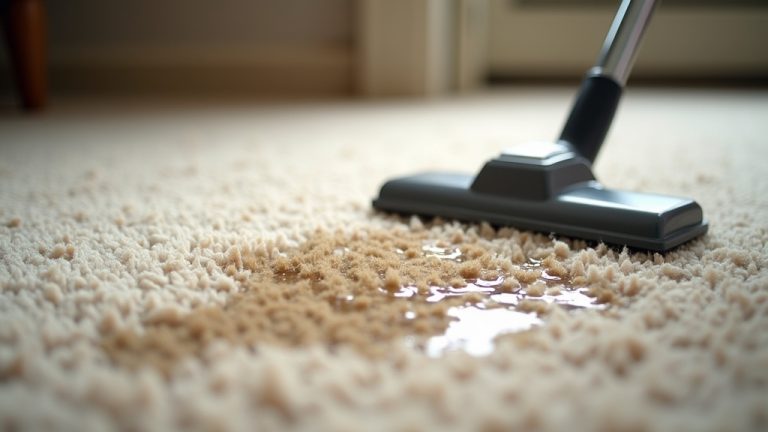
Use a vacuum fitted with a soft brush attachment to reach intricate carved details that cloths can miss.
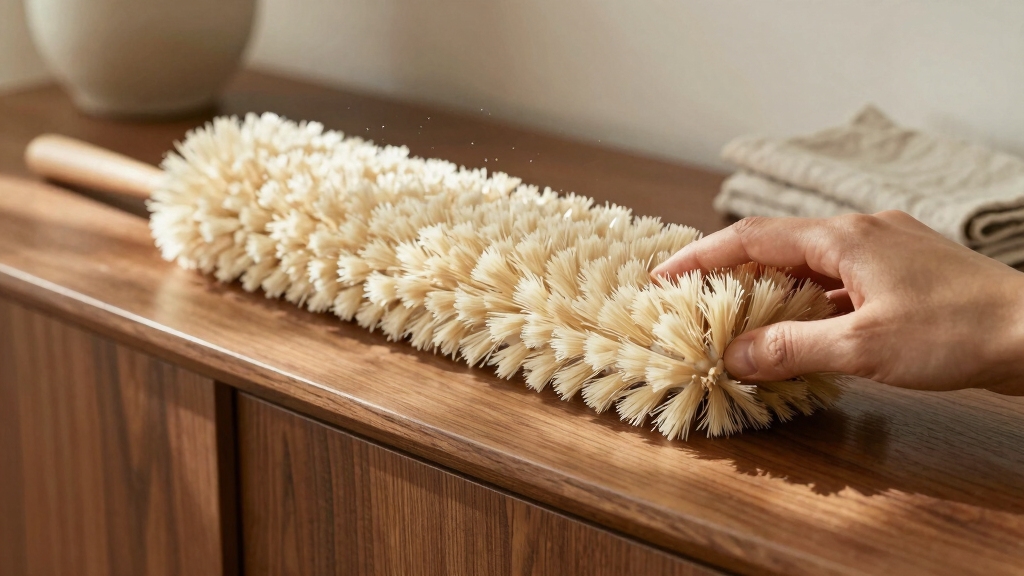
A handheld microfiber dusting tool works well for broad, exposed surfaces, ensuring consistent coverage.
An electrostatic duster is ideal for lifting fine particles through static charge, reducing airborne dust.
Keep a feather duster handy as an alternative for light, quick dusting.
When selecting tools, prioritize those that minimize friction and avoid abrasive contact with the wood finish.
Having these essentials ready allows you to tackle dust thoroughly, maintaining your furniture’s appearance and longevity with precision and care.
For best results, always use non-abrasive cleaning methods to protect the wood’s finish during dusting.
Preparing Wood Furniture For Dusting
Before you dive into dusting, it’s a good idea to clear off all the items from your furniture surfaces. This way, you can really get into every nook and cranny.
Once that’s done, take a moment to remove any loose debris—think crumbs or pet hair. A gentle sweep or a quick vacuum with a soft brush attachment works wonders here.
Doing this prep work ensures that your dusting tools can do their job efficiently, without just pushing dirt around or risking any scratches. Plus, it makes the whole process a lot smoother!
For the best results, consider using soft cloths to prevent damage and maintain the wood’s natural beauty.
Clear Surfaces First
Although it may seem straightforward, clearing surfaces thoroughly is essential to dusting wood furniture effectively.
Before you begin, remove all items such as lamps, picture frames, and decorative pieces to expose every inch of the surface.
This step guarantees you won’t miss hidden dust pockets or transfer dust onto objects during cleaning.
Pay special attention to corners and edges where dust tends to accumulate.
Clearing surfaces also helps prevent knocking items over, which could damage both the furniture and its contents.
Once the area is clear, you can dust more efficiently and evenly, working without obstruction.
Taking this preparatory step sets the foundation for a thorough, gentle dusting process that preserves the wood’s finish and appearance.
Using a soft brush attachment on your vacuum can help remove dust from crevices and delicate wood surfaces before dusting.
Remove Loose Debris
Brush off any loose debris from the wood surface to make sure dusting is effective and prevents scratching.
Start by gently using a soft microfiber cloth or a handheld microfiber dusting tool to remove particles like pet hair, crumbs, or dried dirt.
For intricate carvings or grooves, use a vacuum with a soft brush attachment to reach debris without damaging the finish.
Avoid pressing hard; light pressure suffices to lift and trap loose material.
Shake out or replace your cloth frequently to prevent re-depositing dust.
Removing loose debris first guarantees your subsequent dusting won’t grind particles into the wood, preserving its finish and integrity.
This preparatory step is essential for maintaining a smooth, scratch-free surface before you proceed with thorough dusting.
To further protect your wood furniture, consider applying a protective finish that can help resist scratches and environmental damage.
How To Dust Wood Surfaces Best?
To dust wood surfaces effectively, you’ll want to make sure you have the right tools on hand. Soft microfiber cloths are a must, and if you have carved details, using a vacuum with a soft brush attachment can really help.
When you’re ready to get started, remember to work from top to bottom. This way, you won’t accidentally dust down onto areas you’ve already cleaned. Also, follow the wood grain with light pressure to avoid any scratches—nobody wants that!
A little tip: shake out your cloths frequently and consider using separate ones for different areas. This way, you won’t just be moving dust around, and everything will stay nice and clean!
For maintaining the finish on wood surfaces, it’s best to use a pH-neutral cleaner to prevent damage and preserve the natural shine.
Proper Dusting Tools
Choose your dusting tools carefully to protect wood furniture and enhance cleaning efficiency. Using the right tools prevents scratches and guarantees thorough dust removal. Here are four essential tools you should rely on:
- Soft microfiber cloths. These trap dust effectively without harming delicate finishes.
- Vacuum with a soft brush attachment. Perfect for reaching carved details and crevices safely.
- Handheld microfiber dusting tool. Covers exposed surfaces quickly, ideal for regular maintenance.
- Electrostatic duster. Uses static electricity to attract and hold dust particles, reducing airborne dust.
Avoid abrasive materials that can damage wood. Feather dusters can be used for light dusting but don’t replace microfiber tools for deep cleaning. Selecting these tools thoughtfully helps maintain your furniture’s beauty and longevity. It is also important to use lint-free microfiber cloths to avoid moisture damage when wiping wood surfaces.
Effective Dusting Techniques
Regularly dusting your wood furniture from top to bottom makes certain that dust doesn’t resettle on cleaned areas, preserving a pristine finish.
Begin by removing all items from surfaces. Then use a soft microfiber cloth or electrostatic duster to trap dust effectively.
Work gently along the wood grain with light pressure to avoid scratches. Frequently lift and shake your cloth to prevent grinding particles into the wood.
Use separate cloths for different sections to avoid cross-contamination. Don’t forget to dust undersides, sides, and fronts thoroughly.
For carved details, a vacuum with a soft brush attachment or a handheld microfiber tool works best.
Consistent, careful technique guarantees long-lasting beauty and protects your wood’s finish while maintaining a dust-free environment.
Using eco-friendly, non-toxic cleaners occasionally can further protect your wood surfaces and promote a safe indoor environment.
How Often To Dust Wood Furniture?
Dusting your wood furniture weekly prevents abrasive dust buildup that can dull finishes and cause scratches.
Sticking to a regular schedule keeps your pieces looking pristine and extends their lifespan. Here’s how often you should dust for prime care:
- Weekly dusting: Use a soft microfiber cloth to remove surface dust and prevent grit accumulation.
- Daily light dusting: In high-traffic or dusty environments, a quick daily wipe helps maintain cleanliness.
- After rearranging: Dust surfaces thoroughly to remove particles disturbed by moving items.
- Seasonal deep dusting: Every few months, vacuum with a soft brush attachment to reach carvings and undersides.
To maintain the finish and prevent damage, consider using neutral pH cleaners specifically designed for wood surfaces during your dusting routine.
When And How To Use Damp Cleaning On Wood Furniture?
Although dry dusting removes most particles, you’ll need to use damp cleaning when stubborn dust or greasy spots cling to your wood furniture.
Start by wringing out a microfiber cloth until it’s just slightly damp. Avoid soaking it to prevent moisture damage.
For greasy areas, add a drop of mild dish soap to the cloth. Gently wipe along the wood grain to lift residues without scratching.
Follow with a second cloth dampened with plain water to remove any soap residue.
Immediately dry the surface with a clean, dry microfiber cloth to prevent water from seeping into the finish.
Using this controlled damp cleaning method preserves your furniture’s integrity while effectively removing tougher grime that dry dusting alone can’t handle.
For best results, use microfiber cloths designed to facilitate easy, streak-free application and polishing.
How To Polish Wood Furniture After Dusting?
Start by making certain your wood furniture is thoroughly dusted and cleaned before you apply any polish. This creates a smooth, debris-free surface for even application.
Next, test the polish in an inconspicuous area to confirm compatibility and avoid damage. Then, apply a small amount of polish to a soft microfiber cloth. Never apply it directly on the wood to maintain control and prevent buildup.
Finally, work along the wood grain using light, even strokes to enhance the finish without scratching.
Follow these steps for effective polishing:
- Confirm the surface is clean and dry to ensure adherence.
- Test polish discreetly to prevent unforeseen reactions.
- Use a cloth to apply polish sparingly and evenly.
- Buff gently with a dry cloth to achieve a soft sheen.
For best results, use soft microfiber cloths similar to those recommended for gentle wiping of delicate surfaces.
Top Tips To Keep Your Wood Furniture Dust-Free
After polishing your wood furniture to a soft sheen, maintaining its dust-free condition becomes key to preserving that finish.
Dust weekly using a soft microfiber cloth, working top to bottom to avoid resettling dust. Always follow the wood grain direction with light pressure to prevent scratches.
Shake or replace your cloth frequently to avoid grinding dust into the surface. Use a vacuum with a soft brush attachment for carved details and a handheld microfiber tool for exposed areas.
For stubborn dust, lightly dampen your cloth—never soak it—and dry immediately. Daily light dusting helps maintain a healthy home environment.
Finally, consider spraying air with a water and rubbing alcohol mix to reduce static, preventing dust from clinging to your furniture longer.
Mistakes To Avoid When Dusting Wood Furniture
When dusting wood furniture, you must avoid using rough cloths or applying heavy pressure, as these actions can scratch and damage the finish. To maintain your furniture’s integrity, steer clear of these common mistakes:
Avoid rough cloths and heavy pressure when dusting wood to protect its finish and maintain integrity.
- Using a dry cloth exclusively. This may just spread dust without trapping it; opt for soft microfiber instead.
- Dusting against the wood grain. Always follow the grain to prevent micro-scratches.
- Neglecting to shake or replace your cloth frequently. Dust particles can grind into the surface if left trapped in the cloth.
- Overlooking carved or detailed areas. Use a vacuum with a soft brush attachment or a handheld microfiber tool to reach these spots without harm.
Avoiding these errors helps preserve your wood’s finish and prolongs its beauty.
Protecting Wood Furniture During Vacations And Pet Visits
Although you may not be home to monitor your wood furniture during vacations or pet visits, taking proactive steps to protect your pieces is essential.
First, cover surfaces with dust covers or breathable fabric to shield against dust, pet hair, and accidental scratches.
Remove delicate items and store them safely to prevent damage.
Position pet gates or barriers to limit access to prized wood furniture.
Before leaving, apply a light coat of beeswax polish or lemon oil; this nourishes the wood and adds a protective layer.
For longer absences, consider lightly spraying the room with a water and rubbing alcohol mix to reduce static buildup, preventing dust attraction.
These measures guarantee your wood furniture stays clean, intact, and ready for use upon your return, minimizing restoration efforts.
Frequently Asked Questions
Can I Use Household Cleaners on Wood Furniture Without Damage?
You shouldn’t use most household cleaners on wood furniture because they often contain harsh chemicals that can damage the finish or dry out the wood.
Instead, opt for a slightly damp microfiber cloth with a mild dish soap drop for stubborn grime.
Always test any cleaner in a hidden spot first.
Avoid soaking or standing water, and dry immediately to protect the wood’s finish and maintain its longevity.
What Type of Wood Finishes Require Special Dusting Care?
You’ll need special care for lacquered, shellac, and wax finishes. For lacquered wood, avoid harsh chemicals and use a lightly dampened microfiber cloth.
Shellac demands gentle dusting with a dry cloth since moisture can damage it.
Wax finishes require soft cloths and minimal moisture to prevent buildup or streaks.
Always dust along the grain and test any product in an inconspicuous spot to protect the finish’s integrity and longevity.
How Do Humidity Levels Affect Dust Accumulation on Wood?
Humidity levels directly influence dust accumulation on wood. When humidity is high, wood fibers absorb moisture, making surfaces slightly tacky. This attracts and holds more dust particles.
Conversely, low humidity dries wood, causing static buildup that can also draw dust. To minimize this, you should maintain balanced indoor humidity around 40-50%.
Use anti-static sprays and dust regularly with microfiber cloths. This helps prevent excessive buildup and protects the wood finish.
Are There Eco-Friendly Dusting Products Safe for Wood Furniture?
Eco-friendly dusting products for wood furniture work like a gentle breeze, lifting dust without harm.
You can use microfiber cloths, which trap particles effectively without chemicals.
For cleaning, opt for a mild soap diluted in water or a solution of water and white vinegar, both safe and natural.
Avoid harsh sprays; instead, try food-grade wood oils or beeswax polish to nourish and protect wood while staying green and gentle.
How Can I Remove Pet Hair From Carved Wood Details?
You can remove pet hair from carved wood details by using a vacuum with a soft brush attachment to gently lift hair without damaging the wood.
Follow this by running a handheld microfiber dusting tool along the intricate areas to catch remaining strands.
For stubborn hair, lightly dampen a microfiber cloth and work carefully along the grain.
Avoid harsh scrubbing to preserve the wood’s finish and prevent embedding hair further into crevices.
Unlock the Natural Beauty Hidden Beneath the Dust
Dusting wood furniture isn’t just a chore; it’s a ritual that preserves beauty and extends life. With the right tools and techniques, you’ll effortlessly maintain that rich, warm glow.
Remember, consistency is your best ally. Dust regularly, polish wisely, and avoid common pitfalls. Think of your wood pieces as living art, deserving care and attention.
So, why wait? Start your dusting routine today and watch your furniture transform from ordinary to extraordinary.