
How to Remove Blood From Leather: Simple DIY Stain Fix
To remove blood from leather, start by wearing gloves. Use cold water to gently blot fresh stains; never rub or soak the leather.
For dried blood, carefully loosen residue with a soft toothbrush, then blot with a damp cloth. Avoid harsh chemicals and test cleaners like diluted hydrogen peroxide or mild soap on a hidden area first.
After cleaning, condition the leather to maintain softness and prevent cracking. Follow these steps to restore your leather’s look and learn how to handle tougher stains.
Key Takeaways
- Wear disposable gloves and use cold water to gently blot fresh blood stains without rubbing or soaking the leather.
- For dried blood, gently loosen residue with a soft toothbrush or fingernail file before sponging with cold water.
- Avoid harsh chemicals; test any cleaner like diluted hydrogen peroxide or saddle soap on a hidden spot first.
- Apply specialized leather cleaners (e.g., Leather Honey, Amodex) suitable for the leather type if stains persist.
- After cleaning, condition the leather promptly to restore moisture, prevent cracking, and maintain suppleness.
Safety Tips for Removing Blood From Leather
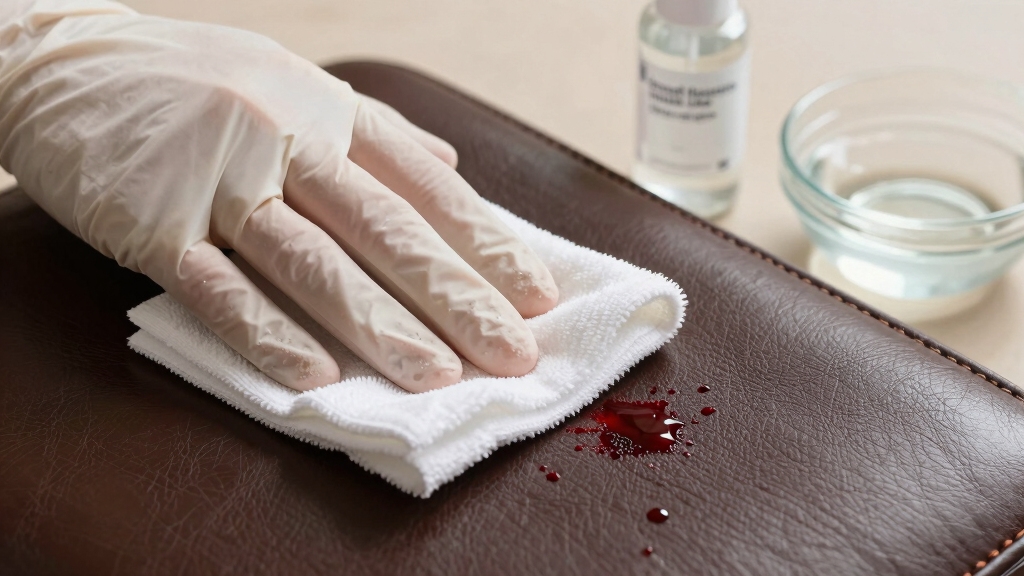
When removing blood from leather, you should always wear latex or disposable gloves to protect yourself from potential pathogens, especially if the blood source is unknown. This simple step reduces the risk of contamination and infection.
Always wear gloves when cleaning blood from leather to protect against pathogens and prevent contamination.
Besides gloves, make sure you work in a well-ventilated area to avoid inhaling any cleaning fumes. Always test any cleaning agent on an inconspicuous part of the leather first to prevent damage or discoloration.
Use only cold water when treating stains, since hot water can set the blood and harm the leather fibers. After cleaning, disinfect the surface to eliminate residual bacteria.
Finally, remember to wash your hands thoroughly once you finish, even if you wore gloves, to maintain proper hygiene.
It is also important to avoid soaking leather during cleaning to prevent moisture damage and preserve the material’s quality.
How to Remove Fresh Blood Stains From Leather?
Fresh blood stains demand immediate attention to prevent permanent damage to your leather. First, put on disposable gloves if you’re unsure of the blood’s source.
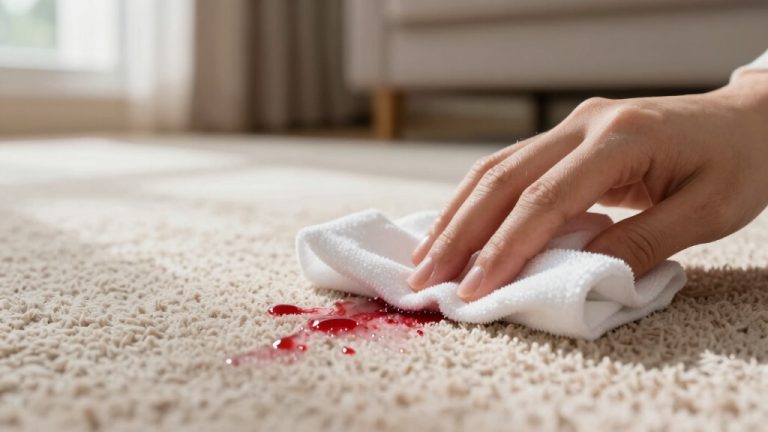
Quickly sponge up excess blood with a cloth dampened in cold water. Never use hot water, as it sets the stain and harms leather.
Dab the stain gently using the cold water-dabbed cloth, then blot with a dry cloth. Repeat this process until no blood transfers to the cloth.
Avoid rubbing, which can spread the stain or damage the leather’s surface. Patience is key; cold water and blotting gradually lift fresh blood without harsh chemicals.
Once the stain is gone, let the leather air dry naturally. Then condition it to maintain softness and prevent cracking.
For best results, ensure the area is well-ventilated and humidity is controlled to prevent further damage or mold growth during cleaning environment for mold removal.
How to Remove Dried Blood Stains From Leather?
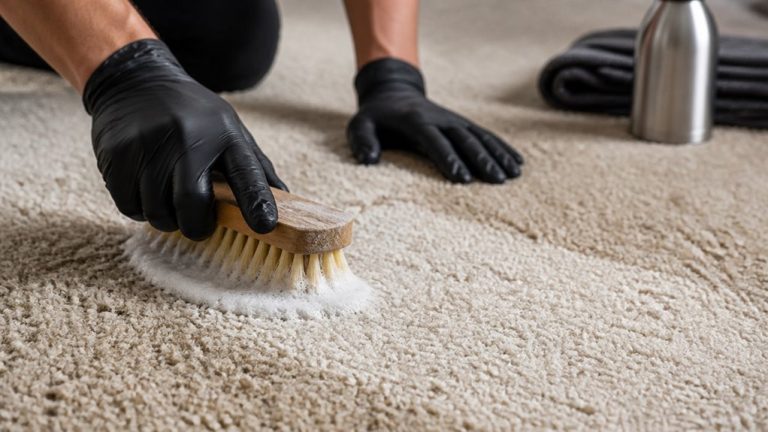
If you’ve got dried blood stains on your leather, don’t worry! The first step is to gently scrape off any residue. You can use a fingernail file or a soft toothbrush for this—just be careful not to damage the leather.
Once you’ve loosened up the hardened material, grab a stiff brush to sweep away the bits you’ve loosened. Now, it’s time to tackle the stain itself. Dampen a sponge with cold water and gently dab at the remaining stain.
Keep sponging and dabbing with cold water until the leather looks clean. Just remember to be gentle so you don’t ruin that beautiful surface. Good luck! Using cold water helps prevent coagulation and further penetration of the blood into the leather.
Scraping And Brushing
Start by gently scraping dried blood from your leather using a fingernail file or a soft toothbrush. This loosens the crusted residue without damaging the surface. Next, use a stiff brush to sweep off loosened flakes carefully. Avoid harsh scrubbing to prevent abrasion. This scraping and brushing step creates a cleaner base for further treatment. Avoid using harsh chemicals or disinfectant wipes like Clorox as they can cause finish damage and deterioration of the leather.
| Tool Used | Purpose | Tip |
|---|---|---|
| Fingernail file | Loosen dried blood crust | Use gentle, controlled strokes |
| Soft toothbrush | Dislodge surface particles | Choose soft bristles |
| Stiff brush | Remove flakes after scraping | Brush away from leather |
This method prepares leather for subsequent cleaning without risking damage.
Cold Water Treatment
Frequently, cold water treatment proves essential for removing dried blood stains from leather without causing further damage. After you gently scrape off the dried blood, dampen a clean cloth or sponge with cold water.
Pat the stained area carefully, avoiding rubbing, which could spread the stain or damage the leather’s surface. Blot the area with a dry cloth to absorb loosened residue. Repeat this process until you see no more blood transfer.
Always use cold water because warm or hot water can set the stain and harm the leather. If needed, follow up with a mild soap solution diluted in cold water, then rinse with cold water again.
This method softens and lifts dried blood while preserving your leather’s integrity. For more stubborn stains, applying hydrogen peroxide carefully can help break down dried blood at the molecular level without damaging leather.
Using Mild Soaps and Hydrogen Peroxide for Blood Stains
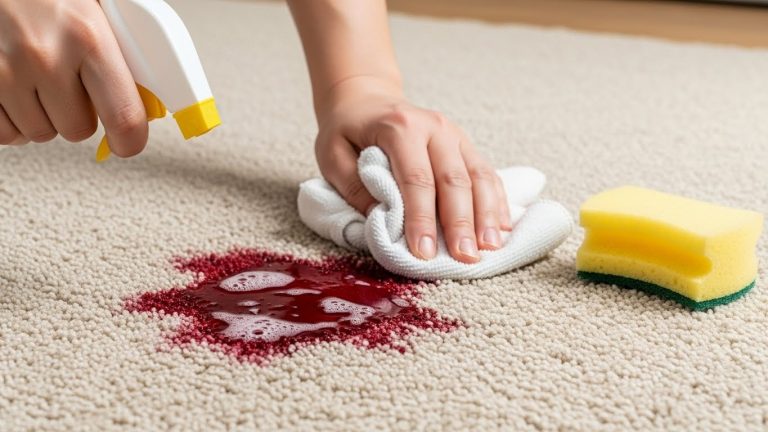
Apply a mild soap solution diluted in cold water to gently lift blood stains from leather without causing damage. Use soaps like Woolite, Joy, or Ivory for effective cleaning. Sponge the suds onto the stain, then rinse and blot with cold water.
For stubborn or dried blood, dilute hydrogen peroxide to naturally bleach the stain. Test it on a hidden area first to prevent discoloration. Hydrogen peroxide works well on old stains but may need stronger cleaners if ineffective.
It is important to avoid excess moisture and always test any cleaner on a hidden spot first to protect the delicate leather fabric.
| Soap Type | Usage Tip |
|---|---|
| Woolite | Dilute in cold water |
| Joy | Sponge suds, then blot |
| Ivory | Gentle, effective clean |
| Hydrogen Peroxide | Test first, use diluted |
Follow with conditioning to keep leather supple.
Choosing Specialized Cleaners for Leather Blood Stains
When it comes to getting blood stains out of leather, picking the right specialized cleaner is super important. You really want to make sure you’re using a product that’s suitable for your specific type of leather. Otherwise, you might end up causing more harm than good!
Once you’ve got your cleaner, be sure to apply it carefully. Following the recommended techniques can make all the difference in how well it works.
And don’t forget—after you’ve tackled those stains, it’s essential to condition the leather. This step helps maintain its softness and overall look.
Taking this approach ensures you can clean effectively while keeping your leather in great shape for the long haul!
Always perform a discreet patch test on a hidden area before applying any cleaner to avoid discoloration or damage.
Best Cleaners Selection
Selecting the right cleaner can make all the difference in effectively removing blood stains from leather without causing damage. For fresh stains, start with a mild soap solution like diluted Woolite or Ivory, which gently lifts blood without harsh chemicals.
If the stain sets in, consider specialized leather cleaners such as Furniture Clinic Leather Ultra Clean or Amodex for a gentler approach. For more robust leather, saddle soap offers deep cleaning but requires conditioning afterward to prevent drying.
When dealing with dried or old stains, diluted hydrogen peroxide works as a natural bleaching agent. Test it first on a hidden area to avoid discoloration. For automotive leather, products like 3D LVP Interior Cleaner or Chemical Guys deliver effective results.
Always choose a cleaner suited to your leather’s type and condition to protect its finish. Proper moisture control during cleaning and drying is essential to prevent damage such as stiffness or cracking.
Application Techniques
To tackle blood stains on leather effectively, you’ll want to break down the cleaning process into clear, manageable steps using specialized products. Choosing the right cleaner depends on the leather type and stain severity.
Start by testing products on a hidden area to avoid damage. Use mild soap solutions or saddle soap for sturdy leather, and opt for leather-specific cleaners like Leather Honey or Amodex for delicate surfaces. For set-in stains, a diluted hydrogen peroxide solution may help but should be approached cautiously.
Always use cold water-based products to prevent stain setting. Apply cleaners gently with a soft cloth or sponge in circular motions. Avoid harsh chemicals that can dry or discolor leather.
For best results, select a pH-neutral, toxin-free cleaner to protect the leather’s integrity while removing stains.
Follow up with appropriate leather conditioning (covered later). This method guarantees safe, effective stain removal.
Post-Cleaning Care
Although removing blood stains is crucial, choosing the right specialized cleaner afterward guarantees your leather stays protected and looks its best.
For sturdy leather like furniture, saddle soap offers deep cleaning and conditioning to prevent drying.
For car seats, opt for dedicated products such as 3D LVP Interior Cleaner or Chemical Guys. These are formulated to gently lift stains without damaging your leather’s finish.
If stains persist, applying a leather polish that matches your item’s color can conceal set-in marks while adding a protective layer.
Always test any cleaner on an inconspicuous spot first.
After cleaning, condition your leather to restore moisture and flexibility.
This helps maintain durability and appearance.
This careful post-cleaning care extends your leather’s life and keeps it looking fresh.
Using products with protective features against UV damage can also help maintain your leather’s integrity over time.
How to Condition and Protect Leather After Cleaning?
After removing blood stains, you’ll want to condition your leather promptly to restore moisture and flexibility.
Conditioning prevents drying and cracking caused by cleaning agents or water exposure. Use a leather conditioner suitable for your leather type and apply it evenly with a soft cloth.
Let it absorb fully before buffing gently to a natural shine.
To condition and protect leather effectively, choose a conditioner formulated for your leather’s finish.
Apply a thin, even layer; avoid over-saturating the leather. Allow the conditioner to penetrate for at least 15 minutes.
Buff with a clean, dry cloth to enhance suppleness and luster.
Regular conditioning after cleaning maintains leather’s durability and appearance over time.
Troubleshooting Tough Blood Stains on Leather
When blood stains penetrate deeply or have set in despite your best efforts, you’ll need to take a more targeted approach to restore your leather’s appearance.
Start by gently scraping dried blood with a soft toothbrush or fingernail file.
Begin by carefully loosening dried blood using a soft toothbrush or fingernail file.
Then sponge the area with cold water to soften residue.
For persistent stains, apply a diluted hydrogen peroxide solution cautiously.
Always test on a hidden spot first to avoid discoloration.
If stains remain, consider specialized cleaners like saddle soap for sturdy leather or 3D LVP Interior Cleaner for car seats.
After cleaning, apply a matching leather polish in circular motions to mask discoloration.
Then buff and condition the leather thoroughly to prevent drying and maintain suppleness.
Always wear gloves and disinfect the area after cleaning for safety.
Frequently Asked Questions
Can Blood Stains Permanently Change Leather Color?
Yes, blood stains can permanently change leather color, especially if you don’t act quickly.
Fresh blood soaks in and may set if exposed to heat or left untreated.
Dried blood can embed deeply, making removal tougher and risking discoloration.
To minimize damage, always use cold water and gentle cleaners immediately.
Conditioning the leather after cleaning helps restore its appearance.
Be prepared for some stains to leave faint marks despite your best efforts.
Is It Safe to Use Household Bleach on Leather?
You shouldn’t use household bleach on leather because it’s too harsh and can cause permanent discoloration and damage.
Bleach strips the natural oils and weakens the material, leading to cracking or stiffening.
Instead, stick to gentle cleaners like diluted mild soap or specialized leather products.
Always test cleaners on a hidden spot first and avoid any harsh chemicals to keep your leather safe and looking great.
How Long Should Leather Dry After Cleaning Blood Stains?
You should let leather dry naturally for at least 24 hours after cleaning blood stains. Avoid heat sources, as they can dry out or warp the leather.
While some believe faster drying prevents mold, rushing it often causes cracking or stiffness. Instead, ensure good air circulation in a cool, shaded area.
Patience preserves leather’s texture and finish, allowing it to fully recover before conditioning or use.
Will Leather Blood Stain Removal Affect Leather’s Texture?
Yes, blood stain removal can affect leather’s texture if you’re not careful.
Using cold water and mild cleaners helps preserve the leather’s softness and finish.
Avoid harsh scrubbing or hot water, as these can dry out or stiffen the leather.
After cleaning, always condition the leather to restore moisture and flexibility.
Testing any cleaner on a hidden spot guarantees you won’t damage the texture or color during stain removal.
Can Blood Stains on Leather Be Removed Without Water?
You generally can’t remove blood stains from leather effectively without using water or a cleaning solution because water helps dissolve and lift the blood.
However, you can try gently scraping dried blood off with a soft brush or fingernail file before wet cleaning.
For fresh stains, dry blotting might reduce excess blood but won’t fully remove the stain.
Ultimately, cold water combined with mild soap or specialized cleaners is necessary for thorough removal.
Protecting and Preserving Your Leather
Now that you’ve tackled blood stains on leather, remember: patience and the right techniques are your best allies.
Like a skilled artist restoring a masterpiece, you can bring your leather back to life with gentle cleaning and proper care. Avoid harsh chemicals, condition regularly, and don’t rush the process.
With these steps, your leather will stay strong, supple, and stain-free, ready to weather whatever life throws its way.