
Why Does My Bathroom Smell Like Urine: Causes & Easy Fixes
Your bathroom smells like urine because concentrated urine, often from dehydration, releases ammonia and nitrogenous wastes with a strong odor.
Certain foods like asparagus, garlic, or fish can create temporary sulfur or fishy smells.
Infections such as UTIs or underlying health issues like diabetes can also alter urine odor.
Additionally, urine residues trapped in porous surfaces and fixtures break down over time, intensifying the smell.
Understanding these factors can help you identify and manage the cause effectively.
Key Takeaways
- Urine splashes leave crystals on bathroom surfaces that trap and release odors over time, especially in porous grout and metal fixtures.
- Poor cleaning and moisture accelerate urine residue breakdown, producing strong, stale smells from volatile compounds like trimethylamine.
- Dehydration causes highly concentrated urine with increased ammonia, leading to stronger, pungent bathroom odors if frequent urination is reduced.
- Urinary tract infections or other infections can cause persistent foul or unusual urine odors that linger in the bathroom environment.
- Food, medical conditions, or metabolic disorders may alter urine odor, contributing to distinct smells that can permeate bathroom air.
Why Dehydration Causes Urine Odor in Bathrooms?

When you don’t drink enough water, your urine becomes highly concentrated, increasing ammonia levels that produce a stronger, more pungent odor.
This happens because dehydration reduces urine volume and raises solute concentration, particularly nitrogenous wastes like urea, which bacteria convert to ammonia.
You might notice darker yellow urine and less frequent urination as dehydration worsens.
Additionally, morning urine tends to smell strongest since it sits concentrated overnight without dilution.
Causes of dehydration include insufficient fluid intake, diarrhea, vomiting, fever, excessive sweating, or frequent urination.
To reduce bathroom urine odor, you should stay well-hydrated, as drinking water dilutes these chemicals, lowering ammonia concentration and odor intensity.
Proper hydration also maintains regular urine output, preventing buildup of strong-smelling residues in the toilet and surrounding surfaces.
Using enzymatic cleaners can help eliminate persistent urine odors when dehydration-related buildup occurs on bathroom surfaces.
How Foods Affect Urine Odor?
Although your hydration status plays a significant role in urine odor, the foods you consume can also alter its scent through the metabolic breakdown of specific compounds.
Hydration and diet both influence urine odor through the breakdown of various compounds.
When you eat asparagus, your body breaks down asparagusic acid into sulfur-containing compounds, producing a distinct rotten cabbage smell in your urine.
Garlic and onions similarly release sulfur compounds that create strong odors.
Consuming fish introduces trimethylamine oxide, which gut bacteria convert into trimethylamine, resulting in a fishy urine scent.
These odors are temporary and typically last only a few hours after eating.
Understanding how these foods affect your urine odor helps you anticipate bathroom smells and manage them through dietary choices, hydration, or ventilation.
This knowledge can help you avoid confusing these effects with more serious causes like infections or medical conditions.
Proper hygiene, including regular handwashing with effective surfactants, can help reduce residual odors in the bathroom environment through hand hygiene practices.
Infections That Change Urine Smell
Foods can temporarily alter urine odor, but persistent or unusual smells may signal underlying infections.
Urinary tract infections (UTIs) often caused by bacteria like E. coli, can produce a strong, foul odor without initial pain. These bacteria multiply in the urethra, bladder, or kidneys, increasing ammonia and other waste byproducts that change urine smell.
If you have a vulva, you’re more prone due to a shorter urethra. Sexually transmitted infections (STIs) such as chlamydia, gonorrhea, or trichomoniasis can alter urine odor by mixing bacterial or viral discharge.
Prostate or bladder infections also cause persistent, unpleasant smells. Yeast infections contribute a sweet or mild scent by mixing discharge with urine.
If you notice consistent unusual odors, get tested promptly to address infections before they worsen. Persistent urine odors can also indicate the presence of uric acid crystals that may require professional cleaning to fully eliminate.
Medical Conditions That Alter Urine Odor
If you notice a persistent, unusual urine odor that doesn’t improve with hydration or hygiene, underlying medical conditions might be the cause. These conditions alter urine chemistry, producing distinct smells that linger.
Persistent unusual urine odor despite hydration or hygiene may indicate underlying medical conditions affecting urine chemistry.
Here are common medical causes you should consider:
- Diabetes: Excess glucose in urine creates a sweet, fruity odor, signaling poor blood sugar control.
- Metabolic disorders: Conditions like trimethylaminuria block breakdown of trimethylamine, causing a fishy odor in urine, sweat, and breath.
- Liver or kidney disease: Impaired filtration alters waste elimination, producing abnormal urine odor and appearance.
If you experience these smells consistently, consult a healthcare professional for diagnosis and treatment. Addressing these medical issues can reduce odor and prevent complications. Additionally, improving ventilation and airflow in your bathroom can help reduce lingering urine odors and maintain a fresher environment.
How Bathroom Surfaces Trap and Release Urine Smells?
When urine splashes onto bathroom surfaces, it leaves behind tiny crystals that cling to materials like porcelain, grout, and metal.
These crystals trap ammonia and other volatile compounds responsible for the urine smell.
Porous surfaces such as grout absorb urine deeply, allowing odors to build up over time, especially in humid conditions.
Metal fixtures and toilet bases collect dried residue in crevices, releasing odors as they age.
Floor drains accumulate urine residue mixed with standing water, fostering persistent smells.
Heat and moisture accelerate the breakdown of urine compounds into volatile organic compounds like trimethylamine, intensifying stale odors.
To effectively reduce these smells, you must clean thoroughly using enzymatic cleaners that break down urine crystals, target porous materials, and maintain dry conditions to prevent odor reactivation.
Using enzymatic cleaners specifically formulated for surfaces helps neutralize odors at their source and prevents re-marking.
Frequently Asked Questions
Can Medications Cause Persistent Urine-Like Bathroom Odors?
Yes, medications can cause persistent urine-like bathroom odors. Certain drugs, like sulfonamide antibiotics, break down into sulfur compounds that produce strong, rotten egg-like smells.
Vitamins and other medications may concentrate chemicals that intensify urine odor. If you’re noticing persistent smells despite cleaning, consider your medication use.
Staying hydrated helps dilute these chemicals, but if odors continue, consult a healthcare provider to rule out underlying issues or adjust your treatment.
How Does Vitamin Intake Influence Urine Smell?
Vitamins, especially B-complex and vitamin C, concentrate in your urine and can amplify its odor by increasing sulfur-containing compounds.
This intensification may make your urine smell stronger, sometimes resembling rotten eggs or ammonia.
If you’re taking high doses or supplements, expect more pungent urine.
Staying well-hydrated helps dilute these chemicals, reducing odor intensity.
Adjusting vitamin intake or improving hydration often manages the smell without further intervention.
Why Does Morning Urine Smell Stronger Than Later Samples?
Imagine waking up and noticing your urine smells strong, almost ammonia-like.
That’s because overnight, your body produces less urine, concentrating waste and ammonia compounds.
This concentration boosts the intensity of the odor.
As you hydrate and urinate throughout the day, urine becomes diluted, reducing odor strength.
What Cleaning Methods Best Remove Urine Crystal Buildup?
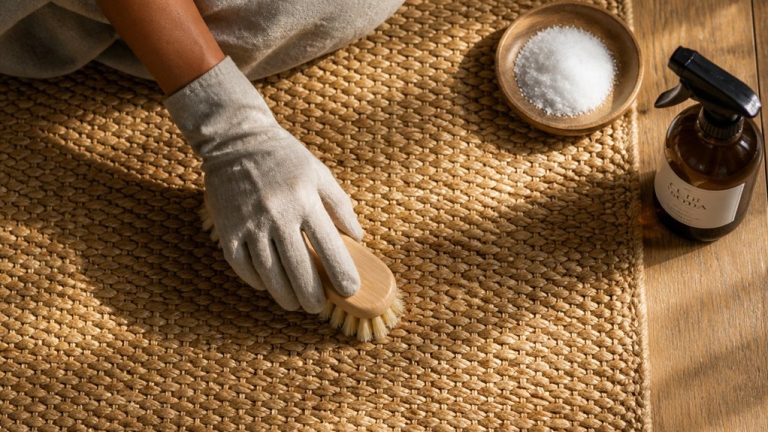
To best remove urine crystal buildup, scrub affected areas with a mixture of white vinegar and baking soda.
Vinegar dissolves crystals, while baking soda neutralizes odors. Use a stiff brush for grout and porous surfaces.
Rinse thoroughly with water. For persistent buildup, apply enzymatic cleaners targeting urine proteins.
Regularly clean under toilet seats, base, and floor drains to prevent accumulation.
Always wear gloves and ventilate the bathroom during cleaning.
When Should I See a Doctor About Urine Odor Issues?
Imagine you notice a persistent, sweet urine odor and darker urine despite drinking water. You should see a doctor if the smell doesn’t improve after hydration and cleaning.
This is especially important if you experience symptoms like pain, fever, or unusual discharge. These signs might indicate infections, diabetes, or metabolic disorders needing diagnosis.
Prompt medical evaluation can identify underlying causes and prevent complications. This ensures you get appropriate treatment beyond home remedies.
Urine Trouble Ends Here: Simple Fixes for a Fresher Bathroom
So, your bathroom smells like urine. Congratulations, you’ve revealed the mysteries of human biology and neglect!
Dehydration, diet, infections, or medical conditions are all sneaky culprits. Your bathroom surfaces act like smell magnets.
Instead of blaming ghosts or the plumbing gods, tackle the real issues head-on: hydrate more, clean rigorously, and check your health.
Your nose and guests will thank you, and your bathroom won’t double as a biohazard zone.