Is Lysol Toilet Bowl Cleaner Safe for Septic Systems?
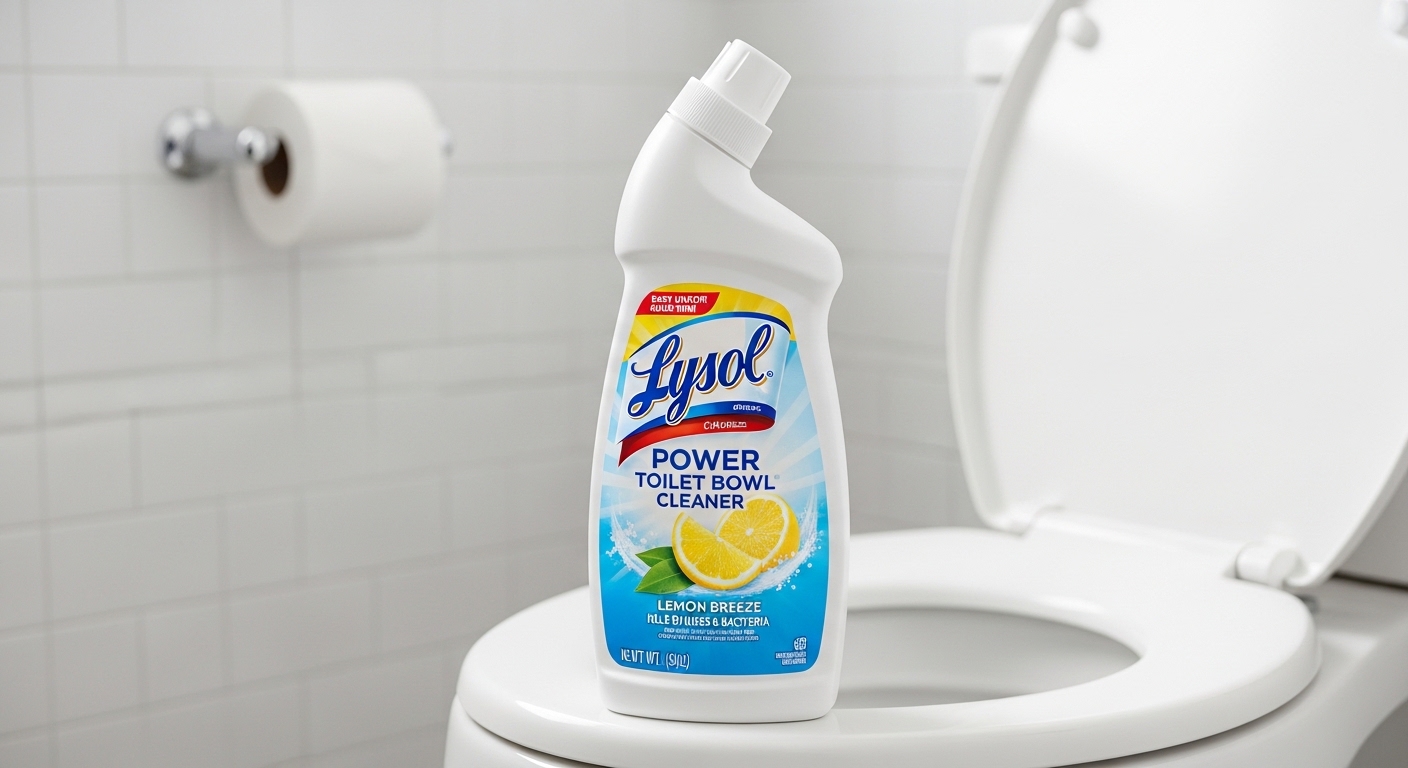
You can use Lysol Toilet Bowl Cleaner safely with a septic system if you follow label instructions and limit usage to the recommended amount. Typically, this is no more than 4 ounces weekly or biweekly.
The cleaner’s 9.5% hydrochloric acid gel is effective but can harm beneficial septic bacteria if overused. This can disrupt waste breakdown and increase maintenance needs.
Lysol formulations balance disinfection with septic safety, but cautious use is essential to protect your system. Understanding these details helps you maintain septic health efficiently.
Key Takeaways
- Lysol toilet bowl cleaners contain about 9.5% hydrochloric acid, which can harm beneficial septic bacteria if overused.
- Manufacturer labels state Lysol toilet bowl cleaners are safe for septic systems when used as directed.
- Proper usage limits are no more than 4 fluid ounces per application, once a week or every other week.
- Overuse or concentrated application risks disrupting bacterial balance, slowing waste decomposition, and increasing septic maintenance.
- Following label instructions and limiting frequency ensures effective cleaning while minimizing septic system harm.
Is Lysol Toilet Cleaner Safe for Septic Systems?
Although Lysol toilet bowl cleaners are marketed as safe for septic systems, you should carefully consider their chemical composition and usage guidelines before regular use.
Lysol products contain a thick acid formula with 9.5% hydrochloric acid, effective for stain removal but potentially harmful to septic bacteria if overused.
Lysol’s 9.5% hydrochloric acid formula removes stains but can harm septic bacteria if overused.
The manufacturer claims formulations kill 99.9% of germs without disrupting beneficial bacteria, relying on dilution in large septic tanks and limited application frequency.
However, independent experts caution that hydrochloric acid and antibacterial agents risk upsetting the septic bacterial balance essential for waste breakdown.
Following label instructions—using no more than 4 fl. oz. weekly or biweekly—helps minimize negative impact.
Still, you must weigh the trade-offs between effective cleaning and preserving septic system health, especially given that “septic-safe” isn’t an EPA-regulated term.
Additionally, proper ventilation and careful handling are important when using strong cleaners to avoid respiratory irritation and chemical exposure, as recommended for all disinfectants with high concentrations.
Why Do Septic Systems Need Balanced Bacteria?
You know how important septic bacteria are for breaking down waste, right? Keeping their balance is crucial for the health of your system. If things get out of whack, you could face some serious issues.
One thing to watch out for is disinfectants, especially those found in certain toilet cleaners. They can really throw a wrench in the works by killing off the good bacteria that your system relies on.
Using regular treatments with enzyme-rich pods can help maintain the natural microbial action necessary for a healthy septic system.
Role Of Septic Bacteria
The efficiency of a septic system hinges on maintaining a balanced community of bacteria that breaks down waste effectively. You rely on these bacteria to digest organic matter, converting solids into liquid and gas. This prevents system clogging and failure.
If this bacterial ecosystem becomes unbalanced, waste decomposition slows, leading to sludge buildup and costly repairs. Balanced bacteria also help neutralize harmful pathogens, ensuring safer effluent discharge.
Since septic tanks typically hold thousands of gallons, even small disruptions in bacterial populations can cascade into system inefficiencies. Hence, preserving this microbial balance is essential for your septic system’s long-term function and environmental safety.
Understanding the role of septic bacteria helps you appreciate why cleaning products must avoid harming these indispensable microorganisms to maintain a healthy system. Using neutral pH cleaners helps protect both your septic bacteria and household surfaces, ensuring effective cleaning without disrupting microbial balance.
Impact Of Disinfectants
Since disinfectants target harmful pathogens, they can inadvertently harm the beneficial bacteria vital for septic system function. You need balanced bacteria because these microorganisms break down waste, preventing solids from accumulating and clogging the tank.
When disinfectants disrupt this balance, organic matter decomposition slows, leading to system inefficiency or failure. Key impacts to bear in mind include:
- Reduced bacterial populations decrease waste digestion efficiency.
- Overuse of disinfectants containing harsh chemicals like hydrochloric acid can kill helpful microbes.
- Disrupted bacterial activity causes solids build-up, increasing maintenance frequency and costs.
Understanding this helps you realize why septic systems require cautious use of disinfectants. Even “septic-safe” products must be used as directed to avoid upsetting the delicate microbial ecosystem essential for your system’s longevity.
Excess moisture and poor ventilation can also create conditions that exacerbate microbial imbalances, similar to how excess moisture promotes mold growth in other systems.
Maintaining Bacterial Balance
Maintaining bacterial balance guarantees your septic system efficiently breaks down waste and prevents costly malfunctions. Your septic system depends on a stable population of beneficial bacteria to decompose organic matter.
Disrupting this balance with harsh chemicals or excessive disinfectants can inhibit these microbes, slowing waste digestion and leading to sludge buildup or system failure.
Lysol’s formulations aim to clean while preserving septic bacteria by using biodegradable ingredients and controlled acid concentrations. However, overuse risks harming this delicate ecosystem.
Proper dilution and following label instructions help minimize bacterial disruption. Understanding this balance is essential because septic systems are biological treatment units; their performance hinges on microbial activity.
Using septic-safe and biodegradable formulations helps support the long-term health of these microbial communities. When you protect these bacteria, you maintain system function, reduce maintenance needs, and extend the septic system’s lifespan.
Lysol’s Safety Claims for Septic Systems
You know, Lysol’s labels really emphasize that their toilet bowl cleaners are safe for all plumbing and septic systems. They highlight how their formulations are designed to balance effective disinfection with the need to preserve beneficial microbes. It’s pretty interesting!
These products often include biodegradable ingredients, which is a nice touch because they aim to minimize harm to the septic bacteria—even when they contain hydrochloric acid at controlled concentrations.
But here’s the thing: it’s super important to take a closer look at these safety claims. While they sound good on paper, we should consider the potential risks that come with harsh chemicals and the possibility of overusing these products. It’s always a good idea to weigh the pros and cons!
Some harsh chemicals, like those found in Lysol wipes, can damage natural surfaces and may also disrupt septic system balance if used excessively, so understanding the impact of chemical disinfectants is crucial.
Manufacturer Septic Safety Claims
While some cleaning products pose risks to septic systems, Lysol consistently asserts that its toilet bowl cleaners are safe for plumbing and septic use. The manufacturer emphasizes that their formulations, including power and automatic variants, won’t harm septic bacteria or plumbing infrastructure.
Lysol highlights biodegradability and balanced disinfection that preserves beneficial microbes essential for septic function. You should note these key claims from Lysol:
- All Lysol toilet bowl cleaners are labeled safe for septic and plumbing systems.
- The product contains biodegradable ingredients designed to break down in septic tanks.
- The formulas kill 99.9% of germs without disrupting septic tank bacterial activity.
Despite these assertions, you should still use Lysol products as directed to avoid potential negative impacts on your septic system. Additionally, choosing a septic-safe formulation is important to protect the integrity of your plumbing and septic system over time.
Label Statements On Septics
Although some cleaning products can damage septic systems, Lysol’s labels explicitly state their toilet bowl cleaners are safe for both plumbing and septic use.
Products like Lysol Professional Brand Disinfectant Power Toilet Bowl Cleaner and Lysol No Mess Automatic Toilet Bowl Cleaner all include clear label claims affirming no harm to septic systems.
These statements suggest Lysol has tested their formulations to avoid disrupting septic tank bacteria. However, you should view these claims critically, as regulatory agencies don’t officially certify the term “septic safe.”
The consistent labeling across Lysol’s product line reflects a manufacturer commitment to septic compatibility. It’s important to follow usage instructions carefully to minimize potential risks.
Ultimately, Lysol’s label claims provide a strong indication of safety, but they don’t guarantee absolute protection for every septic system scenario.
For ongoing maintenance, using enzyme-based cleaners is generally recommended to support septic health without harsh chemicals.
Product Formulation And Safety
Lysol designs its toilet bowl cleaners with formulations that balance effective disinfection and septic system safety. They aim to kill 99.9% of bacteria and viruses without disrupting the beneficial microorganisms essential for septic tank function.
Most Lysol cleaners use biodegradable ingredients broken down by septic bacteria, minimizing harm. However, some variants contain 9.5% hydrochloric acid, which can potentially impact septic bacteria if overused. Lysol recommends proper dilution and limited application frequency to reduce risks.
Key points worth noting:
- Lysol claims all products are safe for plumbing and septic systems.
- Biodegradable formulas support septic tank bacterial balance.
- Acid-based cleaners require cautious usage to avoid bacterial disruption.
It is important to avoid mixing Lysol cleaners with other chemical agents like bleach or OxiClean, as this can produce toxic gases and harm septic systems.
What Ingredients in Lysol Toilet Cleaner Affect Septic Health?
When you choose a toilet cleaner, understanding its chemical ingredients is essential for maintaining your septic system’s health.
Lysol Toilet Bowl Cleaners typically contain biodegradable agents designed to break down in septic tanks, preserving beneficial bacteria essential for waste decomposition.
However, they also include active components like hydrochloric acid at about 9.5%, which effectively dissolves rust and mineral buildup but poses risks by potentially harming septic bacteria if overused.
Additionally, disinfecting agents target 99.9% of germs without disrupting septic microbial balance when used as directed.
The thick gel formulation ensures controlled release and dilution in the septic environment, minimizing damage.
To protect your system, you must follow usage guidelines strictly and avoid excessive application, as the delicate balance of septic bacteria is imperative for system efficiency.
Using cleaning products with balanced formulation and controlled release is comparable to the importance of filtration precision in maintaining system health and efficiency.
How Hydrochloric Acid in Lysol Toilet Cleaner Affects Septic Bacteria?
Because hydrochloric acid constitutes about 9.5% of some Lysol toilet bowl cleaners, it plays a significant role in dissolving rust and mineral stains.
However, this potency can also disrupt the delicate bacterial ecosystem in septic tanks.
When you use these cleaners, the acid can lower the pH in the tank, inhibiting or killing beneficial bacteria essential for breaking down waste.
However, proper dilution, such as following label instructions and using small amounts, can minimize harm.
Key points for consideration:
- Hydrochloric acid’s corrosive nature targets minerals but risks killing helpful microbes.
- Septic tanks rely on balanced bacterial activity for organic waste decomposition.
- Overuse or high concentrations can upset bacterial populations, reducing septic efficiency.
You should apply these products cautiously to protect septic health.
Expert Opinions on Lysol Toilet Cleaner Septic Safety
Understanding the potential impact of hydrochloric acid on septic bacteria naturally leads to examining what experts say about these products’ overall safety for septic systems.
Manufacturers assert Lysol toilet bowl cleaners are safe for septic use, highlighting formulations that balance effective disinfection with biodegradability and minimal disruption to beneficial bacteria.
Independent reviews, however, express caution due to hydrochloric acid’s potential to harm septic bacteria if misused.
Experts underline that while Lysol products meet AOAC disinfection standards and claim septic safety, no regulatory body officially endorses these claims.
You should note that experts agree following label instructions and limiting use helps mitigate risks.
Why Overusing Lysol Toilet Cleaner Harms Septic Systems?
Excessive use of Lysol Toilet Bowl Cleaner disrupts the delicate bacterial ecosystem essential for septic system function.
While Lysol formulations are designed to be biodegradable and septic-safe in recommended amounts, overuse introduces concentrated hydrochloric acid and disinfectants that can kill beneficial bacteria.
This imbalance impairs organic waste breakdown, leading to system inefficiency or failure.
Consider the risks of overusing Lysol cleaners:
Hydrochloric acid’s potency can destroy essential microbial populations.
Accumulated chemical residues alter septic tank pH, hindering bacteria survival.
Frequent application overwhelms natural bacterial regeneration capacity.
You should understand that maintaining bacterial diversity is indispensable for septic health.
Overusing Lysol accelerates bacterial decline, increasing maintenance needs and potentially costly repairs.
Use moderation to protect your septic system’s biological integrity.
How to Use Lysol Toilet Cleaner Without Damaging Your Septic Tank?
When using Lysol Toilet Cleaner, you should stick to the recommended amounts and application frequency to protect your septic tank’s bacterial balance.
Use no more than 4 fluid ounces per application and limit use to once a week or every other week, as suggested on the label.
This dosage guarantees the hydrochloric acid and disinfectant agents dilute sufficiently in your septic tank, minimizing harm to beneficial bacteria essential for waste breakdown.
Avoid overuse, which risks disrupting microbial activity and septic function.
Apply the cleaner as a thick gel, allowing it to cling for about 15 minutes before flushing to maximize cleaning efficacy while limiting chemical exposure to your septic system.
Following these guidelines balances effective disinfection with septic health preservation.
Alternatives to Lysol Toilet Cleaner Safe for Septic Systems
If you want to steer clear of potential risks posed by Lysol’s hydrochloric acid-based formulas, several effective alternatives exist that prioritize septic system safety.
These options avoid harsh chemicals that can disrupt the beneficial bacteria essential for septic tank function.
You should consider natural, biodegradable cleaners that maintain septic health without sacrificing cleaning power.
Baking soda and white vinegar: Combined, they create a mild fizzing action that removes stains and deodorizes without harming bacteria.
Plant-based cleaners: Brands like Mrs. Meyer’s and Seventh Generation use biodegradable ingredients proven safe for septic systems.
Eco-friendly, labeled septic-safe products: These avoid corrosive chemicals and are formulated to protect septic microbial balance.
Choosing these alternatives helps preserve your septic system’s integrity while ensuring a clean toilet bowl.
When to Choose Septic-Safe Toilet Cleaners and What to Look For?
Although many toilet cleaners claim to be safe for septic systems, you should select septic-safe products if your home relies on a septic tank to manage wastewater.
Choose cleaners that clearly state compatibility with septic systems and avoid harsh chemicals like strong acids or bleach. These can disrupt beneficial bacteria critical for waste breakdown.
Look for formulations that are biodegradable and EPA or AOAC tested for effective disinfection without harming septic health.
Use products with balanced ingredients, such as certain Lysol variants, that kill germs but preserve microbial activity.
Apply them according to label instructions, limiting frequency and quantity to prevent bacterial imbalance.
If uncertain, consider plant-based or natural alternatives. Prioritizing these criteria helps maintain your septic system’s efficiency and longevity while ensuring hygienic toilet cleaning.
Frequently Asked Questions
Can Lysol Toilet Cleaner Cause Plumbing Pipe Corrosion?
Lysol Toilet Bowl Cleaner can cause corrosion if you use it excessively, since it contains 9.5% hydrochloric acid, which is strong enough to erode metal pipes over time.
However, when you follow the recommended usage of 4 fl. oz. per cleaning, once weekly or biweekly, the dilution minimizes corrosion risk.
To protect your plumbing, avoid overuse and strictly follow label instructions. If you’re concerned, consider less acidic, biodegradable alternatives.
Does Lysol Toilet Cleaner Leave Harmful Residues in Water?
Lysol Toilet Bowl Cleaner doesn’t typically leave harmful residues in water when used as directed.
Its biodegradable formula breaks down in septic systems, minimizing residue buildup.
However, the hydrochloric acid component can be corrosive if overused, potentially affecting water quality.
To avoid risks, you should follow label instructions carefully, use recommended amounts, and allow proper dilution.
This approach helps guarantee effective cleaning without persistent harmful residues in your water.
How Long Does Lysol Toilet Cleaner Take to Break Down in Septic Tanks?
You can expect Lysol toilet cleaner to break down in septic tanks within a few days to a couple of weeks, depending on the tank’s size and microbial activity.
Its biodegradable components allow microorganisms to degrade most ingredients efficiently.
However, the hydrochloric acid and disinfectants may take longer to neutralize fully.
To support this process, use the cleaner sparingly and follow label dilution instructions. This ensures minimal disruption to your septic system’s natural bacteria balance.
Are Lysol Toilet Cleaners Safe for Use With Garbage Disposals?
You can use Lysol Toilet Bowl Cleaners safely around garbage disposals since they’re designed for plumbing systems. They won’t damage disposal components when used as directed.
However, avoid pouring large amounts directly into the disposal to prevent potential corrosion from the hydrochloric acid. Stick to recommended doses and rinse well.
For best results, use Lysol cleaners in the toilet bowl rather than the disposal. This helps preserve your appliance’s longevity and function.
Can Lysol Toilet Cleaner Be Used in RV or Marine Septic Systems?
Think of your RV or marine septic system as a delicate ecosystem. Lysol Toilet Cleaner’s hydrochloric acid formula can be a double-edged sword.
While labeled septic-safe, these compact systems rely heavily on balanced bacteria. Harsh chemicals may disrupt that balance. If you choose Lysol, use it sparingly, dilute properly, and follow instructions closely.
For safer options, consider biodegradable or plant-based cleaners designed specifically for smaller, sensitive septic environments.
Balance Cleanliness Without Damaging Your Septic Tank
You want to protect your septic system, preserve its bacteria, and maintain its function. Lysol Toilet Bowl Cleaner, with its hydrochloric acid, can disrupt this delicate balance if overused.
To keep your septic system healthy, use Lysol sparingly, seek septic-safe alternatives, and monitor your tank’s condition regularly.
By balancing effectiveness with caution, you guarantee cleanliness without compromising your septic system’s long-term health and efficiency.