Best Way to Get Crayon off Walls: Easy & Effective Cleaning
To get crayon off walls effectively, start by spraying an all-purpose cleaner and wiping it immediately to lift wax.
Follow with warm water and dish soap to gently clean residue without damaging paint.
For tougher marks, use a damp Magic Eraser with light pressure.
Then finish by scrubbing with a baking soda rag to remove any traces.
This safe, step-by-step approach protects your walls while clearing crayon stains.
There’s more helpful guidance to explore for stubborn marks and prevention.
Key Takeaways
- Start by spraying a non-abrasive all-purpose cleaner on the crayon marks and wipe immediately with a soft cloth or paper towel.
- Follow with a sponge dampened in warm water and a few drops of mild dish soap, scrubbing gently in circular motions.
- Use a damp Magic Eraser sponge with light pressure for tough or set-in crayon stains, testing a hidden area first to avoid paint damage.
- Apply a damp rag sprinkled with baking soda to create a mild abrasive paste, gently rubbing to lift remaining wax residue.
- Always test cleaning methods on a small, inconspicuous wall area and avoid harsh scrubbing to protect paint and wall finish.
Best Ways to Remove Crayon Marks From Walls
Several effective methods can help you remove crayon marks from walls with minimal effort.
Start by dampening a rag with baking soda; its gritty texture scrubs away most crayon residue.
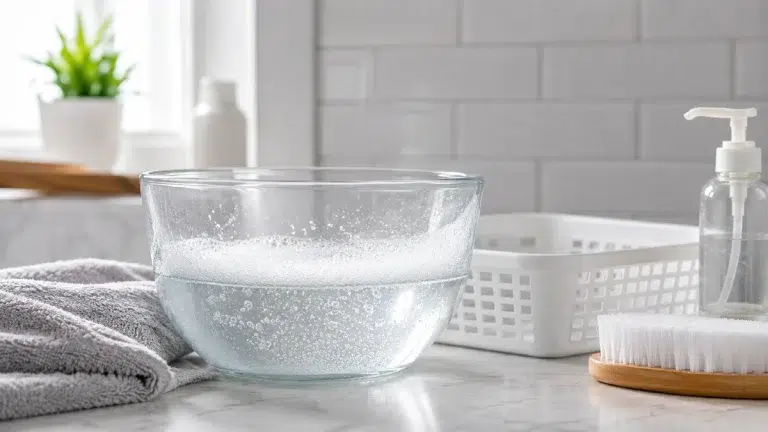
If you prefer, use a sponge soaked in warm water mixed with dish soap, scrubbing in circular motions before rinsing and drying the area.
For delicate painted surfaces, spray an all-purpose cleaner on the stain and wipe immediately with a paper towel to avoid damage.
Toothpaste, thanks to its mild abrasives, also works well to lift wax residue—apply, scrub gently, then wipe clean.
Avoid less effective options like mayo or pencil erasers.
For tougher stains, consider using gentle solvents but always test cleaning solutions on a hidden area first to prevent damage.
Using a Magic Eraser to Remove Crayon Stains
When you want a quick and effective way to remove crayon stains, using a Magic Eraser is one of the best options.
Start by wetting the melamine sponge and squeezing out excess water to avoid drips.
Begin by dampening the melamine sponge and removing extra water to prevent dripping.
Gently scrub the crayon marks with the damp sponge, applying light pressure to lift the wax and pigment without damaging the wall.
You’ll notice the stains disappearing quickly with minimal effort.
For larger areas or multiple stains, consider using extra thick Magic Erasers available in bulk.
This method outperforms many other household remedies as it requires less scrubbing and time.
Remember to test a small, inconspicuous area first to make sure your wall finish won’t be affected.
For best results, avoid abrasive materials to protect your wall’s surface while cleaning stubborn dirt.
How Baking Soda Removes Crayon From Walls?
You know that moment when you find crayon marks on your walls? It can be a bit frustrating, right? But don’t worry—baking soda is here to save the day!
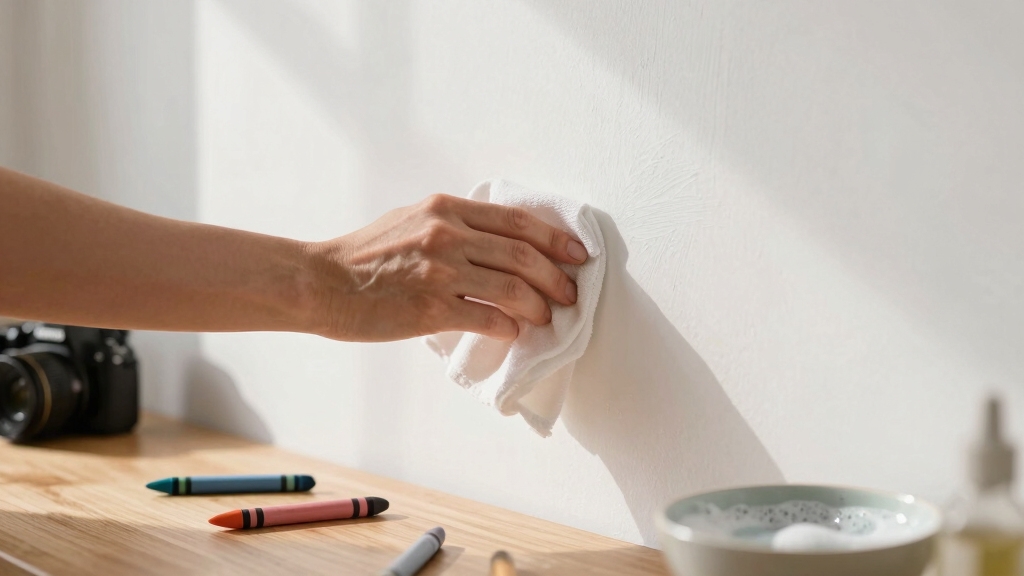
Using its gritty texture, baking soda works wonders for lifting crayon wax from your walls. Just grab a damp rag, dip it in some baking soda, and gently rub the marked areas. It’s really that simple!
Plus, this method is super versatile, so you can use it on different wall surfaces without worrying about causing any damage.
Baking soda’s mild abrasive quality makes it effective yet safe, helping to avoid surface damage while cleaning.
Give it a try next time you find those colorful doodles. You might be surprised at how easily it can help restore your walls!
Baking Soda’s Gritty Texture
Baking soda frequently works as a powerful abrasive that lifts crayon marks from walls. When wet, baking soda forms tiny crystals that create a gritty texture, helping you scrub off wax without damaging paint. This mild abrasiveness gently breaks down crayon residue, making removal efficient with minimal effort.
Here’s how baking soda’s texture aids cleaning:
| Property | Effect on Crayon Removal | User Benefit |
|---|---|---|
| Crystallizes when wet | Creates gritty surface | Enhances scrubbing |
| Mild abrasiveness | Breaks wax coating | Protects paint finish |
| Versatile application | Covers large areas | Saves time |
For stubborn waxy residues, combining gentle mechanical action with natural agents like baking soda can improve cleaning effectiveness by loosening buildup before removal with a scraper or cloth, as recommended in gentle removal approaches.
Effective Crayon Wax Removal
Scrubbing crayon marks with a damp cloth sprinkled with baking soda effectively lifts wax from walls without damaging paint.
When you apply baking soda, its mild abrasive texture breaks down the waxy residue, allowing the damp cloth to lift the crayon off the surface.
To do this, dampen a soft cloth, sprinkle baking soda evenly, and gently rub the stained area in circular motions.
Avoid harsh scrubbing to protect the paint finish.
Baking soda’s crystallized particles provide just enough grit to loosen the crayon without scratching.
This method works well on most painted walls and is safe for regular use.
If faint lines remain, repeat the process or combine it with other safe cleaning methods.
Baking soda remains a reliable, non-toxic solution for effective crayon wax removal.
Always test removal methods on an inconspicuous area to ensure compatibility and avoid damage, as recommended in cleaning safety guidelines.
Versatile Wall Cleaning Use
Although crayon marks can be stubborn, using a damp rag with baking soda offers a versatile and effective way to clean various wall surfaces.
When baking soda gets wet, it forms a gritty texture that gently scrubs away crayon wax without damaging paint.
You simply dampen a rag, sprinkle baking soda on it, and rub the marks in a circular motion.
This method works well on painted, textured, or smooth walls and covers large areas efficiently.
Unlike harsher options, baking soda won’t leave residue or discoloration.
While it removes most crayon wax, faint lines might remain, allowing you to repeat the process as needed.
As a kitchen staple, baking soda provides an accessible, cost-effective solution for tackling crayon stains in your home.
For persistent stains, creating a baking soda paste and gently applying it with a soft brush can enhance cleaning effectiveness without abrasion, similar to techniques used in stain removal for stainless steel bottles.
Removing Crayon With Dish Soap
Using dish soap with a damp sponge provides an effective way to lift crayon marks from painted walls.
Start by wetting a sponge with warm water, then add a few drops of liquid dish soap. Gently scrub the crayon-stained area in a circular motion.
Rinse the sponge often to avoid spreading the wax. After scrubbing, wipe the wall with a clean damp cloth to remove soap residue.
Dry the surface with paper towels to prevent streaks. Repeat as necessary for stubborn marks.
For persistent stains, combining gentle scrubbing with eco-friendly cleaning alternatives can help remove crayon without damaging paint.
| Step | Action |
|---|---|
| 1 | Dampen sponge with warm water |
| 2 | Apply liquid dish soap |
| 3 | Scrub crayon marks circularly |
| 4 | Rinse and dry the wall thoroughly |
Using All-Purpose Cleaners on Painted Walls
You can kick things off by spraying an all-purpose cleaner right on those crayon marks. Just give it a good wipe with some paper towels, and you should see those marks disappear!
It’s a pretty gentle method, but you’ll want to make sure you pick a non-abrasive formula. We don’t want to risk damaging your painted walls, right?
Now, if you find that some stubborn stains are hanging around, don’t worry! Just grab some dish soap to give your cleaning a little boost.
It’s effective without putting your paint at risk. Happy cleaning!
Keep in mind that some all-purpose cleaners may harm sensitive surfaces like painted walls, so always test in a small area first.
Effective Cleaning Techniques
Spray the stained area directly with an all-purpose cleaner to tackle crayon marks on painted walls effectively. Wipe the area immediately using paper towels to lift the wax and pigment before they settle.
If some stains remain, dampen a sponge with warm water and add a drop of dish soap. Clean the wall in gentle circular motions, then rinse with water and dry with paper towels to prevent residue.
For stubborn marks, try a dampened melamine sponge, squeezing out excess water and scrubbing lightly to avoid damage. Baking soda on a damp cloth offers a gentle scrubbing texture to lift crayon without harsh abrasion.
These methods combine ease and safety, ensuring your painted walls stay clean without harm. For best results, always use mild dish soap to safely remove grease and dirt without damaging painted surfaces.
Safe Use Guidelines
Maintaining the integrity of painted walls while removing crayon marks requires careful handling of all-purpose cleaners.
First, always test the cleaner on a small, inconspicuous area to check for discoloration or damage.
Spray the cleaner directly onto the stained spot, avoiding oversaturation that can weaken paint.
Wipe immediately with a soft paper towel or cloth to prevent prolonged exposure.
Avoid harsh scrubbing, as it may strip paint or create uneven patches.
If residue remains, switch to milder methods like dish soap and water before retrying the cleaner.
Make sure the room is well-ventilated to minimize inhaling fumes.
When selecting cleaning products, avoid those containing harsh chemicals like quaternary ammonium compounds to prevent surface damage.
Combining Cleaners Strategically
Although all-purpose cleaners offer effective initial stain removal, combining them strategically with other methods can enhance results and protect your painted walls.
Start by spraying the stained area with an all-purpose cleaner and wiping immediately. If traces remain, follow up with a dish soap approach to lift residual wax gently.
For stubborn marks, use a Magic Eraser carefully to avoid paint damage.
| Step | Cleaner Used | Purpose |
|---|---|---|
| 1 | All-Purpose Cleaner | Initial stain removal |
| 2 | Dish Soap | Residue lifting |
| 3 | Magic Eraser | Tough stain removal |
| 4 | Baking Soda Rag | Final gentle scrubbing |
This methodical combination maximizes cleaning power while preserving your walls’ finish.
Toothpaste as a Quick Crayon Removal Fix
Apply toothpaste directly to crayon marks on your wall to lift wax residue effectively. Use a non-gel, white toothpaste for best results since its mild abrasives break down the wax without damaging paint.
Dab a small amount onto a damp cloth or soft-bristled toothbrush, then gently rub the crayon stains in circular motions. Avoid harsh scrubbing to protect the wall surface.
After treating the area, wipe off the toothpaste with a clean, damp cloth. Repeat the process if any marks remain. This method works well for quick touch-ups and is especially useful when you don’t have specialized cleaning products on hand.
Toothpaste offers a simple, household solution that balances gentle abrasion with ease of use, making it a reliable choice for removing crayon from painted walls.
Household Tricks That Don’t Remove Crayon
While toothpaste can effectively lift crayon marks with its mild abrasives, not every household trick lives up to the same standard.
For instance, mayo may seem like a natural choice, but it fails to break down wax or remove crayon effectively.
Similarly, using a pencil eraser won’t work; it often smudges the stain and wastes time.
These methods neither dissolve the wax nor scrub it away.
To save effort, avoid these ineffective remedies and stick to proven options like baking soda or a Magic Eraser.
They provide the necessary grit or mild abrasion to lift crayon without damaging your walls.
Knowing which tricks don’t remove crayon helps you focus on methods that truly work, making cleanup faster and more efficient.
Removing Tough or Old Crayon Stains
When crayon stains have set deeply or aged, you’ll need stronger techniques to fully restore your walls.
Start with a damp magic eraser sponge. Activate it by squeezing out excess water, then gently scrub the marks. Its melamine foam easily lifts tough wax without damaging paint.
If that’s not enough, try a damp cloth sprinkled with baking soda. Its gritty texture breaks down stubborn crayon residue.
For extra persistence, apply a small amount of toothpaste directly on the stain and rub gently.
Follow up by cleaning the area with warm water and dish soap to remove any leftover residue. These combined methods tackle old, embedded crayon stains effectively, saving you from repainting or more aggressive treatments.
Tips to Prevent Crayon Damage on Walls
Dealing with tough or old crayon stains can be time-consuming, so preventing marks before they happen saves effort and frustration.
Start by designating specific areas for coloring, like a playroom with washable walls or large paper sheets. Use washable crayons to minimize permanent damage.
Apply a clear, washable wall protector or a semi-gloss paint finish, which resists stains better than matte surfaces. Encourage kids to use coloring books or tables rather than walls.
Keep crayons out of reach when not in use to reduce temptation. Regularly clean walls with a mild dish soap solution to remove early marks before they set.
Taking these steps helps you avoid heavy scrubbing or damage to your paint and keeps your walls looking fresh longer.
Frequently Asked Questions
Can Crayon Stains Damage Wallpaper or Textured Walls?
Yes, crayon stains can damage wallpaper or textured walls if you’re not careful during removal.
Wax and pigment may seep into porous surfaces, causing stubborn marks.
Aggressive scrubbing or harsh chemicals can peel or wear away wallpaper and delicate textures.
You’ll want to use gentle methods like a damp cloth or mild cleaner first, testing a small area.
Always avoid abrasive tools that might cause permanent damage to your walls.
Are There Any Safe Crayon Removal Methods for Children’s Rooms?
Yes, you can safely remove crayon from children’s rooms using gentle methods like a damp rag with baking soda or a mild dish soap solution.
These avoid harsh chemicals and protect painted or delicate surfaces. Start with these non-abrasive options before trying a magic eraser, which works well but should be used carefully to prevent damage.
Always test a small area first to make certain the wall finish stays intact.
How Long Should You Wait Before Cleaning Fresh Crayon Marks?
You should clean fresh crayon marks as soon as possible for the best results. The longer you wait, the more the wax sets into the paint, making removal tougher.
Grab a damp magic eraser or use a baking soda damp rag right away to gently scrub the area. Quick action minimizes staining and reduces the effort needed.
If you can’t clean immediately, try to avoid rubbing the marks, as that can spread the wax further.
Can Professional Cleaning Services Remove Crayon Marks Effectively?
Imagine walking into a spotless room where every crayon scribble vanished like magic.
Yes, professional cleaning services can remove crayon marks effectively.
They use specialized tools and solutions that penetrate wax without damaging walls.
You’ll save time and avoid scrubbing frustration.
However, their cost mightn’t be worth it for small stains.
For heavy or stubborn marks, pros deliver results that DIY methods sometimes can’t match.
Is It Possible to Prevent Crayon Stains With Wall Coatings?
Yes, you can prevent crayon stains with special wall coatings like washable or scrubbable paint finishes.
These coatings create a protective layer, making it easier to wipe off crayon marks without damaging the wall.
When you choose a semi-gloss or satin finish, you enhance stain resistance and cleanability.
Applying these coatings before kids start coloring on walls saves you effort later, keeping your walls looking fresh and stain-free.
Turn Everyday Items into Cleaning Heroes
You might think crayon marks are permanent, but with simple household items like baking soda or a magic eraser, they disappear quickly.
While toothpaste or dish soap work for fresh stains, tougher marks demand a bit more effort. Don’t let crayon chaos linger; act fast and choose the right method.
Preventing damage is easier than scrubbing later, so keep these tips handy to protect your walls and maintain a clean, vibrant home.