
How to Remove Hard Water Buildup Fast?
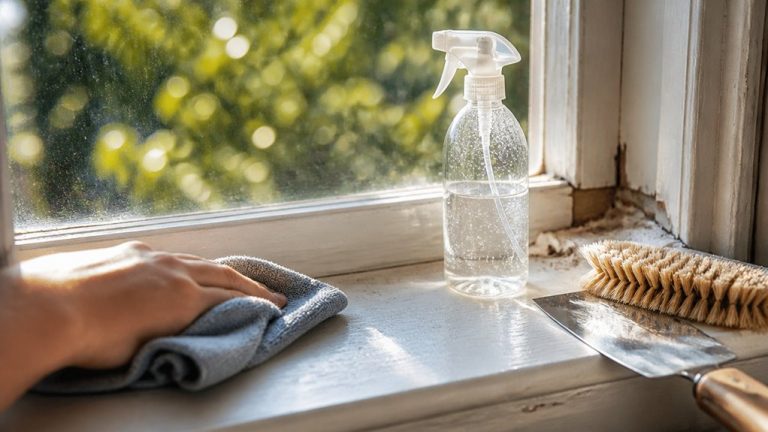
To remove hard water buildup, spray undiluted white vinegar on affected areas. Let it sit 5–10 minutes before scrubbing gently with a non-abrasive cloth.
For tougher stains, apply a baking soda paste or combine baking soda with hydrogen peroxide for enhanced cleaning. Use diluted CLR for persistent deposits, but always rinse thoroughly and test surfaces first.
Prevent future buildup by drying surfaces immediately and installing a water softener. Explore these methods further to keep your fixtures spotless and lasting longer.
Key Takeaways
- Spray undiluted white vinegar on hard water stains, let sit 5–10 minutes, then gently scrub and rinse thoroughly with water.
- Apply baking soda and vinegar mixture to affected areas for fizzing reaction, scrub gently, and rinse to loosen and remove limescale.
- Use diluted CLR (1 part CLR to 8 parts water) on tough stains, let sit 10–15 minutes, then rinse thoroughly with cold water.
- Create baking soda paste with water or hydrogen peroxide, apply to buildup, let sit 10–15 minutes, scrub gently, and rinse well.
- Avoid acidic cleaners on granite; always test cleaners on a hidden spot and wear gloves with good ventilation for safety.
How to Use White Vinegar to Remove Hard Water Stains?

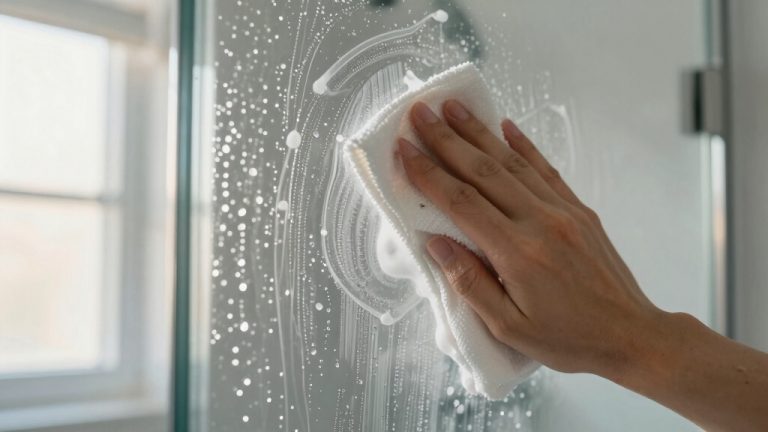
When tackling hard water stains, start by spraying white vinegar directly onto the affected glass surfaces.
The vinegar’s acidity breaks down mineral deposits effectively without damaging most finishes.
Let it sit for 5 to 10 minutes to dissolve buildup. For best results, use undiluted white vinegar or cleaning vinegar variants with higher acidity.
After soaking, scrub gently with a non-abrasive brush or cloth to avoid scratching.
Rinse thoroughly with water to remove loosened minerals and residual vinegar.
Repeat if necessary for tougher stains. Avoid combining vinegar with other chemical agents like hydrogen peroxide during this process to prevent unwanted reactions.
This straightforward method provides an efficient, safe solution to hard water stains on glass, faucets, and fixtures without harsh chemicals or abrasives.
Because hard water contains calcium and magnesium ions that cause buildup, using a water softener can help reduce future stains.
How to Use Baking Soda for Hard Water Mineral Removal?
Dealing with hard water buildup? No worries! First, whip up a simple baking soda paste by mixing baking soda with a little water. This gentle abrasive will help you tackle the buildup without scratching your surfaces.
Now, if you’re facing some stubborn mineral deposits, here’s a little trick: combine baking soda with vinegar in a 1:2 ratio. This combo creates a fun fizzing reaction that really helps loosen that tough buildup. Just apply the mixture, let it sit for a short while, and then grab a scrubber. A quick scrub and rinse will have your fixtures looking good as new!
Always rinse thoroughly with distilled water and dry immediately using a microfiber cloth to prevent new hard water spots.
Baking Soda Paste
Create a baking soda paste by mixing baking soda with a small amount of water or hydrogen peroxide for enhanced cleaning power.
The paste’s mild abrasiveness effectively loosens hard water mineral deposits without damaging most surfaces.
Apply the paste directly to the buildup using a soft cloth or sponge, ensuring even coverage.
Let it sit for 10 to 15 minutes to penetrate and break down the minerals.
For stubborn deposits, hydrogen peroxide boosts cleaning by acting as a gentle bleaching agent, lightening discoloration while dissolving stains.
Afterward, gently scrub the area in circular motions to lift residue, then rinse thoroughly with water to remove all paste traces.
This method provides a practical, low-cost solution for regular maintenance and targeted removal of hard water deposits on fixtures and tiles.
For best results, use a soft-bristle brush to scrub without scratching delicate surfaces.
Combination With Vinegar
Combining baking soda with vinegar creates a powerful fizzing reaction that effectively breaks down hard water mineral deposits.
When you mix one part baking soda with two parts vinegar, the resulting chemical reaction loosens stubborn limescale without damaging most surfaces.
This combo works well on faucets, glass, and tiles where hard water buildup accumulates.
To use, apply the mixture directly to affected areas, let it sit for 5–10 minutes, then scrub gently with a brush or sponge.
The mild abrasiveness of baking soda, paired with vinegar’s acidity, breaks down deposits efficiently.
Use undiluted white vinegar for stronger acidity.
Avoid excessive mixing to prevent unwanted reactions.
Rinse thoroughly after scrubbing to remove residue.
For outdoor stone surfaces, it is important to use a pH-neutral cleaner to avoid etching or dulling the granite when removing hard water buildup.
Combining Baking Soda and Hydrogen Peroxide for Hard Water Stains
Mix baking soda with hydrogen peroxide to form a potent paste that tackles stubborn hard water stains effectively.
The mild abrasiveness of baking soda gently scrubs mineral deposits, while hydrogen peroxide acts as a bleaching agent that dissolves and lightens discoloration.
Combine about two parts baking soda with one part hydrogen peroxide until you achieve a thick, spreadable consistency.
Apply the paste directly onto the stained areas and let it sit for 10–15 minutes to penetrate the buildup.
Then, scrub with a non-abrasive sponge or brush to lift residues without damaging surfaces.
Rinse thoroughly with warm water to remove all residues.
This combination avoids harsh chemicals and works well on lighter or white surfaces where stains are visible, offering a safe, efficient solution for persistent hard water deposits.
However, it is important to avoid using acidic cleaners like vinegar on concrete surfaces frequently, as their acetic acid reaction can cause surface erosion and weaken the material over time.
How and When to Use CLR for Tough Hard Water Stains?
When you’re dealing with tough hard water stains, it’s important to mix CLR just right. A good rule of thumb is to dilute it at a ratio of one part CLR to eight parts water. This way, you get a safe and effective solution.
Once you’ve got your mixture ready, go ahead and apply it directly to the stained areas. Let it sit for about 10 to 15 minutes—this gives it time to work its magic. After that, make sure to rinse thoroughly with cold water to wash everything away.
Oh, and don’t forget to wear gloves! It’s always a good idea to ensure proper ventilation too, since CLR can be pretty strong. Better safe than sorry, right?
Because CLR is a strong cleaner, it’s best to test it on a small, hidden spot first to avoid damaging your granite’s surface.
Proper CLR Dilution
Although CLR is a powerful solution for tough hard water stains, you need to dilute it properly to guarantee safety and effectiveness. Always mix one part CLR with eight parts water to make certain the chemical is strong enough to remove limescale but safe for most surfaces.
Over-concentrating can damage finishes, and under-diluting reduces cleaning power. Use the diluted solution on appropriate areas like kettles, boilers, or toilet bowls. Never apply it full strength.
Keep these key points in mind:
Prepare fresh dilution before each use to maintain potency. Allow the solution to sit for 10–15 minutes before rinsing thoroughly with cold water. Always wear gloves and ensure good ventilation to protect your skin and lungs.
Proper dilution maximizes results while minimizing damage and risks. For persistent mineral buildup, consider combining chemical treatment with steam cleaning techniques to enhance removal without harming surfaces.
Application Techniques
Once you’ve prepared the properly diluted CLR solution, focus on applying it exactly where tough hard water stains persist. Use a sponge or cloth to apply the solution evenly.
Let it sit for 10-15 minutes to allow the chemicals to break down mineral deposits. Avoid letting CLR dry on surfaces. After soaking, rinse thoroughly with cold water to remove residue and prevent damage.
Repeat if necessary for stubborn buildup. Use CLR on non-porous surfaces like kettles, toilets, and faucets, avoiding delicate finishes.
For best results, apply CLR using its convenient spray bottle to target hard-to-reach areas effectively.
| Step | Action |
|---|---|
| Application | Apply diluted CLR with sponge |
| Dwell Time | Let sit 10-15 minutes |
| Rinse | Rinse thoroughly with cold water |
| Repeat | Repeat if stains persist |
Safety Precautions
Because CLR contains strong chemicals designed to break down tough mineral deposits, you must handle it with care to avoid damage to surfaces and personal injury.
Always dilute CLR properly; mix one part CLR with eight parts water to reduce its corrosiveness.
Use it only on compatible materials like kettles, toilets, or boilers. Avoid delicate finishes or natural stone.
Apply CLR in a well-ventilated area and wear gloves to protect your skin from irritation.
Test CLR on a small, hidden area before full application to prevent surface damage.
Allow CLR to sit for 10-15 minutes, then rinse thoroughly with cold water to remove residue.
Never mix CLR with other cleaning agents, especially bleach or ammonia, to avoid toxic fumes.
For hardwood floors, always ensure that any cleaning or disinfecting product used is compatible with sealed hardwood to prevent finish damage.
Cleaning Hard Water Buildup With Toothpaste and Household Items
You can tackle hard water buildup effectively using common household items like toothpaste, borax, and lemon juice. Fluoride toothpaste contains active compounds that break down mineral deposits. Apply it with an old toothbrush, scrubbing directly on affected surfaces.
For tougher stains, mix borax with vinegar to create a potent paste that loosens buildup through combined abrasiveness and acidity. Lemon juice, with acidity similar to vinegar, also dissolves mineral layers without harsh chemicals.
Apply these solutions, let them sit briefly, then scrub and rinse thoroughly. Regular weekly cleaning with these items prevents buildup from becoming stubborn, reducing the need for intensive treatments.
Using these accessible materials offers a safe, cost-effective method to maintain fixtures and surfaces prone to hard water stains. However, it is important to avoid acidic cleaners like vinegar on granite surfaces to prevent etching or dulling the stone.
Why Hard Water Buildup Happens?
Household items like toothpaste and vinegar can help manage hard water buildup. Understanding why it forms helps you prevent it in the first place.
Hard water contains high levels of minerals, primarily calcium and magnesium, that leave deposits when water evaporates. These mineral deposits harden, creating the stubborn buildup you see on fixtures and surfaces.
You’ll notice buildup accelerates in areas with frequent water exposure combined with evaporation, like faucets and showerheads.
It also occurs in regions with high mineral concentration in your local water supply. Warm water environments increase mineral precipitation, contributing to the problem.
Preventing Hard Water Buildup With Regular Maintenance
You know, one of the easiest ways to prevent hard water buildup is to dry surfaces right after they get wet. It really helps stop those pesky minerals from settling in.
Also, if you’re looking for a more long-term solution, think about installing a water softening system. It can really make a difference by removing those hardness minerals right at the source, which means fewer deposits around your home.
And here’s the thing: keeping up with regular maintenance using these methods not only keeps limescale from becoming a permanent problem, but it also cuts down on the need for deep cleaning later on. So, a little effort now can save you a lot of hassle down the line!
Daily Surface Drying
Consistently drying surfaces immediately after water exposure prevents mineral deposits from settling and bonding to glass, tiles, and faucets. This simple step interrupts the hard water buildup process before it starts, saving you time and effort on tough cleanings later.
Use a microfiber cloth or squeegee for best results, as these tools efficiently remove water without scratching surfaces.
To integrate daily surface drying into your routine, focus on:
Wiping down shower walls and doors after each use to prevent water spots.
Drying bathroom sinks and faucets after handwashing or shaving.
Quickly drying kitchen counters and backsplashes following food prep or dishwashing.
Water Softening Systems
While daily drying helps reduce mineral deposits, installing a water softening system tackles hard water at its source by removing excess minerals before they reach your fixtures.
These systems use resin beads charged with sodium ions to attract and trap calcium and magnesium, the primary culprits of hardness.
Periodically, the system regenerates by flushing trapped minerals with a salt solution, ensuring continuous efficiency.
By softening the water entering your home, you prevent limescale buildup on pipes, faucets, and appliances, reducing maintenance and prolonging their lifespan.
Regularly check salt levels and schedule system regeneration as recommended to maintain peak performance.
Investing in a water softening system offers a proactive, long-term solution to hard water, complementing routine cleaning and drying to keep your surfaces spotless and damage-free.
Drying Surfaces to Stop Mineral Deposits
Preventing mineral deposits starts with drying surfaces immediately after water exposure.
When water evaporates slowly, dissolved minerals crystallize and form stubborn buildup. To stop this, wipe down faucets, glass, and tiles right after use.
Use microfiber cloths that absorb water efficiently without leaving fibers behind.
Focus on these steps:
Dry flat surfaces and crevices thoroughly to prevent moisture pockets where minerals accumulate. Use squeegees on glass doors and shower walls for quick water removal. Keep drying tools accessible near sinks and showers for consistent use.
Installing Water Softeners to Eliminate Hard Water at the Source
Installing a water softener tackles hard water issues directly at the source by removing excess minerals before they reach your plumbing and fixtures.
Installing a water softener eliminates hard water minerals before they damage your pipes and fixtures.
You’ll install the system where water enters your home, ensuring all outgoing water gets treated.
Water softeners use resin beads charged with sodium or potassium ions that attract and trap calcium and magnesium ions, the hardness minerals responsible for buildup.
The system periodically flushes these minerals out during regeneration, maintaining efficiency.
Choose a softener sized for your household water usage and hardness level for peak performance.
Proper installation and regular salt refills keep the system working smoothly, preventing scale buildup inside pipes, appliances, and fixtures.
This proactive approach reduces maintenance needs and extends the lifespan of your plumbing infrastructure.
Long-Term Tips for Spotless Faucets, Glass, and Tiles
To keep your faucets, glass, and tiles spotless over time, you need to adopt consistent habits that minimize mineral buildup before it hardens into stains.
Dry all surfaces immediately after use to prevent water spots and mineral deposits. Use microfiber cloths for gentle, effective drying and polishing.
Regularly apply mild cleaning agents like white vinegar to dissolve early mineral deposits without damaging finishes. Installing a water softener system helps by removing hardness minerals from your water supply, reducing the root cause of buildup.
Wipe and dry surfaces after every use to prevent mineral crystallization. Schedule weekly cleanings with vinegar or baking soda pastes for maintenance.
Use a water softener to reduce mineral content and protect fixtures long-term. These steps maintain pristine surfaces and reduce intensive cleaning needs.
Frequently Asked Questions
Can Hard Water Buildup Damage Plumbing Pipes?
Yes, hard water buildup can damage your plumbing pipes.
Mineral deposits like calcium and lime accumulate inside pipes, reducing water flow and increasing pressure. This may cause leaks or pipe bursts over time.
You should address buildup early by using descaling agents or water softeners to prevent corrosion and blockages.
Regular maintenance helps maintain pipe integrity and prolongs your plumbing system’s lifespan, avoiding costly repairs or replacements.
Are There Natural Alternatives to Chemical Cleaners for Hard Water Stains?
Imagine your faucet as a fortress under siege by mineral invaders. You can repel them naturally using white vinegar’s acidity, which dissolves deposits without harsh chemicals.
Baking soda acts like a gentle sandstorm, scrubbing away buildup safely. Lemon juice offers a similar acidic assault, while hydrogen peroxide lightens stains.
These eco-friendly agents break down hard water stains effectively, giving you practical, non-toxic alternatives to chemical cleaners.
How Often Should Water Softeners Be Serviced or Replaced?
You should service your water softener annually to guarantee peak performance. This includes checking salt levels, cleaning the brine tank, and inspecting resin beads.
Replace the resin beads every 10-15 years, depending on water hardness and usage. Regular maintenance prevents mineral buildup in your system and prolongs its lifespan.
If you notice reduced softening efficiency or salt bridging, it’s time for immediate inspection or replacement.
Does Hard Water Buildup Affect Appliances’ Energy Efficiency?
Yes, hard water buildup reduces your appliances’ energy efficiency.
Mineral deposits insulate heating elements in water heaters, forcing them to work harder and consume more energy.
Similarly, buildup in dishwashers and washing machines decreases water flow, causing longer cycles and increased power use.
Regularly removing limescale with descaling agents like vinegar or CLR helps maintain peak performance, lowers energy consumption, and extends your appliances’ lifespan.
Can Hard Water Stains Cause Health Issues or Skin Irritation?
You mightn’t realize it, but hard water stains can contribute to skin irritation.
The mineral deposits, primarily calcium and magnesium, leave residues that dry your skin and cause itchiness or flare-ups, especially if you have sensitive skin or conditions like eczema.
While the stains themselves aren’t toxic, they indirectly worsen skin health by disrupting your skin’s natural moisture balance.
Addressing hard water buildup helps protect your skin’s comfort and integrity.
Take Control of Hard Water Problems Today
Don’t let hard water buildup frustrate you. It’s easier to tackle than you think. While commercial cleaners might seem quicker, natural methods like vinegar and baking soda are just as effective and safer for your surfaces.
Regular maintenance and drying surfaces prevent stubborn stains from forming, saving you time and effort. For persistent problems, installing a water softener addresses the root cause.
With these practical steps, you’ll keep your faucets, glass, and tiles spotless without harsh chemicals.