How Do You Get Olive Oil Out of Carpet: DIY Cleaning Methods
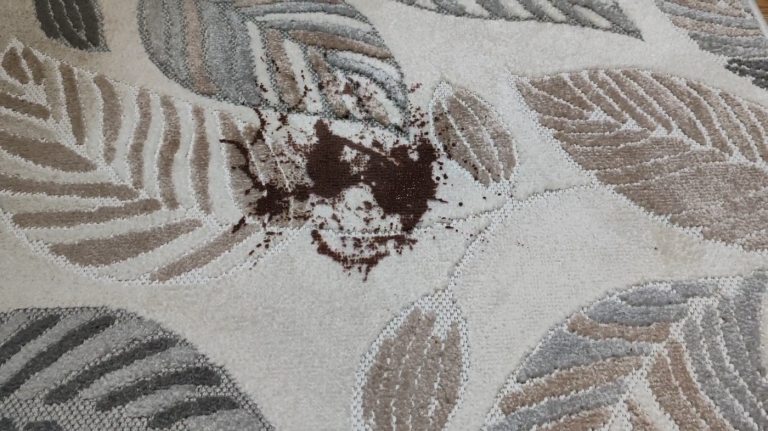
To get olive oil out of carpet, immediately blot the spill gently with absorbent paper towels or cloth. Never rub to prevent deeper fiber penetration.
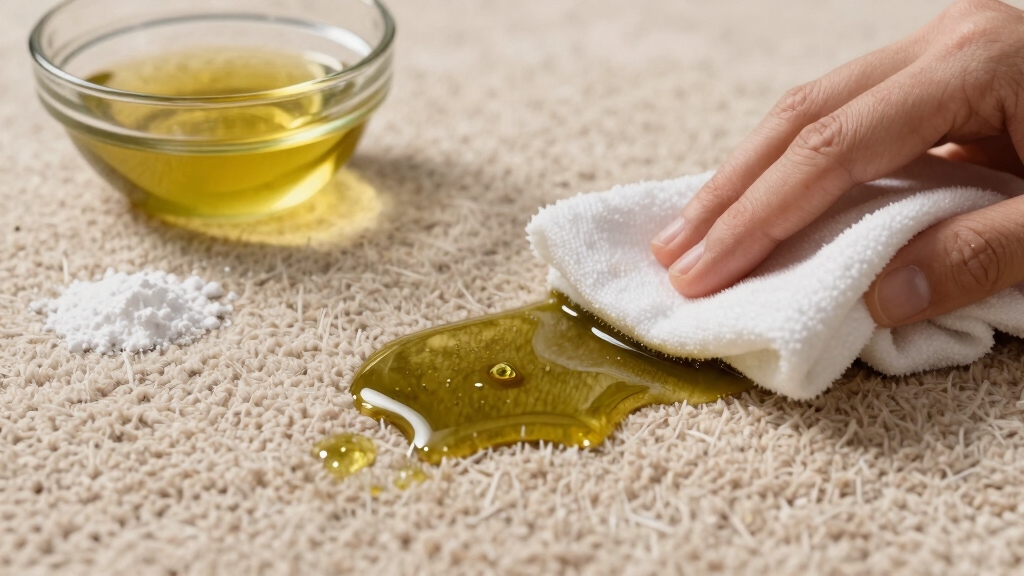
Next, sprinkle baking soda or cornstarch to absorb residual oil. Let it sit for 15-30 minutes before vacuuming thoroughly.
Apply a vinegar and dish soap mix, blotting carefully to dissolve oil. Rinse and dry the area completely.
For stubborn stains, specialized treatments may be required. Following these steps guarantees effective removal and preserves your carpet’s integrity.
Key Takeaways
- Immediately blot the olive oil spill gently with absorbent paper towels or cloth without rubbing or scrubbing.
- Sprinkle baking soda or cornstarch over the stain to absorb oil, let sit 15-30 minutes, then vacuum thoroughly.
- Apply a mixture of white vinegar, dish soap, and warm water to the stain, blot gently, and work with a soft brush if needed.
- Rinse treated area with a damp cloth, blot excess moisture with dry towels, and allow carpet to air dry completely.
- Seek professional cleaning for deeply embedded, large, or aged stains beyond 24 hours to avoid permanent damage.
How to Blot Olive Oil Spills Immediately on Carpet?
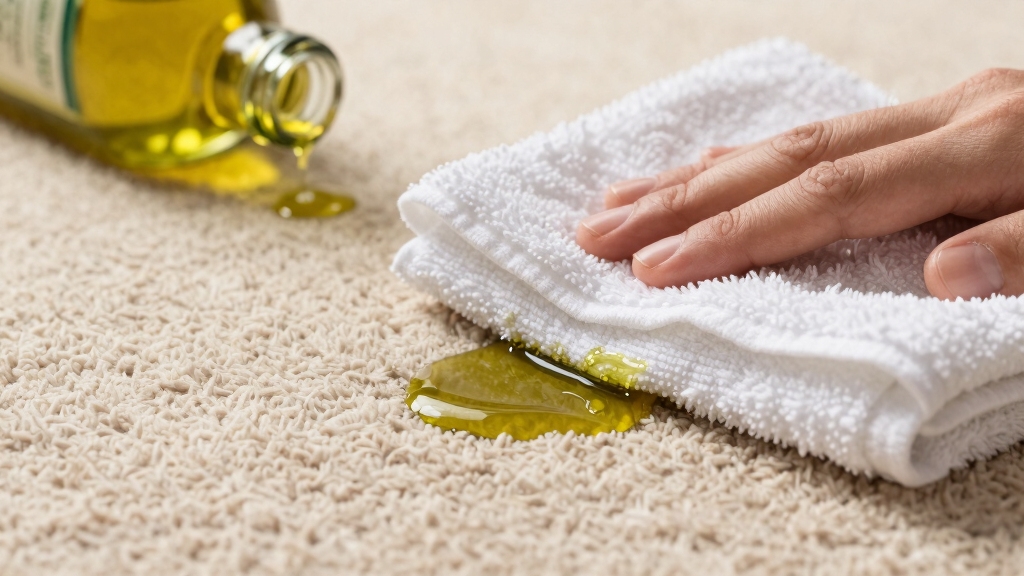
Immediately blotting olive oil spills on carpet is essential to prevent the oil from penetrating deeper into the fibers.
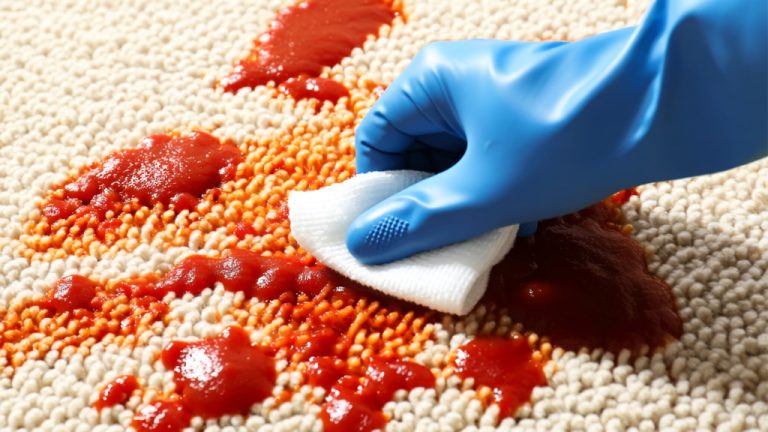
As soon as the spill occurs, grab absorbent kitchen paper or a clean cloth and gently blot the affected area without scrubbing.
This action absorbs excess oil on the surface, reducing saturation.
Avoid rubbing or pressing hard, as this drives oil further into the carpet pile.
For thick or sticky oil, carefully scrape off residue with a butter knife or spoon, ensuring you don’t damage fibers.
Continue blotting with fresh paper towels until no more oil transfers.
Prompt blotting limits the stain’s spread and sets the foundation for effective subsequent treatments, maintaining your carpet’s integrity and appearance.
Using absorbent materials like sand or cat litter can also help contain larger oil spills and prevent spreading if immediate blotting is insufficient.
Why Rubbing Spreads Olive Oil Stains and How to Avoid It?
When you rub an olive oil spill, it’s like you’re inviting trouble. You end up pushing the oil deeper into the carpet fibers and spreading it out over a larger area, which just makes the stain worse.
Instead of rubbing, try to act quickly!
Grab something absorbent and gently blot the spill. Just press down lightly to lift the oil without pushing it in further.
This simple technique helps keep the stain from setting and makes the cleaning process a whole lot easier later on.
Maintaining low moisture levels during cleaning is essential to protect carpet integrity and prevent the stain from spreading further.
Effects Of Rubbing
Although it might seem intuitive to rub the olive oil stain to remove it, doing so actually forces the oil deeper into the carpet fibers. This makes the stain harder to eliminate.
When you rub, you spread the oil laterally and push it into the carpet pile’s base. This increases the affected area and embeds the grease, complicating cleaning.
The oil binds tightly with fibers, resisting surface-level treatments. Instead of scrubbing, avoid any friction that disrupts the carpet’s structure, as it exacerbates staining and fiber damage.
Recognize that immediate, gentle blotting is essential to limit oil absorption. By refraining from rubbing motions, you maintain the oil’s surface containment.
This enables absorbents and cleaning agents to work effectively without driving the stain further into the carpet. Acting quickly to blot the stain also reduces the risk of fiber damage and spreading.
Proper Blotting Techniques
To effectively tackle olive oil stains on carpet, you need to understand why rubbing only makes the problem worse. Rubbing forces the oil deeper into carpet fibers, increasing stain size and embedding grease in hard-to-reach areas.
Instead, immediately blot the spill with absorbent paper towels or a clean cloth, pressing gently without scrubbing. This method lifts excess oil from the surface without spreading it.
For thick oil, carefully scrape off residue with a blunt edge before blotting. Blot repeatedly using fresh towels to maximize absorption.
Avoid circular or back-and-forth motions; these actions push oil further into the pile, complicating removal. Proper blotting maintains your carpet’s integrity and improves the effectiveness of subsequent treatments like absorbent powders or cleaning solutions.
Additionally, sprinkling absorbent powders such as cornstarch or talcum powder on the stain can help draw out residual oil before cleaning.
Using Absorbent Powders to Remove Olive Oil Stains From Carpet
When you’re dealing with an olive oil stain on your carpet, the first thing you’ll want to do is grab some highly absorbent powder. Baking soda, cornstarch, or even talcum powder work wonders for this! Just sprinkle it generously over the stain.
Now, let that powder sit for about 15 to 30 minutes. This gives it enough time to really soak up that pesky oil from the carpet fibers. After waiting, it’s time to vacuum the area thoroughly.
If you still notice any oily residue, don’t worry! Just repeat the process until the stain is completely gone. Easy peasy!
Using powders with highly porous fine powders can enhance oil absorption and neutralize odors effectively.
Choosing Effective Absorbents
Several absorbent powders excel at drawing olive oil out of carpet fibers by effectively pulling the oil to the surface.
When selecting an absorbent, you want one that maximizes uptake without damaging fibers or leaving residues.
Consider these key criteria:
- Porosity: Higher porosity powders like baking soda and cornstarch absorb more oil quickly.
- Particle Size: Fine powders distribute evenly and penetrate carpet piles better than coarse grains.
- Chemical Neutrality: Choose powders that won’t react chemically with the carpet or oil, avoiding discoloration or fiber degradation.
- Ease of Removal: Opt for powders that vacuum cleanly, preventing leftover residue that can attract dirt.
Using absorbents that do not contribute to carpet cleaner residue helps maintain carpet cleanliness and prevents further buildup.
Application And Removal Steps
Selecting the right absorbent powder sets the foundation for effective stain removal, but precise application and removal techniques determine the overall success.
Begin by immediately blotting the excess olive oil with paper towels, avoiding rubbing to prevent deeper penetration.
Generously sprinkle baking soda, cornstarch, talcum powder, or flour over the affected area to absorb residual oil.
Let the powder sit for at least 15-30 minutes, extending up to an hour for stubborn stains.
After absorption, vacuum thoroughly to remove all powder residue.
If oil remains, repeat the powder application to enhance extraction.
This method disrupts the oil’s bond with carpet fibers, facilitating subsequent cleaning steps.
Always make certain complete powder removal to avoid residue buildup, which can attract dirt and compromise carpet texture.
For best results, use baking soda’s mild abrasiveness to lift oil particles gently without damaging carpet fibers.
How to Make and Apply a Vinegar and Dish Soap Solution
When tackling olive oil stains on carpet, creating a vinegar and dish soap solution provides an effective cleaning agent that breaks down oil residues without damaging fibers.
To prepare and apply this solution properly:
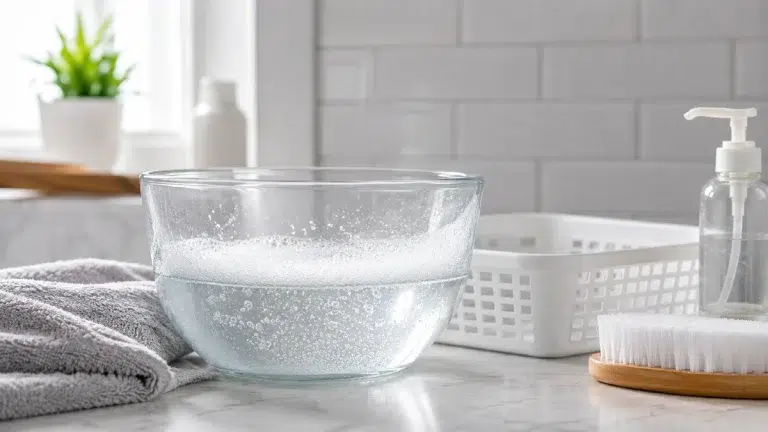
- Mix one part white vinegar, one part dish soap, and two parts warm water in a clean container.
- Apply the mixture to the stain using a cloth or sponge, blotting gently to avoid spreading oil.
- Work the solution into the carpet fibers with a soft toothbrush if the stain is stubborn, allowing 15 minutes for the solution to penetrate.
- Blot repeatedly with fresh cloths, rinsing with warm water until the stain disappears.
This method balances acidity and surfactants, efficiently dissolving olive oil while preserving carpet integrity. Using a cleaner with multi-stage filtration afterward can help remove any remaining allergens stirred up during stain removal.
Advanced Stain Treatments: Using Rubbing Alcohol and Hydrogen Peroxide
If the vinegar and dish soap solution doesn’t fully eliminate the olive oil stain, you can escalate your cleaning approach with rubbing alcohol or hydrogen peroxide treatments.
For deep-set stains, dampen a cloth with rubbing alcohol and gently dab the affected area. Allow the alcohol to break down the grease for several minutes before blotting with a fresh damp cloth. Repeat as needed.
For older, set-in olive oil stains, mix hydrogen peroxide with dish soap, testing first on a hidden carpet spot to avoid discoloration. Apply the mixture, let it penetrate, then blot thoroughly to extract residue.
Both methods require careful blotting without scrubbing to prevent fiber damage and ensure effective stain removal. These advanced treatments target stubborn oil residues that simpler solutions can’t fully address.
Always test any cleaner first on an inconspicuous area to ensure fabric safety and prevent damage.
How to Rinse and Dry Your Carpet After Cleaning?
After completing stain removal, thoroughly rinsing your carpet is pivotal to eliminate any residual cleaning agents that could attract dirt or damage fibers over time.
Follow these steps to guarantee effective rinsing and drying:
- Use a damp cloth soaked in clean, warm water to blot the treated area, removing all traces of cleaning solutions without saturating the carpet.
- Blot the area repeatedly with dry paper towels or a clean cloth to absorb excess moisture, preventing prolonged dampness.
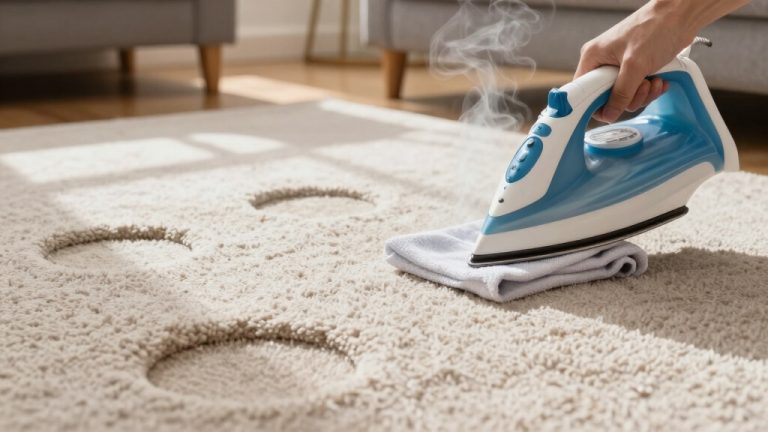
- Allow the carpet to air dry completely; use fans or open windows to accelerate airflow and reduce drying time.
- For heavily damp areas, press additional paper towels over the surface periodically to wick out moisture and inhibit mildew or mold development.
Implementing these steps preserves carpet integrity and guarantees a clean, safe finish after olive oil stain treatment. Avoid harsh scrubbing to protect the carpet fibers during cleaning and drying.
How to Handle Stubborn Olive Oil Stains?
Although standard cleaning methods often remove fresh olive oil stains, stubborn or set-in stains require targeted treatments to break down embedded grease effectively.
Start by applying rubbing alcohol to a damp cloth and gently dabbing the stain to dissolve deep-set oil. Allow it to penetrate for several minutes before blotting with a fresh cloth.
For particularly resistant stains, prepare a mixture of hydrogen peroxide and dish soap; always test on a hidden carpet area first. Apply the solution, let it work into the fibers, then blot thoroughly.
Repeat these steps as needed, ensuring you rinse the area with warm water afterward to remove residues. Finally, blot dry completely to avoid moisture retention, which could cause mildew or fiber damage.
Tips for Preventing Olive Oil Stains on Carpet
When working with olive oil near carpeted areas, take proactive steps to minimize the risk of spills and stains. Implementing preventive measures helps maintain your carpet’s integrity and reduces the need for intensive cleaning. Follow these key tips:
Take proactive steps to prevent olive oil spills and maintain your carpet’s integrity with simple, effective precautions.
- Place protective mats or trays beneath bottles and containers to catch drips or leaks immediately.
- Avoid using olive oil near carpeted zones; restrict its use to kitchen countertops or hard surfaces.
- Clean up any spills instantly by blotting with absorbent cloths. Never rub, as it drives oil deeper into fibers.
- Regularly inspect carpet edges and high-traffic areas near kitchens to identify early signs of contamination and address them promptly.
When to Seek Professional Help for Olive Oil Stains?
If your attempts to remove olive oil stains have failed despite following recommended techniques, it’s time to explore professional cleaning services.
Persistent stains, especially those deeply embedded or aged beyond 24 hours, often require advanced extraction methods that household treatments can’t provide.
Professionals use industrial-grade solvents and hot water extraction machines designed to dissolve and lift oil without damaging carpet fibers.
If the stain size exceeds a few square inches or if your carpet is delicate or valuable, relying on experts minimizes risks of discoloration or fiber degradation.
Additionally, if you notice lingering odors or residual stickiness after DIY efforts, professional intervention guarantees thorough cleaning.
Don’t delay; early professional treatment can prevent permanent damage and preserve your carpet’s appearance and longevity.
Frequently Asked Questions
Can Olive Oil Stains Cause Permanent Damage to Carpet Fibers?
Yes, olive oil stains can cause permanent damage to carpet fibers if you don’t act promptly. The oil seeps deep, weakening fibers and attracting dirt, leading to discoloration and fiber breakdown.
If left untreated, the stain sets and becomes nearly impossible to remove, compromising both appearance and texture. You’ll need immediate blotting and thorough cleaning to prevent long-term harm and preserve your carpet’s integrity effectively.
Are Certain Carpet Materials More Resistant to Olive Oil Stains?
Wondering if some carpet materials resist olive oil stains better? Yes, synthetic fibers like nylon and polyester are more resistant because they repel oil and are easier to clean.
Natural fibers like wool absorb oil quickly, making stains harder to remove. When dealing with olive oil, you’ll find synthetic carpets give you more time to act and less risk of permanent damage.
Natural fibers demand immediate attention and gentle treatment.
How Long Can Olive Oil Sit Before It Becomes Impossible to Remove?
Olive oil becomes markedly harder to remove after 24 to 48 hours. As it sits, the oil penetrates deeper into carpet fibers, bonding with them and setting the stain.
Immediate action within the first hour is essential to prevent permanent damage. After two days, even professional cleaning methods might struggle to restore the carpet fully.
Consequently, you should act promptly: blot, absorb, and treat stains to maximize removal success before the oil sets irreversibly.
Can Olive Oil Stains Be Removed Without Using Any Chemicals?
Yes, you can remove olive oil stains without chemicals by immediately blotting the spill with absorbent paper towels or cloths to prevent deeper penetration.
Then, generously sprinkle baking soda, cornstarch, or talcum powder over the area and let it sit for at least 15-30 minutes to absorb the oil.
Afterward, vacuum thoroughly.
This physical absorption method effectively lifts oil residues without involving chemical cleaners, especially if you act promptly.
Is It Safe to Use Bleach on Olive Oil Carpet Stains?
You shouldn’t use bleach on olive oil carpet stains because bleach can damage carpet fibers and cause discoloration.
Instead, opt for safer, tested methods like absorbent powders, vinegar and dish soap solutions, or rubbing alcohol for stubborn stains.
Bleach’s harsh chemical properties can weaken fibers and ruin your carpet’s appearance, so avoid it.
Always test any treatment on a hidden spot first to prevent damage.
Remove Olive Oil Stains Quickly to Protect Your Carpet
Olive oil stains can be stubborn. Did you know over 70% of carpet owners struggle to remove oil-based stains effectively?
Acting fast and using the right techniques, like blotting immediately and applying absorbent powders, markedly improves your chances.
Avoid rubbing to prevent spreading the stain. Use targeted solutions like vinegar or rubbing alcohol for tougher spots.
If stains persist despite your best efforts, don’t hesitate to call a professional to protect your carpet investment.