
How to Get Rid of Cat Poop Smell on Carpet: Easy Cleaning Guide
To get rid of cat poop smell on your carpet, act fast and wear gloves to avoid contact.
Remove solids gently without scrubbing, then blot with cold water and mild detergent.
Apply equal parts vinegar and water to neutralize odors, followed by an enzymatic cleaner to break down residue.
Let the carpet dry completely, avoid heat or scrubbing, and vacuum baking soda left overnight to absorb smells.
Keep cats away until fully dry to prevent re-soiling.
You’ll find effective tips for thorough cleaning and prevention ahead.
Key Takeaways
- Immediately remove solid waste using damp paper towels, avoiding rubbing or scrubbing to prevent staining and odor setting.
- Apply equal parts white vinegar and water to neutralize ammonia odors and follow with an enzymatic cleaner for organic residue breakdown.
- Blot the affected area gently with cold water and mild detergent, then rinse thoroughly to remove cleaning residues and prevent mold.
- Sprinkle baking soda over the dry carpet, let sit overnight, then vacuum thoroughly to absorb and eliminate lingering odors.
- Ensure proper ventilation and keep cats away during drying to prevent re-soiling and allow treatments to fully neutralize odors.
Remove Cat Poop From Carpet Safely

Before you start cleaning, put on rubber gloves to protect your hands and avoid direct contact with the mess.
Begin by scraping large chunks of cat poop using a wet paper towel or damp cloth, then flush them down the toilet.
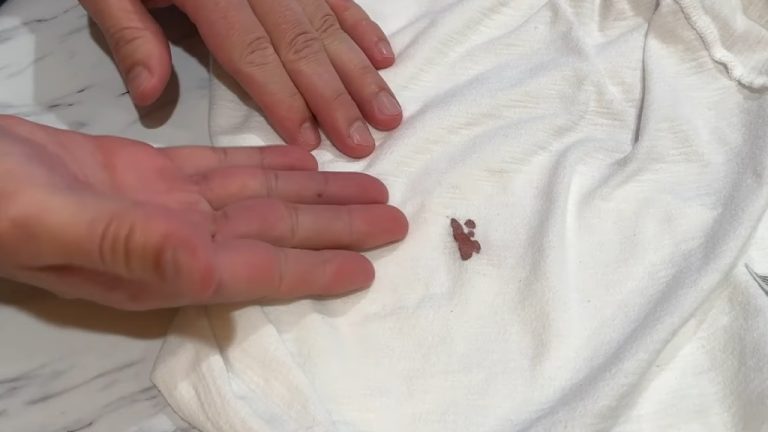
For dried poop, gently pinch carpet fibers with a damp cloth to lift the residue without disturbing the weave.
Avoid scraping or pulling edges aggressively, as this can damage the carpet texture.
If the feces are soft or liquid, use multiple wet paper towels to absorb and remove it thoroughly.
Always pick away the mess gently with damp paper towels or baby wipes, steering clear of rubbing, which can push the stain deeper into the fibers.
To prevent lingering odors, consider applying an enzymatic cleaner specifically designed to break down organic stains.
Choose the Best Cleaning Solutions for Cat Poop Stains
Select cleaning solutions that effectively target both stains and odors caused by cat feces.
Start with a mild detergent mixed with cold water to gently lift stains without damaging carpet fibers.
You can also use oxy-based cleaners for tougher discolorations. Spray them directly on the stain and let them sit briefly before blotting.
Avoid harsh chemicals or bleach, as they may harm your carpet or worsen odors.
If you want extra stain loosening, lightly apply 3% hydrogen peroxide on a white rag and dab carefully.
Always test any cleaner on a hidden spot first to check for colorfastness.
Remember to use cold water only and never scrub aggressively, as this can push stains deeper or ruin the carpet’s texture.
This methodical approach guarantees effective stain removal while preserving carpet quality.
For persistent odors, consider professional treatments that use enzymatic cleaners to chemically neutralize and break down odor-causing compounds.
Neutralize Cat Poop Odors With Vinegar and Enzymatic Cleaners
To tackle lingering cat poop odors effectively, start by applying a vinegar solution to neutralize the ammonia-based smell.
Begin by using a vinegar solution to neutralize stubborn ammonia odors from cat waste.
Then follow up with an enzymatic cleaner to break down the organic compounds causing the odor.
Mix equal parts white vinegar and water, then saturate the affected carpet area.
Let it sit briefly to neutralize the ammonia scent.
Next, apply an enzymatic cleaner according to the product instructions, ensuring you cover both the stain and surrounding fibers.
These cleaners digest organic matter, removing the odor source and discouraging your cat from returning.
Use cold water to dilute and apply solutions to avoid setting stains.
Avoid scrubbing, which can embed odors deeper, and always test cleaners on a hidden spot first.
This method systematically eliminates odors for a fresh, clean carpet.
When dealing with organic stains and odors, it is important to use enzyme-based cleaners as they effectively break down protein-based residues without damaging fabric fibers.
Blot and Rinse Carpet Effectively After Cleaning
Once you’ve treated the odor with vinegar and enzymatic cleaners, it’s important to properly blot and rinse the carpet to remove any remaining residue.
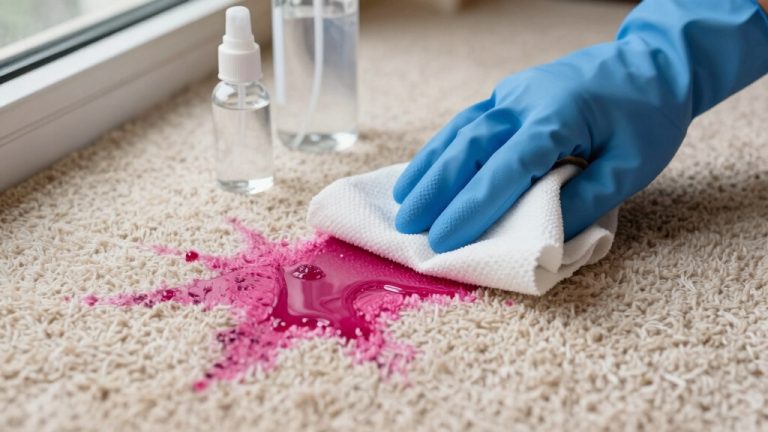
Start by blotting the area with white paper towels immediately, then dispose of them to prevent color transfer.
Next, gently dampen a rag with soapy water made from dish soap and cold water. Lightly agitate the stain using a soft-bristled brush.
Blot repeatedly with a clean cloth until the stain disappears. Rinse thoroughly with plain cold water to remove soap and cleaner traces.
Use an absorbent cloth or a Shop-Vac to extract excess moisture. Finally, allow the carpet to dry completely to avoid mold or lingering dampness.
Proper blotting and rinsing ensure effective odor removal and carpet preservation. Avoid using hot water when blotting or rinsing as it may set stains and worsen odor problems due to protein-based residues.
Avoid Heat and Scrubbing to Prevent Stain Damage
Hey there! When it comes to cleaning up cat poop stains, it’s super important to skip the heat. Seriously, using heat can set the stain and make those unpleasant odors even worse.
Instead, try gently blotting with cold water. This way, you can lift the mess without pushing it deeper into the carpet.
Also, let’s talk about scrubbing. I know it might be tempting, but scrubbing can actually damage the carpet fibers and spread the stain around.
Additionally, to prevent mold growth, make sure to dry the carpet quickly and ensure proper ventilation and moisture control after cleaning.
Heat Sets Stains
Although it might be tempting to use heat or vigorous scrubbing to remove cat poop stains quickly, doing so actually sets the stains deeper into your carpet fibers and intensifies odors.
Heat causes proteins and other organic compounds in the stain to bond firmly with the carpet, making removal much harder.
Likewise, scrubbing can push the stain further into the weave, damaging fibers and spreading the mess.
Instead, focus on gentle, cold-water treatments to prevent permanent damage.
Keep these points in mind:
Avoid hot water, steam cleaners, or dryers until the stain is fully treated.
Never scrub aggressively; this worsens fiber damage and embeds stains.
Use cold water and blotting techniques to lift stains without setting them.
Following this approach preserves your carpet and improves odor removal success.
Additionally, proper ventilation and drying help prevent odor persistence and bacterial growth after cleaning.
Gentle Blotting Only
Keeping heat and scrubbing off the table means you’ll rely on gentle blotting to remove cat poop stains effectively. Avoid rubbing or scrubbing, which can push stains deeper and damage carpet fibers.
Instead, use a clean, damp cloth or paper towel to blot the stain repeatedly, lifting mess and moisture without spreading it.
| Do’s | Don’ts |
|---|---|
| Blot gently with cold water | Use hot water or steam |
| Change towels frequently | Scrub or rub the stain |
| Use soft cloths or paper towels | Apply heat to stain area |
Blotting preserves carpet texture and prevents stain setting. Patience is key—blot until the stain lifts, then rinse with cold water and blot dry to avoid lingering odors or damage. For pet-related stains, enzyme-based cleaners can be especially effective in breaking down proteins and odors.
Use Baking Soda to Absorb Lingering Cat Poop Odors
Sure! Here’s a more conversational version:
Start by sprinkling a good amount of baking soda over the area of the carpet that’s been affected. This will really help soak up those lingering odors. It’s best to let it sit overnight so it has plenty of time to work its magic.
Then, when you’re ready, just vacuum it up thoroughly to remove any leftover powder. This simple step can make a big difference in getting rid of smells that regular cleaning might miss. You’ll be surprised at how effective it can be!
For stubborn odors, you might consider repeating the baking soda treatment or combining it with an enzymatic cleaner to break down the odor-causing molecules more effectively.
Baking Soda Application Tips
You should always apply baking soda generously over the affected carpet area to effectively absorb any lingering cat poop odors. Don’t skimp; cover the entire stain and a bit beyond to neutralize all trapped smells.
After sprinkling, gently work the powder into the carpet fibers without damaging them. Let it sit for a sufficient time to maximize odor absorption before vacuuming thoroughly.
Keep these tips in mind:
- Use a fine, even layer to guarantee full coverage without clumping.
- Avoid applying baking soda on a wet carpet; wait until it’s dry to prevent mold.
- Vacuum with a strong suction setting to remove all residues and trapped particles.
Following these steps helps you efficiently eliminate persistent odors and maintain carpet freshness. For best results, always vacuum using suction-only mode to protect carpet fibers while removing residues.
Overnight Odor Absorption
Let baking soda work its magic overnight to tackle any lingering cat poop odors trapped deep in your carpet fibers. After applying a generous layer, leave it undisturbed for several hours to absorb moisture and neutralize smells effectively.
This simple step targets odors that cleaning solutions might miss, ensuring your carpet smells fresh by morning.
| Step | Action | Purpose |
|---|---|---|
| Sprinkle | Cover affected area | Absorbs moisture, odors |
| Wait | Leave overnight | Maximizes absorption time |
| Inspect | Check next day | Confirm odor reduction |
Patience is key. Don’t rush this process to allow baking soda to break down odor molecules fully, preparing your carpet for the next cleaning steps. For enhanced results, consider using a baking soda-based powder that also improves vacuum efficiency and odor neutralization.
Vacuuming Residual Powder
After allowing the baking soda to sit overnight and absorb odors, the next step is removing the powder thoroughly. You want to vacuum the area carefully to make certain all residue is lifted from the carpet fibers. This prevents any leftover baking soda from dulling your carpet’s appearance or trapping dirt.
Keep these tips in mind for effective vacuuming:
Use a vacuum with strong suction and a brush attachment to agitate and lift powder. Vacuum slowly, making multiple passes over the treated spot to capture all particles. Empty or clean the vacuum bag or canister afterward to avoid spreading odors.
Prevent Cats From Returning to Soiled Carpet Spots
Because cats often return to spots that still carry their scent, eliminating every trace of odor is essential to prevent repeat accidents.
Use enzymatic cleaners thoroughly to break down organic compounds that attract cats. After treatment, sprinkle baking soda, let it sit overnight, then vacuum to absorb lingering smells.
Restrict your cat’s access to the cleaned area temporarily, using barriers or closing doors. Cover vulnerable spots with waterproof rugs or washable protectors to simplify future cleanups.
Address any underlying litter box or health issues to reduce inappropriate elimination. Regularly vacuum and maintain clean surroundings to discourage revisiting.
Clean Soft or Liquid Cat Poop From Carpet Fibers
Tackle soft or liquid cat poop on carpet fibers by gently blotting with multiple wet paper towels to lift as much residue as possible without pushing the mess deeper.
Avoid rubbing, which can embed the mess further into the carpet weave. After initial blotting, use a damp cloth or baby wipe to carefully pick away any remaining residue.
Once mostly clean, apply a gentle cleaning solution to neutralize odors and stains. Use cold water with mild dish soap and white vinegar to break down organic matter without damaging fibers.
Blot the area repeatedly with a sudsy rag, then rinse with plain cold water to remove cleaning residues.
Allow the carpet to dry fully to prevent moisture buildup and mold growth, which can worsen odors.
Protect Carpet From Future Cat Accidents
To keep your carpet safe from future cat accidents, consider using waterproof covers. These can really help shield those high-risk areas where accidents are more likely to happen. Plus, it’s a good idea to restrict your cat’s access to these problem spots. This simple step can significantly reduce the chances of repeat incidents.
And if you want something practical, look for machine-washable protectors. They’re super convenient and can be reused, giving you a solid defense against stains and odors. It’s all about making it easier for you while keeping your carpet in good shape!
Use Waterproof Carpet Covers
Waterproof carpet covers provide an effective barrier that protects your flooring from future cat accidents.
By placing these covers over your carpet, you stop liquids and solids from penetrating the fibers. This makes cleanup easier and prevents lingering odors. You’ll save time and reduce the risk of permanent stains.
Consider these points when using waterproof carpet covers:
Choose covers with non-slip backing to keep them securely in place.
Opt for machine-washable or easy-to-clean materials for regular maintenance.
Position covers only in high-risk areas to maintain overall room aesthetics.
Using waterproof carpet covers is a practical step toward safeguarding your carpet, especially if your cat has a history of accidents.
It simplifies cleanup and helps preserve your carpet’s appearance and freshness.
Restrict Cat Access Areas
Limiting your cat’s access to certain rooms or carpeted areas can markedly reduce the chances of future accidents. Start by closing doors or using baby gates to block entry to problem zones.
Consider rearranging furniture to create physical barriers that deter your cat from reaching vulnerable carpets. If full restriction isn’t feasible, use temporary deterrents like aluminum foil or double-sided tape on the carpet’s edges, as cats dislike these textures.
Make sure your cat has easy access to clean litter boxes in convenient locations to reduce the urge to soil elsewhere. Monitor your cat’s behavior closely during this phase and adjust barriers as needed.
Employ Machine-Washable Protectors
Once you’ve restricted your cat’s access to vulnerable areas, adding machine-washable protectors offers an extra layer of defense against future accidents.
These protectors shield your carpet from stains and odors, making cleanup easier and preventing lasting damage. Choose protectors designed for pet use that provide waterproof barriers without compromising comfort.
Consider these key points when selecting and using protectors:
Opt for materials that are durable, waterproof, and breathable to avoid moisture buildup under the protector.
Make certain the protector fits securely and covers high-risk spots thoroughly to prevent any exposure.
Wash protectors regularly according to care instructions to maintain hygiene and odor control.
Using machine-washable protectors effectively minimizes deep stains and helps keep your carpet fresh over time.
Additional Tips for Maintaining a Clean, Odor-Free Carpet
Because even small lingering odors can attract your cat back to the same spot, you’ll want to stay vigilant with regular cleaning and odor control.
Vacuum your carpet frequently to remove pet hair and embedded dirt that trap odors.
Use baking soda between cleanings, letting it sit overnight before vacuuming to absorb residual smells.
Address accidents immediately; don’t wait, as odors set fast.
Rotate machine-washable protectors on high-risk surfaces to keep them fresh.
Temporarily restrict your cat’s access to problem areas during treatment.
Always test new cleaning products in hidden spots to prevent damage.
Finally, maintain your cat’s litter box hygiene and monitor health to reduce accidents.
Consistency is key to preventing odors and repeat incidents.
Frequently Asked Questions
Can I Use Essential Oils to Mask Cat Poop Smell on Carpet?
You can use essential oils to mask cat poop smell on carpet, but it’s not a reliable solution.
Essential oils might temporarily cover odors, but they don’t eliminate the source.
Plus, some oils can irritate your cat or worsen their behavior.
Instead, focus on thorough cleaning and odor neutralizers like enzymatic cleaners or vinegar solutions.
If you do use essential oils, dilute them heavily and test for pet safety first.
How Long Does It Take for Enzymatic Cleaners to Work Fully?
Enzymatic cleaners usually take about 24 to 48 hours to fully break down organic matter and eliminate odors.
You’ll want to apply the cleaner generously, saturating the stained area and surrounding carpet.
Keep the area damp during this time, as enzymes need moisture to work effectively.
Avoid disturbing the spot to allow enzymes to digest the compounds completely.
For tough odors, a second application may be necessary after the initial treatment period.
Are There Any Safe Homemade Alternatives to Commercial Enzymatic Cleaners?
You can use a mixture of equal parts white vinegar and water as a safe homemade alternative to enzymatic cleaners.
Vinegar neutralizes ammonia odors effectively. Adding baking soda after the vinegar treatment helps absorb lingering smells.
While these don’t break down organic matter like enzymatic cleaners, they’re safe and affordable options.
Just remember to blot gently, avoid heat, and test on a hidden spot to protect your carpet’s color and texture.
Can Carpet Cleaning Machines Effectively Remove Cat Poop Odors?
You can boost odor removal by using carpet cleaning machines, but they’re only about 60% effective on cat poop smells alone.
These machines extract surface residue and some odors but often miss deep organic compounds causing the smell.
For best results, pair machine cleaning with enzymatic cleaners to break down odor-causing proteins.
Always avoid hot water, which can set stains, and follow up with thorough drying to prevent lingering smells.
Is It Necessary to Replace Carpet Padding After a Severe Cat Poop Accident?
You don’t always need to replace carpet padding after a severe cat poop accident, but it depends on the damage.
If the padding absorbed moisture and odor that you can’t fully eliminate with enzymatic cleaners and thorough drying, replacement is necessary to prevent lingering smells and mold.
Always inspect the padding after cleaning. If it feels damp or smells bad, replace it to make certain your carpet stays fresh and odor-free.
Eliminate Cat Odors Quickly and Keep Your Carpet Fresh
Getting rid of cat poop smell on your carpet doesn’t have to be an uphill battle. By acting quickly and using the right cleaners like vinegar and enzymatic solutions, you’ll keep your carpet fresh and intact.
Avoid heat or scrubbing to prevent damage. Remember to prevent your cat from revisiting the spot to nip the problem in the bud.
With these steps, you’ll maintain a clean, odor-free carpet that both you and your feline friend can enjoy.