
How to Get Food Coloring off of Counter: Safe Removal Methods
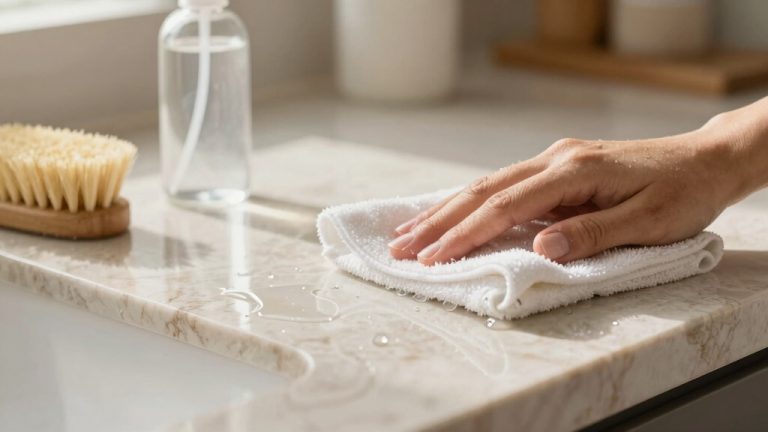
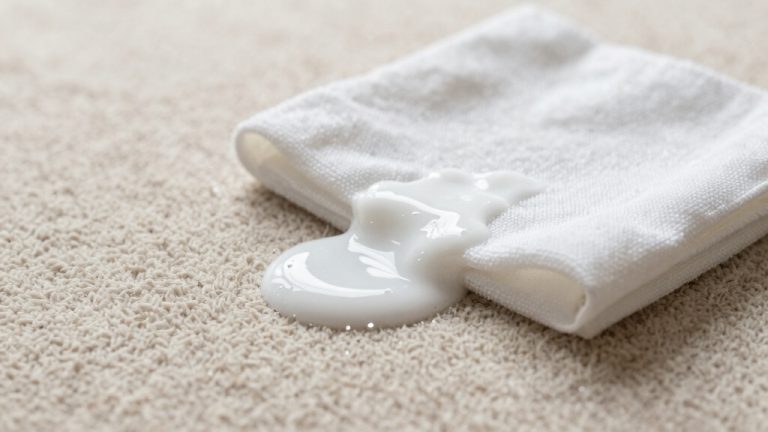
To get food coloring off your counter, start by immediately blotting the stain with a clean cloth.
Mix mild dish soap with warm water to wipe the area, then rinse with plain water.
For light stains, apply a paste of baking soda and water, letting it sit for 10–15 minutes.
Stubborn stains may need a hydrogen peroxide and baking soda mix.
Each countertop material requires specific care, so stick around to discover tailored techniques for your surface type.
Key Takeaways
- Blot the food coloring stain immediately with a clean cloth to prevent it from spreading.
- Use a mixture of warm water and mild dish soap to wipe the affected area.
- For light stains, apply a baking soda paste and let it sit for 10-15 minutes before scrubbing.
- For stubborn stains, mix hydrogen peroxide with baking soda and allow it to sit for 15-30 minutes.
- Always test any cleaner on a hidden spot before use to avoid discoloration.
How Food Coloring Stains Happen?

Food coloring stains occur when the pigments in the dye penetrate surfaces, especially porous materials like stone or unsealed wood.
When you spill food coloring, the vibrant pigments can quickly seep into the surface, making it harder to remove later.
Factors like the type of countertop material and the time elapsed since the spill influence how deeply the stain sets.
For instance, porous surfaces absorb more dye, increasing the likelihood of permanent staining.
On non-porous surfaces, the pigments may remain on the surface, allowing for easier cleanup.
Understanding how food coloring interacts with different materials helps you take quick and effective action.
This minimizes damage and keeps your counters looking their best.
Immediate treatment with appropriate cleaning solutions prevents dye from bonding deeply and becoming permanent.
Quick Action Steps for Immediate Cleanup
When food coloring spills occur, taking immediate action can greatly reduce the chances of a lasting stain. Start by blotting the area with a clean cloth or paper towel. Don’t rub, as it can spread the stain. Next, wipe the surface with warm water mixed with mild dish soap to lift any residue.
Here’s a quick reference table for your cleanup:
| Step | Action | Notes |
|---|---|---|
| Blot | Use a clean cloth | Avoid rubbing |
| Wipe | Apply warm soapy water | Lift surface residue |
| Rinse | Clean with plain warm water | Prevents water marks |
| Dry | Use a soft towel | Avoid residue |
| Repeat | If staining persists | Reapply as needed |
Using a gentle, non-abrasive sponge can help avoid damage while cleaning stubborn stains related to dish soap mixtures.
Home Remedies for Light Stains
If you’ve noticed light stains from food coloring on your countertop, several effective home remedies can help.
Start by mixing baking soda with water to create a paste. Apply it directly to the stain and let it sit for 10 to 15 minutes.
Gently scrub with a soft cloth in circular motions, then rinse with warm water.
For stubborn stains, combine hydrogen peroxide with baking soda for a stronger solution. Allow it to rest on the stain longer, even overnight if necessary.
Always test any cleaner on a hidden spot first, and dry the surface afterward to prevent water marks.
If faint stains persist, repeat these steps for better results.
Using gentle abrasion like baking soda paste is effective for removing stains without damaging surfaces, as it provides a mild yet efficient cleaning action on textured surfaces.
What to Do If Stains Remain After Initial Cleaning?
Even after trying home remedies like baking soda paste or a hydrogen peroxide mix, some stains might linger on your countertop. If that’s the case, don’t worry; you can still take further action. Here’s a methodical approach:
| Step | Action |
|---|---|
| 1. Assess the stain | Check how deep the stain has penetrated. |
| 2. Apply stronger mix | Use a paste of hydrogen peroxide and baking soda. |
| 3. Let it sit | Allow the mixture to work for 15-30 minutes. |
| 4. Rinse thoroughly | Clean the area with warm water to remove residue. |
Always test any treatment on a hidden area first to confirm surface safety and avoid damage.
If stains persist, repeat the process or consider specialized cleaners for your countertop material. Always test cleaners first in an inconspicuous area.
Tackling Stubborn Food Coloring Stains
When those stubborn food coloring stains stick around, it’s super important to pick the right cleaning solutions based on what your countertop is made of.
You definitely don’t want to damage the surface while trying to get rid of those pesky marks! Plus, taking some preventive steps can save you a lot of hassle down the road.
So, let’s dive into some techniques that really work for different types of surfaces.
We’ll also chat about how to efficiently tackle those tough stains without breaking a sweat. Sound good?
Effective Cleaning Solutions
Tackling stubborn food coloring stains requires a strategic approach, especially on different countertop materials. Here are three effective cleaning solutions to try:
- Baking Soda Paste: Mix baking soda with water to form a paste. Apply it to the stain, let it sit for 10-15 minutes, then gently scrub with a soft cloth and rinse thoroughly.
- Hydrogen Peroxide Combo: For tougher stains, mix hydrogen peroxide with baking soda. Apply, let it sit longer, and rinse well afterward.
- Mild Soap Solution: Use warm water mixed with mild dish soap for fresh stains. Blot the area and wipe clean to lift surface residue.
Always test any cleaner on a hidden spot first to avoid surface damage.
Dry the countertop after cleaning. Using natural disinfectants can enhance stain removal while protecting countertop surfaces.
Best Practices for Prevention
To prevent stubborn food coloring stains on your countertop, it’s important to act quickly when spills occur.
First, blot the spill with a clean cloth or paper towel. Don’t rub, as that can spread the stain.
Next, wipe the area with warm water and mild dish soap to lift any surface residue. Always test cleaners on a hidden spot first to avoid damage.
After cleaning, dry the countertop to prevent water marks. If any staining remains, repeat the process.
For ongoing projects, keep a soft cloth or paper towel handy. Consider using a mat or cutting board as a barrier.
This proactive approach will save you time and effort in the long run. Using absorbent materials around the spill can help contain it and prevent spreading.
Material-Specific Techniques
Although each countertop material has unique properties, effectively removing stubborn food coloring stains requires tailored techniques.
Here are specific approaches for different surfaces:
- Marble: Use warm water and a soft cloth. Avoid abrasive cleaners to prevent damage.
- Granite: Create a baking soda paste, apply it to the stain, and let it sit for 10-15 minutes. Gently scrub with a soft cloth.
- Quartz: Clean immediately with mild dish soap and warm water. For tougher stains, try a diluted hydrogen peroxide solution.
Always test any cleaner in an inconspicuous area first.
Rinse thoroughly and dry the surface to avoid residue. By matching your method to the material, you’ll effectively tackle those stubborn stains. For granite, avoid acidic cleaners like vinegar to prevent etching or dulling of the surface.
Choosing Cleaning Methods for Countertop Materials
When you face a food coloring spill, the method you choose for cleaning largely depends on the type of countertop material. Different surfaces require tailored approaches to avoid damage while effectively lifting stains. Here’s a quick reference to help you decide:
| Countertop Material | Recommended Cleaning Method | Notes |
|---|---|---|
| Marble | Warm water and soft cloth | Avoid abrasive cleaners |
| Granite | Baking soda paste | Gentle scrubbing only |
| Engineered Quartz | Mild soap with warm water | Clean immediately for best results |
| Porous Surfaces | Quick blotting and gentle paste | Absorb pigments quickly |
For engineered quartz, it is especially important to use pH-neutral cleaners and avoid harsh chemicals to maintain the integrity of the resin binder and prevent staining.
Gentle Cleaners to Lift Stains Safely
Since food coloring stains can be tricky, using gentle cleaners is essential for lifting them without damaging your countertop.
Here are three effective options:
- Baking Soda Paste: Mix baking soda with water to form a paste. Apply it to the stain and let it sit for 10 to 15 minutes. Gently scrub with a soft cloth and rinse thoroughly.
- Mild Dish Soap: Combine mild dish soap with warm water. Use a soft microfiber cloth to wipe the area, ensuring you don’t scratch the surface.
- Hydrogen Peroxide: For stubborn stains, mix hydrogen peroxide with baking soda. Let it sit longer if needed, then rinse well to remove any residue.
Always test cleaners on a hidden spot first to avoid damaging your countertop. Natural cleaners with plant-based enzymes can also be effective and safe alternatives for stain removal.
Best Practices for Preventing Future Stains
To keep your countertops free from food coloring stains, it’s crucial to adopt proactive measures while working with dyes or decorating food.
Start by cleaning any spills immediately; keep a soft cloth or paper towel handy. Avoid using abrasive pads that can damage your countertop’s finish.
After any cleaning, rinse and dry the surface to prevent residue buildup. For repeated dye tasks, protect your counter with a mat or cutting board to create a barrier.
When using strong cleaners, always test them on a hidden spot first to verify they won’t cause discoloration. Consider using non-abrasive cleaners to safely remove stains without damaging surfaces.
Frequently Asked Questions
Can Food Coloring Stains Damage My Countertop Permanently?
Food coloring stains can potentially damage your countertop permanently if not addressed quickly. The longer the dye sits, the deeper it penetrates the surface, especially on porous materials.
However, if you act fast and use appropriate cleaning methods, you can often remove the stains without lasting effects.
Just remember to match your cleaning technique to your countertop material and always test any cleaner in an inconspicuous area first.
How Can I Test Cleaners for Safety on My Countertop?
To test cleaners for safety on your countertop, start by applying a small amount on a hidden spot.
Surprisingly, around 30% of homeowners report damage from using the wrong cleaner.
Wait for about 10 minutes, then check for discoloration or surface damage.
If everything looks good, you can proceed.
Always use non-abrasive products for delicate surfaces.
Are There Specific Brands Recommended for Cleaning Food Coloring Stains?
For cleaning food coloring stains, brands like Clorox, Method, and Seventh Generation offer effective non-abrasive options.
You might also consider using baking soda or hydrogen peroxide, which aren’t brand-specific but are widely recommended.
Always test any cleaner on a hidden spot first to guarantee it won’t damage your countertop.
What Materials Should I Avoid Using on My Countertops?
When cleaning your countertops, avoid abrasive agents and harsh chemicals that can cause damage.
Skip scrubbing pads, steel wool, and anything gritty that might scratch the surface.
Steer clear of acidic cleaners like vinegar and lemon juice on sensitive materials, especially marble.
Always opt for milder methods and materials to maintain your countertops’ beauty and longevity.
How Often Should I Clean My Countertops to Prevent Staining?
You should clean your countertops daily to prevent staining, especially after food preparation.
If you frequently use staining ingredients like food coloring, wipe down surfaces immediately after spills.
For deeper cleans, aim for a thorough scrub once a week using mild dish soap and warm water.
This routine helps maintain your countertops and reduces the risk of permanent stains.
Final Thoughts on Removing Food Coloring From Countertops
With a few simple steps, you can reclaim your countertop from the vibrant stains of food coloring.
Picture your kitchen returning to its pristine glory, free from unsightly marks.
By acting quickly and choosing the right methods for your countertop, you not only lift those stubborn stains but also protect your surfaces for the future.
Remember, a splash of color in your cooking shouldn’t turn into a permanent reminder.
Stay proactive and keep your space looking fresh and inviting.