How to Get Rid of Ring Marks on Quartz: Easy Cleaning Tips
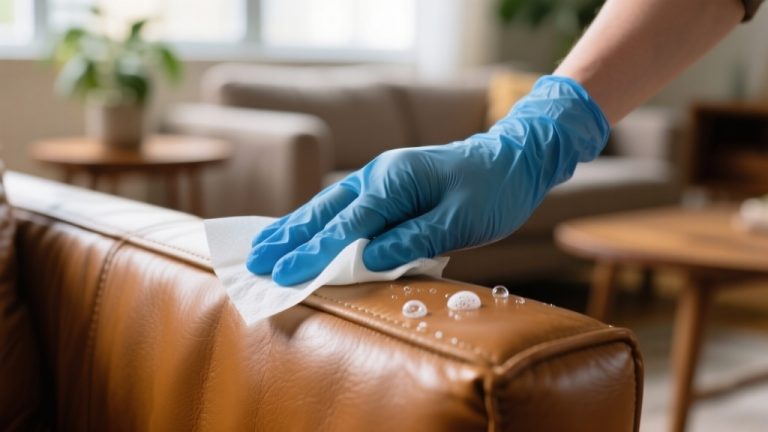
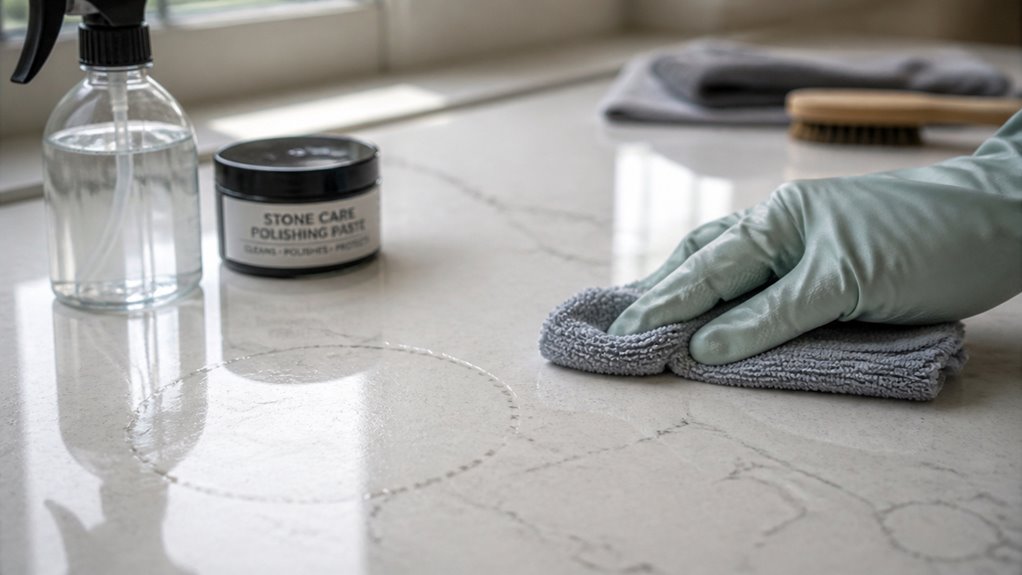
To get rid of ring marks on quartz, start by using a soft microfiber cloth and warm soapy water to gently wipe the area in circular motions.
For tougher stains, try a pH-neutral cleaner applied to the cloth. If hard-water rings persist, make a paste of baking soda and hydrogen peroxide and scrub with a damp cloth.
Always rinse and dry the surfaces. Follow these tips, and you’ll discover even more ways to keep your quartz looking pristine.
Key Takeaways
- Use a soft microfiber cloth with warm soapy water to gently clean fresh ring marks in circular motions.
- For stubborn stains, apply a pH-neutral cleaner to a cloth and wipe gently until the mark lifts.
- Create a paste of baking soda and hydrogen peroxide to tackle hard-water stains, applying it with a damp cloth.
- Rinse surfaces thoroughly after cleaning to remove any residue and prevent future marks from forming.
- Establish a routine of immediate spill cleanup and regular maintenance with mild soap to minimize ring marks.
Identify and Tackle Ring Marks on Quartz

When you notice ring marks on your quartz countertop, it’s essential to first identify the type of stain you’re dealing with.
These rings often come from hard-water minerals left behind after evaporation, especially near sinks and dish racks.
You might also see grease rings or soap residue from food spills.
Fresh spills are typically easier to tackle than those stubborn mineral deposits.
Remember, quartz is nonporous, so most marks sit on the surface rather than soaking in.
If the discoloration persists, it may signal residue buildup rather than permanent damage.
To prevent future marks, always wipe spills immediately and use soft microfiber cloths for daily cleaning to maintain the surface’s shine.
Effective Methods for Cleaning Fresh Ring Marks
To effectively clean fresh ring marks on quartz, start with the gentlest method possible. Use a soft microfiber cloth with warm soapy water, wiping in circular motions to lift the mark without damaging the surface.
Rinse with clean water afterward and dry immediately to prevent new spots.
For best results, ensure the cleaning solution is pH-neutral and non-abrasive to protect the quartz surface.
Here’s a quick reference table:
| Method | Steps | Notes |
|---|---|---|
| Microfiber Cloth | Wipe with warm soapy water | Use light pressure |
| Rinse | Follow with clean water | Remove any soap residue |
| Drying | Use a soft cloth or paper towel | Prevents water spots |
| Area Coverage | Clean a larger area than the mark | Avoid leaving tide lines |
Tackle Stubborn Stains With Nonabrasive Cleaners
Fresh ring marks can often be wiped away with gentle cleaning methods. However, stubborn stains may require something a bit stronger.
Fresh ring marks can typically be removed with gentle cleaning, but tougher stains may need a stronger approach.
For these tougher marks, reach for a pH-neutral or quartz-safe cleaner. Instead of pouring it directly onto the surface, apply the cleaner to a soft cloth. This helps avoid excess liquid pooling on your countertop.
Let it sit briefly, then wipe gently in circular motions. If the stain lingers, repeat the process.
Always finish by rinsing the area with clean water to remove any residue.
Dry it thoroughly with a soft cloth. This not only helps eliminate stains but also keeps your quartz looking pristine and protected.
For best results, avoid abrasive scrubbing or harsh chemicals that can damage quartz’s protective coating and cause micro-scratches, as emphasized in damage prevention best practices.
How to Handle Hard-Water Rings on Quartz?
Hard-water rings on quartz can be a frustrating nuisance, but you don’t have to let them linger.
Start by making a paste of baking soda and hydrogen peroxide.
Apply it with a damp microfiber cloth in gentle circular motions. This method targets those mineral deposits without damaging your quartz.
Rinse thoroughly to remove any residue, and dry the surface completely to prevent new rings from forming.
If the marks persist, use a pH-neutral cleaner specifically designed for quartz.
Always apply it to a cloth, not directly on the surface.
Repeat the process if necessary, and remember to keep your quartz clean and dry moving forward to avoid future hard-water rings.
Prompt cleaning prevents microbial growth on mineral buildup, reducing health risks.
Products to Avoid When Cleaning Quartz Surfaces
When it comes to cleaning quartz surfaces, there are several products you should steer clear of to maintain their beauty and longevity.
Using the wrong cleaners can lead to damage, dullness, or unwanted stains. Here are three products to avoid:
- Abrasive Cleaners: These can scratch and dull the finish of your quartz surface, making it look worn over time.
- Bleach-Based Cleaners: They can weaken the resin in engineered quartz, leading to potential damage and discoloration.
- Harsh Scouring Pads: These tools can leave scratches and compromise the smooth surface of your countertops.
Additionally, avoid granite cleaners that contain abrasives or unsuitable pH levels, as these can damage the quartz surface and reduce its lifespan.
Tips for Preventing Future Ring Marks on Quartz
To keep ring marks at bay on your quartz surfaces, it’s essential to adopt a few simple habits.
First, wipe up spills and water droplets immediately after use. This prevents any residue from setting in.
Wipe up spills and water droplets promptly to prevent residue from setting in and maintain a pristine quartz surface.
Dry areas around sinks, faucet bases, and dish-drying spots regularly to avoid moisture accumulation.
Using coasters, trays, and mats under cups and bottles can also protect your surfaces from unsightly marks.
Make it a point to avoid letting standing water linger on your countertop, as this can lead to hard-water stains.
Finally, establish a routine cleaning practice with mild soap and water to limit buildup, keeping your quartz looking pristine and ring-free for years to come.
Because quartz is a non-porous surface, it resists liquid absorption, making regular cleaning effective in preventing stains.
Routine Quartz Care: Effective Maintenance Tips
To keep your quartz countertops looking pristine, daily cleaning is a must. You know how it goes—spills happen, and the quicker you wipe them up, the better. Just grab a mild soap solution and give the surface a quick wipe. This simple habit can really help prevent those annoying ring marks from forming.
Also, don’t forget about preventive measures! Using coasters and mats is a great way to protect your countertops. They not only help maintain your surface’s shine but also keep its integrity intact.
For tougher stains, avoid harsh chemicals like sodium hydroxide that can damage quartz surfaces and opt for gentle cleaning methods instead.
Daily Cleaning Practices
Daily cleaning practices are essential for keeping your quartz surfaces looking pristine and preventing unsightly ring marks.
By incorporating a few simple habits into your routine, you can maintain the beauty of your countertops effortlessly. Here are three effective steps to follow:
- Wipe with Warm Soapy Water: Use a soft microfiber cloth dipped in warm water mixed with mild dish soap. Clean larger areas to avoid tide lines.
- Rinse and Dry: After cleaning, rinse with clean water to eliminate soap residue. Dry immediately with a soft cloth to prevent new spots.
- Address Stubborn Marks: For tougher stains, use a pH-neutral cleaner. Apply it to a cloth and gently rub in circular motions until the mark fades.
It is important to avoid acidic cleaners like vinegar to prevent etching or dulling of quartz surfaces.
These practices will help you keep your quartz surfaces in top shape!
Preventive Measures for Maintenance
While keeping your quartz surfaces looking their best may seem challenging, simple preventive measures can make all the difference.
Start by wiping up spills and water droplets immediately to prevent stains.
Dry areas around sinks, faucet bases, and dish racks after use to avoid hard-water rings.
Use coasters, trays, and mats under cups and bottles to protect against moisture and scratches.
Regularly clean your surfaces with mild soap and warm water to limit buildup and keep them shining.
Avoid letting standing water sit on your countertops, as this can lead to discoloration.
For more effective maintenance, consider using nano sealing technology products that repel water and reduce future staining.
Frequently Asked Questions
Can I Use Vinegar to Clean Ring Marks on Quartz?
You shouldn’t use vinegar to clean ring marks on quartz. The acidity can damage the resin that binds the quartz, leading to dullness or scratches.
Instead, stick with mild dish soap and warm water for a gentle clean. If those marks are stubborn, try a pH-neutral cleaner designed for quartz.
Always rinse and dry the surface thoroughly to maintain its shine and prevent future stains from forming.
How Often Should I Clean My Quartz Countertop?
You should clean your quartz countertop regularly, ideally after each use, to prevent stains and buildup.
A quick wipe with warm, soapy water keeps it looking fresh.
For deeper cleaning, aim for once a week.
If you notice spills or residue, tackle those immediately to avoid long-term marks.
Keeping a consistent cleaning routine guarantees your countertop stays pristine and beautiful, making maintenance easier in the long run.
Will Heat Damage Quartz and Cause Ring Marks?
Yes, heat can damage quartz and lead to issues like ring marks. If you place hot pots directly on the surface, it might cause discoloration or weaken the resin. This makes it more prone to stains.
To protect your countertop, always use trivets or hot pads.
While quartz is durable, it’s best to avoid extreme temperatures. Taking these precautions keeps your surfaces looking great and minimizes the risk of unsightly marks.
Are There Specific Brands Recommended for Quartz Cleaning?
Yes, there are specific brands recommended for quartz cleaning.
You’ll want to look for pH-neutral cleaners like Weiman Quartz Cleaner or Stone Care International’s Quartz Cleaner.
These products are designed to clean effectively without damaging the surface.
Just apply them with a soft cloth and follow the instructions.
Avoid abrasive cleaners, as they can dull your quartz.
Regular maintenance using these products keeps your countertops looking their best!
Can I Use a Steam Cleaner on Quartz Surfaces?
While the allure of a steam cleaner might tempt you, it’s best to steer clear of using one on quartz surfaces.
The intense heat and moisture can weaken the resin that binds quartz particles, leading to potential damage.
Instead, stick with gentle methods like warm soapy water or a pH-neutral cleaner.
Your quartz will thank you, staying beautiful and intact for years to come, just like a well-kept secret.
Final Tips for Keeping Quartz Surfaces Spotless and Shiny
To sum up, keeping your quartz surfaces free of ring marks isn’t just about cleaning; it’s about prevention, too.
By using nonabrasive cleaners and taking care to avoid harsh chemicals, you can maintain that stunning shine.
Remember to always use coasters under drinks and wipe up spills promptly.
With these simple steps, you’ll not only tackle existing stains but also protect your quartz from future damage.
A little care goes a long way in preserving its beauty!