Best Carpet Cleaning Method: Remove Dirt, Bacteria & Smells
You’ll want to choose a carpet cleaning method based on your carpet’s fiber, soil level, and drying time needs.
For deep soil and allergens, hot water extraction offers thorough cleaning but takes 4–5 hours to dry.
Steam cleaning works faster with less wetness and suits polyester or high-traffic areas.
For quick turnarounds, dry cleaning and encapsulation provide surface-level cleaning with minimal moisture and fast drying.
Understanding these options helps optimize cleaning and carpet care for your space.
Key Takeaways
- Choose carpet cleaning methods based on soil level, fiber type, and urgency to balance cleaning depth and drying time.
- Hot water extraction is best for deep cleaning heavy soils and allergens with moderate drying time (~4–5 hours).
- Steam cleaning suits polyester carpets and high-traffic areas, offering faster drying but moderate soil removal.
- Dry, bonnet, and encapsulation methods provide fast drying and surface cleaning but are less effective for deep stains.
- Proper rinsing and quick drying prevent residue buildup and mold, crucial for carpet longevity and health.
Choosing the Best Carpet Cleaning Method for Your Needs

When deciding on the best carpet cleaning method for your needs, you’ll want to weigh factors like soil level, carpet fiber type, drying time, and potential residue.
If your carpet experiences heavy soiling, methods offering deep penetration and allergen removal are vital. For delicate fibers, prioritize gentle techniques that avoid damage or shrinkage.
Drying time impacts usability; quicker drying reduces mold and mildew risks. Additionally, consider whether the cleaning solution leaves residue, which can attract dirt or affect carpet texture.
Surface-level cleaning suits light soil and fast turnaround, while periodic deep cleaning extends carpet lifespan.
It’s also important to consider the cleaning method’s drying time, as this influences how soon you can use the carpet again.
Deep Cleaning: Hot Water Extraction vs. Steam Cleaning
Although both hot water extraction and steam cleaning target deep carpet cleansing, they employ distinct mechanisms and deliver different levels of soil removal.
Hot water extraction injects heated water and detergents deep into fibers, followed by strong suction to remove embedded dirt, allergens, and mold.
Steam cleaning uses hot steam mist to loosen surface and embedded dirt, ideal for polyester and high-traffic areas but less penetrating on soft carpets.
| Feature | Hot Water Extraction | Steam Cleaning |
|---|---|---|
| Cleaning Mechanism | Heated water + detergent injection + suction | Hot steam mist loosens dirt |
| Soil Removal Depth | Deep, effective for heavy soils | Moderate, best for surface and mid-depth |
| Drying Time | 4-5 hours, reduces mold risk | Faster drying, less wetness |
Many spot carpet cleaning devices utilize HeatForce technology to accelerate drying times and minimize carpet damage.
Choose based on soil level and carpet type for best results.
Surface-Level Cleaning: Dry Cleaning and Bonnet Cleaning Explained
Surface-level cleaning methods like dry cleaning and bonnet cleaning tackle dirt primarily on the carpet’s top fibers. They offer quick and efficient solutions for lightly soiled areas.
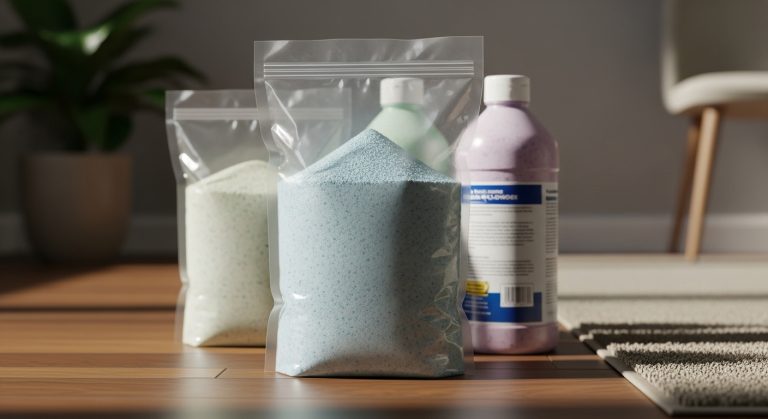
Dry cleaning uses minimal moisture, applying absorbent powders or compounds that capture surface dirt. This method dries rapidly, often within 15 minutes, making it ideal when you need fast carpet turnaround with minimal risk of shrinkage or mold.
Bonnet cleaning employs a rotary pad soaked in cleaning solution to agitate and lift dirt from low-pile carpets. It dries within 30 to 60 minutes but only refreshes the carpet’s surface, leaving deeper soil untouched.
While bonnet cleaning is cost-effective and fast, its rotary action may cause fiber wear and residue accumulation. Both methods suit commercial or light-use environments but aren’t recommended for heavily soiled carpets.
For targeted stain removal on surface dirt, combining these methods with advanced carpet spot removers can enhance overall cleaning effectiveness.
Maintenance Cleaning With Encapsulation: Benefits and Limits
Building on surface-level methods like dry and bonnet cleaning, encapsulation offers a more advanced maintenance option that balances efficiency with effectiveness.
Encapsulation advances carpet care by combining efficiency and effectiveness beyond basic surface cleaning methods.
This method uses polymers to crystallize dirt particles, trapping them for easy vacuum removal. It employs minimal water, resulting in a quick drying time of about 60 minutes, which reduces downtime and limits mold risks.
Encapsulation is ideal for routine upkeep in both residential and commercial settings, especially when heavy soil buildup isn’t present.
However, it’s important to note its limitations: it’s not effective for deep or stubborn stains and requires periodic deep cleaning, such as hot water extraction, to maintain carpet health.
For enhanced odor control and dirt removal during maintenance cleaning, incorporating dry carpet cleaning powders can improve vacuum efficiency and freshness.
Fast-Drying Carpet Cleaning Methods for Busy Schedules
When you’re juggling a busy schedule, you really need carpet cleaning methods that dry quickly but still get the job done. Techniques like dry cleaning, encapsulation, and bonnet cleaning are great options. They keep moisture to a minimum, which means you won’t be waiting around forever to get back to your space.
It’s all about finding that sweet spot between fast drying and effective soil removal. Once you understand how these methods work, you’ll be better equipped to choose the right one for your hectic lifestyle. So, let’s dive in and figure out what works best for you! Heated carpet cleaners with rapid heating technology can also be a smart choice to speed up stain removal and drying times without compromising cleaning power.
Rapid Drying Techniques
Frequently, fast-paced environments demand carpet cleaning methods that minimize downtime without compromising cleanliness. Rapid drying techniques like dry cleaning, bonnet cleaning, and encapsulation offer practical solutions by reducing moisture and drying times markedly.
These methods prevent mold growth and allow quick space re-entry, essential for busy schedules. Many professional carpet cleaning machines incorporate heat-related features that accelerate drying times, further enhancing efficiency.
| Method | Drying Time | Ideal Use |
|---|---|---|
| Dry Cleaning | 15 minutes | Light soil, commercial spaces |
| Bonnet Cleaning | 30-60 minutes | Low-pile, lightly soiled areas |
| Encapsulation | 60 minutes | Regular maintenance |
| Foam Shampooing | ~4 hours | Moderate soil, quick refresh |
| Hot Water Extraction | 4-5 hours | Deep cleaning, thorough care |
Choosing these rapid drying options helps you maintain carpet health efficiently while fitting tight schedules.
Efficient Cleaning Options
When managing tight schedules, selecting carpet cleaning methods that dry quickly without sacrificing effectiveness is essential.
Dry cleaning offers surface-level dirt removal with minimal moisture and a drying time as short as 15 minutes. This method is ideal for commercial settings needing rapid turnaround.
Encapsulation cleaning uses polymers to crystallize dirt for vacuuming, drying within 60 minutes. It balances efficiency with maintenance needs.
Bonnet cleaning, effective for low-pile carpets, dries in 30-60 minutes but only refreshes surface fibers.
Steam cleaning employs hot steam mist to loosen embedded dirt with faster drying than traditional wet methods. This makes it suitable for high-traffic areas requiring allergen control.
These methods minimize downtime and mold risk while maintaining carpet integrity. They’re ideal for busy professionals requiring swift, effective cleaning without prolonged wetness.
Proper rinsing and quick drying are crucial to prevent carpet cleaner residue buildup and protect carpet padding.
Comparing Carpet Cleaning: Drying Time and Effectiveness
Although various carpet cleaning methods target different soil levels and fiber types, their drying times and cleaning effectiveness critically impact maintenance decisions.
Different carpet cleaning methods vary in drying time and effectiveness, key factors for maintenance choices.
Hot water extraction excels in deep cleaning, removing allergens and heavy soil with a moderate drying time of 4-5 hours, minimizing mold risk.
Steam cleaning offers faster drying and effective allergen removal, suitable for polyester and high-traffic areas but less penetrative on soft fibers.
Dry cleaning dries in as little as 15 minutes, ideal for light soil but only surface-level dirt.
Encapsulation balances quick drying (around 60 minutes) with moderate cleaning, while bonnet cleaning provides a fast, low-moisture option limited to surface dirt.
Shampooing or dry foam delivers moderate cleaning with roughly 4-hour drying but risks residue buildup.
Choose methods aligning with your soil levels and urgency for carpet use.
For persistent pet stains and odors, professional cleaning with enzymatic treatments can effectively neutralize odors and prevent long-term damage.
Frequently Asked Questions
How Often Should Professional Carpet Cleaning Be Scheduled?
You should schedule professional carpet cleaning every 12 to 18 months under normal conditions. If you have pets, children, or high foot traffic, consider cleaning every 6 to 12 months to maintain hygiene and carpet integrity.
Regular deep cleaning removes embedded allergens and dirt, prolonging carpet life. For commercial spaces, quarterly cleanings might be necessary. Adjust frequency based on usage, carpet type, and manufacturer recommendations to optimize performance and appearance.
Are Carpet Cleaning Chemicals Safe for Pets and Children?
About 85% of carpet cleaning chemicals are formulated to be safe around pets and children when used correctly.
You should always choose soap-free, non-toxic solutions like Zr™ Water to avoid harmful residues.
Proper ventilation and drying time—typically 4-5 hours—minimize chemical exposure and reduce mold risks.
Avoid harsh chemicals or leaving residues, as these can cause irritation or health issues for sensitive family members.
Always follow manufacturer guidelines carefully.
Can Carpet Cleaning Remove Pet Urine Odors Completely?
Yes, carpet cleaning can remove pet urine odors completely if you use effective methods like Hot Water Extraction combined with enzymatic cleaners.
These break down urine crystals deep within fibers, eliminating odor sources rather than masking them.
Simply surface cleaning won’t suffice; you need thorough extraction and treatment targeting organic compounds.
Also, drying carpets promptly prevents mold or mildew, which can worsen odors.
Proper technique and professional-grade solutions guarantee lasting freshness.
What Carpet Types Require Special Cleaning Techniques?
Imagine your delicate silk carpet fibers shimmering under soft light. They demand gentle care. You’ll want to avoid harsh steam or extraction that could damage natural fibers like wool, silk, or sisal.
Instead, opt for dry cleaning or encapsulation to protect their texture and color. Synthetic carpets like polyester handle steam cleaning well, but you must tailor your approach based on fiber type to prevent shrinkage, color bleeding, or structural harm.
How to Prepare a Room Before Carpet Cleaning?
Before carpet cleaning, clear the room by removing all furniture and fragile items to ensure full access and prevent damage.
Vacuum thoroughly to eliminate surface dirt and debris.
Secure electrical outlets and cords to avoid hazards.
Check carpet manufacturer guidelines for any specific preparation instructions.
Finally, ventilate the space by opening windows or using fans to aid drying post-cleaning.
These steps optimize cleaning efficiency and protect your belongings.
Clean Carpets, Minimal Downtime, Better Decisions
When choosing your carpet cleaning method, consider your schedule and carpet type.
For example, a busy office switched to dry cleaning for quick drying without sacrificing surface cleanliness. This balances efficiency and upkeep. Hot water extraction suits deep stains but requires longer drying.
By understanding methods like steam, bonnet, and encapsulation, you’ll select the best approach that maximizes cleanliness and minimizes downtime. This ensures your carpets stay pristine and your routine stays smooth.