Best Way to Clean Glass: Easy Home Cleaning Guide
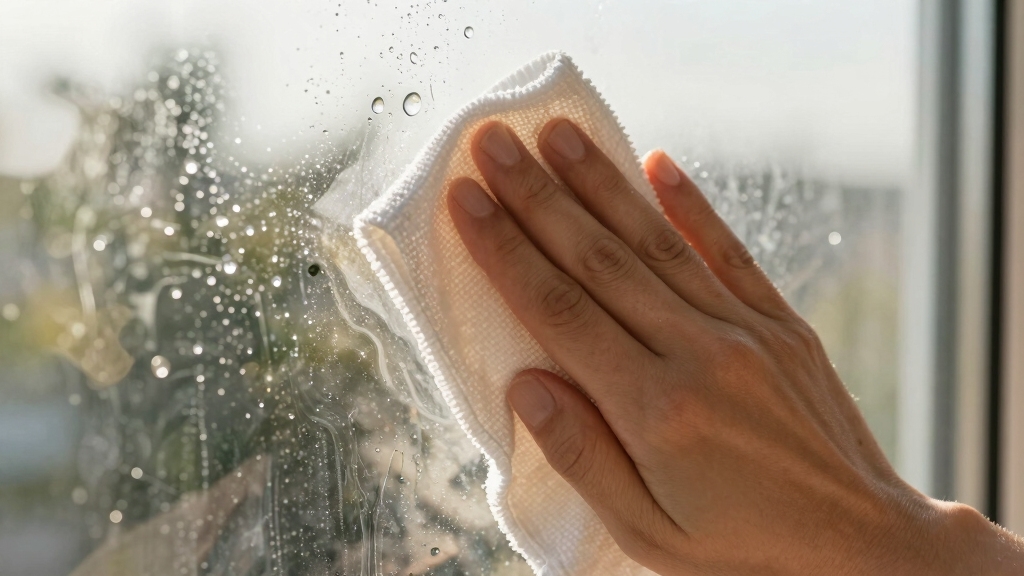
For the best glass cleaning results, use a high-quality microfiber cloth to avoid lint and streaks.
Start by dusting off dirt with a damp waffle-weave cloth, then apply a spritz of non-ammoniated cleaner or a vinegar-water mix.
Work top to bottom in overlapping strokes and use a squeegee with a clean blade for excess liquid.
Finish by polishing with a dry microfiber cloth. Following this method guarantees spotless clarity. You’ll find additional tips help perfect the process.
Key Takeaways
- Use high-quality microfiber cloths, especially waffle-weave, for lint-free, streak-free cleaning and effective dirt lifting.
- Dust and clean window frames and edges with mild detergent before glass cleaning to prevent grime transfer and scratches.
- Apply glass cleaner sparingly from a spray bottle, avoid direct spraying on glass, and use consistent pressure for even coverage.
- Employ a squeegee with a clean rubber blade, wiping after each pass, to remove liquid and prevent streak formation.
- Polish glass dry with a clean microfiber cloth and frequently replace or rinse cloths to maintain absorbency and avoid streaks.
Best Cleaning Tools for Streak-Free Glass
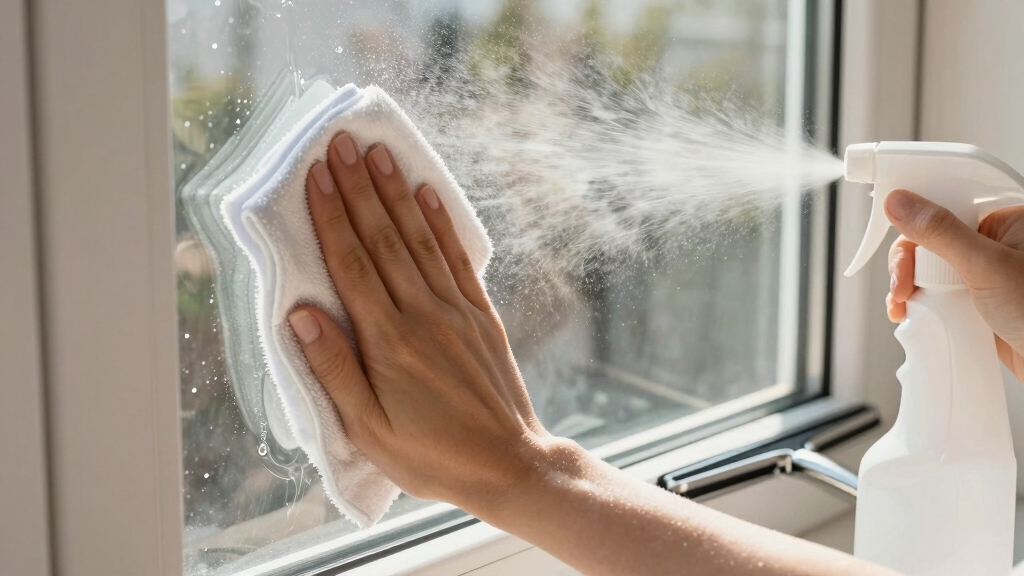
When aiming for streak-free glass, choosing the right cleaning tools is essential to achieve a clear, polished finish.
You’ll want to start with high-quality microfiber cloths like Norwex, which rank highest for streak-free performance and lint-free results.
Avoid paper towels, as they leave fuzz and streaks behind. For application, use a spray bottle combined with a microfiber cloth or a dedicated glass cleaning cloth, ensuring even coverage without oversaturation.
A squeegee with a clean, sharp rubber blade helps remove excess liquid efficiently, preventing streaks.
Replace or rinse microfiber cloths frequently to maintain absorbency and avoid redistributing dirt.
Microfiber cloths with reinforced edges provide enhanced durability for repeated use and effective cleaning.
How to Prepare Glass Surfaces and Frames for Cleaning?
Before you clean the glass itself, prepare the surrounding surfaces by thoroughly wiping window frames, grids, and hardware with a mild detergent solution. This removes dust and grime, preventing transfer onto clean glass. Use a damp microfiber cloth to avoid streaks.
Next, inspect for stubborn dirt or grease, especially on frames. Scrub gently with a soft sponge if needed. Dry frames completely to avoid water spots.
Using a microfiber cloth is ideal as it reduces waste and supports streak-free cleaning.
| Step | Purpose |
|---|---|
| Wipe frames | Remove dust and loose dirt |
| Scrub stubborn spots | Eliminate grease and buildup |
| Dry frames | Prevent water spotting |
| Inspect hardware | Ensure smooth functionality |
A well-prepared surface guarantees your glass cleaner works effectively, leaving glass spotless and streak-free.
How to Choose the Right Glass Cleaner: Ammoniated vs Non-Ammoniated?
Select your glass cleaner based on the cleaning challenge and surface sensitivity.
Ammoniated cleaners contain ammonia, providing powerful grease and grime removal but emit strong odors and may damage delicate surfaces.
Ammoniated cleaners effectively cut grease but can emit strong odors and harm delicate surfaces.
Non-ammoniated options offer milder formulas with less odor, ideal for sensitive materials like tinted windows or plastics.
Consider these points to choose effectively:
Use ammoniated cleaners for heavy-duty grime on sturdy glass.
Opt for non-ammoniated products when odor sensitivity or delicate surfaces matter.
Specialty anti-static cleaners suit acrylic or polycarbonate materials.
Avoid ammonia on tinted or coated glass to prevent damage.
Isopropyl alcohol is an effective solvent for grease and dries quickly to leave a streak-free finish when cleaning glass.
Top Commercial Glass Cleaners Compared
To zero in on the best commercial glass cleaner for your needs, you’ll want to weigh factors like streak resistance, cleaning power, and surface compatibility.
Norwex microfiber cloths top the list with a perfect score of 24, offering superior streak-free results. Method Glass Cleaner Spray follows closely, scoring 23, providing eco-friendly cleaning with minimal streaks.
Invisible Glass Spray scores 20, excelling at cutting grime without dripping. For heavy grease, Spic and Span Cinch stands out, safe on granite and stainless steel.
HOPE’S Perfect Glass Cleaner quickly cleans with less streaking and suits tinted windows. Consider your specific surfaces and cleaning priorities. This methodical comparison guarantees you select a product that balances effectiveness and care for your glass surfaces. Many top non-toxic glass cleaners use plant-based ingredients that ensure safe, effective cleaning without harmful chemicals.
DIY Glass Cleaning Solutions That Work
Hey there! Did you know you can whip up some pretty effective glass cleaning solutions right in your own kitchen? It’s super easy! Just grab some mild dish soap or mix equal parts of white vinegar and warm water. Trust me, vinegar is a powerhouse when it comes to cutting through grime without leaving those annoying streaks or spots behind.
Now, once you’ve got your solution ready, make sure to grab a dampened waffle weave or microfiber cloth. These are great for tackling dirt quickly.
After you’ve wiped everything down, just polish it a bit more for that perfect streak-free shine! Happy cleaning! For best results, always use an ammonia-free formula to avoid streaks and surface damage.
Homemade Cleaning Mixtures
When tackling glass cleaning at home, whipping up your own solution can save money and reduce exposure to harsh chemicals.
You’ll find these homemade mixtures both effective and straightforward to prepare. Here’s what you can try:
Mix a teaspoon of mild dishwashing soap in a 5-gallon bucket of warm water for gentle cleaning.
Combine equal parts white vinegar and warm water to tackle extensive grime without streaking.
Use a dampened waffle weave cloth first to loosen dirt before polishing the glass.
Prepare a spray bottle with water and a few drops of essential oils for a fresh scent and light cleaning.
These methods provide economical, eco-friendly alternatives that professionals often prefer for routine glass care. For the best results, avoid using ammonia-based cleaners on tinted windows to prevent damage to the window tint films.
Vinegar Benefits Explained
Vinegar stands out as a highly effective DIY glass cleaner, cutting through grime without leaving streaks or spots.
When you mix equal parts white vinegar and warm water, you get a powerful solution that tackles dirt and buildup aggressively yet safely.
This mixture acts as a detergent, dissolving greasy residues and fingerprints efficiently.
Professionals favor vinegar blends because they’re economical and free from harsh chemicals, reducing potential surface damage.
To optimize results, dampen your cleaning cloth with this solution, wipe the glass thoroughly, and follow with a dry microfiber cloth to polish.
Vinegar’s natural acidity breaks down mineral deposits and smudges, making it ideal for extensive grime.
Using vinegar, you maintain spotless, clear glass surfaces while minimizing environmental impact and chemical exposure.
Additionally, vinegar-based cleaners are often eco-friendly and non-toxic, making them safe choices for households and the environment.
Effective Cloth Choices
Frequently, the choice of cloth makes all the difference in achieving streak-free glass cleaning with DIY solutions.
You want a fabric that lifts dirt without leaving lint or streaks behind. Microfiber cloths are the go-to option because they absorb moisture efficiently and avoid scratches.
Here are cloth types you should consider:
Microfiber cloths: Superior absorption, reusable, and lint-free.
Waffle weave cloths: Great for initial dirt removal when dampened.
Cotton cloths: Use only high-quality, tightly woven cotton to minimize lint.
Avoid paper towels: They cause streaks and leave fuzz particles.
Replace wet microfiber cloths regularly to maintain effectiveness.
Proper cloth selection makes certain your homemade vinegar or soap solutions work perfectly, leaving glass sparkling clear without residue or streaking. Using waterless cold air diffusion technology in scenting products helps avoid added humidity that can interfere with glass cleaning results.
How to Clean Glass Without Streaks: Step-by-Step?
First things first, let’s get those glass surfaces ready! Make sure to dust them off and clean the frames. This helps to stop any grime from transferring onto the glass later on.
Now, grab a damp microfiber cloth or sponge and your favorite cleaner. When you apply it, try to keep the pressure consistent—that’s the key to avoiding those pesky streaks.
Once you’ve got it cleaned up, it’s time for the squeegee! Use overlapping strokes and don’t forget to wipe the blade after each pass. This little step will really help you achieve that flawless, streak-free shine you’re aiming for.
For the best results on interior windshields, consider using an extendable handle cleaning tool with a pivoting head to reach tight spots easily and reduce arm strain.
Happy cleaning!
Preparing Glass Surfaces
Before applying any cleaning solution, you’ll want to remove dust and loose dirt from the glass surface by wiping it dry with a clean microfiber cloth. This step prevents scratching and guarantees a smoother cleaning process.
Next, pay attention to the following:
Inspect edges and frames, cleaning any grime or buildup with mild detergent. Use a dampened waffle weave cloth to gently lift stubborn dirt without smearing.
Avoid spraying cleaners directly onto glass to prevent runoff and streaks. Replace or rinse microfiber cloths frequently to maintain absorption and avoid residue.
Taking these preparatory measures guarantees you start with a clean, dust-free surface, making your cleaning solution more effective and minimizing streaks. Proper preparation is key to achieving crystal-clear glass every time. Additionally, selecting the appropriate cleaner format based on surface type and soil level can enhance cleaning efficiency and protect the glass.
Effective Cleaning Techniques
Master the art of streak-free glass cleaning by following a systematic approach designed to maximize clarity and minimize residue.
Start by wiping dust and dirt with a damp waffle-weave microfiber cloth, which lifts particles without spreading them.
Spray your chosen cleaner, whether a commercial option like Method Glass Cleaner or a vinegar-water mix, sparingly onto the glass.
Use a clean, lint-free microfiber cloth or a squeegee to remove the solution, working from top to bottom with overlapping strokes.
Wipe the squeegee blade after each pass to prevent streaks. For stubborn grime, repeat the process once more.
Avoid paper towels, which cause lint and streaking.
Finally, polish the glass with a dry microfiber cloth to remove any remaining moisture, ensuring a crystal-clear, streak-free finish every time.
Tips to Prevent Streaks and Smudges on Glass
Although streaks and smudges can be frustrating, you can minimize them by choosing the right cleaning tools and techniques.
Start by replacing wet microfiber cloths frequently to maintain absorption and prevent redepositing dirt.
Avoid paper towels, which often leave lint and streaks.
Use cleaning solutions with 100% evaporating surfactants to guarantee a traceless finish.
Finally, apply a second cleaning pass on stubborn grime to remove residual streaks.
- Replace wet microfiber cloths regularly
- Avoid using paper towels that cause fuzz and streaks
- Choose cleaners with fully evaporating surfactants
- Perform a second cleaning pass on dirty surfaces
Following these precise steps guarantees your glass stays clear and streak-free every time.
Cleaning Glass Frames and Hardware Without Damage
Start by carefully wiping down the glass frames and hardware with a mild detergent solution to loosen dirt and grime without causing damage.
Use a soft sponge or microfiber cloth, avoiding abrasive materials that might scratch surfaces. Rinse with clean water and dry immediately to prevent water spots.
Pay close attention to corners and crevices where dirt accumulates.
| Step | Recommendation |
|---|---|
| Cleaning agent | Mild detergent solution |
| Tools | Soft sponge, microfiber cloth |
| Technique | Gentle wiping, no scrubbing |
| Rinsing | Use clean water |
| Drying | Immediate with soft cloth |
Follow this methodical approach to preserve the integrity and appearance of your glass frames and hardware.
Why Cleaning Your Glass Properly Really Matters?
Once you’ve carefully cleaned the glass frames and hardware to protect their surfaces, giving proper attention to the glass itself guarantees both appearance and longevity.
Proper glass cleaning prevents buildup that can cause scratches and cloudiness, preserving clarity and brightness. It also extends the lifespan of your glass by avoiding corrosive residue.
When you clean glass correctly, you:
- Reduce streaks and spots that degrade visual appeal
- Eliminate dirt and grime that may etch the surface over time
- Maintain transparency for safety and aesthetic purposes
- Avoid using harsh chemicals that can damage coatings or tint
Frequently Asked Questions
Can I Use Vinegar on Tinted or Specialty Glass Surfaces?
You should avoid using vinegar on tinted or specialty glass surfaces, as its acidity can damage the tint or coatings.
Instead, opt for cleaners formulated specifically for these materials, like HOPE’S Perfect Glass Cleaner, which is safe for tinted windows.
Always test a small area first to make certain no adverse effects.
Using the right product preserves the glass integrity while effectively cleaning without risking damage.
How Often Should I Clean Glass Windows for Best Results?
You should clean your glass windows at least twice a year for general maintenance, but aim for quarterly cleanings if you live in areas with heavy pollution or frequent storms.
Regular cleaning prevents grime buildup and streaks, keeping windows clear and bright.
For best results, clean frames and hardware first, then wash glass using microfiber cloths or squeegees to avoid streaks.
Adjust frequency based on your environment and window exposure.
Are Microfiber Cloths Safe for All Types of Glass?
Like a trusted key opening many doors, microfiber cloths are safe for nearly all glass types, including delicate tinted and specialty surfaces.
You’ll find they avoid scratches and lint, ensuring clarity. Still, you should avoid overly abrasive scrubbing and replace wet cloths to maintain effectiveness.
For acrylic or polycarbonate surfaces, consider anti-static cleaners paired with microfiber to prevent dust attraction, preserving your glass’s pristine condition methodically.
What Is the Best Way to Clean Glass in Extreme Weather?
You’ll want to clean glass in extreme weather by choosing cooler parts of the day, like early morning or late afternoon, to avoid rapid drying and streaks.
Use a vinegar-water mix for grime and a damp microfiber cloth to gently scrub, followed by a squeegee with overlapping strokes.
Replace wet cloths frequently. Avoid ammonia-based cleaners that may evaporate too quickly in heat.
Always dry surfaces promptly to prevent spotting or freezing.
Can Glass Cleaners Be Used on Mirrors Without Damage?
Yes, you can safely use most glass cleaners on mirrors without causing damage.
Choose non-ammoniated or gentle eco-friendly formulas like Method or HOPE’S Perfect Glass Cleaner to avoid harming the mirror’s backing.
Always spray cleaner on a microfiber cloth first to prevent liquid from seeping behind the glass.
Wipe gently using a streak-free technique, and replace wet cloths regularly to maintain effectiveness and protect your mirror’s surface.
A Clear Reflection: The Reward of Proper Glass Care
Cleaning glass is like tuning a fine instrument. Every tool, product, and step must harmonize perfectly.
When you prepare your surfaces carefully, choose the right cleaner, and follow precise techniques, your glass will shine without a trace of streaks or smudges.
Just as a musician respects their craft, you’ll see that proper cleaning not only enhances clarity but also preserves the beauty and longevity of your glass surfaces. Keep the process methodical, and the results will sing.