
Best Way to Clean Shower Floor: Remove Soap Scum & Stains
To clean your shower floor effectively, first identify its material to choose the right cleaner. Use vinegar and dish soap for tile or fiberglass, pH-neutral soap for acrylic, and stone-safe products for natural stone.
Spray the cleaner, let it sit 10–30 minutes, then scrub gently with a soft brush. Rinse thoroughly with warm water and dry with a squeegee to prevent mold.
Regular maintenance prevents buildup, but tougher stains may need commercial or steam cleaners. Learn how to optimize each step for lasting results.
Key Takeaways
- Use a cleaner suited to your shower floor material, such as vinegar and dish soap for tile or pH-neutral cleaners for natural stone.
- Spray a natural solution of equal parts white vinegar and dish soap, let sit 10–30 minutes, then scrub with a soft brush.
- Rinse thoroughly with warm water using a handheld showerhead or bucket, focusing on grout and corners to remove all residue.
- Dry the floor completely with a squeegee or microfiber towel to prevent mold growth and water spots.
- Perform weekly maintenance cleaning and ensure good bathroom ventilation to minimize soap scum, mold, and grime buildup.
Common Shower Floor Problems: Soap Scum, Mold, and Grime

Dealing with soap scum, mold, and grime on your shower floor can quickly turn a routine cleaning into a challenging task.
Soap scum forms from the reaction of soap with minerals in water, leaving a stubborn film that dulls surfaces.
Mold thrives in damp, dark corners, feeding on soap residue and moisture, posing health risks and discoloring grout.
Grime accumulates from body oils, dirt, and shampoo, creating slippery, unsightly buildup.
You’ll notice these problems worsen without regular cleaning and proper ventilation.
Tackling them requires focused effort: removing soap scum to restore shine, eliminating mold to guarantee hygiene, and scrubbing grime for a fresh, safe surface.
Understanding these common issues helps you target them effectively and maintain your shower floor’s cleanliness and longevity.
Using water softening can significantly reduce mineral deposits that contribute to soap scum and grime buildup.
Choosing the Right Cleaner for Your Shower Floor Material
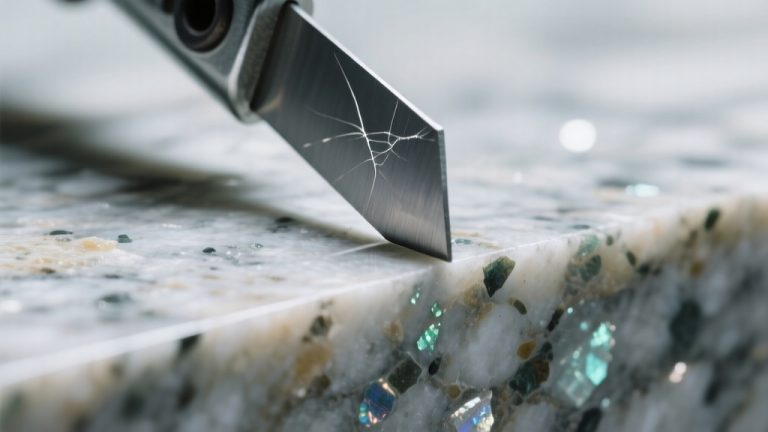
When it comes to cleaning your shower floor, it’s super important to choose the right cleaner based on the material. This way, you can avoid any damage and ensure you get the results you want. For instance, vinegar and dish soap are great for tile and fiberglass surfaces, but they can actually harm natural stone. So, it’s best to steer clear of those if your shower floor is made from stone.
Now, if you have acrylic or natural stone, your best bet is to go for pH-neutral cleaners or stone-safe commercial products. These options are designed to prevent etching and help maintain your floor’s finish. Keeping this in mind will really help you keep your shower looking its best!
Also, regularly sealing your marble shower floor every 6–12 months with a marble-specific sealer helps protect against absorption and stains.
Material-Specific Cleaner Choices
How do you guarantee your shower floor stays spotless without damage? The key is matching cleaners to your floor’s material.
Using harsh cleaners on delicate surfaces causes etching or discoloration. For example, avoid vinegar on natural stone, but it’s great for tile or fiberglass. Baking soda paste works well on ceramic and porcelain grout without abrasion.
Acrylic floors respond best to pH-neutral soaps and warm water.
Regular use of pH-neutral, acid-free cleaners ensures your natural stone shower floor remains protected and gleaming.
| Material | Recommended Cleaner |
|---|---|
| Tile/Fiberglass | Vinegar & dish soap solution |
| Ceramic/Porcelain | Baking soda & hydrogen peroxide |
| Natural Stone | Stone-safe commercial cleaner |
Choose your cleaner wisely to preserve your shower floor’s finish while eliminating grime effectively.
Avoiding Damage Risks
When selecting a cleaner for your shower floor, understanding the chemical interactions with your floor’s material is crucial to avoid damage.
For example, vinegar and dish soap work well on tile and fiberglass but can etch natural stone surfaces.
Baking soda and hydrogen peroxide paste is gentle on ceramic, porcelain, and acrylic but may harm delicate stone grout.
Avoid acidic or abrasive cleaners on soft stone to prevent dulling or pitting.
Always opt for pH-neutral, stone-safe commercial products when dealing with natural stone floors.
Test any cleaner on a small, inconspicuous area before full application.
Using pH-neutral formulations helps preserve the integrity and shine of natural stone surfaces while ensuring effective cleaning.
Top Natural Cleaning Methods: Vinegar, Dish Soap, Baking Soda & Peroxide
Frequently, natural cleaning methods like vinegar, dish soap, baking soda, and hydrogen peroxide provide a powerful yet gentle solution for shower floor maintenance.
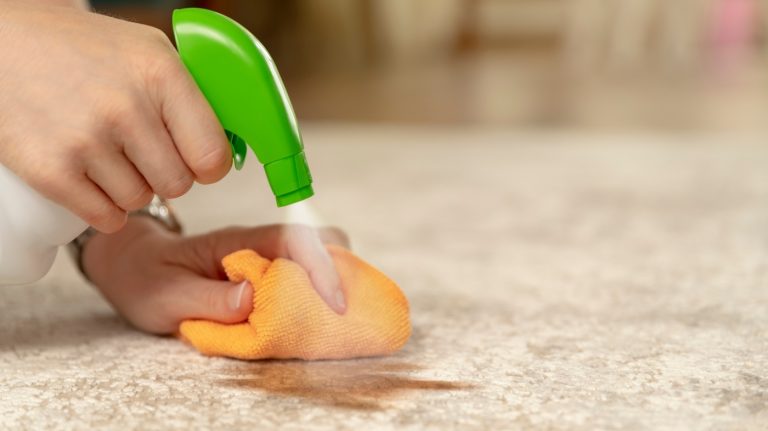
Combine equal parts white vinegar and dish soap in a spray bottle, apply generously, and let it sit 10–30 minutes to loosen grime.
Then, scrub with a soft brush and rinse well.
For grout and stubborn stains, sprinkle baking soda, spray 3% hydrogen peroxide to create a fizzing paste, and let it sit 10–15 minutes before scrubbing.
This method whitens grout and removes mold effectively.
Remember, avoid vinegar mixtures on natural stone; use baking soda paste for ceramic, porcelain, or acrylic surfaces.
These natural options clean thoroughly without harsh chemicals, preserving your shower floor’s integrity while combating soap scum, mold, and mildew.
Regular maintenance, including drying the floor completely and using pH-balanced cleaners, helps prevent future buildup and mold growth.
How to Scrub and Rinse Your Shower Floor?
To scrub your shower floor effectively, you want to pick the right tools. A soft-bristle brush or a sponge works great, but just make sure they match your surface type so you don’t accidentally cause any damage. When you’re scrubbing, use firm, circular motions—that way, you can really break up the grime and soap scum without scratching anything.
Once you’ve finished scrubbing, it’s time to rinse. Make sure to rinse thoroughly with warm water to wash away all that residue.
And don’t forget the last step! Drying the floor is super important to prevent moisture buildup. It’s a simple step that can make a big difference!
For cleaning tough spots without damaging surfaces, consider using low pressure steam cleaning as a safe method.
Effective Scrubbing Techniques
Start scrubbing your shower floor by applying gentle, circular motions with a soft-bristle brush or sponge to effectively loosen grime without damaging the surface.
Focus on grout lines and corners where buildup is heaviest. Avoid harsh scrubbing that can scratch or wear down finishes.
Use consistent pressure and work in small sections to guarantee thorough cleaning. After scrubbing, rinse the floor thoroughly with warm water to wash away loosened dirt and cleaning agents.
Use a handheld showerhead or a bucket for an even rinse. Finally, dry the floor with a microfiber towel or squeegee to prevent water spots and mold growth.
Following these scrubbing steps guarantees a deep clean while preserving your shower floor’s integrity. Always choose a pH-balanced cleaner to protect stone surfaces during the cleaning process.
Choosing The Right Tools
Choosing the right scrubbing tools and rinse method makes all the difference in effectively cleaning your shower floor without causing damage.
Use a soft-bristle brush or a non-abrasive sponge to tackle grime and soap scum gently, especially on delicate surfaces like fiberglass or acrylic.
For grout lines, switch to a grout brush or an old toothbrush to target buildup precisely.
Avoid metal scrubbers or harsh brushes that can scratch tile or stone.
Pair your tools with appropriate cleaners; vinegar and dish soap mixtures work well with tile and fiberglass, while baking soda pastes suit ceramic and porcelain.
When rinsing, use warm water to flush away residues thoroughly, making certain no cleaner remains to cause discoloration or damage.
Selecting the right tools guarantees efficient cleaning and protects your shower floor’s finish.
Additionally, always test cleaning solutions on a hidden spot first to avoid potential damage, as recommended for safe cleaning methods.
Proper Rinsing Methods
After scrubbing your shower floor, you’ll want to wash away all residue thoroughly to prevent buildup and discoloration. Proper rinsing makes certain no cleaner or grime lingers, which can cause slippery surfaces or promote mold growth.
Use warm water to flush the entire area, focusing on grout lines and corners where debris collects.
Follow these steps for effective rinsing:
Rinse with a steady stream of warm water, directing flow to dislodge loosened dirt.
Use a handheld showerhead or a bucket to control water coverage and pressure.
Wipe excess water with a squeegee or microfiber towel to prevent water spots and accelerate drying.
This method guarantees a clean, safe shower floor and extends the effectiveness of your cleaning regimen. Using eco-friendly cleaning products ensures safety for both your household and the environment while maintaining cleanliness.
Preventing Soap Scum and Mold Buildup Long-Term
Although regular cleaning tackles existing grime, preventing soap scum and mold buildup long-term requires consistent habits that minimize moisture and residue.
You should squeegee the shower floor after each use to reduce dampness. Ventilate the bathroom well to cut excess moisture by up to 72%.
Daily spraying of a mild cleaner and weekly scrubbing with vinegar and baking soda solutions also curb buildup effectively.
| Prevention Habit | Benefit |
|---|---|
| Squeegee after shower | Removes excess water |
| Proper ventilation | Reduces humidity |
| Daily mild cleaning | Minimizes soap scum residue |
| Weekly vinegar scrubbing | Controls mold and bacteria |
Maintaining these steps consistently keeps your shower floor cleaner longer and prevents tough stains or mold from taking hold. Wearing protective gear such as gloves and masks during cleaning helps ensure safety by minimizing exposure to mold spores.
When to Use Commercial or Steam Cleaners?
If your shower floor has stubborn grime, deep stains, or persistent mold that home remedies can’t fully tackle, commercial or steam cleaners offer powerful solutions. You should consider these options when everyday cleaning falls short or when you want a thorough, time-saving deep clean.
Use commercial or steam cleaners when soap scum and mold buildup resist regular scrubbing and natural cleaners. They’re also useful to sanitize porous grout areas that trap dirt and bacteria beyond surface level. If you need to refresh heavily stained or discolored tile or fiberglass without harsh chemicals, these tools can help.
These tools deliver intensive cleaning by breaking down tough residues and killing microbes efficiently. However, always match the product or device to your shower floor’s material to avoid damage. Use commercial or steam cleaners as a targeted step when standard methods no longer restore cleanliness and hygiene.
Effective Commercial Cleaners and Steam Tools for Shower Floors
When natural cleaners and manual scrubbing don’t fully restore your shower floor, turning to effective commercial cleaners and steam tools can make a significant difference.
For tough grime and mold, products like Clorox Cleanup Cleaner with bleach and Zep Grout Cleaner Brightener target stubborn stains and disinfect grout efficiently.
If you prefer less chemical use, the Dupray Neat Steam Cleaner uses high-temperature steam to loosen and lift dirt without harsh agents.
This is ideal for tile, fiberglass, and grout. Always match the cleaner to your surface; avoid bleach on delicate stones and opt for stone-safe commercial formulas instead.
Steam tools also reduce the need for scrubbing, cutting cleaning time. Use these options strategically for heavy buildup and maintain weekly natural cleaning to keep your shower floor spotless and hygienic.
Frequently Asked Questions
How Often Should I Deep Clean My Shower Floor for Best Results?
You should deep clean your shower floor at least once a week to keep grime, soap scum, and mold at bay. If you notice buildup or persistent stains, increase frequency to twice weekly.
Regular maintenance like squeegeeing after each shower and weekly light cleaning helps prevent heavy dirt. Deep cleaning with effective methods such as vinegar-dish soap or baking soda-hydrogen peroxide paste secures thorough removal of buildup and keeps your shower floor hygienic and fresh.
Can Essential Oils Be Added to Natural Cleaning Solutions Safely?
You want a fresh scent but worry about adding essential oils to cleaning solutions.
Yes, you can safely add essential oils like tea tree or lavender to natural cleaners for antimicrobial benefits and pleasant aroma.
Just dilute them properly, usually a few drops per spray bottle, and avoid using oils that might stain or irritate surfaces.
Always test a small area first to make certain compatibility and maintain your shower floor’s cleanliness without damage.
What Is the Best Way to Dry Shower Floors to Prevent Slips?
To prevent slips, dry your shower floor thoroughly right after use.
Use a squeegee to remove excess water quickly, then wipe down with a microfiber towel for a streak-free finish.
Make sure the floor is completely dry before stepping out.
Keep a non-slip mat in place for extra safety.
Regularly ventilate your bathroom to reduce moisture buildup that causes slippery surfaces.
Consider anti-slip coatings for added protection.
Are There Eco-Friendly Commercial Cleaners Recommended for Shower Floors?
Yes, you can find eco-friendly commercial cleaners for shower floors like Method’s Squirt + Mop Hard Floor Cleaner and Seventh Generation Tub & Tile Cleaner.
These use plant-based ingredients, avoid harsh chemicals, and are biodegradable, making them safer for you and the environment.
They effectively tackle soap scum and grime while being gentle on surfaces. Always check the label to guarantee compatibility with your shower floor material before use.
How Do Hard Water Stains Affect Shower Floor Cleaning Methods?
Hard water stains leave mineral deposits that make cleaning tougher and less effective with mild cleaners.
You’ll need acidic agents like white vinegar to dissolve these deposits, but avoid vinegar on natural stone.
For stubborn stains, combine vinegar with dish soap or use baking soda and hydrogen peroxide paste to break down minerals and grime simultaneously.
Regular prevention, like squeegeeing and vinegar sprays, helps reduce buildup and keeps your shower floor cleaner longer.
Keep Your Shower Floor Fresh, Clean, and Mold-Free
Did you know that nearly 80% of homeowners struggle with soap scum and mold buildup in their showers? Keeping your shower floor spotless isn’t just about appearance; it prevents slippery hazards and extends your floor’s life.
By choosing the right cleaner, scrubbing properly, and maintaining regular prevention, you’ll tackle grime effectively. Whether you prefer natural remedies or commercial products, consistent care guarantees a safer, cleaner shower every time you step in.