Can You Use Steam Mop on Wood Floors: What You Need to Know
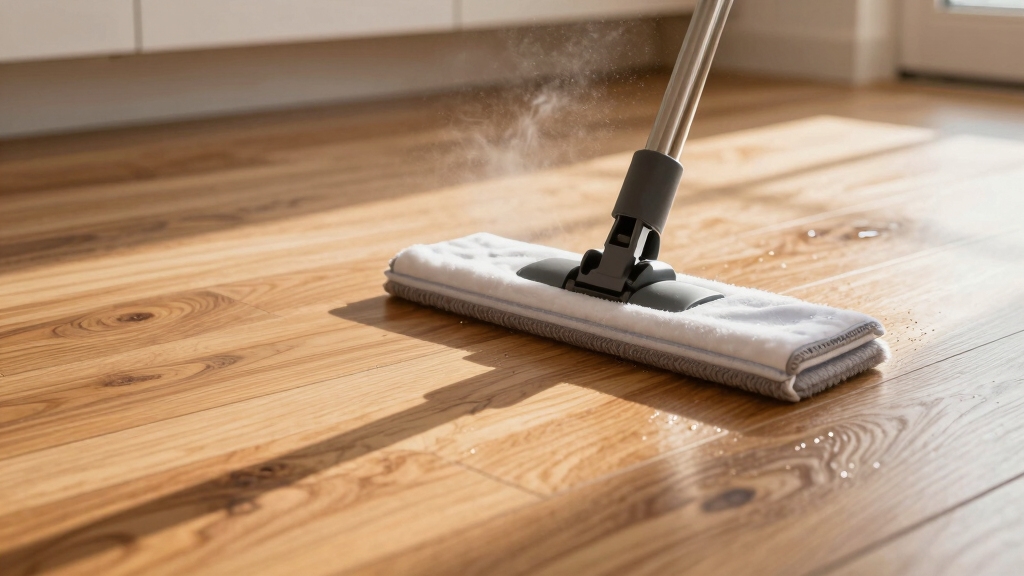
You shouldn’t use a steam mop on wood floors because the high heat and moisture can damage the finish and wood itself.
Steam temperatures over 200°F may break down protective coatings and force water into microscopic cracks, causing warping, discoloration, and even adhesive failure in engineered wood.
Worn or unsealed areas are especially vulnerable. Instead, using gentle, damp microfiber mops and approved cleaners protects your floors.
If you want safer cleaning options, this guide covers effective alternatives and expert tips.
Key Takeaways
- Steam mops are generally unsafe for wood floors due to high heat and moisture that can damage finishes and wood structure.
- Steam penetrates scratches and cracks, causing discoloration, warping, cupping, and adhesive failure in engineered wood.
- Industry experts and manufacturers advise against steam cleaning hardwood and warn it may void warranties.
- Worn, scratched, or unsealed wood floors are especially vulnerable to steam damage and finish breakdown.
- Safer alternatives include using slightly damp microfiber mops and hardwood-specific cleaners without excess moisture.
Are Steam Mops Safe for Wood Floors?
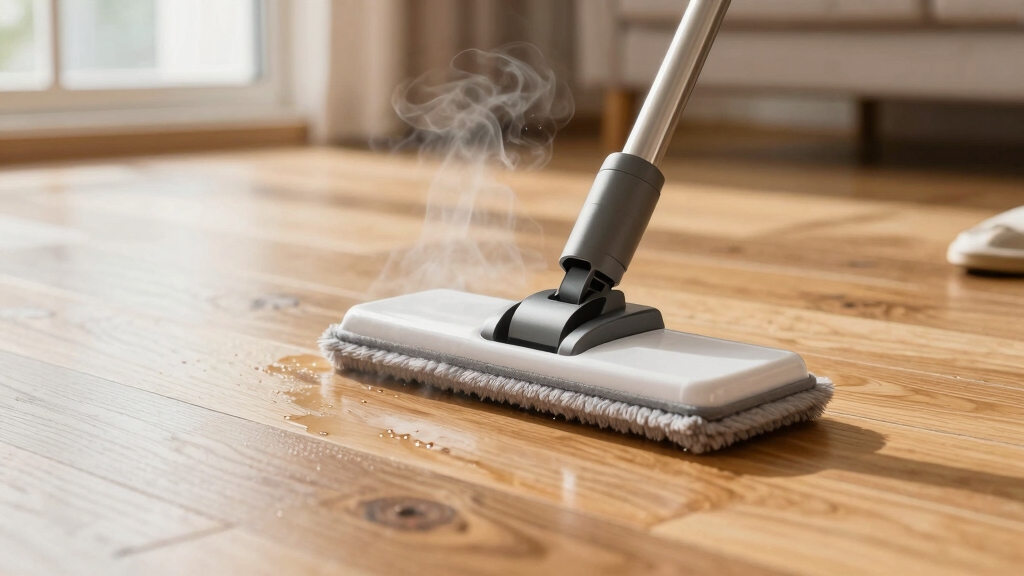
Although some manufacturers claim their steam mops are safe for sealed hardwood floors, you should exercise caution because steam can cause serious damage.
Steam’s high temperature, often exceeding 200°F, can break down finishes, allowing moisture to penetrate wood fibers.
Even dry steam contains some water vapor that pressure forces into microscopic abrasions, compromising seals.
Most home floors lack perfect seals due to wear, increasing vulnerability.
Industry experts like the National Wood Flooring Association explicitly advise against steam cleaning hardwood floors.
While marketing highlights “dry steam” and low moisture, real-world conditions often lead to finish breakdown and structural issues.
You should rely on safer cleaning alternatives tailored for sealed wood rather than risking steam-induced deterioration.
Because steam mops are not safe for wood flooring, using a well-wrung damp mop with pH-neutral or hardwood-specific cleaners is recommended instead.
How Steam Mops Damage Wood Floors?
Understanding how steam mops damage wood floors starts with recognizing the combined effects of heat, moisture, and pressure on the wood’s surface and structure.
When you use a steam mop, pressurized steam penetrates microscopic scratches, causing swelling, cupping, and warping.
Heat above 200°F induces thermal shock, breaking down finishes and weakening adhesives in engineered wood.
Repeated exposure strips polyurethane coatings, leaving raw wood vulnerable to moisture and discoloration.
| Damage Mechanism | Effect on Wood Floor |
|---|---|
| Pressurized moisture | Penetrates scratches |
| Heat > 200°F | Causes thermal shock |
| Finish breakdown | Exposes raw wood |
| Repeated steam cycles | Leads to cupping and warping |
| Heat melts adhesives | Delaminates engineered wood |
Avoid steam mops to preserve your wood floor’s integrity and finish. Regular maintenance practices can help prevent long-term damage and preserve the floor’s appearance.
Which Wood Floors Are Most Vulnerable to Steam Mops?
When you expose wood floors with worn seals or unsealed edges to steam mops, they become especially prone to moisture penetration and damage.
This vulnerability arises because steam forces moisture into microscopic cracks, accelerating swelling and finish breakdown.
You should be cautious with these types of wood floors:
1. Worn or scratched sealed hardwood
Scratches and wear allow steam to breach protective layers, causing cupping and discoloration.
2. Unsealed or partially sealed wood
Moisture penetrates directly, leading to swelling, warping, and structural damage.
3. Engineered wood floors
Heat can melt adhesives, causing delamination and instability.
Avoid steam mops on these vulnerable floors to prevent irreversible damage from heat, moisture, and pressure that compromise both appearance and integrity. Proper sealing with durable finishes like polyurethane sealants can significantly reduce moisture damage and improve floor resilience.
Expert Tips for Cleaning Wood Floors Without Steam
Taking care of wood floors without steam means relying on methods that preserve the finish and prevent moisture intrusion.
You should use a microfiber mop slightly dampened with water or a manufacturer-approved hardwood cleaner. Avoid excess liquid to prevent penetration through scratches or worn seals.
Regularly sweep or vacuum with a soft brush attachment to remove grit that can abrade the surface.
When cleaning, work in small sections, ensuring the floor dries quickly to avoid cupping or warping.
Use pH-neutral cleaners designed specifically for sealed wood floors, as acidic or alkaline solutions damage the finish.
Maintain consistent humidity levels in your home to minimize wood expansion and contraction.
Avoid steam mops due to the risk of warping from heat and excessive moisture which can damage wood floors.
Safe and Effective Alternatives to Steam Mops
Choosing safer cleaning methods over steam mops protects your wood floors from moisture damage and finish deterioration. To maintain your floors’ integrity, consider these effective alternatives:
- Use microfiber cloths with regulated heat. These gently clean sealed wood without saturating surfaces, preventing warping and finish breakdown.
- Employ wet-dry vacuums set at about 185°F. They instantly extract liquid, minimizing moisture exposure and reducing the risk of cupping or discoloration.
- Avoid acidic substances like vinegar in cleaning solutions. These erode protective finishes and accelerate wear.
Regularly using pH-neutral cleaners helps prevent residue buildup and keeps wood floors safe from slipperiness.
Frequently Asked Questions
Can Steam Mops Cause Discoloration on Finished Wood Floors?
Yes, steam mops can cause discoloration on finished wood floors. The heat and moisture can break down the floor’s protective finish, leading to cloudy spots or uneven patches.
When steam penetrates scratches or worn seals, it accelerates finish deterioration and exposes raw wood, causing visible discoloration.
To avoid this, you should steer clear of steam mops on wood floors with compromised seals or finishes.
Opt for gentler, non-steam cleaning methods instead.
Is Dry Steam Less Damaging Than Wet Steam on Wood Floors?
Yes, dry steam is less damaging than wet steam on wood floors since it contains less than 5% water. This reduces moisture penetration and swelling.
However, even dry steam can force vapor into microscopic abrasions. This risks finish breakdown and warping if used repeatedly or on worn seals.
You should still exercise caution, using low steam settings only on well-sealed floors. Avoid relying solely on steam for routine hardwood cleaning.
What Temperature Do Steam Mops Typically Reach During Use?
Steam mops typically reach temperatures soaring just above the boiling point, often around 210°F to 230°F.
This intense heat creates a vapor cloud that sanitizes surfaces efficiently but also poses risks for delicate materials.
You’ll find that this heat exceeds 200°F, which can cause structural stress in sensitive flooring.
Understanding these temperature ranges helps you gauge steam mop suitability and encourages you to contemplate gentler cleaning options for heat-sensitive surfaces.
Are Steam Mops Safe for Use on Engineered Wood Flooring?
Steam mops aren’t safe for engineered wood flooring. The high heat, often exceeding 200°F, can soften adhesives, causing delamination.
Pressurized steam penetrates microscopic cracks, swelling fibers and warping boards. Even dry steam risks breaking down protective finishes, exposing raw wood.
If you want to preserve engineered wood, avoid steam cleaning. Opt for microfiber cloths with regulated heat or specialized cleaners designed for sensitive surfaces.
Ditch the Steam, Preserve the Dream Floor
You shouldn’t use steam mops on wood floors, as steam seeps into seams, swelling and warping the wood. Vulnerable varieties like engineered and unfinished wood suffer most.
Instead, stick to safer, steam-free solutions like damp microfiber mops or gentle wood cleaners to preserve your floor’s pristine finish.
Prioritize protection by practicing proper maintenance and avoiding excessive moisture. By choosing careful cleaning, you’ll confidently conserve the classic charm and durability of your wood floors.