Can You Wash Dishes With Washing Powder? Kitchen Safety
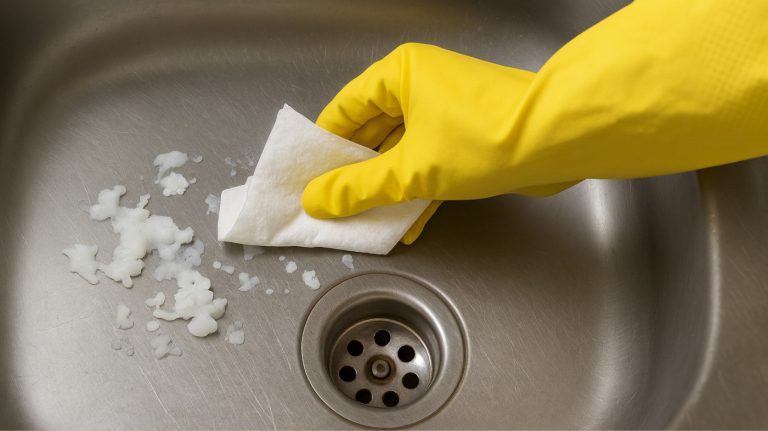
You shouldn’t use laundry washing powder for your dishes because it contains harsh chemicals, strong alkalinity, and surfactants not designed for food contact surfaces.
These ingredients can leave harmful residues, cause skin irritation, damage glassware, and harm your dishwasher through excessive suds or clogs.
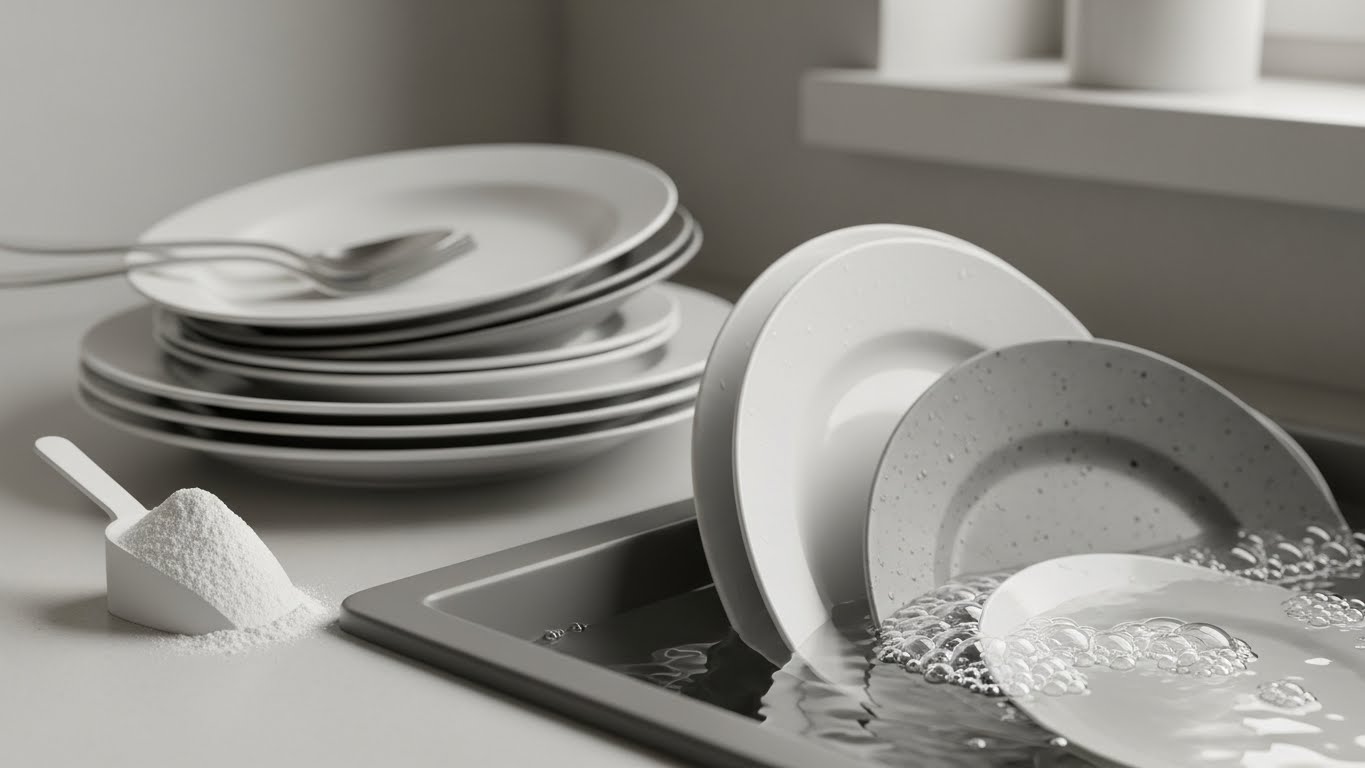
Dishwasher powders are specially formulated to clean food residues safely and minimize appliance wear.
If you want your dishes spotless and safe, it’s important to understand why using the correct product matters and how to use it properly.
Key Takeaways
- Washing powder designed for laundry is not safe or effective for dishwashing due to different chemical formulations.
- Laundry powders can leave harmful residues on dishes that are difficult to rinse off and pose health risks.
- Using laundry detergent in dishwashers may cause excessive suds, appliance damage, and corrosion of glassware.
- Dishwasher powders contain enzymes and water softeners tailored for food residue removal and minimal foam.
- For hand washing dishes, use dish soaps formulated for food contact and avoid laundry powders entirely.
Understanding Dishwasher Powder and Its Intended Use
Dishwasher powder combines carefully selected ingredients like non-ionic surfactants, oxygen-based bleaches, and enzymes to tackle tough stains and food residues effectively.
Designed for automatic dishwashers, it mixes with water during wash cycles to clean dishware, glassware, silver, and porcelain. Many formulations are designed to be gentle on surfaces while providing residue-free cleaning.
The powder includes alkaline builder salts such as sodium carbonate and sodium tripolyphosphate, which break down grease and grime.
You place 2 teaspoons to 3 tablespoons in the dispenser, adjusting for soil level, water hardness, and dishwasher model.
It is important to measure detergent accurately according to load type and size to avoid under- or overdosing, ensuring optimal cleaning performance.
The dispenser delays release until after the pre-wash to prevent flushing with dirty water. Running cycles at 50-60°C guarantees proper dissolution and optimal cleaning.
A standard 1-tablespoon dose matches premium pods’ performance, making dishwasher powder both efficient and effective for thorough cleaning.
Differences Between Dishwasher Powder and Laundry Detergent
When you compare dishwasher powder to laundry detergent, you’ll notice some pretty key differences in what they’re made of and how they’re meant to be used.
For starters, dishwasher powders are specially formulated with enzymes and water softeners that are great at tackling food residue. On the other hand, laundry detergents are packed with bleach and surfactants that are designed for cleaning fabrics.
It’s important to remember that using products not intended for your appliance can cause chemical damage over time.
But here’s the catch: those ingredients can actually be harmful to your dishwasher!
Dishwasher powders often include water-softening additives, which are particularly beneficial in hard water areas.
So, understanding these distinctions is super important. It can really help you avoid issues like residue buildup or even damaging your dishwasher.
Choosing the right product can make all the difference in keeping your appliances and clothes in top shape.
Composition and Ingredients
Understanding the distinct compositions of dishwasher powders and laundry detergents is key to selecting the right product for your cleaning needs.
Dishwasher powders focus on removing food residues, while laundry detergents target fabric stains. Here’s how they differ:
- Surfactants: Laundry detergents use diverse surfactants like Linear Alkylbenzene Sulfonate to penetrate fabric fibers. Dishwasher powders have fewer surfactants to ensure rinse aid compatibility.
- Builders: Dishwasher powders contain alkaline builders like sodium disilicate for glass protection. Laundry powders rely on sodium carbonate for water softening. Using products with incompatible chemical properties can lead to surface damage or reduced effectiveness.
- Bleaches: Oxygen-based bleaches such as sodium percarbonate dominate in laundry detergents. Dishwasher powders emphasize enzymes targeting food proteins.
- Chelators: Phosphates and phosphonates are common in dishwasher powders to prevent scale. Laundry detergents use chelators like citric acid and SS-EDDS.
Knowing these differences helps you avoid misuse that could damage dishes or fabrics. Always consider product-specific formulations to ensure safe and effective cleaning results.
Intended Usage Purposes
Selecting the right cleaning powder depends largely on its intended purpose, which stems directly from the differences in their ingredient composition.
Dishwasher powder targets hard-surface soils and grease on dishes, incorporating rinse aids, water-softening salts, and anti-spotting agents for optimum glass and metal care.
These formulations are designed to minimize residue and prevent damage to surfaces, similar to how surface finish affects scratch visibility on granite.
In contrast, laundry detergent focuses on removing protein, oil, and particulate stains from fabrics, using enzymes and optical brighteners tailored for textile maintenance and skin safety.
Powder detergents often use higher pH formulas for stronger stain and dirt fighting, but this can cause skin irritation and damage certain fabrics.
Dishwasher powders are calibrated for single-cycle use with controlled dilution and temperature, minimizing foam to protect your appliance.
Laundry powders rely on mechanical agitation and controlled foaming over varied temperatures.
Using each powder as designed guarantees efficient cleaning and preserves both your dishes and fabrics without risking residue or damage.
Safety and Risks
Although dishwasher powders and laundry detergents may appear similar, you should never substitute one for the other due to significant safety and performance risks.
Laundry detergents contain harsh enzymes, fillers, and higher pH levels that can damage your dishes, dishwasher, and pose health hazards. Using them risks residue buildup, poor cleaning, and skin irritation.
Additionally, laundry detergents are formulated for effectiveness removing dirt, stains, odors on fabrics, not for dish cleaning.
Mixing incompatible chemicals like bleach and laundry detergents can also generate toxic gases, underscoring the importance of using products as intended.
Key risks include:
- Residue and clogs from poorly soluble fillers that promote mold and odors.
- Skin burns and allergic reactions from strong alkalinity and irritants.
- Etching and corrosion of glassware caused by abrasive and alkaline components.
- Ineffective grease removal and over-sudsing that damage dishwasher parts.
Always use dishwasher-specific powders to guarantee safe, effective cleaning without compromising your health or appliances.
Risks of Using Laundry Powder for Dishwashing
When you use laundry powder for dishwashing, you risk leaving harmful chemical residues on your dishes that can’t be fully removed even with thorough rinsing.
These residues often contain optical brighteners, bleach, fragrances, and surfactants designed for fabrics, not food-contact surfaces.
Ingesting these chemicals can cause vomiting, respiratory distress, and severe burns in the mouth and throat because laundry powder is caustic and alkaline.
Unlike products formulated for dishwashing, laundry powders lack EPA-registered disinfectants that ensure safe sanitation for eating utensils.
Continuous exposure may trigger skin irritation, allergic reactions, or eczema flare-ups, especially if you have sensitive skin.
Additionally, synthetic substances like phthalates in the powder can disrupt hormonal balance. Laundry detergents also include additives not intended for food contact, increasing health risks if residues remain.
Using laundry powder also risks creating excessive suds that overflow and damage your dishwasher.
Overall, laundry detergent’s chemical formulation and residue hazards make it unsafe and unsuitable for dishwashing purposes.
Proper Use and Dosage of Dishwasher Powder
Getting the dosage of dishwasher powder right is essential for peak cleaning and avoiding residue buildup. You should tailor the amount based on load size, soil level, and water hardness.
Typically, use 15–30 g (1–2 tablespoons) for small to medium loads and increase to 30–40 g (2–3 tablespoons) for heavy soils or hard water.
Follow these tips for proper use:
- Measure powder precisely using the supplied scoop, a tablespoon, or weigh it for accuracy. Proper detergent use is essential for spotlessly clean dishes.
- Place powder in the dishwasher’s detergent compartment before starting the cycle; don’t add it directly to the tub. Choosing a formula specifically designed for soft water can help prevent over-sudsing and residue.
- Adjust dosage upward for greasy loads or hard water; reduce it for light cycles or soft water.
- Use unit-dose packets if available to avoid dosing errors and ensure consistent results.
Health and Safety Concerns With Detergent Powders
Because dishwasher powders contain strong alkaline agents and concentrated chemicals, you need to handle them carefully to avoid health risks.
These powders often include sodium carbonate and sodium percarbonate, which can cause chemical burns on skin and eyes.
Ingestion, especially by children, can be severely toxic due to ingredients like sodium tripolyphosphate.
Inhalation of fine powder dust may irritate your respiratory system. Laundry detergents contain optical brighteners and fragrances that can exacerbate irritation.
Residues on dishes, though generally below safety limits, still pose a risk of chronic exposure, especially if rinsing is insufficient. Using non-toxic cleaning alternatives can help reduce exposure to harmful chemicals.
Frequent skin contact can lead to irritation, dermatitis, or allergic reactions from fragrances and preservatives. Eye contact risks serious injury, so avoid splashes.
Always use gloves and make certain thorough rinsing to minimize potential ingestion or dermal uptake of residues when using dishwasher powders.
Alternatives to Washing Powder for Hand Washing Dishes
If you’re looking for safe and effective hand washing options for your dishes, have you considered using castile soap? It’s plant-based, gentle on your skin, and does a fantastic job at cutting through grease.
Plus, it’s a great alternative to traditional washing powders. Castile soap is also eco-friendly and biodegradable, making it a sustainable choice for your household.
Many plant-based cleaners like castile soap offer biodegradable ingredients that help reduce environmental impact.
But wait, there’s more! You can also try natural alternatives like baking soda, white vinegar, and lemon juice.
Not only do these ingredients neutralize odors and remove stains, but they also have antibacterial properties. They do all this without the harsh chemicals that can be harmful to your health.
Using such natural products ensures your dishwashing routine is free from ammonia, VOCs, and synthetic fragrances, making it safer for your family and the planet.
Safe Hand Washing Options
Frequently, people reach for washing powder to clean dishes by hand, but this choice can harm your skin due to harsh ingredients like strong alkalis and enzymes.
Instead, you should opt for safer hand washing options designed specifically for dishes. Here are four effective alternatives:
- Use fragrance-free, dye-free dish soaps with mild surfactants like sodium lauroamphoacetate to minimize irritation. For instance, products like Ecover Zero are fragrance-free and dermatologist-tested to suit sensitive skin.
- Choose products labeled “dermatologist-tested” or certified by third parties such as EWG Verified for transparency and safety. These certifications ensure the formulas are free from harmful chemicals and suitable for sensitive skin.
- Consider Castile soap or baby dish soaps without harsh sulfates for gentle yet effective cleaning.
- Protect your skin by washing with warm water, rinsing thoroughly, and moisturizing immediately afterward to maintain your skin barrier. Using hypoallergenic formulas can further reduce the risk of irritation during frequent dishwashing.
These practices help you clean effectively while preserving skin health.
Natural Cleaning Alternatives
Shifting from safer commercial dish soaps, exploring natural cleaning alternatives offers effective options that minimize chemical exposure and environmental impact.
You can use liquid castile soap, derived from vegetable oils, diluted at 1–2 tablespoons per gallon of warm water. It effectively loosens grease but avoid overusing to prevent excess suds.
Baking soda works as a gentle abrasive and deodorizer, perfect for scrubbing stuck food without scratching surfaces, though it lacks grease-emulsifying power alone. It also neutralizes odors by creating an alkaline environment that counteracts acids and absorbs oils.
For acidic degreasing, white vinegar or lemon juice diluted 1:1 with water cuts mineral deposits and reduces odors but requires thorough rinsing to protect sensitive materials.
Pantry abrasives like salt or cornstarch polish and clean without toxicity but test on delicate items first. Combining these ingredients lets you tailor natural, efficient dishwashing solutions.
Environmental and Economic Considerations of Powder Detergents
Many factors influence the environmental and economic impacts of powder detergents, from their chemical composition to packaging choices. You should consider these key aspects:
- Water Pollution: Ingredients like phosphates and surfactants harm aquatic ecosystems and increase nutrient pollution.
- Carbon Footprint: Production and usage contribute markedly to CO2 emissions. Washing machines alone emit as much as driving tens of thousands of miles annually.
- Resource Use: Manufacturing consumes substantial water and raw materials, often causing habitat damage.
- Packaging Waste: Billions of plastic jugs end up in landfills or oceans. Low recycling rates worsen pollution.
Choosing eco-friendly, low-phosphate powders and minimizing loads can reduce your detergent’s environmental and economic toll effectively.
Tips for Maintaining Your Dishwasher for Optimal Cleaning
Regularly maintaining your dishwasher makes certain it performs at peak efficiency and extends its lifespan.
Clean filters every 1–4 weeks by rinsing and scrubbing to remove food debris and grease. Don’t forget to clear secondary filters after heavy use to prevent clogs. This routine maintenance helps to avoid clogs and poor cleaning.
Regularly rinse and scrub filters every 1–4 weeks, and clear secondary filters after heavy use to prevent clogs.
Inspect spray arms biannually, removing blockages with a toothpick and soaking in vinegar to dissolve buildup. Guarantee spray arms rotate freely to maintain coverage.
Wipe door gaskets weekly with mild detergent to avoid odors and leaks; replace damaged seals promptly.
Use recommended detergent doses and maintain rinse aid levels to prevent residue and improve drying. Test water hardness and adjust softener use to prevent limescale on components.
Avoid washing unsuitable items that can overload the system. These steps assure peak cleaning and reduce repairs.
Frequently Asked Questions
Can Washing Powder Damage Dishwasher Seals or Components?
Yes, washing powder can damage your dishwasher seals and components.
Its high alkalinity and abrasive particles cause corrosion and wear on rubber seals.
The residue left behind promotes material degradation and can harden seals, leading to leaks.
Excess sudsing stresses the machine’s parts, and without dishwasher-specific enzymes, washing powder leaves harmful buildup.
To protect your dishwasher, always use detergents formulated for dishwashers rather than general washing powders.
How Does Water Hardness Affect Washing Powder Effectiveness?
Imagine using a rotary phone in the smartphone era. That’s how washing powder struggles in hard water.
When you wash dishes, calcium and magnesium ions bind surfactants in the powder. This forms insoluble salts that reduce cleaning power and cause residue.
You’ll need to increase powder dose by up to 50% in moderately hard water or add water softeners like washing soda. This helps maintain effectiveness and avoid dull, film-coated dishes.
Is It Safe to Mix Dishwasher Powder With Other Cleaning Agents?
No, you shouldn’t mix dishwasher powder with other cleaning agents. Doing so can cause dangerous chemical reactions, releasing toxic gases or heat, which may lead to burns, respiratory issues, or eye injuries.
Mixing alkaline dishwasher powders with acidic or ammonia-based cleaners increases these risks markedly.
To keep yourself safe, always use dishwasher powder as directed and store it separately from other cleaners to prevent accidental mixing and harmful exposures.
What Should I Do if Dishwasher Powder Causes Skin Irritation?
If dishwasher powder causes skin irritation, immediately rinse the affected area under cool running water for 15-20 minutes to dilute the irritant.
Remove any contaminated clothing to prevent further exposure.
Avoid rubbing the skin; gently pat it dry instead.
If redness, itching, or blistering persists beyond 20 minutes, seek medical attention promptly.
Wearing gloves during use and avoiding direct contact can help prevent future irritation.
Can Washing Powder Remove Tough Stains Like Burnt-On Food?
Yes, washing powder can remove tough stains like burnt-on food due to its high pH and abrasive components.
It breaks down grease and grime effectively, especially in hard water.
However, it’s less specialized than dishwasher powder with enzymes designed specifically for food residues.
You’ll get better results using a product formulated for kitchen stains, but washing powder can handle persistent residues if used carefully and in appropriate amounts.
The Safer Choice for Clean Dishes and a Healthier Kitchen
You might be tempted to swap washing powder for dishwasher powder, but that’s a shortcut lined with hidden pitfalls.
Using the wrong detergent is like fitting a square peg in a round hole. It risks residue, damage, and health concerns.
Stick to dishwasher-specific powders, measure carefully, and consider safer alternatives for hand washing.
Treat your dishes and machine with the right care, and they’ll sparkle like a well-tuned symphony, every single time.