
Does Witch Hazel Expire: Everything You Need to Know
Yes, witch hazel does expire, usually lasting about two to three years when stored properly in a cool, dry place with the container sealed.
Its natural alcohol content helps preserve it, but over time, you may notice discoloration, off odors, or reduced effectiveness. These are clear signs it’s time to replace it.
Using expired witch hazel can irritate your skin or cause allergic reactions. To guarantee safety and potency, understanding expiration guidelines and disposal methods is essential.
Key Takeaways
- Witch hazel typically expires within two to three years from packaging, with alcohol content helping extend its shelf life.
- Expired witch hazel may show discoloration, off odors, or reduced effectiveness, signaling it should not be used.
- Using expired witch hazel can cause skin irritation, allergic reactions, and increased contamination risk due to degraded preservatives.
- FDA requires expiration dates on witch hazel products to ensure quality, safety, and compliance with regulatory standards.
- Always replace witch hazel when signs of spoilage appear and store it in a cool, dry, dark place to maximize longevity.
How Long Does Witch Hazel Last Before It Expires?
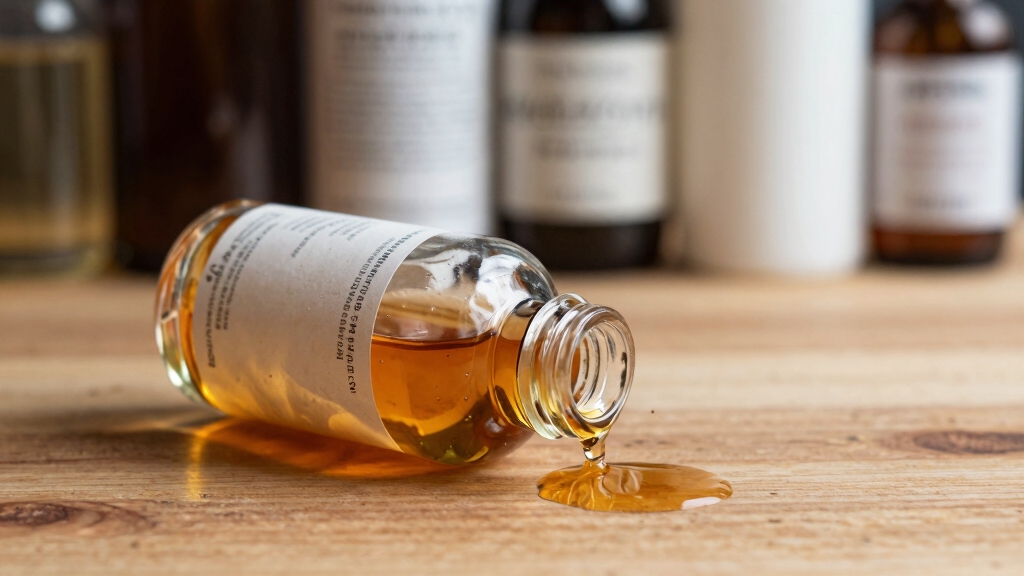
Most witch hazel products you find on the market last between two and three years before they expire.
Manufacturers guarantee quality and stability for at least two years from packaging, with many formulations remaining safe beyond three years when stored properly.
The presence of natural ethyl alcohol at around 14% acts as a preservative, extending shelf life substantially compared to alcohol-free variants.
While the FDA doesn’t mandate expiration dates on products with shelf lives exceeding three years, reputable brands typically include them for consumer safety.
To maximize longevity, store your witch hazel in a cool, dark place, tightly sealed.
Using fresh witch hazel makes certain you receive the full therapeutic benefits intended, as efficacy diminishes over time once the product surpasses its viable shelf life.
Proper storage and maintenance practices help prevent degradation and ensure the product remains effective throughout its shelf life.
What Are the Signs Your Witch Hazel Has Gone Bad?
If your witch hazel shows a yellowish tint or any discoloration, it’s a clear indication that it has gone bad.
You should also watch for any musty or off odors, as fresh witch hazel maintains a consistent woodsy scent.
A change from its usual clear, colorless appearance signals product degradation.
Checking the expiration date printed on the label provides a definitive confirmation of its viability.
If you notice unusual odors or visible changes, it’s best to replace the product immediately to avoid compromised effectiveness.
These signs help you identify when your witch hazel no longer meets quality standards, ensuring you use only safe and potent skincare products.
Always store witch hazel properly to minimize the risk of spoilage.
Using products with natural, minimally processed ingredients can help maintain better stability and reduce the likelihood of spoilage over time.
Can Expired Witch Hazel Harm Your Skin or Stop Working?
Hey there! It’s really important to avoid using expired witch hazel. Why, you ask? Well, it can actually irritate your skin and make any existing conditions worse. Not fun, right?
Plus, as time goes on, its effectiveness takes a hit. So, you mightn’t get the benefits you’re hoping for. To keep your skin happy and to ensure you see the results you want, make sure to toss out witch hazel once it’s past its expiration date. Trust me, your skin will thank you!
Using expired products can lead to skin irritation and diminish the intended benefits.
Risks Of Expired Witch Hazel
Although expired witch hazel might seem harmless, using it can markedly reduce its effectiveness and potentially harm your skin. Over time, the natural compounds degrade, increasing the risk of irritation, redness, or allergic reactions.
Expired witch hazel may also harbor bacteria or mold due to compromised preservatives, which can exacerbate skin problems.
| Risk Type | Potential Impact |
|---|---|
| Reduced Efficacy | Loss of therapeutic benefits |
| Skin Irritation | Increased redness, itching |
| Contamination Risk | Bacterial or fungal growth |
Mixing expired products with other chemicals can lead to chemical instability, increasing the risk of adverse reactions. To protect your skin, always check for discoloration, off odors, or changes in texture before use. When in doubt, replace expired witch hazel to make certain safety and peak skin health.
Effectiveness After Expiration
When witch hazel passes its expiration date, its effectiveness diminishes noticeably, compromising the benefits you expect for your skin.
Using expired witch hazel can lead to reduced therapeutic effects and may even worsen skin irritation. The natural compounds and preservatives degrade over time, causing the product to lose its potency and potentially alter its chemical balance.
Here’s what you should know:
- Expired witch hazel often loses its astringent and anti-inflammatory properties.
- The preservative alcohol content breaks down, increasing risk of contamination.
- Degraded witch hazel may trigger adverse skin reactions instead of soothing.
- Fresh witch hazel guarantees peak efficacy and safety for your skincare routine.
Always replace expired witch hazel to maintain skin health and treatment effectiveness. Additionally, choosing products with neutral pH formulas helps protect delicate skin and maintain product stability.
Does Alcohol Content Affect Witch Hazel’s Shelf Life?
Understanding the role of alcohol content is essential for grasping how witch hazel maintains its shelf life. The natural ethyl alcohol in genuine witch hazel acts as a powerful preservative, typically at about 14% concentration.
Natural ethyl alcohol at around 14% preserves witch hazel, extending its shelf life effectively.
This alcohol content inhibits microbial growth and slows chemical degradation, effectively extending the product’s viability. When you choose witch hazel with alcohol, you’re selecting a formulation that generally lasts longer than alcohol-free versions, which rely on alternative preservatives that may not be as robust.
However, alcohol-free witch hazel still preserves the distillate’s natural compounds but compromises shelf stability. So, if you want a longer-lasting product with reliable preservation, opt for witch hazel containing the standard alcohol percentage.
Proper storage still matters, but alcohol content greatly influences how long witch hazel remains effective and safe to use.
Additionally, the choice of preservatives and formulation pH can impact product stability similarly to how surfactant pH balance affects skin product longevity and performance.
What Do FDA and USP Say About Witch Hazel Expiration?
Since witch hazel is regulated as an over-the-counter drug, the FDA requires manufacturers to include visible expiration dates on their labels to guarantee consumer safety and product efficacy.
The United States Pharmacopeia (USP) sets strict standards ensuring witch hazel’s quality, strength, and purity, including a mandated 14% ethyl alcohol content as a preservative.
You can rely on these regulations to confirm product safety and effectiveness within the labeled shelf life. Here’s what you need to know:
- FDA mandates clear expiration dates on all witch hazel packaging.
- USP standards regulate alcohol content and limit tannic acid to avoid irritation.
- Genuine witch hazel must be distilled from Hamamelis virginiana bark and twigs.
- Compliance guarantees your product remains effective and safe until the expiration date.
Additionally, proper storage in a cool, dry place away from sunlight helps maintain witch hazel’s product stability throughout its shelf life.
How Should You Dispose of Expired Witch Hazel?
Knowing the importance of expiration dates and regulatory standards, you should also be aware of the proper way to dispose of witch hazel once it has expired.
To safely discard expired witch hazel, drain the liquid down the sink with running water. This prevents any potential skin irritation or adverse reactions from using degraded product.
After emptying the bottle, place the container in the trash or a designated recycling bin if applicable. Avoid pouring large quantities into drains to protect plumbing and the environment.
Promptly replace expired witch hazel with a fresh product to guarantee peak efficacy and safety. Proper disposal frees shelf space and minimizes risks associated with expired formulations.
Always handle expired witch hazel responsibly to maintain hygiene and comply with regulatory guidelines. Additionally, choosing products with biodegradable ingredients can help reduce environmental impact when disposing of liquid residues.
When and Why Should You Replace Your Witch Hazel Bottle?
Although witch hazel can last several years under proper storage, you should replace your bottle as soon as you notice signs of expiration such as discoloration, off odors, or reduced effectiveness.
Replace witch hazel once discoloration, off odors, or reduced effectiveness appear to ensure safety and benefits.
Using expired witch hazel risks skin irritation and diminished therapeutic benefits.
To maintain safety and efficacy, consider these replacement triggers:
- Yellowish tint or visible discoloration appears.
- Musty or off-putting odors develop.
- The product no longer soothes or tones skin effectively.
- The expiration date printed on the label has passed.
Replacing your witch hazel promptly guarantees peak skin benefits and prevents adverse reactions.
Don’t wait for uncertainty.
Swapping out old bottles preserves your skincare routine’s integrity and safety.
Proper storage in cool, dry environments helps extend the shelf life of witch hazel and maintain its effectiveness.
Frequently Asked Questions
Can Homemade Witch Hazel Expire Faster Than Store-Bought?
Yes, homemade witch hazel can expire faster than store-bought versions.
You won’t have the standardized preservatives like 14% ethyl alcohol found in commercial products, which extend shelf life.
Without proper preservation and airtight storage, your homemade batch may degrade within weeks or months, losing effectiveness and potentially causing skin irritation.
To ensure safety and quality, use homemade witch hazel quickly and store it in a cool, dark place.
How Should Witch Hazel Be Stored to Maximize Shelf Life?
Think of witch hazel as a delicate treasure chest. Keep it sealed tightly, away from sunlight’s harsh glare and heat’s relentless grasp.
Store your bottle in a cool, dark place, like a cabinet or drawer, to preserve its potency. Avoid humidity and temperature fluctuations, as they weaken the natural preservatives.
Is Witch Hazel Safe to Use on Sensitive Skin After Opening?
Yes, you can safely use witch hazel on sensitive skin after opening, but you need to make sure it’s a quality product with proper preservatives like 14% ethyl alcohol.
Always check for discoloration, off smells, or changes in texture before applying. Alcohol-free versions require more cautious use.
If irritation occurs, stop immediately. Store it tightly sealed, away from heat and sunlight to maintain efficacy and minimize risks to your sensitive skin.
Can Witch Hazel Be Frozen Without Affecting Its Quality?
You might think freezing witch hazel preserves it longer, but it’s not recommended.
Freezing can cause separation of its natural compounds and alcohol content, altering its texture and efficacy.
Instead, store witch hazel in a cool, dark place away from direct sunlight.
This keeps its quality intact without risking chemical breakdown or reduced potency, ensuring you get the best skin benefits every time you use it.
Does the Bottle Type Affect Witch Hazel’s Preservation?
Yes, the bottle type affects witch hazel’s preservation. You should choose dark, airtight containers to protect it from light and air exposure. This can degrade its active compounds and reduce shelf life.
Clear or loosely sealed bottles let in light and oxygen, speeding up oxidation and spoilage. Proper packaging helps maintain its potency, scent, and effectiveness. This ensures you get the full benefit from your witch hazel for longer.
Final Take: Keep Your Witch Hazel Fresh and Effective
Now that you know witch hazel does expire, don’t let it gather dust on your shelf. If it smells off or changes color, it’s time to toss it out; better safe than sorry. Alcohol content can help preserve it, but even then, it won’t last forever.
Always check expiration dates and replace your bottle regularly to keep your skincare routine effective and safe. Remember, an ounce of prevention is worth a pound of cure.