How Do You Get Dry Erase Marker Out of Carpet? Quick Tips
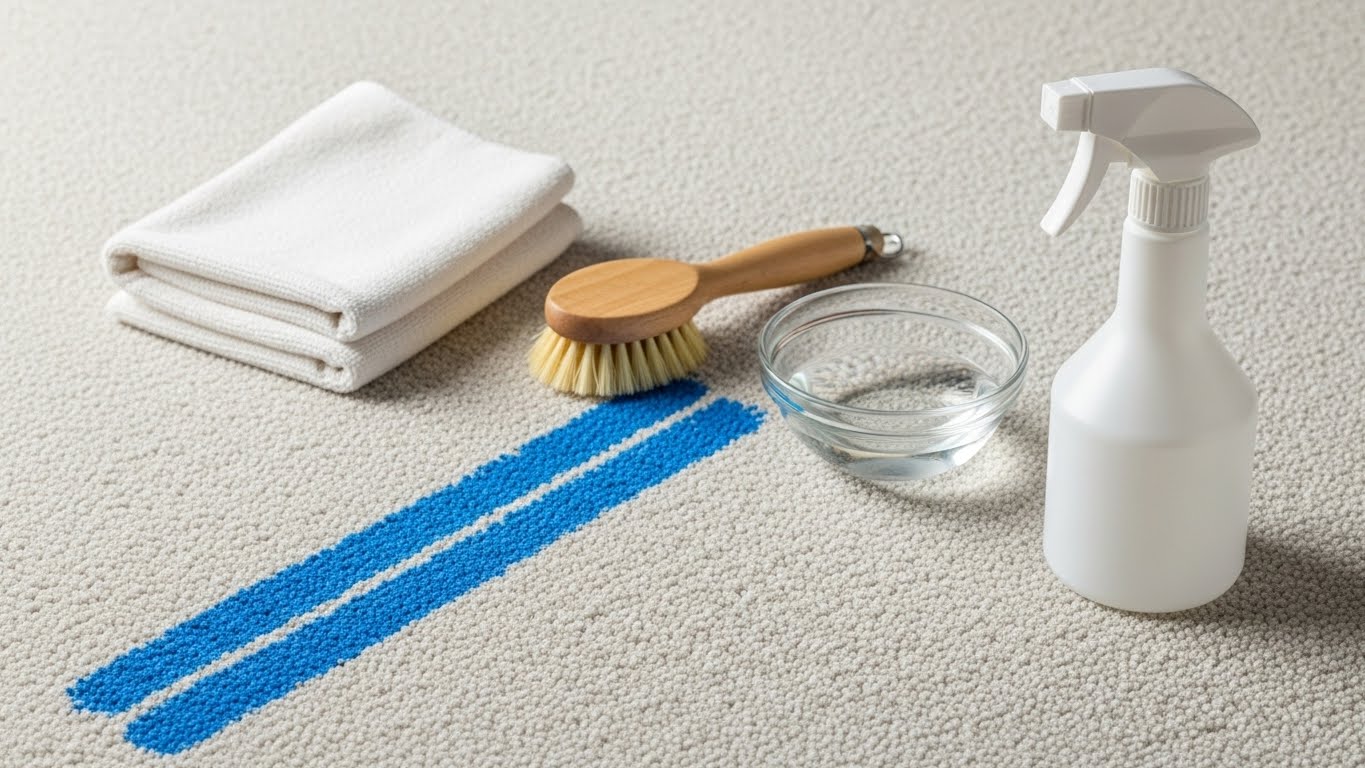
To get dry erase marker out of your carpet, immediately blot the stain with a clean cloth to prevent setting. Next, apply a mild solution like equal parts vinegar and water, testing first on a hidden spot. Gently brush the area with a soft-bristle brush, then blot and rinse with clean water.
Repeat as needed, then vacuum once dry. For stubborn stains, commercial cleaners or professional help may be best. You can explore further techniques to fully restore your carpet.
Key Takeaways
- Blot the dry erase marker stain gently with a clean white cloth to absorb excess ink without rubbing or spreading it.
- Apply a vinegar and water solution to the stain, then use a soft-bristle brush to lift the marker gently.
- Rinse the area with clean water, blot dry thoroughly, and vacuum once carpet fibers are fully dry to restore texture.
- For stubborn stains, use adhesive tape to lift residual ink or specialty dry-erase stain removers after testing on a hidden spot.
- Seek professional carpet cleaning if the stain persists or the carpet is delicate to avoid damage and ensure thorough removal.
Immediate Steps to Take When Marker Hits Carpet
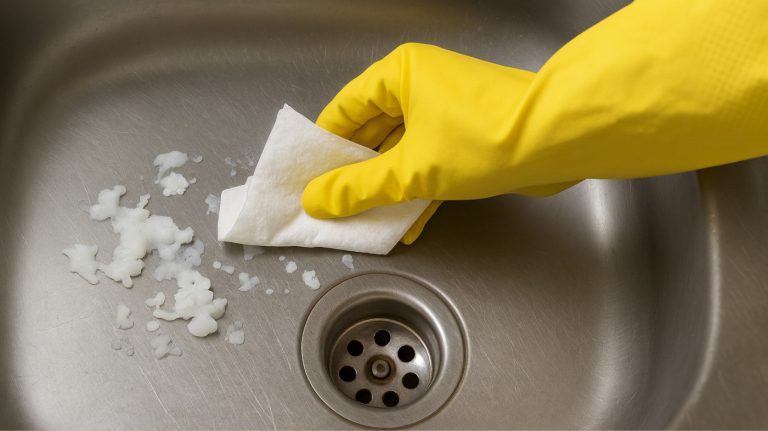
When dry erase marker hits your carpet, act immediately by blotting the area with a clean, white cloth to prevent the stain from setting.
Use a pressing motion, don’t rub, to avoid pushing the marker deeper or spreading it. Continue blotting until no more color transfers to the cloth. Choosing residue-free cleaners can help ensure no leftover marks remain after treatment.
Always choose a white or colorfast cloth, as colored ones risk transferring dye onto your carpet, complicating cleanup.
Quick action is critical; the longer you wait, the more the stain sets into the fibers, making removal harder.
Avoid letting the marker dry before starting.
Before applying any cleaning solutions later, test them on a hidden spot to ensure they won’t damage or discolor your carpet.
Using proper cleaning solutions and techniques is essential to successfully remove dry erase marker stains.
Using Homemade Solutions to Remove Dry Erase Marker
Acting quickly to blot fresh dry erase marker stains sets the stage for effective cleaning, but removing stubborn pigment often requires more than just immediate steps. Using a fast-acting formula can significantly improve removal efficiency.
Mix equal parts white vinegar and water, then add a small amount of baking soda to boost cleaning power. Apply this solution to the stain and let it soak briefly.
Use a clean cloth to gently blot, never rub, to lift pigment without spreading. For tougher stains, lightly agitate with a soft brush after soaking. It is important to avoid spreading the stain to prevent embedding it deeper into the carpet fibers.
Repeat application and blotting until the marker fades. Rinse thoroughly with plain water to remove residue, then blot dry.
Air-dry the carpet to avoid setting stains with heat. Finally, vacuum once dry to remove any leftover baking soda or pigment, ensuring your carpet remains clean and undamaged.
Effective Commercial Cleaners and Specialty Products
Look for commercial carpet cleaning solutions formulated to break down ink pigments without harming fibers. These are often pH-balanced to protect carpet color. Always test cleaning solutions on a hidden area first to avoid discoloration or damage. Many of these products include enzyme-based formulas that safely break down organic stains without harsh chemicals.
Specialty dry-erase board cleaners, like Tub O’ Towels, use Bond Buster™ technology to loosen marker stains. They can work on fresh carpet stains as well.
Enzyme-based removers target organic components in marker pigments. They are ideal for delicate carpets, though they require longer dwell times. These enzyme cleaners are also environmentally friendly and safe for various surfaces.
Spot treatment kits provide convenient, ready-to-use options for immediate application. They come with instructions tailored to ink stains.
While many products work well at home, professional-grade solutions and services offer advanced treatments for stubborn stains. These ensure thorough removal without damaging your carpet.
Mechanical Techniques for Stubborn Marker Residue
First things first, you want to start by carefully scraping away any excess dry erase ink. Just grab something with a blunt edge—this way, you won’t risk damaging the fibers of your carpet. Using a hidden or built-in scraper can help dislodge hardened residue without harming delicate carpet strands.
Once you’ve done that, it’s time to tackle those stubborn pigments. A soft-bristled brush will be your best friend here. Gently loosen and lift the pigment that’s embedded in the carpet fibers. Just take your time with it! For water-soluble markers, applying a small amount of Dreft laundry detergent can help create bubbles that lift the ink from the fibers.
And don’t forget about the final touch! After you’ve lifted the pigments, use a vacuum to remove any surface dust and debris. This will help ensure that nothing settles back into the pile of your carpet.
Scraping Excess Ink
When dealing with stubborn dry erase marker stains on carpet, mechanical techniques can effectively lift excess ink without pushing it deeper into the fibers.
Start by ensuring the ink is dry to prevent smearing. Use a plastic scraper, spoon edge, or a credit card held at a shallow angle to gently scrape the surface ink in one direction. Apply light pressure to avoid damaging carpet fibers. Frequently wipe the tool to remove collected ink. These methods complement natural cleaning solutions that help break down stains without harsh chemicals.
For additional lift, press adhesive tape firmly onto the stained area and peel it off slowly, repeating with fresh tape until no ink transfers. It is important to avoid rubbing to prevent embedding the ink deeper into the carpet fibers.
Avoid rubbing or harsh motions, which can embed ink further. These careful scraping steps prepare the carpet for subsequent cleaning methods while minimizing stain spread.
Brushing Carpet Fibers
Although blotting removes surface ink, you’ll need to brush carpet fibers to lift stubborn dry erase marker residue trapped deeper in the pile.
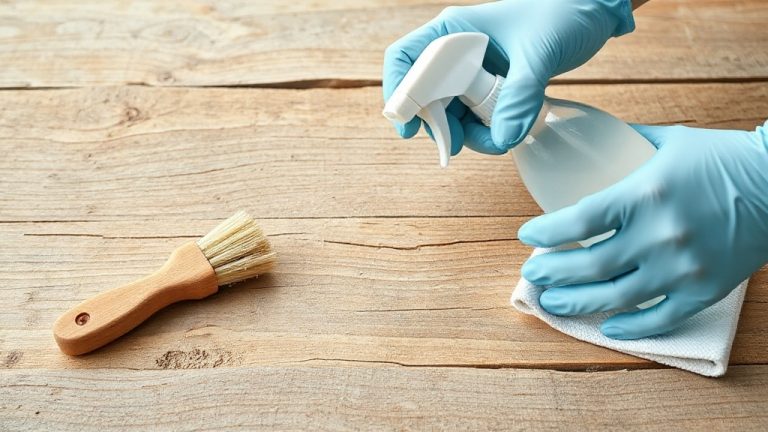
Use a soft-bristle brush, nylon for synthetic carpets, and natural bristles for wool, to gently agitate the stained area after applying your cleaning solution. Brushing in light, circular motions mimics mechanical cleaning techniques effective for stubborn deposits.
Brush in light, circular motions, focusing on the center and working outward to avoid spreading the stain.
Wait 1–2 minutes after applying vinegar before brushing to maximize pigment removal.
Avoid vigorous scrubbing to prevent fiber damage.
Repeat brushing if the stain persists, always when the solution is damp.
After brushing, blot thoroughly to lift loosened ink, rinse with clean water, and blot dry.
Finally, vacuum once the carpet is dry to restore texture and inspect for residue.
If the dry erase marker stain remains, apply a carpet cleaner such as Spot Shot or Woolite Spot according to product instructions and continue the brushing process.
Surface Dust Removal
Brushing helps lift deep-set dry erase marker stains, but surface dust and loose particles require different care.
Start by vacuuming in multiple directions with strong suction to lift dust without spreading wet marker.
Blot excess residue gently using a white cloth to avoid pushing it deeper.
For water-sensitive carpets, apply dry cleaning compounds and work them in with a soft brush before vacuuming.
Tack cloths or adhesive rollers effectively pick up fine dust in small areas.
Use airflow to dry the carpet completely, preventing residue from embedding.
Proper air circulation during cleaning helps remove lingering particles and prevents deeper absorption.
| Technique | Best Use |
|---|---|
| Vacuuming | Loose dust, before liquids |
| Blotting | Fresh, wet residue |
| Dry Cleaning Powder | Water-sensitive carpets |
| Adhesive Rollers | Small, detailed surface dust |
Alternative Methods and When to Seek Professional Help
If household remedies and commercial cleaners don’t fully remove the dry erase marker stain, you might need to contemplate professional carpet cleaning.
Alternative methods include using a baking soda and vinegar paste or applying alcohol-based products like rubbing alcohol or hand sanitizer; always blot gently to avoid spreading. Ensuring proper rinsing and drying after treatment can help prevent residue buildup and further staining.
Hairspray and dish soap solutions also work for specific marker types.
Test all cleaners on a hidden area first.
If stains persist after multiple attempts, professional cleaners offer specialized equipment and solutions that handle stubborn or set-in stains safely.
They’re especially advisable if your carpet is delicate or if you worry about damage.
For large, old, or resistant stains, seeking professional help ensures thorough removal without risking your carpet’s integrity.
Additionally, using products like Spot Shot can be effective for carpet stains before deciding on professional cleaning.
Frequently Asked Questions
Can Dry Erase Marker Stains Permanently Damage Carpet Fibers?
Yes, dry erase marker stains can permanently damage carpet fibers if you don’t act quickly. The pigments can bind deeply, especially on synthetic or delicate fibers, causing lasting discoloration.
If you let the stain sit for more than 24 hours or scrub aggressively, you risk fiber fraying or matting.
To protect your carpet, blot immediately and avoid harsh cleaners or scrubbing. This helps preserve fiber integrity and prevents irreversible damage.
Is It Safe to Use Bleach on Carpet Marker Stains?
No, you shouldn’t use bleach on carpet marker stains. It can cause irreversible discoloration, weaken fibers, and produce harmful fumes.
If you must try bleach, dilute it heavily, test a hidden spot first, and limit contact time.
Instead, opt for safer alternatives like rubbing alcohol, which effectively break down marker ink without damaging your carpet’s fibers or colors.
Always prioritize safety and fiber integrity.
How Long Does It Take for Dry Erase Marker Stains to Set?
Time is a thief when it comes to dry erase marker stains. They start setting within minutes.
You’ve got roughly 15 to 30 minutes before the pigment sinks deep into carpet fibers, making removal tougher.
Natural fibers absorb faster, so act quickly there. The longer you wait, the more permanent the stain becomes, often requiring stronger chemicals or professional help.
Don’t let time steal your carpet’s clean look. Treat stains immediately.
Are Some Carpet Materials More Resistant to Marker Stains?
Yes, some carpet materials resist marker stains better than others.
Wool naturally repels ink and oils, making it highly stain-resistant. Nylon’s protective coatings also fend off stains effectively.
Olefin resists moisture and dries quickly, reducing stain risk. Polyester, being hydrophobic, resists water-based stains but struggles with oil-based markers.
Knowing your carpet fiber helps you act fast and choose the right cleaning method to prevent permanent damage.
Can Pets Be Harmed by Cleaning Products Used on Marker Stains?
Just like a hidden trap in a fairy tale, common cleaning products can harm your pets if you’re not careful.
Yes, many stain removers, including rubbing alcohol, hydrogen peroxide, and some commercial cleaners, are toxic if ingested or inhaled by pets.
You have to keep pets away from treated areas until dry, store products securely, and watch for symptoms like vomiting or lethargy.
If exposure happens, contact your vet immediately to protect your furry friends.
Take Immediate Action to Prevent Permanent Carpet Damage
When dry erase marker stains your carpet, acting quickly is key. You can often remove it using homemade solutions like baking soda or vinegar.
For stubborn stains, commercial cleaners or gentle scrubbing may be necessary. Remember, not every method works for every carpet type, so test first. If the stain persists, don’t hesitate to consult a professional to avoid permanent damage.