How Long Does a Duct Cleaning Take: Expert HVAC Cleaning
Duct cleaning usually takes between 2 and 7 hours, depending on your home’s size, system complexity, and debris level.
Smaller homes under 2,000 sq ft typically need 2 to 4 hours. Larger homes over 3,000 sq ft can require up to 7 hours due to extensive ductwork and multiple HVAC units.
Complex systems with multiple zones or heavy buildup also extend cleaning time. Understanding these factors helps you better anticipate the job’s duration and scope.
Key Takeaways
- Duct cleaning typically takes between 2 to 7 hours depending on home size and system complexity.
- Small homes under 2,000 sq ft usually require 2 to 4 hours to clean ducts thoroughly.
- Medium homes generally need 3 to 5 hours due to more vents and intricate duct layouts.
- Large homes over 3,000 sq ft often take 4 to 7 hours because of extensive duct networks and accessibility challenges.
- Factors like debris buildup, mold presence, and multiple HVAC zones can significantly extend cleaning time.
How Long Does Duct Cleaning Usually Take?

Duct cleaning usually takes between 2 and 7 hours, depending on your home’s size and system complexity. On average, professionals clean around 1,000 to 1,500 square feet per hour.
Factors like the number of vents, duct condition, and HVAC system intricacy impact the duration. A thorough cleaning involves inspecting, vacuuming, and brushing ducts, registers, and blower components.
Technicians aim to avoid rushing to ensure contaminants are removed effectively. Accessibility also plays a role; difficult-to-reach ducts require more time and effort.
While small homes with straightforward ductwork finish faster, complex systems with multiple zones or units extend the process.
Scheduling regular cleanings every 3 to 5 years helps maintain efficiency and prevents buildup, which can considerably lengthen cleaning time if neglected.
Using equipment with effective reach into hard-to-access bends and corners can significantly improve cleaning quality and reduce overall time spent.
How Cleaning Time Varies by Home Size?
When it comes to cleaning your ducts, the time it takes can really depend on the size of your home. For smaller homes, say under 2,000 square feet, you’re looking at about 2 to 4 hours. This is mainly because there are fewer vents and the ductwork tends to be simpler.
Now, if your home is larger—over 3,000 square feet—you should definitely expect more time. In these cases, duct cleaning usually takes about 4 to 7 hours. That’s because the duct systems are more extensive, and there are often multiple HVAC units involved.
Regular maintenance and use of eco-friendly treatments can help improve overall system efficiency and reduce cleaning frequency.
Small Home Timelines
For small homes under 2,000 square feet, cleaning typically takes between 2 and 4 hours. Most jobs average around 3 hours. This shorter timeframe results from fewer vents, simpler duct layouts, and less debris accumulation.
Your HVAC system’s condition also influences duration; well-maintained ducts speed up the process.
Here’s what you can expect:
- Faster completion due to limited duct volume and fewer access points.
- Reduced disruption since technicians work efficiently within compact spaces.
- Cost-effectiveness as less labor time lowers overall expenses.
Understanding these factors helps you anticipate the cleaning timeline and plan accordingly. Small home duct cleaning balances thoroughness with efficiency, ensuring peak air quality without unnecessary delay. Using specialized compact cleaning tools can further optimize cleaning time in tight spaces.
Large Home Variations
Although cleaning large homes demands more time than smaller residences, understanding the specific factors affecting duration helps you plan effectively.
For homes over 3,000 sq ft, expect duct cleaning to take 4 to 7 hours due to extensive ductwork and multiple HVAC units. High ceilings, crawl spaces, and multi-level layouts prolong access and cleaning time.
Poor duct conditions or heavy debris buildup can extend the job beyond six hours. The volume of vents and complexity of the HVAC system directly impact total duration.
Professionals typically clean 1,000 to 1,500 sq ft per hour, but multi-zone systems require added effort. Scheduling inspections before cleaning guarantees accurate timelines.
You can optimize efficiency by coordinating with technicians, especially if two professionals handle the job simultaneously.
Using specialized equipment with powerful suction and versatile functionality can also help speed up the cleaning process in complex duct systems.
Why Small Homes’ Duct Cleaning Is Faster?
Duct cleaning in small homes typically finishes faster due to fewer vents and simpler ductwork layouts. When your home is under 2,000 square feet, the cleaning usually takes about 2-3 hours.
Duct cleaning in homes under 2,000 sq ft usually takes just 2-3 hours due to simpler layouts.
The HVAC system is less complex and ducts are easier to access. This means less time waiting and more immediate improvement in air quality.
Here’s why you’ll appreciate faster cleaning in small homes:
1. Fewer Vents
Less equipment means the technician spends less time cleaning each vent.
2. Simpler Layouts
Straightforward duct paths reduce inspection and cleaning time.
3. Better Accessibility
Easy-to-reach ducts and registers speed up the process.
Your small home’s duct cleaning is efficient, thorough, and completed quickly without compromising quality. Scheduling regular cleaning also helps maintain indoor air quality and system efficiency over time.
What Makes Duct Cleaning Medium-Sized Homes Take Longer?
Medium-sized homes often require more time for cleaning because they’ve increased ductwork complexity and a higher number of vents compared to smaller houses.
You’ll find more extensive duct runs, multiple HVAC zones, and additional registers, all of which demand extra attention.
This complexity means technicians must thoroughly inspect and clean each section to guarantee peak airflow and system efficiency.
Additionally, medium homes often accumulate more debris inside ducts, especially if not cleaned regularly, requiring more intensive removal efforts.
The larger square footage effectively doubles the cleaning area compared to small homes, extending the overall duration.
In your case, expect the process to take between 3 to 5 hours, as professionals methodically cover all vents, registers, and blower components without rushing.
To ensure efficient cleaning, maintaining effective airflow throughout the process is essential to prevent mold growth and facilitate thorough debris removal.
What Makes Duct Cleaning Large Homes Take Longer?
Cleaning large homes takes longer because you’re dealing with extensive ductwork that covers a greater area and often includes multiple HVAC units. This complexity demands more time to guarantee a thorough cleaning.
Here’s why you should expect a longer process:
- Extensive duct network: More square footage means more ducts to clean, sometimes spanning multiple floors or crawl spaces.
- Multiple HVAC units: Each system requires individual attention, increasing setup and cleaning time.
- Accessibility challenges: High ceilings, tight crawl spaces, and hard-to-reach vents slow down the cleaning process.
Because of these factors, professionals typically spend 4 to 7 hours cleaning large homes over 3,000 sq ft. Using specialized tools with ergonomic handles and multi-functional brushes can improve efficiency and reduce fatigue during long cleaning sessions, especially in hard-to-reach areas. Understanding these demands helps you set realistic expectations and appreciate the thoroughness involved.
Why More Complex HVAC Systems Take Longer to Clean?
Since complex HVAC systems consist of multiple components and zones, they require more detailed attention during the cleaning process.
You’ll spend extra time inspecting each unit, duct segment, and vent to guarantee thorough cleaning.
Multiple zones mean more ducts and registers to access, increasing the overall workload.
Additionally, varied system types, like separate heating and cooling units, demand specialized tools and techniques, extending the job duration.
You’ll need to carefully navigate intricate duct networks, sometimes with limited accessibility, which slows down your progress.
The presence of advanced components such as variable air volume (VAV) boxes or multiple blowers adds to the complexity, requiring precise handling.
Using specialized equipment with adjustable steam pressure can improve cleaning efficiency and effectiveness in complex HVAC systems.
How Dirty Ducts and Debris Slow Down Cleaning?
Debris buildup in ducts forces technicians to spend extra time breaking down and removing stubborn contaminants. When ducts accumulate dust, mold, or pests, cleaning slows down markedly. These materials require specialized tools and careful handling to avoid damage. You might notice the process extending well beyond the average 2-5 hours, especially if the debris is compacted or widespread.
Here’s why dirty ducts delay cleaning:
- Hardened debris demands more aggressive agitation and vacuuming, increasing job duration.
- Contaminants like mold require additional safety measures and thorough sterilization.
- Excessive dust and debris clog equipment, forcing technicians to pause and clear tools frequently.
Understanding this helps you appreciate why maintaining cleaner ducts reduces cleaning time and improves HVAC efficiency. Combining mechanical removal with enzymatic or chemical treatment ensures deeper clearance and longer-lasting results.
How Accessibility Impacts Duct Cleaning Speed?
Although duct cleaning time largely depends on home size and dirt levels, accessibility plays a crucial role in how quickly technicians can complete the job.
Duct cleaning duration depends on home size, dirt levels, and especially how accessible the ducts are.
When ducts are easy to reach, such as those located in basements, attics with ample space, or main living areas, technicians work faster. They often complete cleaning within the lower range of expected times.
Conversely, limited access caused by tight crawl spaces, obstructed vents, or complex duct layouts slows progress. Technicians must spend extra time maneuvering equipment, which reduces efficiency and extends overall cleaning duration.
If you have multi-level homes or ducts behind walls or ceilings, expect longer service times. Ensuring clear access before cleaning can greatly reduce the time required. This helps technicians maintain their typical cleaning rate of roughly 1,000-1,500 square feet per hour.
Additionally, controlling moisture levels during and after cleaning is essential to prevent mold growth that can complicate duct maintenance and indoor air quality.
How Professional Inspections Help Estimate Cleaning Time?
Professional inspections play a essential role in accurately estimating duct cleaning time by thoroughly evaluating the condition and complexity of your HVAC system before work begins.
When technicians assess your ducts, vents, and HVAC units, they identify factors that impact the job duration, such as debris buildup, duct accessibility, and system size. This upfront evaluation prevents surprises and guarantees efficient scheduling.
Here’s how professional inspections help you:
- Pinpoint hidden issues that could extend cleaning time and prepare you accordingly.
- Determine the number of vents and duct length to calculate precise labor hours.
- Assess overall system complexity, enabling technicians to allocate proper resources.
Frequently Asked Questions
How Often Should Duct Cleaning Be Scheduled for Optimal Maintenance?
You should schedule duct cleaning every 3 to 5 years for peak maintenance. This interval helps prevent significant dust buildup, improves HVAC efficiency, and maintains indoor air quality.
If you have pets, allergies, or live in a dusty environment, consider cleaning more frequently. Regular inspections let you address issues early, ensuring your ducts stay in good condition and your system runs efficiently without unnecessary wear or energy waste.
What Equipment Do Professionals Use During Duct Cleaning?
Imagine trying to clear clogged pipes with a simple brush. It wouldn’t work well.
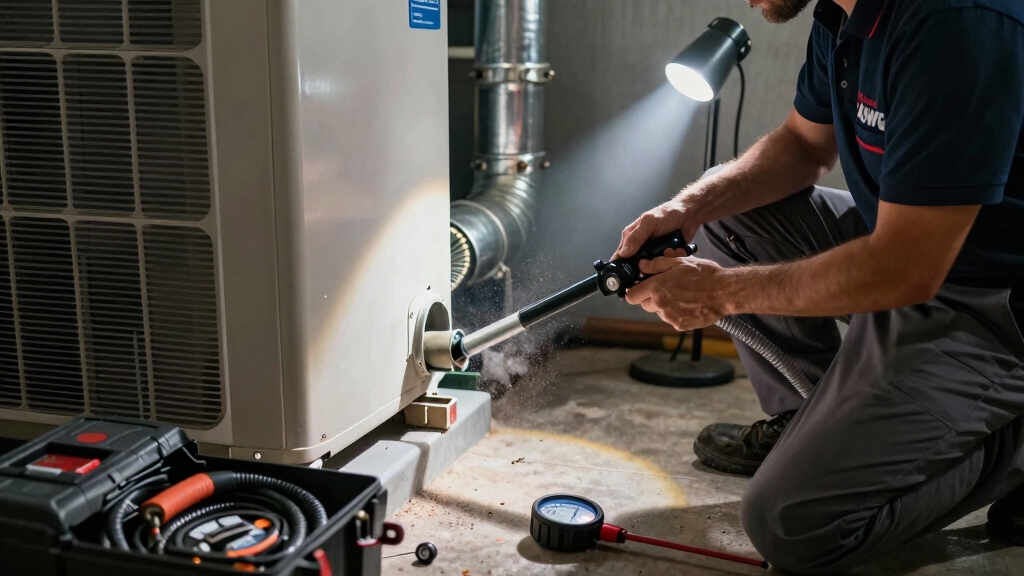
Professionals use powerful tools like rotary brushes, high-powered vacuums, and air whips to clean ducts thoroughly. These tools dislodge dust and debris while vacuums capture it, preventing it from spreading.
They also use specialized cameras for inspection and compressed air for thorough cleaning. This ensures your HVAC system runs efficiently and your indoor air stays clean and healthy.
Can Duct Cleaning Improve Indoor Air Quality Immediately?
Yes, duct cleaning can improve indoor air quality immediately by removing dust, allergens, and contaminants trapped in your HVAC system.
Once cleaned, the airflow becomes clearer, reducing airborne particles and odors.
However, the degree of improvement depends on the initial contamination level and system condition.
Regular cleaning every 3-5 years maintains peak air quality.
Keep in mind, thorough cleaning involves vents, registers, and blower components for best results.
Are There Any Health Risks Associated With Duct Cleaning?
Like walking a tightrope, duct cleaning carries minimal health risks if done properly. You might experience mild irritation from dust or mold spores released during cleaning, especially if you have allergies or respiratory issues.
Choosing a certified professional reduces risks markedly. Improper cleaning can stir up contaminants or damage ducts, potentially worsening indoor air quality.
Always make certain of a thorough inspection and proper equipment use to keep health hazards at bay.
How Much Does Professional Duct Cleaning Typically Cost?
Professional duct cleaning typically costs between $300 and $700, depending on your home’s size and duct complexity.
Smaller homes pay around $300-$400, while larger homes with extensive ductwork can reach $600-$700 or more.
Additional factors like multiple HVAC units or heavy debris buildup may increase the price.
You’ll want to get a detailed estimate from technicians that includes cleaning vents, registers, and blower components for a thorough job.
Final Thoughts: What Determines Duct Cleaning Time
Understanding duct cleaning time means considering home size, system complexity, and duct condition. Small homes clean faster, while medium and large homes take longer.
Complex HVAC systems require more attention, and dirty ducts slow the process. Limited accessibility adds challenges. Professional inspections help you estimate cleaning duration accurately.
By factoring in these elements, you can plan better, schedule efficiently, and guarantee thorough maintenance for your HVAC system’s peak performance.