How to Clean Marble in Shower? Easy Daily Maintenance Tips
To clean marble in your shower, use a gentle, pH-neutral cleaner like mild dish soap mixed with warm water. Apply it with a soft microfiber cloth, avoiding harsh scrubbing or acidic products that cause etching.
Rinse thoroughly and dry with a towel or squeegee to prevent water spots and mildew buildup. React promptly to spills by dabbing gently.
Regular sealing every 6 to 12 months protects your marble from stains. You’ll find more precise care tips and stain removal methods ahead.
Key Takeaways
- Clean marble shower tiles daily with a spray of warm water and gentle, pH-neutral dish soap applied by a soft cloth.
- Avoid acidic or alkaline cleaners; use only pH-neutral cleaners formulated for natural stone to prevent etching or dulling.
- Wipe spills promptly with a soft cloth to prevent staining and always dry the marble thoroughly after cleaning.
- Use a squeegee after each shower to remove excess water and prevent mineral buildup and mold growth.
- Seal marble shower surfaces every 6 to 12 months with a marble-specific sealer to protect against water absorption and stains.
How to Clean Marble Shower Tiles Safely?
Maintaining marble shower tiles requires a careful balance of gentle cleaning and protective care to preserve their natural beauty and durability.
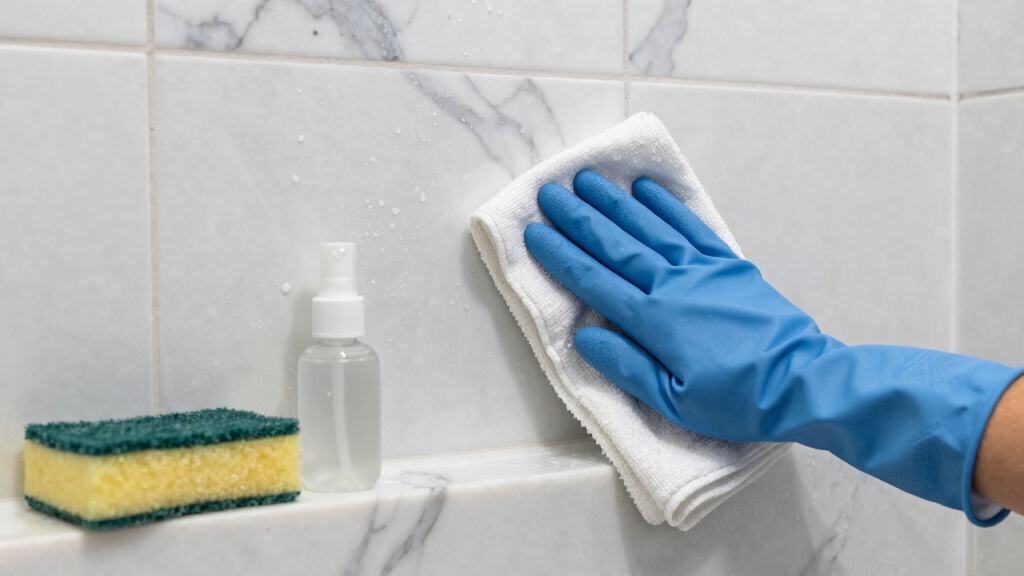
Use warm water mixed with a few drops of gentle dish soap in a spray bottle for daily cleaning.
Apply the solution with a soft, non-abrasive cloth, wiping without saturating the stone.
Dab spills gently to avoid spreading stains, and always dry tiles thoroughly with a towel to prevent mold and preserve polish.
Opt for pH-neutral stone cleaners if you want a safe alternative.
Avoid acidic or alcohol-based cleaners and abrasive tools that can etch or scratch the surface.
React promptly to spills to prevent deep staining, using specialized stone cleaners for tougher marks.
Always rinse and dry thoroughly before sealing to maintain your marble’s integrity.
Since marble is porous, regular sealing is essential to prevent absorption of stains and water damage. Sealing should be done every 6 to 12 months with a marble-specific sealer to ensure the surface remains protected.
Best Tools for Cleaning and Maintaining Marble Tiles
When it comes to cleaning and maintaining your marble tiles, it’s super important to choose the right tools. You definitely want to protect that delicate surface while still getting rid of dirt and moisture effectively.
So, think about using soft microfiber cloths, gentle vacuum attachments, and non-abrasive mops. These are essential for your daily cleaning routine. Using pH-neutral formulas helps prevent damage, discoloration, or deterioration of the stone’s surface.
And don’t forget about a few handy extras! Tools like squeegees and spray bottles can really help you manage moisture and apply cleaners evenly. It’s critical to use a pH-neutral cleaner formulated specifically for marble to avoid damage. This way, you’ll keep that beautiful shine and integrity of your marble intact.
Ideal Cleaning Tools
Choose cleaning tools carefully to protect your marble tiles from damage and preserve their natural beauty.
Use only non-acidic, pH-neutral cleaners like Rock Doctor Marble Shower Cleaner or Simple Green to avoid etching. This cleaner is safe for sealed marble. Regular use of pH-neutral products also helps maintain the natural gloss of marble surfaces.
Pair these with soft wiping tools that lift dirt without scratching surfaces.
Focus on these essential tools:
- Soft cloths and microfiber towels: Gently wipe surfaces and lift grime effectively.
- Spray bottles: Apply cleaners evenly from six to eight inches away for controlled coverage.
- Squeegees and chamois cloths: Remove excess moisture and polish marble to a streak-free shine.
Avoid abrasive scrubbers, harsh chemicals, or acidic agents to maintain the integrity of your marble shower tiles.
Maintenance Equipment Choices
Selecting the right tools guarantees your marble shower retains its elegance and longevity. Use soft microfiber cloths to wipe tiles gently without scratching, guaranteeing streak-free cleanliness with pH-neutral cleaners. Choosing a pH-neutral cleaner helps protect delicate marble surfaces from etching and dulling.
For grout and crevices, opt for soft natural stone brushes; their non-abrasive bristles effectively remove soap scum and mineral deposits without damage. Incorporate a shower squeegee daily to eliminate water spots and prevent mineral buildup. Its ergonomic design simplifies handling.
Maintenance kits offer all-encompassing solutions, combining neutral cleaners, mildew removers, and specialized treatments like the Honed Marble Restoration Kit for polishing and protection.
Enhance care with specialized stone soaps and polishes such as HMK’s concentrates and sprays, which clean, polish, and protect while preventing mildew growth. These precise tools and products guarantee your marble tiles remain pristine and durable. Proper care is essential for Move-In & Move-Out Cleaning and regular maintenance to preserve the marble’s natural beauty.
Choosing the Right pH-Neutral Cleaner for Marble Tiles

When you’re looking for a cleaner for your marble tiles, it’s really important to steer clear of acidic and alkaline products. These can etch or dull the surface, which is definitely not what you want!
Instead, go for pH-neutral cleaners. You know, gentle dish soaps that are labeled as safe for natural stone can be a great choice. A neutral pH formula ensures powerful cleaning without compromising the surface integrity. Using stone-safe cleaners helps prevent damage and maintains the marble’s natural beauty.
Also, if you’re not sure what to pick, there are some commercial options specifically formulated for marble. These are designed to clean effectively while keeping your beautiful stone safe from damage.
Avoid Acidic And Alkaline
Although it might seem effective to tackle stains with strong acidic or alkaline cleaners, these products can severely damage your marble tiles. Acidic substances dissolve the calcium carbonate in marble, causing dullness and permanent etching. Alkaline cleaners strip away the protective sealer, dulling the finish and increasing stain risk. Frequent exposure to harsh chemicals can also lead to sealant breakdown and surface erosion, further compromising marble’s integrity.
To keep your marble shower pristine, avoid:
Acidic agents like vinegar, lemon, or limescale removers that etch and roughen surfaces. Alkaline products including bleach and ammonia that corrode sealants and discolor marble. Frequent use of harsh cleaners that degrade marble’s natural gloss and protection. Consistent cleaning is essential to maintain marble surfaces and prevent damage from buildup of soap scum and minerals regular cleaning.
Instead, use a pH-neutral cleaner designed specifically for marble to safely remove stains and maintain its glossy, durable surface without harm.
Safe Dish Soap Options
To clean your marble shower tiles effectively without causing damage, you’ll want to zero in on dish soaps that maintain a neutral pH between 7 and 8. Brands like Dawn Ultra, Joy Ultra Concentrated, and Seventh Generation dish liquids meet this criterion, ensuring no etching or sealant damage.
Avoid soaps containing citrus or acidic additives. Dilute five to six drops of your chosen soap in one liter of warm distilled water, shaking gently to create foam. Use a soft microfiber cloth to apply the solution, wiping gently to prevent buildup.
It is important to rinse the surface with clean water after cleaning to remove any detergent residue, as even small amounts left to dry can build up hard-to-remove residue detergent residue. Rinse thoroughly afterward to remove residues.
Test the mixture on a small, inconspicuous area first to confirm safety. This method preserves your marble’s integrity while maintaining cleanliness through a balanced, mild, non-abrasive approach.
For best results, consider using pH-neutral cleaners specifically formulated to protect delicate stone surfaces.
Recommended Commercial Cleaners
Selecting the right commercial cleaner is essential for preserving the beauty and durability of your marble shower tiles. You want a pH-neutral product that effectively removes grime without causing etching or dullness.
Many effective options also prioritize ingredient transparency and avoid harsh chemicals that can degrade natural stone over time.
Consider these reliable options designed specifically for natural stone:
- Simple Green All-Purpose Cleaner: Dissolves tough stains and watermarks safely, preventing hard water deposits with consistent use. Its biodegradable, plant-based formula supports an eco-friendly cleaning routine.
- Granite Gold Shower Cleaner: Provides streak-free cleaning, controls mold and soap scum, and maintains stone surfaces without damage. It is also safe on natural stone surfaces and free of phosphates and ammonia.
- MB-5 Stone & More Cleaner: Sprays on gently, removes stubborn stains, and is safe for marble, granite, and other natural stones. This cleaner is designed to be free from VOCs and synthetic fragrances, making it safer for indoor air quality.
Choosing any of these guarantees thorough cleaning while safeguarding your marble’s finish and longevity.
Removing Stains and Mildew From Marble Tiles

Removing stains and mildew from marble tiles requires using specialized products and techniques that protect the stone’s delicate surface. For deep stains, apply a poultice paste made of white absorbent powder mixed with a solvent that draws out contaminants. To ensure safety and effectiveness, always perform a patch test on a small hidden area before full application.
For mildew, use pH-neutral removers like MarbleLife or MB-9. Apply the remover, let it sit, then wipe clean. Avoid harsh acids or full-strength bleach; instead, use diluted hydrogen peroxide bleach for mold. Regularly clean with gentle, pH-neutral soap solutions to prevent build-up. It is important to perform weekly cleaning using mild soap and a soft scrubbing cloth to maintain the marble’s finish and prevent residue.
When and How to Seal Marble Shower Tiles?
Maintaining marble tiles in your shower goes beyond cleaning stains and mildew. It also involves protecting the stone itself from water damage and staining. You’ll need to seal honed or rough-cut marble, especially white varieties like Carrara, to prevent water absorption and rust stains. The porosity of marble significantly influences how often sealing is necessary and the effectiveness of stain prevention.
Polished marble usually doesn’t require sealing due to its low porosity. Some polished marble slabs are non-absorbent and therefore unlikely to stain, reducing the need for sealing. To seal effectively, apply 2-3 coats of sealer before grouting. Use a brush or cloth applicator for even coverage. Let the sealer absorb for 3-5 minutes, then buff off excess with a soft cloth.
Perform a water beading test afterward; if droplets bead up, sealing is successful. Repeat sealing every six months or as water absorption indicates to maintain protection. Regular application of a high-quality penetrating sealer can greatly enhance the marble’s resistance to moisture and water stains.
Why Marble Shower Tiles Need Special Care?
Because marble is a porous and chemically sensitive natural stone, you need to treat your shower tiles with special care to avoid damage.
Marble absorbs liquids, making it vulnerable to staining and chemical etching from acidic substances. Its softness means abrasive cleaning can scratch or dull the surface. Constant moisture increases risks of mold and hard water deposits. Different types of marble vary in porosity and should have tailored care routines to maintain their beauty. Proper care helps marble remain a durable and enduring surface over time.
Proper ventilation and gentle cleaning methods are essential to preserve its appearance.
| Risk Type | Cause | Effect |
|---|---|---|
| Porosity | Water, liquids penetrating | Stains, mold, bacteria buildup |
| Etching | Acidic cleaners, citrus juice | Surface dulling, sealer damage |
| Staining | Soap scum, oil, rust | Visible discoloration |
| Scratching | Abrasive materials, harsh scrubbing | Surface scratches |
| Moisture Damage | Excess moisture, poor ventilation | Mold growth, water spots |
Frequently Asked Questions
Can I Use Steam Cleaners on Marble Shower Tiles?
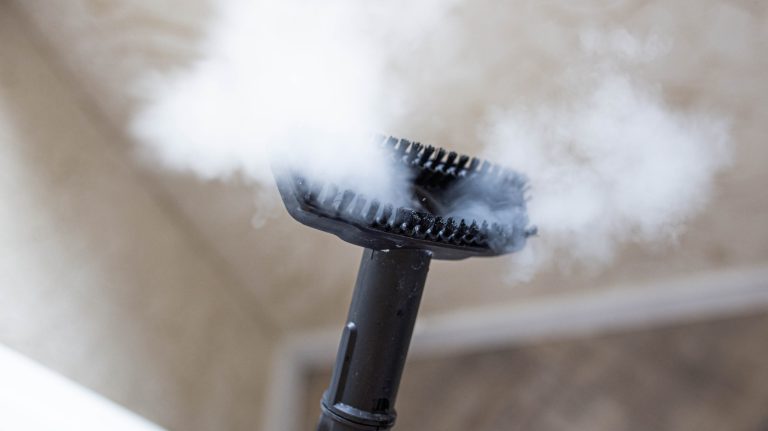
You shouldn’t use steam cleaners on marble shower tiles regularly because the heat and moisture can cause thermal stress, discoloration, and damage sealants.
If you must, limit use to infrequent sessions with low-temperature steam and make sure the cleaner is designed specifically for natural stone.
Always dry surfaces thoroughly afterward.
For routine cleaning, opt for pH-neutral, stone-safe products and reseal marble often to protect it from moisture-related harm.
How Do Hard Water Deposits Affect Marble Shower Tiles?
Hard water deposits dull your marble shower tiles by leaving white, cloudy mineral buildup that damages their polished surface.
These calcium and magnesium ions etch into the marble, causing rough spots and discoloration.
Because marble is porous, it absorbs minerals, leading to stubborn stains and weakening the stone’s structure over time.
If you don’t seal and clean regularly, the buildup worsens, degrading both tile and grout, compromising your shower’s appearance and durability.
Is It Safe to Use Essential Oils on Marble Surfaces?
You might think essential oils are a magic elixir for cleaning, but when it comes to marble, you need caution.
It’s safe to add a few drops of non-acidic oils like lavender or lemongrass to pH-neutral soap, diluting well.
Avoid citrus oils directly; they can etch marble like a hidden saboteur.
Always test on a hidden spot first, and never mix oils with vinegar or acidic substances to keep your marble flawless.
Can Marble Shower Tiles Be Repaired if Chipped or Cracked?
Yes, you can repair chipped or cracked marble shower tiles.
You’ll start by applying a specialized filler that hardens within 20 minutes to fill holes or deep damage.
After that, you’ll use progressive honing with diamond pads, moving from 120 to 11,000 grit to polish and blend repairs seamlessly.
For more severe issues, consider professional restoration services that handle polishing, scratch removal, and sealing to restore your marble’s original beauty.
How Does Humidity Impact Marble Tile Maintenance in Showers?
You might think humidity just makes marble damp, but it actually accelerates discoloration and surface wear in showers.
High moisture levels cause water to saturate the stone, dulling its shine and fostering mold growth in scratches.
To maintain your marble, you need to dry surfaces daily, guarantee good ventilation, and reseal every 12–18 months.
Using pH-neutral cleaners prevents etching, preserving both appearance and structure over time.
Solve Tough Stains Safely Without Damaging Your Marble
So, you’ve mastered the art of cleaning your marble shower without turning it into a chemical war zone. Congratulations.
It’s ironic that something as elegant as marble demands such careful, pH-neutral TLC, but that’s the price of luxury.
Remember, using the right tools and sealing your tiles isn’t optional; it’s essential.
Skip these steps, and your beautiful marble might just remind you why it’s better admired than abused. Keep it pristine, methodically.