What Does a Spring Clean up Include: Essential Spring Yard Tasks
A spring clean up includes thoroughly decluttering and organizing key areas like entryways, kitchens, bedrooms, and bathrooms.
You’ll deep clean surfaces, appliances, furniture, and trimwork, paying close attention to corners and baseboards where dust hides.
You’ll also vacuum upholstery, launder linens, and tidy storage spaces to refresh your home.
Outdoor tasks like gutter cleaning and deck power washing are essential too.
Keeping these tips in mind will help you bring fresh order and cleanliness to every corner of your home.
Key Takeaways
- Deep clean floors, baseboards, corners, and trimwork throughout the home, including sweeping, mopping, and dusting.
- Declutter and organize storage areas like closets, drawers, and basement spaces, sorting items to keep, donate, or discard.
- Thoroughly clean kitchen appliances, cabinets, countertops, and windows, removing grease, spills, and grime for a fresh cooking space.
- Vacuum and clean upholstered furniture, mattresses, and bedroom linens, plus wipe down furniture and windows for a refreshed living area.
- Deep clean bathrooms, including toilets, showers, vanities, and mirrors, while organizing linens and bathroom essentials for tidiness.
Rooms and Spaces to Include in Spring Cleaning
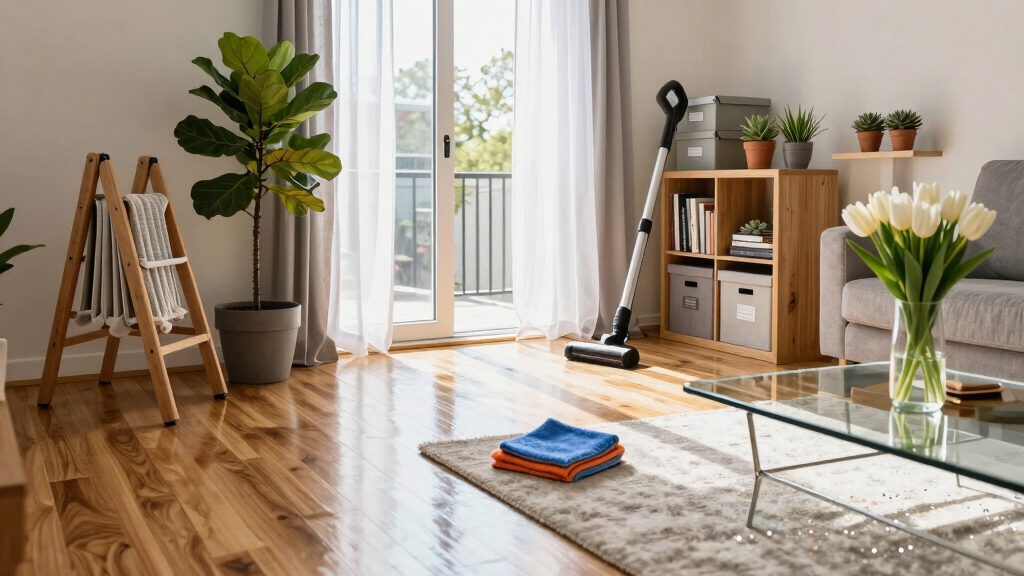
When planning your spring cleaning, focus on key rooms and spaces that accumulate the most dirt and clutter throughout the year.
Prioritize the entryway since it collects outdoor debris; clean floors, wipe down furniture, and launder rugs.
Focus on the entryway by cleaning floors, wiping furniture, and laundering rugs to remove outdoor debris.
The kitchen demands attention. Deep clean appliances, wipe cabinets, and clean windows thoroughly.
Your living room benefits from vacuuming upholstery, dusting trimwork, and wiping furniture to remove accumulated grime.
Bedrooms require rotating and vacuuming mattresses, dusting furniture, and cleaning windows inside and out.
Bathrooms need detailed cleaning of the toilet, shower, vanity, mirrors, and decluttering worn linens.
Don’t overlook outdoor areas and basements. Clean gutters, power wash decks, and organize storage spaces.
Concentrating on these areas guarantees your home feels fresh and hygienic after winter.
In addition, integrating a whole-home air freshener through your HVAC system can help maintain a continuous, subtle fragrance throughout your freshly cleaned space.
How to Declutter Your Home’s Key Areas?
Hey there! Let’s kick things off by diving into your entryway. It’s all about organizing those closets and sprucing up surfaces to create a space that feels welcoming as soon as you walk in.
Now, moving on to the bedroom! Here, your main focus should be on decluttering your clothing and giving your furniture a good clean. This will help keep your bedroom feeling restful and serene.
And don’t forget the living room! Take some time to clear out those drawers and give your upholstery a deep clean. This way, your main gathering area remains tidy and inviting for everyone who comes over. Remember to vacuum thoroughly to remove dust and debris before any deep cleaning or stain treatment.
Entryway Organization Tips
Clear out the entryway closet to create a welcoming and functional space that sets the tone for your entire home.
Start by removing everything, then sort items into keep, donate, or discard piles.
Launder any throw rugs to freshen the area and improve cleanliness.
Sweep, mop, or vacuum the floors thoroughly, paying close attention to corners where dirt accumulates.
Wipe down furniture surfaces to remove dust and fingerprints.
Clean doors and trimwork for a polished look.
Use hooks or baskets inside the closet to organize shoes, coats, and accessories efficiently.
Maintaining this order prevents clutter buildup and makes daily routines smoother.
Regularly revisiting these steps guarantees your entryway remains an inviting and practical foyer zone.
For hard-to-reach corners and grooves, consider using ergonomic cleaning tools to ensure a thorough clean without strain.
Bedroom Decluttering Steps
Tackle your bedroom clutter by sorting through clothing and accessories with a strategic approach that maximizes space and minimizes distractions.
Start by categorizing items: keep, donate, or discard. Be honest about what you wear and what’s just taking up room.
Use storage solutions like under-bed bins or drawer dividers to organize essentials efficiently. Once clothing is managed, vacuum and rotate your mattress to maintain freshness and prolong its life.
Clean your windows inside and out to brighten the space, then wipe down and dust furniture and picture frames thoroughly.
This focused decluttering not only creates a serene environment but also makes cleaning easier, setting a foundation for a restful, well-ordered bedroom. For maintaining textile items like rugs or upholstery, it’s important to vacuum gently using suction-only to avoid damage while keeping them clean.
Living Room Tidying Methods
When you dig into tidying your living room, focus on organizing cluttered drawers and vacuuming upholstered furniture like couches and chairs to refresh the space.
Start by removing unnecessary items from drawers, sorting essentials into categories for easy access.
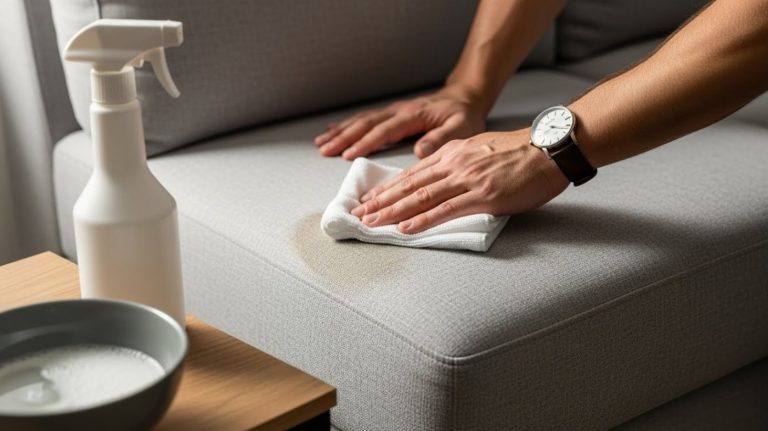
Next, thoroughly vacuum your sofas and chairs to eliminate dust and allergens, revitalizing the fabric.
Don’t forget to wipe down all furniture surfaces and trimwork to remove grime buildup.
Finally, clean windows inside and out to maximize natural light and brighten the room.
- Declutter and organize drawers for streamlined storage
- Vacuum upholstered furniture thoroughly
- Wipe down furniture and trimwork to remove dust
- Clean windows inside and outside for enhanced brightness
Regular vacuuming with an upholstery attachment helps trap fine particles and allergens, improving indoor air quality.
These steps guarantee your living room feels inviting and well-maintained.
Deep Clean Your Entryway and Hallways
Let’s kick things off by tackling that entryway closet of yours. Start by decluttering and organizing it. You want to create a space that’s not just welcoming but also functional. Once that’s sorted, we can move on to cleaning.
Next up, grab some cleaning supplies and give all the surfaces a good wipe-down. Don’t forget to hit the furniture, doors, and trimwork to eliminate any dust and grime that might’ve built up.
Now, for the finishing touch: let’s make those floors shine! Sweep, mop, and vacuum to ensure your hallways look fresh and inviting. Trust me, it’ll feel like a whole new space!
To clean hard-to-reach areas like high walls and ceilings without a ladder, consider using a mop with an extendable handle designed for maneuverability and ease.
Declutter And Organize
Although entryways often serve as high-traffic zones, you can transform them into welcoming, organized spaces by decluttering closets and thoroughly cleaning surfaces.
Start by removing unnecessary items from your entryway closet to create a sense of openness. Next, launder throw rugs to refresh the area and reduce allergens.
Make sure to wipe down furniture and trimwork to eliminate dust buildup that can make the space feel cluttered. Finally, maintain organization by designating specific spots for shoes, coats, and keys.
- Declutter entryway closet, donating or discarding unused items
- Launder throw rugs for a fresh, clean appearance
- Wipe down furniture and trimwork to remove dust and grime
- Assign storage spots to keep everyday essentials organized and accessible
This approach will enhance both appearance and functionality. Additionally, keeping entryways clean and organized helps reduce shelter options for mice, which is a key step in preventing infestations.
Clean Surfaces And Floors
After clearing out and organizing your entryway, focus on restoring its surfaces and floors to a spotless condition.
Start by removing throw rugs and laundering them thoroughly to eliminate embedded dirt.
Sweep or vacuum the floors to capture dust and debris, then mop with an appropriate cleaner to restore shine and hygiene.
Don’t forget to wipe down all furniture, including benches or shelves, as well as doors and trimwork; these often overlooked areas accumulate grime and fingerprints.
Use a microfiber cloth and a gentle cleaner to avoid damage while ensuring a thorough clean.
Pay special attention to corners and baseboards, where dust tends to gather.
For best results, choose a pH-neutral, residue-free cleaner specifically formulated for sealed laminate surfaces to protect your floors during cleaning.
Essential Spring Kitchen Cleaning Steps
When tackling your kitchen spring cleaning, focus first on deep cleaning your appliances and the spaces behind them. Grease and dust often accumulate in these hidden areas.
Next, thoroughly wipe down your cabinets, drawers, and pantry shelves to remove spills and crumbs that build up over time. Don’t forget to clean your kitchen windows both inside and out to brighten the space and improve natural light.
Finally, pay attention to trimwork, wiping away dirt and grime to refresh your kitchen’s overall appearance. Follow these steps to make certain a thorough, efficient clean:
- Deep clean appliances and the areas behind them
- Wipe down cabinets, drawers, and pantry
- Clean kitchen windows inside and out
- Wipe down trimwork for a polished finish
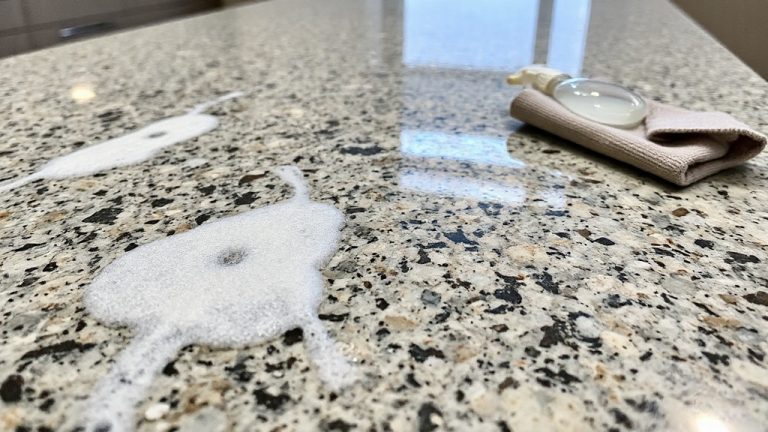
Additionally, when cleaning quartz countertops, always use a soft microfiber cloth with warm water or pH-balanced soap to maintain their shine and prevent damage.
Spring Cleaning Your Living Room: Furniture and Windows
Refresh your living room by focusing on deep cleaning your furniture and windows, which often collect dust and grime throughout the year.
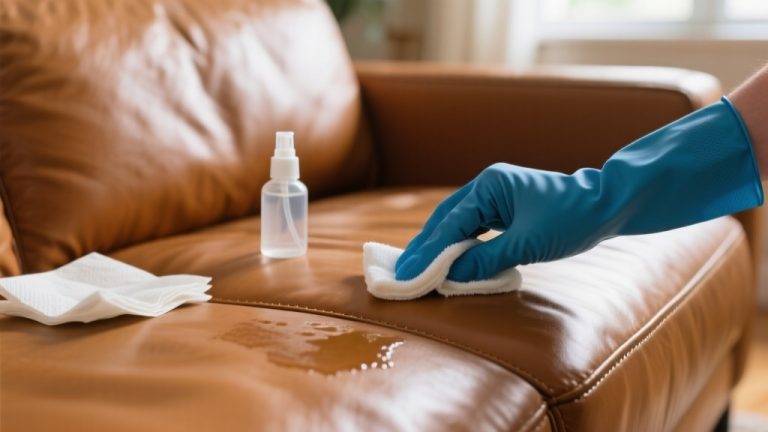
Start by vacuuming upholstered pieces thoroughly, reaching crevices to remove embedded dirt and allergens. For wooden or leather furniture, use appropriate cleaners and conditioners to preserve material integrity.
Don’t forget to wipe down all trimwork to maintain a polished look. Next, clean your windows inside and out; use a streak-free glass cleaner and a microfiber cloth for best results.
This not only improves natural light but also enhances your room’s overall freshness. Finally, declutter any drawers to prevent dust accumulation and vacuum your couch and chairs regularly.
These steps restore comfort and elevate your living room’s appearance efficiently. Using a vacuum with HEPA filtration can significantly improve indoor air quality by trapping allergens during cleaning.
Declutter and Dust Your Bedrooms for Spring
Moving from your living room to the bedrooms, focusing on decluttering and dusting can dramatically improve your sleep environment.
Start by sorting through your clothing. Donate or discard items you no longer wear to free up space.
Next, vacuum your mattress thoroughly and rotate it to maintain comfort and longevity.
Clean your windows inside and out to maximize natural light, enhancing the room’s freshness.
Finally, wipe down and dust all furniture and picture frames carefully to remove allergens and dust buildup.
This creates a cleaner atmosphere.
- Declutter clothing—donate or discard unused items
- Rotate and vacuum mattress to remove dust and allergens
- Clean windows inside and out for better light and air
- Dust and wipe furniture, including picture frames, thoroughly
These steps guarantee a healthier, more restful bedroom for spring.
Bathroom Deep Cleaning and Organization Tips
Although bathrooms often see daily use, they tend to accumulate grime and clutter in unnoticed corners.
Start by decluttering worn towels and washcloths to free up space and refresh your linen supply.
Next, thoroughly clean the vanity and medicine cabinet, removing spills and expired products.
Deep clean the toilet, paying close attention to the base and under the seat to prevent buildup.
Scrub the shower and sink with appropriate cleaners to tackle soap scum and mildew.
Don’t forget to wipe down mirrors, doors, and trimwork to restore shine and remove fingerprints.
Organize essentials neatly, using storage bins or trays to keep items accessible yet tidy.
This systematic approach secures your bathroom looks spotless and functions efficiently for daily use.
Outdoor and Basement Spring Cleaning Tasks
To tackle outdoor and basement spring cleaning effectively, start by clearing out debris and organizing storage bins to create more usable space. This foundational step helps you identify what to keep or discard.
Next, focus on structural maintenance and deep cleaning to prolong the life of your spaces. Here are four essential tasks:
- Clean gutters thoroughly to prevent water damage and guarantee proper drainage.
- Power wash your porch and deck to remove dirt, mold, and mildew, restoring their appearance.
- Wipe down basement shelves to eliminate dust and grime, improving air quality.
- Sweep the entire basement area to clear out dirt and prevent pest infestations.
Frequently Asked Questions
How Often Should I Schedule a Full Spring Clean Each Year?
You should schedule a full spring clean once a year, ideally in early spring to refresh your home after winter.
This timing helps you tackle deep cleaning tasks like decluttering, washing windows, and cleaning appliances before warmer months.
However, if you have pets or allergies, consider an additional mid-season touch-up.
Consistency guarantees your home stays healthy and organized, preventing buildup and making maintenance easier throughout the year.
What Cleaning Supplies Are Best for a Thorough Spring Clean?
You’ll want a versatile set: all-purpose cleaner for surfaces, glass cleaner for windows and mirrors, and a disinfectant for bathrooms and kitchens.
Grab microfiber cloths; they trap dust without scratching. Use a vacuum with attachments for floors and furniture.
Don’t forget a mop with a good floor cleaner and a scrub brush for grout or tough spots. Gloves protect your hands, and a duster helps reach high trimwork and ceiling fans.
Can I Hire Professionals for Specific Spring Cleaning Tasks?
You can absolutely hire professionals for specific spring cleaning tasks, and it’s often smarter than tackling everything yourself.
While you might handle decluttering or vacuuming, pros excel at deep-cleaning appliances, power washing decks, or cleaning gutters safely.
They bring specialized tools and expertise, saving you time and effort.
Focus your energy on manageable jobs, then let experts handle the heavy-duty cleaning to guarantee a thorough, efficient spring refresh.
How Do I Prevent Allergens During Spring Cleaning?
To prevent allergens during spring cleaning, you should wear a mask and gloves to avoid inhaling dust and irritants.
Use a vacuum with a HEPA filter to trap allergens effectively. Open windows for ventilation but avoid peak pollen times.
Clean soft surfaces like rugs and upholstery thoroughly, and wash bedding in hot water.
Finally, use hypoallergenic cleaning products to minimize chemical irritants and keep your environment allergy-friendly throughout the season.
What Is the Average Time Needed to Complete Spring Cleaning?
You might think spring cleaning takes just a few hours, but tackling every room thoroughly usually demands several days.
Depending on your home’s size and clutter, expect anywhere from 6 to 20 hours total.
Break tasks into manageable chunks, like focusing on the kitchen one day and bedrooms the next, to avoid burnout.
Planning this way guarantees you clean deeply without rushing, making your home truly fresh and allergen-free for the season ahead.
A Cleaner Home Today, A Clearer Mind Tomorrow
You might think spring cleaning means just a quick sweep and some dusting, but as you’ve seen, it’s a full-on mission tackling every corner—from your entryway to the basement.
Ironically, ignoring these steps only makes future cleanups harder. So, roll up your sleeves and plunge into decluttering, deep cleaning, and organizing now.
Trust me, your home and sanity will thank you when next spring rolls around, and you’re not starting from scratch.