What Is the Best Way to Clean Silver: Tips for Sparkle Shine
You clean silver best by using a gentle electrolytic method: line a glass container with aluminum foil, add boiling water mixed with baking soda and salt, then fully submerge your silver for 2–5 minutes.
This safely reverses tarnish without abrasion. For delicate or gem-set pieces, use mild polish or soft cloth cleaning instead.
Always rinse and dry thoroughly after. To maintain shine and prevent damage, understanding specific silver types and care frequency is key. Further insights reveal detailed techniques.
Key Takeaways
- Use a baking soda and aluminum foil electrolytic soak with boiling water for quick, non-toxic, and effective tarnish removal on unlacquered silver.
- Clean sterling silver jewelry gently with acid-free polish and a silver-polishing cloth, avoiding abrasives and frequent commercial polish use.
- Store silver in dry, airtight containers with silica gel or anti-tarnish strips and wrap in acid-free tissue to minimize tarnishing.
- For delicate pieces with stones or lacquer, avoid soaking; instead, wipe gently with a damp cloth or use mild, tested cleaners.
- Regularly wipe silver with a soft cloth after use and deep clean every 6–12 months to maintain shine and prevent heavy tarnish buildup.
Why Silver Tarnishes and Why to Clean It?
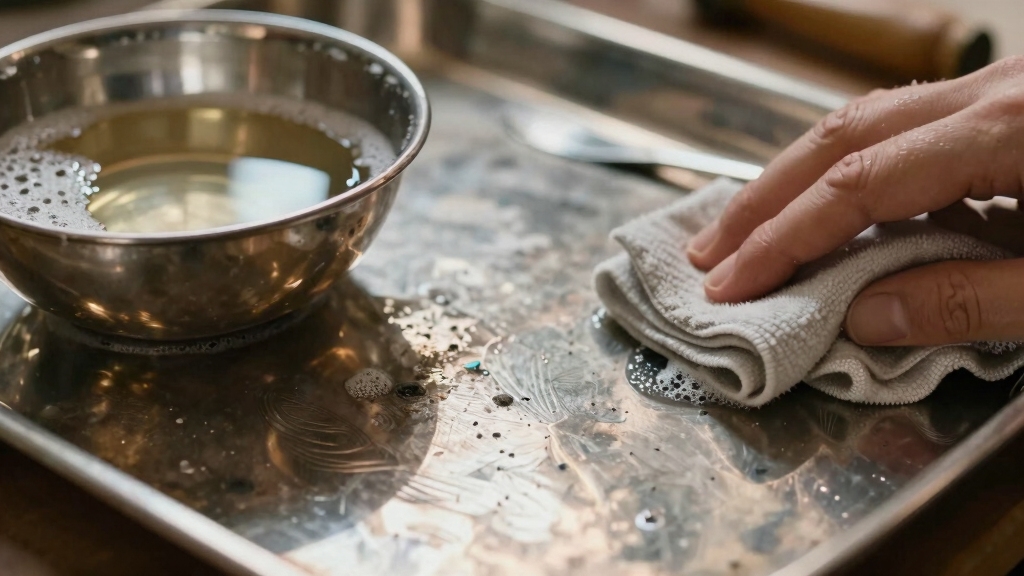
Because silver readily reacts with sulfur compounds like hydrogen sulfide (H₂S) in the air, it forms a dark layer of silver sulfide (Ag₂S) on its surface. This process, known as tarnishing, is caused by oxidation.
The reaction follows: 2Ag + H₂S + O₂ → Ag₂S + H₂O. The silver sulfide appears as a black or dark brown coating that diminishes silver’s reflectivity. This blackened coating dulls the shine and degrades the visual appeal of silver over time. Prolonged exposure to contaminants can also lead to surface degradation, which may require specialized cleaning methods.
Trace amounts of H₂S, sulfur dioxide, and other sulfur gases in polluted air accelerate tarnishing, especially near industry or volcanic areas. High humidity, skin oils, and contact with sulfur-containing materials like rubber further speed this process.
Sterling silver tarnishes faster due to its copper content forming copper sulfide (Cu₂S). Cleaning removes the dull, blackened layer, restoring silver’s original luster and preventing buildup that complicates future maintenance.
Best Cleaning Methods for Different Silver Types
Selecting the appropriate cleaning method depends on the type of silver you have, as each variety demands specific care to avoid damage while effectively removing tarnish. It is important to choose products that are free from harsh chemicals to preserve silver’s natural luster and prevent surface deterioration.
For sterling silver jewelry, use a gentle, acid-free polish and a silver-polishing cloth. Avoid abrasive cleaners and limit commercial polish use to once every month or two. Regular maintenance can also include wiping with a soft cloth to reduce tarnish buildup.
Antique silver benefits from gamma alumina in water-surfactant slurry for minimal wear, while alpha alumina is more abrasive and causes silver loss. Using non-abrasive cleaning agents ensures the longevity of delicate antique pieces.
For flatware and hollowware, non-abrasive pastes like baking soda with water or specialized polishes safe for food contact work best. In fact, the baking soda + water method has been identified as the most effective household cleaning solution for restoring shine on vintage silver flatware. Additionally, choosing cleaners that leave no residue helps maintain the silver’s shine without harmful buildup.
Lacquered silver requires only level 1 abrasiveness polishes and gentle cleaning agents like dish soap with vinegar, avoiding aggressive products. It is advisable to apply these cleaners with soft cloths and follow the grain to protect the lacquer finish.
Silver with stones demands cautious, soft paste application and commercial cleaners tested for safety. Products with natural, biodegradable ingredients are preferable to avoid damage to both silver and embedded stones.
How to Clean Silver With Baking Soda and Aluminum Foil?

To clean your silver effectively, start by lining a container with aluminum foil, making sure the shiny side is facing up. Then, sprinkle a good amount of baking soda and salt on top of the foil. It’s a simple step, but super important for what’s coming next!
Now, here’s where the magic happens. When you pour in some boiling water, a chemical reaction kicks off between the baking soda and the aluminum. This reaction actually pulls the tarnish off your silver and transfers it onto the foil.
Isn’t that cool? This electrolytic process works wonders by reversing the buildup of silver sulfide without you having to scrub away. For best results, use about one teaspoon of baking soda and one teaspoon of salt per pot of water to ensure effective cleaning boil silver with baking soda and salt.
Be sure to handle the boiling water carefully and work in a well-ventilated area to avoid any hazards related to safety precautions.
Aluminum Foil Setup
Start by lining a shallow, non-reactive container, preferably glass or plastic, with aluminum foil. Ensure the foil covers the entire bottom surface without gaps. This setup prevents unwanted reactions and guarantees effective contact between silver and foil.
The chemical reaction between the silver and aluminum foil is what facilitates tarnish removal. It is important to use a non-abrasive surface to avoid scratching delicate silver pieces.
Select a container size that allows complete submersion of silver items.
| Component | Specification |
|---|---|
| Container Type | Glass or plastic (non-reactive) |
| Foil Coverage | Full bottom surface, no gaps |
| Container Size | Large enough to submerge silver |
| Avoid | Reactive metal containers |
Once lined, prepare your saltwater solution to fill the container. Make certain silver pieces will have direct contact with foil to activate the cleaning process efficiently.
Baking Soda Reaction
Activate the cleaning process by adding baking soda to your saltwater solution, which facilitates an electrolytic reaction essential for removing tarnish from silver. Use about 1 teaspoon per pot or 1 cup per gallon of water to optimize conductivity.
This reaction reverses silver sulfide formation by transferring sulfur to aluminum foil, restoring silver’s shine. It is important to line your cleaning vessel with aluminum foil shiny side up to maximize contact and efficiency.
Place silver items fully submerged in boiling solution with foil; maintain for 4 minutes or longer for heavy tarnish. You’ll witness the aluminum darken as the tarnish migrates, while the water may yellow from dissolved sulfur compounds.
Afterward, remove silver with tongs, rinse thoroughly, wash with warm soapy water, and dry. This non-toxic, museum-preferred method safely cleans silver without abrasion, though avoid use on items with stones or adhesives to prevent damage.
For best results, always test cleaning methods on a small hidden area before full application to avoid damage.
How to Clean Silver Using Baking Soda and Vinegar?
Alright, let’s clean that silver! First, grab a foil-lined container and mix together some baking soda and vinegar. This combination will create a bubbly soak that works wonders on tarnish.
Adding a teaspoon of baking soda to the solution enhances the cleaning power by aiding in the chemical reaction with the foil lining. Now, depending on how tarnished your silver items are, you’ll want to let them soak for anywhere from 15 seconds to 30 minutes.
Just make sure the solution completely covers the pieces. Using a non-abrasive cleaner like this ensures your silver is cleaned without scratching the surface. Once they’re done soaking, rinse them off with cool water. Lastly, take a soft cloth and give them a good buffing to bring back that shine. It’s really that simple!
Baking Soda Vinegar Soak
When you soak your sterling silver pieces in a solution of baking soda, white vinegar, and hot water lined with aluminum foil, a chemical reaction occurs that effectively removes tarnish without abrasive scrubbing.
Line a heat-resistant container with aluminum foil, ensuring your silver contacts it directly. Sprinkle enough baking soda to cover the silver fully, then add one tablespoon of white vinegar, triggering a fizzing reaction.
Pour hot water to submerge the items completely. The baking soda and vinegar react to loosen sulfur-based tarnish, while the aluminum foil facilitates an ion exchange, separating sulfur atoms from silver sulfide compounds.
Allow the items to sit for about 3–5 minutes to let the chemical reaction proceed fully. It is important to rinse and air dry the silver completely afterward to prevent microbial growth and maintain shine.
This process restores shine gently and efficiently. Use this method sparingly, ideally once a month, and only on sterling silver to prevent damage or overexposure to the reactive environment.
Soaking Duration Tips
Although the baking soda and vinegar soak effectively removes tarnish, controlling the soaking duration is essential to prevent damage and optimize results.
For moderate tarnish on sterling silver, submerge pieces for 10-15 minutes, observing the fizzing reaction as it actively breaks down oxidation. Use a non-abrasive sponge or soft cloth during scrubbing to avoid scratching the silver surface. Maintaining proper soak time helps prevent adverse effects such as surface oxidative damage.
Avoid exceeding 15 minutes to prevent surface degradation. For lightweight items, a rapid 2-5 minute soak on aluminum foil in boiling water with baking soda is ideal, ensuring even coverage and swift cleaning.
Heavily tarnished or intricate pieces benefit from a prolonged 2-3 hour soak in vinegar combined with baking soda, leveraging acidity for deeper oxidation breakdown.
Adjust soak time precisely based on tarnish severity and item type, always monitoring for reaction activity and ensuring complete submersion to maximize tarnish removal while preserving silver integrity.
Rinsing And Buffing
Rinsing your silver immediately after soaking guarantees all chemical residues from the baking soda and vinegar solution are completely removed, preventing potential corrosion or spotting.
Submerge each piece fully, then rinse thoroughly with cool, clean water. Pat dry gently using a lint-free cloth to avoid microscopic scratches.
For buffing, create a paste of baking soda and water, then apply with a soft sponge using 5-6 controlled strokes per area. Focus on stubborn tarnish without vigorous rubbing to preserve surface integrity.
Feel the satisfaction as tarnish fades with precise, gentle strokes. Enjoy the restored gleam reflecting your careful attention. Appreciate the safety of a non-toxic, museum-preferred method.
This guarantees your silver not only looks radiant but stays protected long-term. It is important to avoid harsh abrasives or strong acids during cleaning to prevent damage to the surface integrity.
How to Apply Baking Soda Paste for Silver Polishing?
If you want to restore your silver’s shine efficiently, applying a baking soda paste offers a targeted polishing method.
Begin by mixing baking soda with a small amount of water to create a thick paste.
Start by blending baking soda with water until you achieve a thick, creamy paste.
Apply this paste directly onto the tarnished silver using a soft cloth or sponge, ensuring even coverage.
Gently rub the paste into the surface, focusing on heavily tarnished areas, but avoid excessive pressure that might scratch the silver.
After polishing, rinse the item thoroughly with warm water to remove all residue. Using eco-friendly abrasives prevents damage to delicate surfaces.
Immediately dry the silver with a soft cloth to prevent water spots.
This method leverages baking soda’s mild abrasive action to lift oxidation without harsh chemicals, making it ideal for detailed or delicate silver pieces needing precise cleaning.
Using baking soda provides a gentler, eco-friendly alternative to commercial silver cleaners often containing harsh chemicals.
Cleaning Light Tarnish With Mild Soap and Water
While baking soda paste effectively tackles heavier tarnish, lighter discoloration calls for a gentler approach using mild soap and warm water.
Start by mixing a few drops of mild dish soap in warm water, preparing a soaking bowl. Soak your silver for 5-10 minutes to loosen dirt and light tarnish without risking damage.
Next, gently rub the surface with a soft microfiber cloth dipped in the solution, using a soft-bristled toothbrush for crevices. Rinse thoroughly under cool running water to remove soap residue.
Because humidity accelerates tarnishing, it is beneficial to dry silver items promptly after cleaning to prevent moisture-related tarnish.
Finally, dry and buff with a lint-free cloth to prevent water spots and restore shine. This method preserves delicate finishes with minimal pressure, reaches intricate designs without scratching, and offers a safe, immediate cleaning solution for lightly tarnished silver.
Choosing Safe Commercial Silver Polishes
When you’re on the hunt for a commercial silver polish, one of the key things to keep in mind is its abrasiveness. You really want to avoid anything that could cause surface scratches or micro-etching on your precious silver pieces. So, take a moment to read the label and do a little research before making a choice.
Now, when it comes to applying the polish, make sure to follow the recommended techniques. A gentle wipe with a soft cloth goes a long way in minimizing any potential damage and helps keep residue buildup at bay.
Just remember, the gentler you are, the better your silver will look! It’s also important to rinse thoroughly with water after polishing to remove abrasive particles and prevent residue buildup that can disfigure the silver’s appearance residue management.
Also, steer clear of products that contain harsh chemicals or large abrasive particles. They might promise a quick shine, but they can really compromise your silver’s integrity and finish over time. So, taking a little extra time to choose the right polish can save you a lot of headaches in the long run!
Abrasiveness Levels Explained
Because silver’s softness demands careful handling, you need to select polishes based on their abrasiveness levels to avoid damaging your pieces. The abrasiveness rating scale ranges from 1 (least abrasive) to 3 (most abrasive).
Level 1 polishes are safest for regular use, while Level 2 polishes are mildly abrasive and require rinsing. Level 3 polishes pose a high risk of cutting through silver plating and should be avoided. It is also important to rinse and dry after polishing to preserve the original finish and prevent damage.
Keep in mind:
- Mild abrasives like calcium carbonate remove minimal silver while brightening.
- Severe abrasives such as Brasso or 0000 steel wool cause audible scratching and damage.
- Particle size under 5 microns guarantees effective cleaning without excessive wear.
Choosing polishes with proper hardness and particle size protects your silver’s integrity.
Application Techniques Recommended
Selecting the right polish goes beyond abrasiveness levels; applying it correctly guarantees peak cleaning and protection of your silver items.
Use minimal polish amounts on cotton balls or makeup pads rather than sponges to avoid reapplying loosened tarnish. Regularly rotate applicators, exposing fresh surfaces for efficient removal. Many commercial polishes are formulated to be ammonia-free, making them safe for use on jewelry containing diamonds or gemstones.
After applying polish, rinse thoroughly to eliminate residues, then dry completely to prevent buildup. Buff with clean cloths using smooth, circular motions to enhance shine and remove residual particles.
Choose polishes like Herman’s Simply Clean for dining pieces, ensuring food-contact safety, or Weiman Silver Polish for jewelry with gemstones.
For liquid-contact items, opt for Goddard’s Silver Polish Liquid or Hagerty’s Silversmiths’ Wash, applying via rinse-and-dry methods.
These precise techniques maximize polishing efficacy while safeguarding your silverware’s finish.
Avoiding Damage Risks
Although many commercial silver polishes claim effectiveness, you must prioritize formulations that avoid abrasive ingredients and harsh chemicals to prevent surface damage.
Choose ammonia-free, acid-free, and alcohol-free products to protect delicate silver surfaces from corrosion and abrasion. Liquid suspensions tend to be less abrasive than paste formulas, ensuring safer cleaning.
When selecting a polish, consider these critical factors:
Use non-scratch formulas like Wright’s Silver Cream or Weiman Silver Polish for safe tarnish removal without scratching. Weiman Silver Polish also leaves an anti-tarnish protective coating that helps prevent tarnish return.
Avoid chemical dips and harsh cleaners such as Windex that can irreversibly damage finishes.
For delicate or valuable items, opt for professional services or ultra-gentle products like Blitz Silver Care Polish containing tarnish protectants.
This approach minimizes risks, preserving silver’s integrity and prolonging its lifespan.
How to Avoid Damage When Cleaning Silver Jewelry?
When cleaning silver jewelry, you must use gentle methods to prevent scratching or damaging delicate surfaces and designs.
Start by soaking your pieces for 2-5 minutes in a solution of warm water and a few drops of mild dish soap.
This routine care helps remove oils, dust, and light tarnish without harming the silver’s surface, making it ideal for regular cleaning.
Use a soft toothbrush or cloth to clean crevices carefully without abrasion.
Avoid toothpaste, baking soda, and harsh chemicals like ammonia, bleach, or alcohol, as these can erode silver or damage gemstones and pearls.
For silver with gemstones or pearls, never soak; instead, gently wipe them with a damp cloth.
After cleaning, rinse thoroughly with lukewarm water and dry completely using a lint-free cloth.
Limit intensive treatments to once every month or two, relying primarily on routine gentle cleaning to preserve your silver jewelry’s integrity and finish.
Tips for Preventing Tarnish and Keeping Silver Shiny
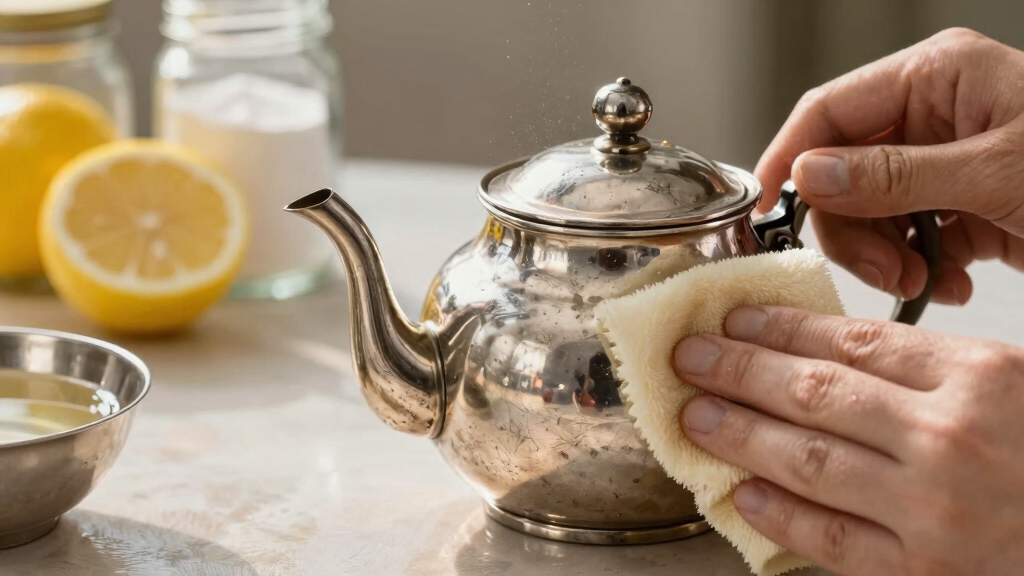
Consistently storing your silver in dry, airtight environments markedly reduces tarnish by limiting moisture and sulfur exposure. Use airtight containers with silica gel packs or anti-tarnish strips to absorb residual moisture.
Because 925 sterling silver contains other metals like copper, which increase durability but also influence tarnishing, careful storage is especially important.
Wrap items in acid-free tissue paper for extra protection. Avoid contact with harsh chemicals, perfumes, lotions, and sulfur-rich substances that accelerate corrosion and discoloration.
To keep your silver shiny, follow these essential tips: Wear silver frequently to maintain a protective layer and prevent buildup. Store silver separately from moisture sources like perspiration or steam.
Utilize anti-tarnish polishing cloths and protective coatings such as rhodium plating for enhanced durability. These strategies minimize tarnish formation and preserve your silver’s luster with precise, consistent care.
How Often to Clean Silver and Care Routine Recommendations?
Regularly cleaning your silver is essential to maintaining its shine and preventing tarnish buildup.
Consistent silver cleaning is key to preserving its brilliance and stopping tarnish from forming.
If you wear silver jewelry daily, clean it every 1-2 weeks by wiping with a silver polishing cloth weekly. Perform a thorough wash with warm soapy water and a soft brush biweekly. Always use a soft polishing towel to gently remove body oils and dust after each use.
For occasional use, clean monthly and wipe with a gentle towel after each wear to avoid grime and tarnish.
Deep clean all silver every 6-12 months, especially intricate pieces. Consider professional cleaning for high-value items within this timeframe.
Monitor your silver for dullness, discoloration, or grime buildup, focusing on crevices. Always wash silver by hand after use and store it properly to minimize tarnish.
Adjust your routine based on wear frequency, body chemistry, and storage conditions.
Frequently Asked Questions
Can Silver Be Safely Cleaned With Ultrasonic Cleaners?
Yes, you can safely clean solid sterling or pure silver with an ultrasonic cleaner, but you must use frequencies at or above 40kHz to avoid microscopic pitting.
Limit cleaning cycles to under 10 minutes and use diluted non-ammoniated, non-acidic solutions. Avoid dish soaps.
Inspect your items for loose stones or delicate settings beforehand, since soft gemstones and plated silver aren’t safe for ultrasonic cleaning.
Is It Safe to Put Silver in the Dishwasher?
You shouldn’t put silver in the dishwasher if you want to preserve its finish.
Dishwashers expose silver to harsh detergents, high heat, and prolonged moisture, which can cause tarnishing, discoloration, and surface damage.
Silver-plated and hollow-handled items are especially vulnerable.
If you must use a dishwasher, select mild, phosphate-free detergents, use short, low-temperature cycles, rinse acidic residues beforehand, and remove silver immediately after washing to minimize harm.
How Do Heat and Humidity Affect Silver Tarnishing?
Like Icarus flying too close to the sun, exposing silver to heat and humidity hastens its downfall.
You’ll find that rising temperatures intensify sulfur vapor pressure, accelerating silver sulfide formation.
Humidity adds a thin water layer, fostering electrolytic micro-cells that further speed tarnishing.
When combined, hot and humid conditions dramatically quicken corrosion, especially with sulfur present.
To preserve silver’s shine, keep it cool, dry, and away from sulfur sources.
Can Silverware Be Polished With Toothpaste?
Yes, you can polish silverware with toothpaste, but you need to use a mild, whitening toothpaste containing hydrated silica.
Apply a pea-sized amount, gently rub with a microfibre cloth or soft toothbrush in straight strokes, then rinse and dry thoroughly. Avoid excessive pressure to prevent scratching.
However, toothpaste isn’t suitable for soft stones or highly polished silver and might damage delicate pieces, so use it cautiously and consider safer alternatives for valuable items.
From Dull to Dazzling: Mastering Silver Shine
So, you want your silver to shine like a disco ball at a dust-free party? Great! Just remember, avoiding tarnish isn’t rocket science; it’s chemistry with a dash of elbow grease.
Use baking soda and foil like a pro, pick safe polishes, and don’t treat your silver like a wild animal. Clean regularly, prevent damage, and your silver will thank you by staying gleaming, not grumpy.
Tarnish? Consider it officially outclassed.