
How to Get Coffee Stain Out of Car Seat: Step-by-Step Guide
When you spill coffee on your car seat, blot the stain immediately with a clean microfiber cloth without rubbing to avoid spreading.
Lightly dampen the area with cool water or a mild dish soap solution, blotting from edges inward. For tougher stains, a diluted vinegar mix can help, especially on fabric.
If your stain has milk or cream, use an enzyme cleaner. Dry the seat thoroughly to prevent odors or mold.
For deeper tips and care, keep exploring these methods.
Key Takeaways
- Blot fresh coffee spills immediately with a clean microfiber cloth, working from the edges inward to prevent spreading.
- Lightly dampen the stain with cool water or a dish soap solution, then blot repeatedly to lift the stain without soaking the seat.
- For stubborn stains, apply a diluted white vinegar solution or baking soda paste, let sit briefly, then gently scrub and blot dry.
- Use enzyme-based cleaners for coffee stains containing milk or cream to break down proteins and fats effectively.
- Always air dry seats thoroughly or use a low-heat hairdryer on a moving setting to prevent mold and fabric damage.
Act Fast After a Fresh Coffee Spill

Acting quickly after a fresh coffee spill is crucial to prevent the stain from setting into your car seat. First, grab a clean cloth or paper towel and blot the spill immediately. Don’t rub, as that pushes coffee deeper into the fibers.
Use cool or lukewarm water to lightly dampen the stained area, diluting the coffee before it settles. Apply water sparingly; avoid soaking the seat. Work from the outer edges toward the center to minimize spreading.
Repeat blotting and light rinsing cycles until the coffee transfer onto the cloth markedly reduces. This methodical approach stops the stain from embedding and eases later cleaning steps. Acting fast and using gentle, controlled motions are key to preserving your car seat’s fabric and preventing stubborn staining. Immediate action is emphasized since the longer coffee sits, the harder removal becomes, making prompt treatment essential.
How to Blot Coffee Spills Without Spreading the Stain?
When you spill coffee, the key is to act fast! Grab a clean cloth and start blotting the spill right away.
Make sure to work from the outside edges toward the center. This way, you’ll keep the stain from spreading.
And whatever you do, don’t rub it! Rubbing can make things worse by pushing the liquid deeper into the fabric.
If you need to, you can lightly dampen the area with some cool or lukewarm water. Just remember, don’t overdo it—too much moisture can cause more issues!
Replace saturated cloths frequently to maintain absorption effectiveness during blotting.
Blotting Techniques
When coffee spills on your car seat, quickly blotting up the liquid can prevent the stain from spreading and setting deeper into the fabric.
Use a clean, absorbent cloth or paper towel and gently press down. Never rub to avoid pushing coffee into the fibers.
Start blotting from the stain’s outer edges, working toward the center to contain the spill.
Lightly dampen the cloth with cool or lukewarm water to dilute the coffee, repeating the blot-and-rinse cycle until the cloth shows minimal transfer.
Avoid saturating the seat; excessive moisture can worsen the problem.
Use a microfiber cloth for effective absorption and minimal fiber disturbance.
Following these careful blotting steps reduces stain intensity and prepares the seat for subsequent cleaning without spreading the coffee stain further.
Acting quickly is essential since prompt, thorough removal reduces the risk of stain setting and further damage.
Preventing Stain Spread
Blotting the coffee spill carefully sets the foundation for preventing the stain from spreading further. When you spot a coffee spill, act quickly but methodically to contain it.
First, use a clean cloth or paper towel to blot gently. Never rub, as that pushes the liquid deeper. Next, dampen a cloth lightly with cool or lukewarm water to dilute the stain without soaking the seat.
Finally, always work from the outside of the spill inward to avoid spreading the stain across the fabric.
Follow these steps for best results:
- Blot immediately and gently, avoiding rubbing motions.
- Lightly dampen with water to dilute the stain gradually.
- Progress from the spill’s edge toward the center carefully.
This method controls spread and prepares the seat for effective cleaning. Additionally, using cool water rinsing helps prevent the stain from setting while protecting the fabric.
Tools for Removing Coffee Stains From Fabric Seats
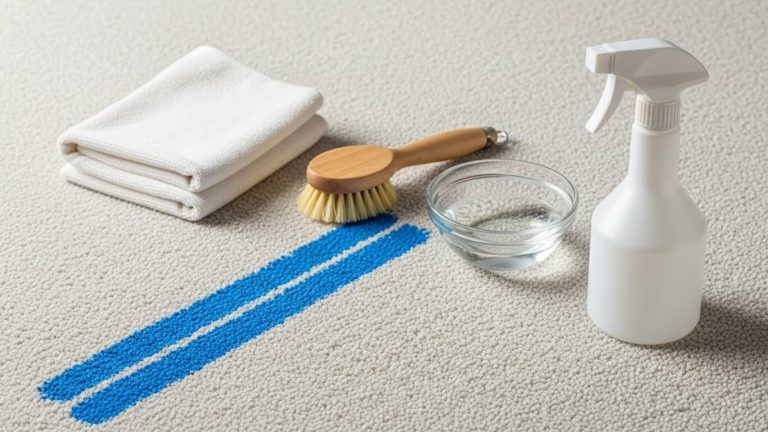
To tackle coffee stains on fabric seats effectively, you’ll want to arm yourself with the right tools. Trust me, having microfiber cloths and a soft-bristled brush on hand is key; they help avoid damaging those delicate fibers while you work.
Now, when it comes to cleaning solutions, you should definitely stick to fabric-safe options. Mild dish soap, white vinegar solutions, or even a baking soda paste can work wonders in lifting those stubborn stains without the risk of harsh chemicals ruining your upholstery.
Having these essentials ready to go means you can jump into action quickly. Plus, you’ll be able to clean thoroughly without worrying about causing further damage to your fabric. Isn’t that a relief?
Using pH-neutral cleaners is important to preserve the material and prevent damage during cleaning.
Essential Cleaning Tools
You’ll frequently find that having the right tools on hand makes all the difference in effectively removing coffee stains from fabric car seats.
To tackle stains efficiently, you should equip yourself with essential cleaning tools designed to work gently yet thoroughly on upholstery fibers.
1. Microfiber Cloths
Use these for blotting spills and wiping away residue without damaging fabric or pushing stains deeper.
2. Soft-Bristled Brush
Employ this for gentle circular scrubbing to lift embedded stains without abrading the seat material.
3. Spray Bottle
Fill it with cool water to lightly dampen the stained area, aiding stain dilution without over-saturating the fabric.
Armed with these tools, you’ll maintain control over stain removal while preserving your car seat’s integrity. Always begin by testing cleaning solutions on a hidden spot to prevent fabric damage.
Fabric-Safe Cleaning Supplies
Selecting fabric-safe cleaning supplies is essential for effectively removing coffee stains without damaging your car seat upholstery.
Start with mild solutions like dish soap mixed with water or a white vinegar-water blend to tackle fresh and set-in stains.
Use microfiber cloths for blotting and rinsing, as they absorb moisture without harming fibers.
A soft-bristled brush lets you gently lift residue, applying circular scrubs after the cleaner has settled briefly.
For tough stains, prepare a baking soda paste (3:1 or 2:1 ratio with water) to lift stains and neutralize odors.
When milk or cream is involved, enzyme cleaners work best.
Avoid over-saturating the fabric to prevent damage, and always rinse residue thoroughly.
These fabric-safe supplies guarantee effective stain removal while preserving your car seat’s integrity.
Using microfiber cloths enhances stain removal efficiency due to their softness and absorbency, minimizing fabric wear.
Using Dish Soap and Water for Coffee Stains
Mixing a small amount of dish soap with lukewarm water creates an effective, gentle solution for tackling fresh coffee stains on fabric car seats.
A mild dish soap and lukewarm water blend gently lifts fresh coffee stains from fabric car seats.
Start by blotting the spill with a clean cloth to absorb excess liquid. Then, dip a microfiber cloth into your soap solution, avoiding soaking it, and gently dab the stained area.
Follow these steps for best results:
- Work from the stain’s edges inward to prevent spreading.
- Use light, circular motions after letting the soap sit for a minute.
- Rinse the cloth with clean water and blot the seat to remove soap residue.
Repeat this cycle until the stain fades noticeably. Finish by drying with a clean towel and allowing the seat to air dry, ensuring no moisture remains that could cause odor or mold. For stubborn stains, applying an enzyme-based stain remover before washing can improve results.
Using Vinegar to Remove Tough Coffee Stains
Got some stubborn coffee stains on your car seats? No worries! Just grab some white vinegar and mix it with water in equal parts—1:1 ratio works best. This combo is great for cleaning without ruining your fabric.
Now, take a microfiber cloth and gently apply the solution. Just work in circular motions; it helps lift the stain without making things too soggy. Once you’ve treated the area, make sure to blot it with a dry cloth. Finally, let it air dry completely to avoid any residue buildup. Easy peasy!
For best results, always test cleaning solutions on a small hidden spot before full application.
Vinegar-to-Water Ratio
When you face a tough coffee stain on your car seat, combining white vinegar with water offers an effective cleaning solution. The right vinegar-to-water ratio is essential to balance stain removal power without damaging your upholstery.
Here’s a methodical approach:
- Use a 1:1 ratio of white vinegar to water for most stubborn coffee stains. This mixture penetrates fabric fibers and breaks down coffee residue effectively.
- For delicate or lightly stained seats, dilute vinegar further to a 1:2 ratio (vinegar to water) to avoid over-saturating and potential odor issues.
- Avoid using undiluted vinegar as it can be too acidic, risking fabric discoloration or damage.
This ratio guideline makes certain you apply a potent yet safe solution to tackle tough coffee stains on your car seat. Always test your cleaning solution on a small, hidden area first to ensure surface safety and prevent damage.
Application Techniques
Knowing the right vinegar-to-water ratio sets the foundation, but how you apply the solution determines its effectiveness.
Begin by lightly dampening a microfiber cloth with the mixture. Avoid soaking the seat to prevent damage.
Gently blot the coffee stain, working from the outside inward to contain spreading. After initial blotting, let the vinegar solution sit for a few minutes to break down the stain’s compounds.
Then, use a soft-bristled brush to apply gentle circular scrubbing, lifting residue without harming fibers.
Repeat blotting with a clean cloth to absorb loosened stain and excess moisture. Continue cycles until the stain fades markedly.
This methodical approach maximizes vinegar’s natural cleaning power while protecting your car seat’s fabric integrity.
Post-Treatment Care
You’ll often find that after treating a tough coffee stain with vinegar, some residue and moisture remain on the fabric. To guarantee effective post-treatment care, follow these steps carefully:
- Blot excess moisture immediately with a dry microfiber cloth to prevent saturation and fabric damage.
- Rinse the area lightly with cool water to remove vinegar residue, then blot dry again to avoid sticky buildup.
- Allow the seat to air dry completely, or use a low-setting hairdryer if necessary to prevent mold and odors.
This method preserves your car seat’s fabric integrity and prevents re-soiling. Avoid over-wetting and repeated soaking; instead, rely on light dampening and thorough blotting for peak results when using vinegar as a stain remover.
Applying Baking Soda Paste for Stains and Odor
Apply a baking soda paste to effectively lift coffee stains and neutralize odors on your car seat.
Mix baking soda with water in a 3:1 or 2:1 ratio, creating a thick paste.
Spread it evenly over the stained area using a clean cloth or your fingers, ensuring full coverage.
Let the paste sit for 20 to 30 minutes to penetrate the fabric and break down the stain.
After dwelling, gently wipe away the paste with a damp microfiber cloth, rinsing the cloth frequently to avoid redistributing residue.
Finally, blot the area dry with a clean towel.
This method not only helps remove stubborn coffee stains but also absorbs lingering odors, leaving your car seat refreshed without over-saturating or damaging the upholstery.
Cleaning Coffee Stains With Milk or Cream
While baking soda paste works well for many coffee stains, those containing milk or cream require a different approach due to the proteins and fats that can set into fabric.
You’ll want to act swiftly and methodically to prevent permanent damage. Follow these steps:
- Blot the stain immediately with a clean cloth to remove as much liquid as possible without rubbing.
- Apply an enzyme-based cleaner designed to break down proteins and fats; let it sit according to the product instructions, usually 5–10 minutes.
- Gently scrub with a soft brush and blot repeatedly with a damp microfiber cloth to lift the stain and residue.
Repeat these steps as needed, then air dry the seat thoroughly to avoid moisture buildup and odor. This method targets milk or cream components effectively without damaging fabric.
Caring for Coffee Stains on Leather and Vinyl Seats
Although leather and vinyl seats require different care than fabric, treating coffee stains on these materials demands prompt and careful attention to prevent damage.
For leather, start by blotting fresh spills gently with a clean, dry cloth; avoid rubbing. Use a pH-neutral soap diluted in lukewarm water to lightly clean the stain, applying the solution with a soft cloth without soaking the leather. Wipe off excess moisture immediately.
For vinyl, you can use a baking soda paste or a vinyl-safe cleaner applied sparingly to lift the stain. Always work from the edges of the stain inward to prevent spreading.
Over-wetting either material risks damage, so minimal dampening and quick blotting are essential. After treating stains, avoid harsh scrubbing and prepare for conditioning or finishing steps to preserve seat texture and appearance.
Drying and Finishing After Coffee Stain Cleaning
Once you’ve carefully treated the coffee stain on your car seat, whether fabric, leather, or vinyl, the next step is to remove any remaining moisture and cleaning residues to prevent damage or re-soiling.
Start by blotting the area with a dry towel or microfiber cloth to absorb excess dampness. Then, follow these steps:
- Rinse any residual cleaner carefully with a lightly damp cloth to avoid sticky buildup that attracts dirt.
- Allow the seat to air dry in a well-ventilated space. Avoid direct sunlight on leather to prevent cracking.
- Optionally, use a low heat setting on a hairdryer to speed drying but keep it moving to protect materials.
Completing this methodical drying preserves your seat’s condition and reduces the chance of lingering odors or stains.
When to Call Professionals for Stubborn Coffee Stains?
If you’ve tried multiple cleaning methods without success, it’s time to contemplate professional help for stubborn coffee stains on your car seat.
Professionals have specialized equipment and cleaning agents that effectively remove set-in stains without damaging upholstery.
Consider calling experts when:
| Situation | Reason | Professional Solution |
|---|---|---|
| Stain contains milk/cream | Enzyme cleaners needed | Deep cleaning with enzymes |
| Leather seat affected | Risk of damage from over-wetting | pH-neutral treatments + care |
| Multiple treatments failed | Stains deeply embedded | Steam cleaning or extraction |
Don’t hesitate to seek professional care if DIY methods fail repeatedly. Their expertise guarantees thorough stain removal and upholstery preservation.
Frequently Asked Questions
Can Coffee Stains Damage Car Seat Fabric Over Time?
Yes, coffee stains can damage your car seat fabric over time if left untreated.
The acids and pigments in coffee may weaken fibers and cause discoloration, making the fabric look worn and dirty.
You should act quickly to blot and clean the spill to prevent permanent marks.
Repeated exposure or delayed cleaning can lead to stubborn stains and fabric deterioration, reducing your seat’s appearance and lifespan.
Are There Any Natural Alternatives to Commercial Stain Removers?
Yes, you can use natural alternatives like a baking soda paste mixed with water (typically 2:1 or 3:1 ratio) to lift coffee stains and reduce odors.
White vinegar diluted with water also works well on fabric seats. Apply gently, let it sit 20–30 minutes, then rinse and blot dry.
These methods avoid harsh chemicals while effectively treating stains, especially when combined with soft brushing and repeated blotting.
How Often Should Car Seats Be Professionally Cleaned?
You’ll want to schedule a professional car seat cleaning roughly once or twice a year, depending on usage and exposure to spills or dirt.
Regular maintenance extends your seat’s life and keeps odors at bay, avoiding the “well-loved” look.
If you’re a frequent coffee drinker or have pets, consider quarterly cleanings.
This methodical approach guarantees deep fabric care beyond your routine spot treatments, preserving both appearance and hygiene effectively.
Will Coffee Stains Cause Permanent Odors if Untreated?
Yes, if you don’t treat coffee stains promptly, they can cause permanent odors.
The sugars, oils, and milk residues in coffee soak into the fabric and start to break down, creating unpleasant smells over time.
To prevent this, you should blot spills immediately, use appropriate cleaners, and consider baking soda to lift odors.
Ignoring stains allows bacteria and mold to grow, making odors harder to remove later. Act quickly for best results.
Can Repeated Cleaning Harm the Car Seat Material?
Yes, repeated cleaning can harm your car seat material if you’re not careful.
Over-saturating fabric or leather can weaken fibers and cause discoloration or stiffness.
Using harsh cleaners or scrubbing aggressively may damage upholstery, especially leather, which requires gentle, pH-neutral soap and conditioning.
To protect your seats, stick to mild cleaners, avoid excessive moisture, and use soft brushes or cloths.
Always rinse residue thoroughly and dry the area properly.
Coffee Stain Removal Guide: Restore Your Car Seats with Simple Household Solutions
Think of your car seat as a canvas and the coffee stain as an unwelcome shadow. By acting swiftly and using the right tools—dish soap, vinegar, or even milk—you’re painting light back over the dark spot.
Treat leather and vinyl with care, then dry thoroughly to seal your work. Sometimes, the stain may resist, like a stubborn storm, signaling it’s time to call in the pros.
With methodical care, your seat can shine clean once more.