How to Remove Puke Smell: Naturally Without Harsh Chemicals
To remove puke smell quickly, start by blotting moisture and solids without rubbing. Then seal waste in a plastic bag.
Sprinkle baking soda generously to absorb odors and let it sit overnight before vacuuming. Follow by misting with a vinegar-water mix or applying an enzymatic cleaner for deeper odor removal.
Make certain good ventilation and dry the area completely to prevent mold. Using gloves and repeating steps as needed helps avoid damage.
There are also advanced methods you can explore for stubborn smells.
Key Takeaways
- Blot or scoop up solids immediately, sprinkle baking soda to absorb moisture, let sit overnight, then vacuum thoroughly.
- Spray affected area with a vinegar and water mixture to kill bacteria and neutralize odors, then air dry completely.
- Use enzymatic cleaners to break down organic particles and stubborn vomit odors, allowing recommended dwell time before blotting.
- Wear gloves and ensure good ventilation during cleaning to protect skin and respiratory health and reduce lingering smells.
- Dispose of contaminated materials in sealed bags promptly to prevent cross-contamination and lingering odors.
Quick Steps to Remove Puke Smell Effectively

To get rid of puke smell quickly and effectively, start by blotting up as much moisture and solids as you can using paper towels.
After that, sprinkle baking soda generously over the area to absorb moisture and neutralize odors naturally.
Sprinkle baking soda generously to absorb moisture and naturally neutralize odors for a fresher space.
Let it sit for at least eight hours or overnight, then vacuum thoroughly to remove the residue.
If the odor lingers, repeat the process.
Alternatively, you can use a white vinegar solution. Mix equal parts vinegar and water in a spray bottle, lightly mist the affected area, and let it air dry completely.
Both methods help tackle the smell without soaking the fabric.
For tough odors, enzymatic cleaners break down organic particles and speed up deodorization.
These quick steps will markedly reduce the puke smell and prepare you for deeper cleaning if needed.
Ensure the area is well ventilated and allow surfaces to dry fully to prevent mold growth and lingering odors.
Preparing Safely Before Cleaning Puke Spills
After tackling the initial steps to reduce the puke smell, you’ll want to focus on preparing yourself and your space for safe and effective cleaning.
Start by putting on disposable gloves and a mask to protect your skin and respiratory system from germs and harsh odors.
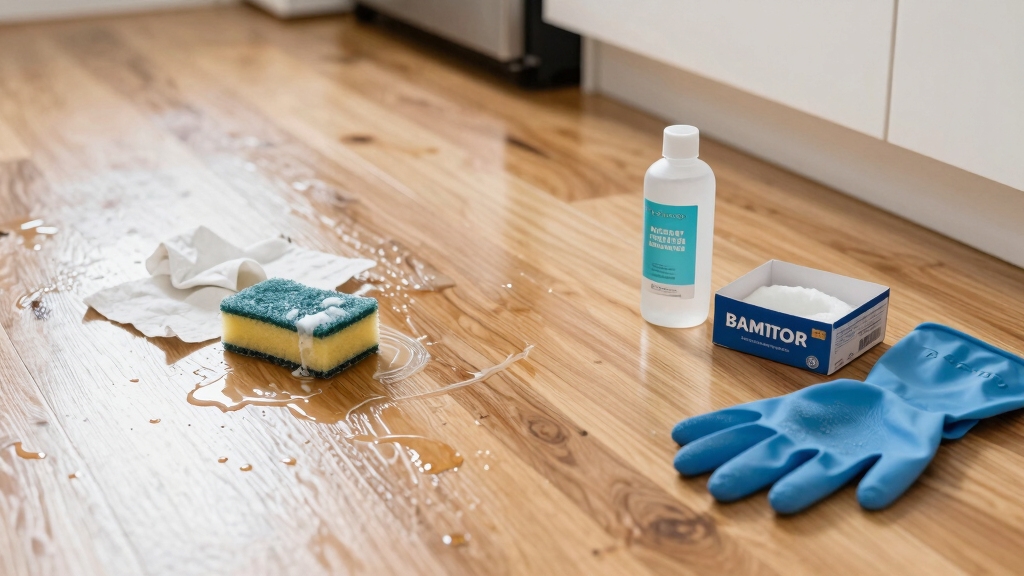
Gather your cleaning tools: paper towels, a bucket, scrub brush, spray bottle, and cleaning agents to have everything at hand.
Before you begin, ventilate the area by opening windows or turning on fans.
Carefully scoop or blot any remaining solid waste with paper towels, sealing them immediately in a plastic bag to prevent contamination.
Keep cleaning supplies ready for repeated use if necessary.
Always inspect the area thoroughly to make certain no spots or odors remain after cleaning.
Using bio-enzymatic cleaners after initial cleanup can help break down organic residues and neutralize lingering odors effectively.
How to Blot and Remove Solid Puke Waste?
Alright, let’s tackle that solid puke mess step by step. First things first, grab some paper towels or a scoop and carefully lift away any solid bits. Just be gentle—no need to spread the mess around even more!
Once you’ve got the solids out of the way, it’s time to grab some clean cloths. Start blotting the area to soak up any moisture. Remember, don’t rub! Rubbing can push the waste deeper into the fabric or surface. For best results, consider using an enzymatic cleaner to break down organic stains and odors effectively.
Effective Solid Waste Removal
Begin by putting on gloves and a mask to protect yourself from germs and odors.
Next, use paper towels or disposable cloths to carefully scoop or blot up the solid waste, avoiding rubbing to prevent spreading.
Place the waste directly into a sturdy plastic bag, seal it tightly, and dispose of it promptly.
Gather your cleaning tools: bucket, scrub brush, and spray bottle for the next steps.
After removing solids, inspect the area thoroughly for any remaining residue.
If you spot bits left behind, repeat waste removal to ensure a clean surface.
Always wash your hands thoroughly after handling waste and cleaning materials.
Proper solid waste removal sets the foundation for effective odor elimination and prevents bacteria buildup, making subsequent cleaning more efficient.
For best results, apply a vinegar solution promptly after solid waste removal to disinfect and neutralize odors.
Proper Blotting Techniques
To effectively blot up vomit, gently press a clean paper towel or cloth onto the affected area without rubbing or scrubbing, which can spread the stain and push it deeper into the fibers.
Start by removing any solid waste with disposable paper towels, then carefully blot the liquid portion. Replace towels as they become saturated to avoid reintroducing moisture.
Work from the outer edges toward the center to contain the stain. Avoid soaking the area, as excess moisture can promote odors and mold.
Once you’ve absorbed as much as possible, dispose of used towels in a sealed plastic bag to prevent lingering smells. Proper blotting lays the foundation for further cleaning steps, ensuring you remove solid waste while minimizing stain and odor spread.
For larger spills, using absorbent materials like cat litter can help contain the mess quickly and prevent spread.
Using Baking Soda and Vinegar to Neutralize Odors
If you’re dealing with unpleasant puke odors, baking soda is your best friend! Just sprinkle it generously over the cleaned area and let it sit overnight. It’s amazing at absorbing moisture and odors.
For an extra boost, you can mix equal parts white vinegar and water in a spray bottle. A light misting over the area will help kill bacteria without soaking the fabric.
Combining these two methods really tackles those lingering smells effectively and safely. So, give it a try! Remember to always test cleaning solutions on a hidden fabric area first to avoid unexpected damage.
Baking Soda Benefits
Frequently, baking soda proves to be one of the most effective natural odor neutralizers you can use when dealing with vomit smells. It absorbs moisture and neutralizes odors without harsh chemicals.
To maximize its benefits, follow these steps carefully:
- After blotting the area dry, sprinkle baking soda generously over the affected spot.
- Let it sit for at least 8 hours, or overnight for deeper odor absorption.
- Vacuum thoroughly to remove all baking soda residue.
- Repeat the process if the smell lingers, ensuring the odor fully dissipates.
This simple method helps eliminate odors naturally and is safe for most surfaces. Baking soda is a go-to solution for freshening up after a vomit incident. For persistent odors, combining baking soda with white vinegar creates a fizzing reaction that helps loosen grime and neutralize smells, enhancing the cleaning effect of baking soda alone in odor removal.
Vinegar Application Tips
Combine baking soda and vinegar strategically to tackle stubborn vomit odors effectively.
First, blot the affected area to remove excess moisture. Sprinkle baking soda generously over the spot, letting it sit for at least eight hours or overnight to absorb moisture and neutralize odors.
Next, mix equal parts white vinegar and water in a spray bottle. Lightly spray the vinegar solution over the baking soda without soaking the fabric or surface.
Allow the mixture to fizz and work on deodorizing as it dries completely. Once dry, vacuum thoroughly to remove residue.
Repeat this process if the smell persists. Using baking soda and vinegar together maximizes odor neutralization by combining moisture absorption with bacterial elimination, ensuring a fresher, cleaner environment.
For best results, combine this cleaning method with proper ventilation strategies to fully expel odor particles and prevent lingering smells.
How to Apply Enzymatic Cleaners for Deep Odors?
When dealing with deep-set vomit odors, enzymatic cleaners work by breaking down organic matter and stubborn particles that regular cleaning might miss.
To apply these cleaners effectively:
- Blot the affected area thoroughly to remove excess moisture and solids.
- Spray or pour the enzymatic cleaner generously on carpets, upholstery, or vehicle interiors.
- Use a bristled brush to gently scrub the cleaner into the fabric, ensuring deep penetration.
- Let the cleaner sit for the recommended time, then blot away excess moisture without rinsing immediately.
This method speeds up deodorization and targets odors at their source.
Always follow product instructions for safe use and repeat if the smell lingers.
Enzymatic cleaners are your best bet for tough, deep odors. Prompt treatment with enzymatic cleaners is crucial to prevent odors from penetrating deeper and causing long-term damage to fibers and padding, similar to how professionals preserve carpet integrity with early treatment.
Making and Using Hydrogen Peroxide Mixes for Tough Smells
You can whip up a really effective hydrogen peroxide mix pretty easily! Just grab 2 cups of hydrogen peroxide, mix in 2 teaspoons of baking soda, and add a couple of drops of dish soap.
Once you’ve cleaned the area, go ahead and spray this solution evenly. Let it dry, and it’ll help tackle those tough vomit odors.
Oh, and don’t forget to wear gloves while you’re applying it. It’s always a good idea to keep yourself safe.
Also, make sure to dispose of any used materials separately. Better safe than sorry, right?
For best results, ensure the area is well-ventilated to prevent microbial growth and lingering odors.
Homemade Hydrogen Peroxide Recipe
Tackle stubborn vomit odors by creating a homemade hydrogen peroxide mixture that effectively breaks down lingering smells. This DIY solution combines the cleaning power of hydrogen peroxide with baking soda and dish soap to neutralize tough vomit odors.
Follow these steps:
- Mix 2 cups of hydrogen peroxide, 2 teaspoons of baking soda, and 2 drops of dish soap in a spray bottle.
- Shake gently to blend ingredients without creating excessive bubbles.
- After you’ve cleaned the vomit, spray the mixture evenly over the affected area.
- Let the area dry completely to allow the solution to break down odor-causing residues.
This homemade recipe offers a powerful, cost-effective alternative to commercial odor removers.
Application and Safety Tips
How can you safely and effectively apply homemade hydrogen peroxide mixtures to eliminate tough vomit odors? First, wear gloves and a mask to protect your skin and avoid inhaling fumes.
After blotting the area dry, spray the mixture evenly. Avoid soaking to prevent fabric damage. Allow it to air dry completely for odor removal. Dispose of used cloths separately to avoid spreading bacteria. Test the solution on a small area to check for discoloration.
| Step | Safety Tip |
|---|---|
| Wear gloves & mask | Prevent skin irritation & inhalation |
| Blot first | Remove solids before applying |
| Spray lightly | Avoid soaking fabric |
| Air dry completely | Assure odor elimination |
| Dispose materials | Prevent cross-contamination |
When and How to Use Ozone Generators Safely?
Although ozone generators offer powerful odor elimination, you must use them carefully to guarantee safety and effectiveness.
First, make sure the vehicle or room is unoccupied and completely clean and dry before starting.
Ensure the space is empty, clean, and dry before operating the ozone generator.
Second, run the ozone generator for 30 minutes to 2 hours, following the device’s specific instructions closely.
Third, after treatment, air out the space thoroughly for at least one hour to remove residual ozone.
Finally, if the odor persists, repeat the process but avoid overusing the generator to prevent damage or health risks.
Vacuuming to Remove Puke Residue Thoroughly
Once you’ve treated the area with methods like ozone generators or enzymatic cleaners, vacuuming becomes key to removing any remaining puke residue.
Begin by using a vacuum cleaner with strong suction and a clean filter to avoid spreading odors. Focus on the entire affected area, going over it multiple times to lift dried particles trapped deep in carpet fibers or upholstery.
For best results, use a vacuum with a brush attachment to loosen residue without damaging surfaces. If you used baking soda, make certain it’s fully dry before vacuuming to prevent clumping.
After vacuuming, inspect the area for any leftover debris, repeating the process if necessary. Thorough vacuuming not only removes physical remnants but also helps reduce lingering smells, setting the stage for the next cleaning steps.
Repeating Cleaning Without Damaging Surfaces
Since stubborn vomit odors and stains often require multiple treatments, you’ll need to repeat cleaning steps carefully to avoid damaging surfaces. Here’s how you can do it effectively:
- Wait for each cleaning solution (baking soda, vinegar, enzymatic cleaner) to fully dry before reapplying to prevent oversaturation and surface damage.
- Use gentle scrubbing tools like soft brushes or cloths to protect fibers and finishes while loosening residue.
- Test any homemade or commercial cleaner on a hidden spot first to check for discoloration or texture changes.
- Limit repeated applications to a few cycles, then assess progress to avoid wearing down fabric or carpet fibers.
Quick Cleanup Tips to Prevent Future Puke Smells
When you clean up puke quickly and thoroughly, you cut down on the chance of lingering odors developing later. Start by wearing gloves and a mask to protect yourself.
Blot or scoop solids immediately with paper towels, then blot the area dry to remove moisture. Sprinkle baking soda generously to absorb remaining dampness and neutralize odors. Let it sit overnight before vacuuming.
Follow up with a white vinegar and water spray to kill bacteria without soaking the fabric. For stubborn smells, use enzymatic cleaners to break down organic matter.
Dispose of all contaminated materials in sealed bags promptly. Acting fast and using these steps consistently prevents odors from setting in, keeping your space fresh and odor-free after an accident.
Frequently Asked Questions
Can Puke Smell Cause Health Issues if Not Cleaned Promptly?
Yes, if you don’t clean puke smell promptly, it can cause health issues.
The odor comes from bacteria and organic matter that can trigger allergies, respiratory problems, or even infections.
You might experience headaches or nausea from the lingering smell, especially in enclosed spaces.
Acting quickly reduces these risks, preventing bacteria growth and improving air quality.
Always wear gloves and a mask during cleanup to protect yourself further.
What Household Items Can Worsen Puke Odor When Cleaning?
You should avoid using bleach or ammonia-based cleaners on puke smells, as they can react and worsen odors or cause harmful fumes.
Also, heavily soaking the area with water can spread the smell deeper into fabrics or carpet padding.
Using scented sprays too early might just mask the odor temporarily without removing it.
Stick to neutralizing agents like baking soda or vinegar to effectively tackle the smell without making it worse.
How Long Does It Typically Take for Puke Smell to Fully Disappear?
Time ticks, and the smell fades, but how long?
Typically, it takes anywhere from several hours to a full day for puke odor to vanish completely, depending on cleanup thoroughness and ventilation.
If you act fast with odor-neutralizing methods like baking soda or enzymatic cleaners, you’ll speed this up.
Persistent smells might need repeated treatments and airing out, stretching the process to two or three days for total freshness.
Are There Any Surfaces That Should Not Be Treated With Vinegar?
You shouldn’t use vinegar on natural stone surfaces like marble, granite, or limestone because its acidity can etch and dull them.
Avoid vinegar on hardwood floors with delicate finishes, as it might damage the sealant.
Also, don’t apply vinegar on certain metals, including aluminum or cast iron, since it can cause corrosion.
Always test a small, hidden area first before treating any surface with vinegar to prevent irreversible damage.
Can Pets Be Affected by Lingering Puke Odors in the Home?
Yes, pets can be affected by lingering puke odors in your home.
Studies show that dogs’ noses are up to 100,000 times more sensitive than humans’, so even faint smells can cause stress or anxiety.
You should thoroughly clean and deodorize affected areas to protect your pets’ comfort and health.
Lingering odors might also encourage them to re-soil the same spot, making prompt cleaning essential.
Fresh Space, No Trace: End Puke Odors Fast
No one wants puke smells lingering like an unwanted guest. By tackling spills quickly, using safe blotting, and applying odor-neutralizers like baking soda and enzymatic cleaners, you can banish that stench for good.
Remember, repeating cleaning gently protects your surfaces while ensuring freshness. Think of your space as a canvas; each careful step wipes away stains and smells, leaving a clean slate you’ll be happy to live in. Don’t let puke odors overstay their welcome!