How to Make Carpet White Again: Easy Cleaning Methods
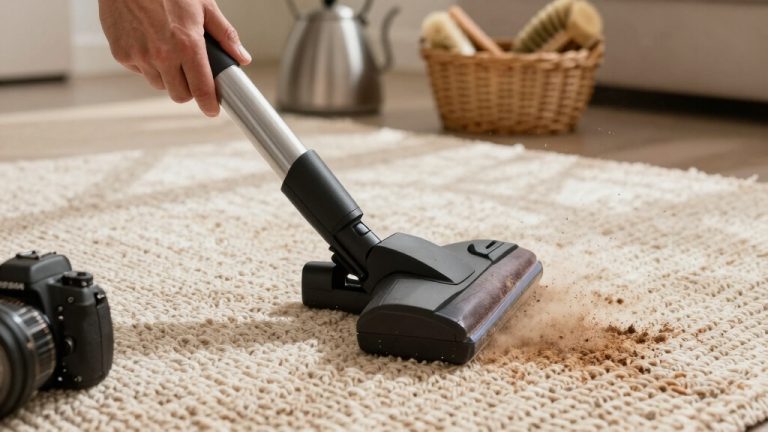
To make your carpet white again, start by vacuuming thoroughly to remove dirt and debris.
Test any whitening method, like baking soda, vinegar, or diluted hydrogen peroxide, on a hidden spot to protect fibers.
Blot stains gently without rubbing, and avoid over-wetting to prevent mold.
After treatment, rinse and air dry with good ventilation.
Following these expert steps guarantees safe, effective whitening.
Keep going to master advanced stain removal and maintenance techniques for lasting brightness.
Key Takeaways
- Thoroughly vacuum carpet to remove dirt before applying any whitening treatment.
- Sprinkle baking soda, let sit for hours, then vacuum to brighten carpet fibers naturally.
- Lightly mist carpet with a mix of equal parts white vinegar and water, then blot dry.
- Use hydrogen peroxide diluted to 3% for stubborn stains, testing first on a hidden patch.
- Air dry treated areas with good ventilation and vacuum after drying to remove residues.
Preparing Your White Carpet Safely for Whitening

Before you begin whitening your carpet, make sure you thoroughly vacuum to remove all loose dirt, dust, and debris.
This step is vital to prevent dirt from embedding deeper during cleaning. Next, test any whitening product on a small hidden patch to check for colorfastness and fiber damage.
This ensures your carpet’s integrity remains intact. Select cleaners compatible with your carpet fiber type; wool, nylon, or polyester each respond differently to treatments.
Use clean white cloths for blotting to avoid dye transfer, and control moisture levels carefully. Over-wetting can promote mold growth and extend drying time.
Ensure proper ventilation during and after cleaning to promote airflow and prevent mold and odors.
Simple DIY Whitening Methods for White Carpet
You can often brighten your white carpet effectively using simple DIY methods that require common household items and minimal effort.
Start by vacuuming thoroughly to remove debris. Then, sprinkle baking soda evenly and let it sit for several hours before vacuuming to lift odors and light stains.
Begin with a thorough vacuum, then sprinkle baking soda to lift odors and light stains before vacuuming again.
For gentle brightening, mix equal parts white vinegar and water, lightly mist the carpet, and blot dry with a clean white cloth.
Mild dish soap combined with warm water also works well for surface grime. Apply sparingly and avoid over-wetting.
A salt-and-hot-water paste can target discolored areas quickly. Always test your chosen method on a hidden spot to confirm fiber safety.
These approaches help restore brightness without harsh chemicals, preserving your carpet’s integrity while enhancing its whiteness.
Ensure complete dryness after cleaning to prevent mold growth and fiber damage, as proper drying techniques are essential for maintaining carpet health.
Spot-Cleaning Stains on White Carpet
When stains pop up on your white carpet, acting quickly can prevent permanent damage and discoloration. Start by blotting the stain immediately with a clean, dry white cloth. Never rub, as that spreads the stain and damages fibers.
Next, apply a cleaning solution suited to the stain type. Use club soda and vinegar for wine, mild dish soap for grease or mud, or hydrogen peroxide for blood stains. Gently blot the area with a clean cloth, working from the outside inward to avoid spreading.
After treatment, rinse with clean water to remove residue and blot dry. If discoloration remains, repeat carefully. Always test any cleaner on a hidden spot first to ensure fiber safety and colorfastness before full application. Prompt stain removal also helps reduce pest infestation risk by preventing residues that attract pests.
Safe Use of Hydrogen Peroxide and Bleach for Whitening
Although hydrogen peroxide and bleach can effectively brighten white carpets, using them safely requires careful attention to concentration, application, and fiber compatibility.
You should never apply these chemicals without first testing on a hidden carpet area to avoid unwanted discoloration or fiber damage.
Use only 3% hydrogen peroxide diluted with water, and apply lightly with a cloth or sprayer.
Blot dry shortly after.
Avoid traditional chlorine bleach on carpets, as it can weaken fibers and cause yellowing.
Follow these guidelines for safe whitening:
- Choose peroxide-based solutions over bleach for gentler, fiber-safe whitening.
- Avoid over-saturating the carpet to prevent mold and prolonged drying times.
- Always rinse treated areas with clean water to remove residue and prevent damage.
Addressing stains quickly increases the chance of successful removal by up to 90%.
Drying and Maintaining Your White Carpet’s Brightness
After safely applying hydrogen peroxide or other whitening treatments, proper drying plays a key role in preserving your carpet’s brightness and preventing damage.
Air drying is ideal; avoid heavy moisture to reduce risks of mold and mildew.
Make certain treated areas are thoroughly rinsed with clean water to remove any residual chemicals that might attract dirt or cause fiber damage.
Use fans or open windows to speed evaporation but steer clear of direct sunlight, which can cause uneven fading.
Once dry, vacuum the carpet to remove loosened dirt and any leftover powder from treatments like baking soda.
To maintain whiteness, vacuum weekly, clean spills promptly, and rotate rugs to minimize sun damage.
Regular professional deep cleaning can also sustain your carpet’s bright appearance over time.
Controlling moisture levels through proper drying and ventilation is essential to prevent mold growth after cleaning.
Frequently Asked Questions
Can Professional Carpet Cleaning Damage White Carpet Fibers?
Yes, professional carpet cleaning can damage white carpet fibers if the technician uses harsh chemicals, excessive moisture, or improper equipment.
You should make certain they select cleaners suited to your carpet’s fiber type and conduct spot tests.
Over-wetting can lead to mold or fiber weakening, while aggressive scrubbing may cause fraying.
Hiring certified professionals who follow manufacturer guidelines helps protect your carpet’s integrity and maintains its whiteness without causing harm.
How Often Should I Deep Clean White Carpets to Maintain Whiteness?
You should deep clean your white carpets at least once every 6 to 12 months to maintain their brightness and remove embedded dirt and allergens.
If you have heavy foot traffic, pets, or allergies, consider deep cleaning every 3 to 4 months.
Regular vacuuming weekly complements deep cleaning by preventing dirt buildup.
Always use manufacturer-approved solutions and avoid over-wetting to protect your carpet’s fibers and preserve whiteness longer.
Are There Eco-Friendly Carpet Whitening Products Safe for Pets?
Think of eco-friendly carpet whiteners as a gentle breeze, safe and effective without harsh chemicals.
You can find pet-safe products made with natural ingredients like baking soda, white vinegar, and plant-based enzymes.
These break down stains without toxic residues.
Always check labels for certifications like “non-toxic” or “biodegradable.”
Test on a small spot first, and keep pets away during application to ensure their safety while your carpet gleams bright and fresh.
What Causes Yellowing in White Carpets Beyond Dirt and Stains?
Yellowing in white carpets beyond dirt and stains often results from prolonged exposure to sunlight, causing fiber fading and discoloration.
Over-wetting or poor drying can lead to mold and mildew growth, which also yellows fibers.
Residual cleaning chemicals left in the carpet can cause yellowing too.
Additionally, aging fibers naturally yellow over time due to oxidation and wear.
You need to address these factors carefully to restore your carpet’s brightness effectively.
Can Sunlight Exposure Permanently Fade or Discolor White Carpets?
Yes, sunlight exposure can permanently fade or discolor your white carpets.
UV rays break down carpet fibers and dyes, causing yellowing or dullness over time.
To protect your carpet, you should rotate rugs regularly and use window coverings or UV-protective films to limit direct sunlight.
If fading has already occurred, professional restoration might be necessary, as surface cleaning won’t reverse fiber damage caused by prolonged sun exposure.
White Carpet Cleaning: How to Keep It Looking Fresh
Remember, your white carpet is like a blank canvas. Neglected, it dulls, but with care, it can shine brilliantly again.
Just as a painter patiently restores a faded masterpiece, you can revive your carpet using safe, effective methods.
Studies show that regular gentle cleaning can extend carpet life by up to 40%, preserving its pristine look.
Stay diligent, and your carpet will keep reflecting light and freshness, brightening your home day after day.