How to Clean Eyeglass Microfiber Cloth: Care & Maintenance Tips
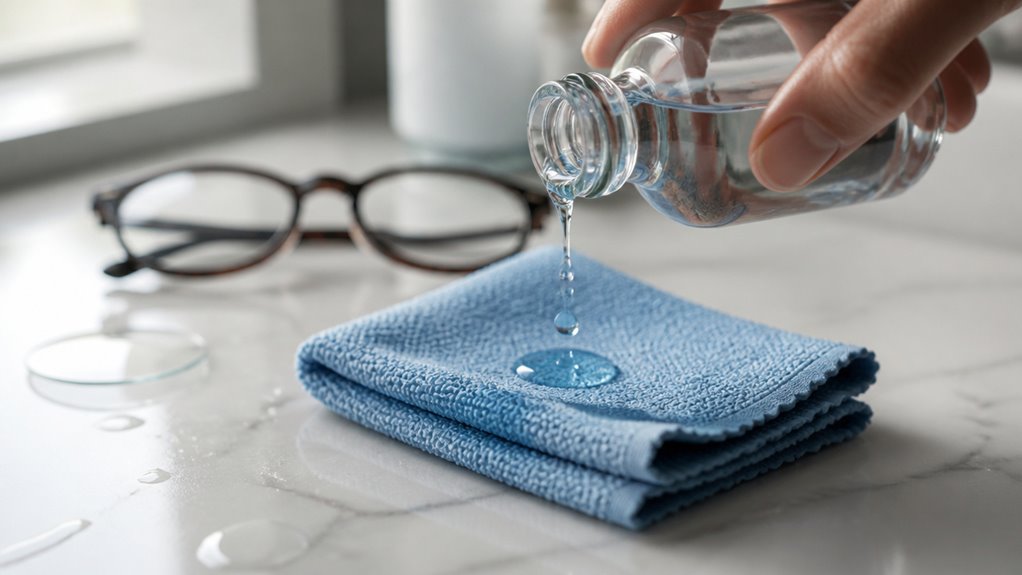
To clean your eyeglass microfiber cloth, use a small amount of mild, fragrance-free liquid detergent in cool to lukewarm water.
Gently soak and swirl the cloth without twisting or wringing to avoid fiber damage.
Rinse thoroughly under running water until it feels residue-free and the water runs clear.
Air dry flat or hang in a ventilated area, avoiding heat and direct sunlight.
Regular, gentle cleaning preserves absorbency and longevity.
Keep going to discover detailed care and maintenance tips.
Key Takeaways
- Hand wash microfiber cloth with cool to lukewarm water and a small amount of mild, fragrance-free liquid detergent.
- Gently swirl and rub the cloth without twisting or wringing to avoid fiber damage.
- Rinse thoroughly under running water until no soap residue or bubbles remain.
- Air dry flat or hang in a well-ventilated area away from direct sunlight and heat.
- Replace the cloth when it becomes scratchy, heavily soiled, or loses absorbency.
How to Hand-Wash Your Microfiber Cloth?

When you need to clean your microfiber cloth by hand, start by filling a clean bowl or sink with cool to lukewarm water. Add a small amount of mild, liquid detergent or gentle dish soap.
Submerge the cloth completely and let it soak for 5 to 15 minutes to loosen dirt and oils. After soaking, gently swirl or rub the cloth against itself to release trapped particles without damaging the fibers.
Rinse the cloth thoroughly under running water until no soap residue or bubbles remain, ensuring it’s fully clean. Avoid twisting or wringing the cloth to prevent fiber distortion.
This hand-washing technique helps maintain the microfiber’s effectiveness and longevity, keeping your eyeglass lenses clear and streak-free. For best results, avoid using fabric softeners and bleach to preserve the cloth’s cleaning performance.
Best Soap for Cleaning Eyeglass Microfiber Cloths
When it comes to cleaning your microfiber cloths, choosing the right soap is key. You’ll want to opt for a mild, fragrance-free detergent or a gentle dish soap. This way, you can clean your cloths effectively without worrying about damaging those delicate fibers.
It’s really important to steer clear of harsh chemicals like bleach or fabric softeners. These can actually decrease the cloth’s absorbency and shorten its lifespan. So, sticking with a gentle soap not only keeps your cloth soft and clean, but it also ensures it’s always ready for that streak-free lens care you love. For optimal maintenance, properly washing microfiber cloths helps extend their lifespan and maintain cleaning effectiveness.
Mild Detergent Choices
Choosing the right mild detergent plays a crucial role in preserving your eyeglass microfiber cloth’s effectiveness and longevity.
Opt for a gentle, liquid detergent that’s free of bleach, fragrances, and lotions to avoid damaging the delicate fibers. Mild dish soap without added moisturizers works well for routine hand washing.
Use only a small amount to prevent soap residue buildup, which can reduce the cloth’s absorbency and cleaning power. Fragrance-free detergents are preferable, as they minimize potential irritation and chemical exposure.
Avoid heavy-duty cleaners, powders, and fabric softeners, which can coat fibers and degrade performance. Selecting the right mild detergent guarantees your microfiber cloth remains soft, absorbent, and effective in removing smudges and oils from your lenses over time.
Using products that prioritize ingredient transparency ensures that no harsh chemicals will harm the microfiber fabric during cleaning.
Avoiding Harsh Chemicals
Since harsh chemicals can quickly degrade the delicate fibers of your eyeglass microfiber cloth, it’s essential to steer clear of bleach, fabric softeners, and heavy-duty detergents.
These substances can weaken fibers, reduce absorbency, and leave residues that impair cleaning performance. Instead, opt for mild, bleach-free detergents or lotion-free dish soaps when cleaning your cloth.
Use only a small amount of soap to prevent buildup.
Proper maintenance, including avoiding harsh chemicals, ensures your microfiber cloth retains its softness and absorbency through repeated washing.
| Chemical Type | Effect on Microfiber Cloth |
|---|---|
| Bleach | Damages fibers, causes deterioration |
| Fabric softeners | Coats fibers, reduces absorbency |
| Heavy-duty detergents | Leaves residue, weakens fibers |
| Dryer sheets | Similar to fabric softeners |
Avoiding these chemicals helps maintain your cloth’s longevity and effectiveness.
Fragrance-Free Soap Benefits
Avoiding harsh chemicals is important, but the type of soap you use also plays a significant role in preserving your microfiber cloth’s quality.
Choosing a fragrance-free soap helps maintain the cloth’s fibers without introducing irritants or residues that scented soaps often leave behind.
Fragrance-free soaps are typically milder and free of dyes and additives, reducing the risk of buildup that can impair the cloth’s absorbency and cleaning power.
When you use a gentle, fragrance-free detergent, you ensure thorough cleaning while protecting the delicate microfiber structure.
This choice prevents streaking on your lenses and extends the cloth’s lifespan.
For best results, use only a small amount of fragrance-free soap in cool to lukewarm water, rinse well, and air dry your cloth properly.
Proper maintenance, including washing with mild soap and air drying, helps the cloth retain its texture and effectiveness over time.
What to Avoid When Cleaning Microfiber Cloths?
When you clean microfiber cloths, steer clear of using bleach or fabric softeners, as they can damage the fibers and reduce their effectiveness. Avoid dryer sheets for the same reason; they leave coatings that impair absorbency.
Don’t use harsh scrubbing, twisting, or wringing. These actions can distort the delicate fibers, diminishing cleaning performance. Stay away from heavy-duty detergents or powders, which may leave residues and weaken the cloth’s ability to trap dirt and oils.
Also, avoid hot water or high heat during washing and drying, as synthetic fibers can break down under excessive temperatures. By steering clear of these common mistakes, you’ll preserve your microfiber cloth’s durability and ensure it continues cleaning your eyeglasses gently and efficiently. For best results, follow care instructions specific to your microfiber cloth to maintain its longevity and performance.
How to Rinse Microfiber Cloths Thoroughly
When you rinse your microfiber cloth, it’s best to use lukewarm water. This helps to dissolve and wash away any soap residue more effectively.
You’ll want to keep rinsing until the water runs clear. This way, you can be sure that all the detergent is gone.
Taking the time to do this is really important. It helps prevent streaks and keeps your cloth super absorbent, which is key for getting the best cleaning results!
For optimal performance, replace wet microfiber cloths regularly to maintain their absorbency and avoid redistributing dirt.
Clear Soap Residue
Rinse your microfiber cloth thoroughly under cool running water to remove all soap residue effectively. Soap left in the fibers can cause streaking on your lenses and reduce the cloth’s absorbency.
To secure a spotless rinse, follow these key steps:
Gently rub the cloth while rinsing to dislodge trapped soap. Continue rinsing until the water runs clear and no bubbles remain. Avoid wringing or twisting to maintain fiber integrity.
Clearing soap residue is essential because leftover detergent can degrade the microfiber’s performance over time. If you notice any slippery or sticky feeling, repeat the rinse using less soap next time.
Proper rinsing guarantees your microfiber cloth remains safe and effective for cleaning your eyeglasses without leaving streaks or residue. Using lint-free fibers helps prevent scratches and residue buildup, maintaining lens clarity during cleaning.
Use Lukewarm Water
To thoroughly remove soap and dirt from your microfiber cloth, always use lukewarm water for rinsing.
Lukewarm water effectively dissolves mild detergent and loosens trapped oils without damaging the delicate fibers.
Avoid hot water, as it can degrade the synthetic material, reducing the cloth’s lifespan and effectiveness.
When rinsing, hold the cloth under a steady stream of lukewarm water, gently agitating it to release remaining soap and contaminants.
This temperature balance guarantees thorough cleaning without risking fiber distortion or residue buildup.
Using lukewarm water also helps maintain the cloth’s absorbency and softness, essential for safely cleaning your eyeglass lenses.
Incorporate this step consistently to preserve your microfiber cloth’s performance and extend its usability.
Regular maintenance like proper rinsing supports longer fabric lifespan and optimal cleaning results.
Rinse Until Water Runs
Although it can be tempting to stop after a quick rinse, you should continue washing your microfiber cloth until the water runs clear. This guarantees all detergent, oils, and dirt are fully removed, preventing residue buildup that can damage the fibers or streak your lenses.
To rinse thoroughly, immerse the cloth in clean, lukewarm water and gently agitate it. Repeat as needed until no bubbles or discoloration remain.
Keep these points in mind: rinse under running water or in a fresh water bowl. Avoid wringing or twisting to protect fiber integrity. Check water clarity visually before concluding.
Proper rinsing maximizes your cloth’s lifespan and cleaning effectiveness, maintaining its softness and absorbency. Replace wet microfiber cloths frequently to maintain absorbency and cleanliness.
How to Air-Dry Microfiber Cloths Safely?
Allowing your microfiber cloth to air-dry properly preserves its delicate fibers and maintains its cleaning effectiveness.
After rinsing, gently squeeze out excess water without twisting or wringing to avoid fiber distortion.
Lay the cloth flat on a clean, lint-free surface or hang it in a well-ventilated area.
Avoid direct sunlight and high heat sources, as synthetic fibers can degrade or shrink under excessive heat.
Make certain the cloth dries completely before storing to prevent mildew and maintain freshness.
Using a clean drying space helps avoid recontamination with dust or lint.
Can You Machine Wash Microfiber Cloths?
Absolutely, you can machine wash microfiber cloths! Just keep a few things in mind to make sure those fibers stay in great shape.
First off, stick to a gentle cycle and use either cold or warm water. A small amount of mild, bleach-free detergent will do the trick.
Also, it’s best to wash microfiber cloths separately from cotton or any fabrics that shed lint. This way, you’ll help maintain their effectiveness and keep them performing their best!
Machine Washing Guidelines
Machine washing microfiber cloths can save time and maintain their effectiveness when done correctly.
To get the best results, follow these important guidelines to protect the fibers and guarantee your cloths stay in top condition.
Use a gentle cycle with cold or warm water. Avoid hot water to prevent damage.
Choose a mild, bleach-free detergent in small amounts to avoid residue buildup.
Wash microfiber cloths separately or with other microfiber items to prevent lint contamination.
Washing Cycle Recommendations
Following the guidelines for machine washing microfiber cloths helps protect their fibers and maintain performance.
You can machine wash these cloths, but use a gentle cycle with cold or warm water to avoid fiber damage.
Always choose a mild, bleach-free detergent and use only a small amount to prevent residue buildup.
Avoid fabric softeners and dryer sheets, as they coat fibers and reduce absorbency.
Wash microfiber cloths separately or with other microfiber items to prevent lint contamination from cotton or other fabrics.
After washing, air dry or use low heat if you must machine dry, since high temperatures can harm synthetic fibers.
Following these recommendations will keep your microfiber cloths effective for cleaning your eyeglasses without streaking or scratching.
How Often to Clean Your Microfiber Cloth?
Regularly cleaning your microfiber cloth is essential to maintain its effectiveness in removing oils and dirt from your lenses.
If you don’t wash it often enough, grime can build up and cause smudges instead of clearing them.
To keep your cloth in top condition, follow these guidelines:
Wash your cloth every 1 to 2 weeks if you use it regularly.
Shake out dust and grit before and after each use to minimize buildup.
If residue or streaks remain after cleaning, repeat the wash with fresh water and less detergent.
When to Replace Your Microfiber Cloth?
Although microfiber cloths are designed to be durable, you should replace yours when it becomes scratchy, heavily soiled, or loses its ability to absorb oils effectively.
Replace your microfiber cloth when it feels scratchy, heavily soiled, or no longer absorbs oils well.
Over time, fibers degrade due to repeated use and washing, which reduces cleaning efficiency.
If your cloth leaves streaks or smudges despite proper cleaning, it’s a clear sign of diminished performance.
Persistent stains or embedded dirt that won’t wash out even after thorough cleaning also indicate it’s time for a new cloth.
Using a worn microfiber cloth can scratch delicate eyeglass lenses or leave residue behind, defeating its purpose.
To maintain peak lens care, regularly assess your cloth’s condition and replace it as soon as you notice these signs of wear.
Easy Habits to Keep Your Microfiber Cloths Fresh
Keeping your microfiber cloths fresh goes beyond just knowing when to replace them. It involves simple habits that extend their lifespan and maintain their effectiveness. You should treat your cloths gently and avoid contamination to keep them performing at their best.
Here are easy habits to follow:
Shake out dust and grit before and after each use to prevent scratching.
Wash cloths regularly, ideally every 1 to 2 weeks, to remove trapped oils and dirt.
Store clean, dry cloths in a lint-free pouch or drawer to avoid recontamination.
Preparing Your Microfiber Cloth for Cleaning
Start by inspecting your microfiber cloth carefully to identify any visible dirt, debris, or stubborn stains. Shake out loose particles outdoors or over a trash bin to avoid spreading dust indoors.
Avoid rubbing the cloth against hard surfaces, which can embed grit into the fibers. If you spot any stains, consider pre-soaking the cloth in cool to lukewarm water mixed with a small amount of mild, bleach-free detergent or gentle dish soap.
This step loosens oils and grime, making the cleaning process more effective. Make sure you use only minimal soap to prevent residue buildup.
Avoid using bleach, fabric softeners, or harsh chemicals, as these can damage the microfiber fibers and reduce the cloth’s performance during cleaning and drying stages.
Frequently Asked Questions
Can I Use Microfiber Cloths for Cleaning Other Surfaces Besides Eyeglasses?
Yes, you can use microfiber cloths to clean other surfaces besides eyeglasses.
They’re excellent for dusting electronics, cleaning screens, polishing jewelry, and wiping countertops without scratching.
Just make sure you keep separate cloths for different uses to avoid cross-contamination.
Also, avoid harsh chemicals and wash them regularly to maintain their effectiveness.
Using them properly helps you achieve streak-free, lint-free cleaning on delicate and everyday surfaces alike.
How Do I Remove Stubborn Stains From Microfiber Cloths Effectively?
You don’t need a magic wand to banish stubborn stains from microfiber cloths! Soak the cloth in lukewarm water with a tiny drop of mild, bleach-free detergent for 15 minutes.
Gently rub the fabric against itself to lift dirt without damaging fibers. Rinse thoroughly to remove all soap residue.
If stains persist, repeat this process. Avoid harsh chemicals or scrubbing, as they’ll ruin your cloth’s effectiveness and lifespan.
Are There Specific Storage Tips to Prolong Microfiber Cloth Lifespan?
To prolong your microfiber cloth’s lifespan, store it in a clean, dry place away from dust and dirt.
Avoid cramming it into tight spaces to prevent fiber distortion. Use a lint-free pouch or drawer to keep it protected.
Always make sure the cloth is completely dry before storing to prevent mildew.
Keeping it separate from cotton or lint-producing fabrics also helps maintain its cleaning effectiveness over time.
Can Fabric Softeners Be Used if I Forget to Avoid Them Initially?
You shouldn’t use fabric softeners on microfiber cloths, even if you forget initially.
Fabric softeners coat the fibers, reducing their absorbency and effectiveness at cleaning lenses.
If you accidentally use softeners, wash the cloth again with mild detergent and no additives to remove residue.
To keep your cloth performing well, always avoid fabric softeners and dryer sheets during washing and drying.
This preserves the cloth’s cleaning power and longevity.
What Should I Do if My Microfiber Cloth Develops a Bad Odor?
If your microfiber cloth develops a bad odor, wash it promptly using warm water and a mild, fragrance-free detergent.
Avoid fabric softeners and bleach, as they trap odors and damage fibers.
Soak the cloth for 15 minutes if the smell persists, then rinse thoroughly.
Air-dry completely in a well-ventilated area to prevent mildew.
If odor remains after repeated washes, it’s best to replace the cloth to maintain cleaning effectiveness.
The Bottom Line on Keeping Your Microfiber Cloth Clean
By treating your microfiber cloth with gentle care and regular cleansing, you’ll keep its fibers dancing softly, ready to sweep away smudges with ease.
Avoid harsh soaps and heat, letting it breathe naturally to preserve its delicate nature. Clean it often, and when its sparkle dulls beyond revival, kindly retire it.
With these simple habits, your cloth will remain a trusted companion, quietly ensuring your eyeglasses stay crystal clear, day after day.