
How to Remove Cat Poop Smell: Easy and Effective Methods
To remove cat poop smell, act quickly by picking up waste with gloves and sealing it outside to prevent odors.
Clean the area gently with warm, soapy water, avoiding rubbing stains deeper.
After drying, apply an enzyme cleaner to break down odor-causing compounds.
Use baking soda or activated carbon nearby to absorb lingering smells.
Keep the litter box clean and well-ventilated to stop buildup.
Following these steps can help you restore freshness and reduce persistent odors effectively.
Key Takeaways
- Remove solid waste immediately using gloves and seal it in a bag for outdoor disposal to prevent indoor odors.
- Blot damp areas gently and clean with warm water and mild soap to break down stains without spreading them.
- Apply enzyme cleaners after cleaning to break down organic compounds and eliminate the source of the smell.
- Use baking soda on carpets and upholstery after cleaning to absorb lingering odors before vacuuming.
- Maintain the litter box by scooping daily, washing regularly, and keeping the area dry and well-ventilated.
Remove Cat Poop Quickly to Prevent Odors

Act quickly when you notice cat poop to prevent odors from setting in. First, put on disposable gloves to protect yourself and reduce odor spread.
Use a litter scoop, paper towels, or a plastic bag to pick up the solid waste immediately. Seal the waste in a bag and dispose of it outdoors to keep smells from lingering inside.
Avoid rubbing the mess into carpets, fabrics, or grout. Pressure only pushes odors deeper. Before applying any cleaning products, remove visible residue so deodorizing agents can work more effectively.
For dried feces, gently pinch carpet fibers with a damp cloth to lift residue without disturbing the weave, ensuring thorough removal of solid waste.
Clean Surfaces to Remove Stains and Odors
Start by gently blotting any damp areas with dry paper towels or cloths to lift moisture without spreading the stain. Avoid rubbing, as that pushes odors deeper into surfaces.
Once the bulk of the mess is gone, rinse washable spots with clean water to dilute remaining residue. For hard surfaces and some fabrics, use warm water mixed with mild dish soap to break down stains safely.
Don’t forget to clean around the affected area; odors can spread beyond visible spots, especially near litter boxes or baseboards.
After cleaning, dry the surface thoroughly to prevent trapped moisture from keeping odors active. By carefully cleaning and drying surfaces, you reduce the chance that unpleasant smells will linger, making your home fresher and more comfortable.
Using an enzymatic cleaner with deep urine breakdown can further help eliminate persistent odors at their source.
How Enzyme Cleaners Help Remove Cat Poop Smell?
After thoroughly cleaning and drying the affected area, you might notice that some odors still linger.
That’s where enzyme cleaners come in.
These products contain natural enzymes that break down the organic compounds in cat poop, effectively eliminating the source of the smell rather than masking it.
When you apply the cleaner generously, it penetrates beyond the visible stain to treat the entire contaminated area.
Let the product sit for the recommended time, often 10 to 15 minutes, to allow the enzymes to work properly.
For tougher or older odors, you may need to repeat the treatment.
After blotting and allowing the area to dry completely, you’ll notice a significant reduction in smell, helping you maintain a fresher, more comfortable living space.
Many enzyme cleaners are pH-neutral and non-corrosive, making them safe to use on hardwood floors without damaging the finish.
Use Odor Absorbers to Control Lingering Cat Poop Smell
Odor absorbers like baking soda and activated carbon offer an effective way to tackle lingering cat poop smells that enzyme cleaners mightn’t fully eliminate.
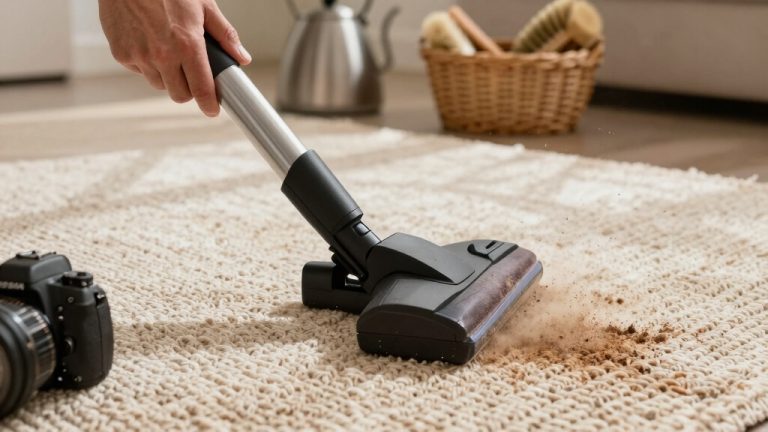
After thoroughly cleaning the affected area, sprinkle baking soda over carpets, upholstery, or litter box surroundings. Let it sit for at least an hour to absorb odors, then vacuum or wipe it away.
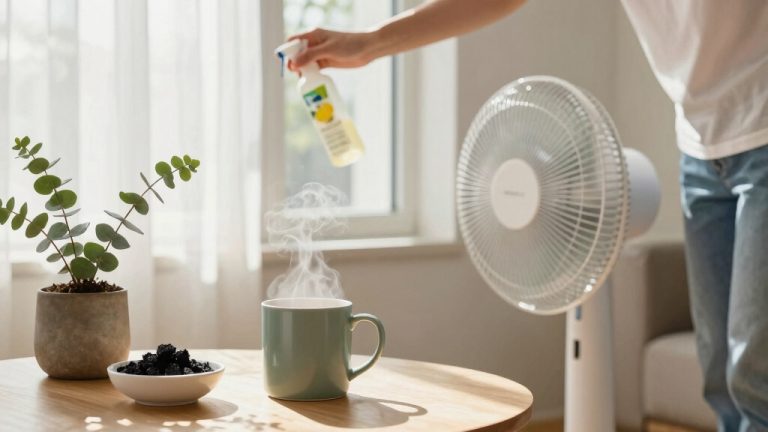
Activated carbon works well for reducing airborne odors, especially in enclosed rooms or near litter boxes. Consider using air purifiers with carbon filters for continuous odor control.
For deeper odor removal, combining odor absorbers with enzyme-based cleaners can neutralize organic stains and odors at the molecular level.
Maintain Litter Box Area to Prevent Cat Poop Odors
Regularly maintaining the litter box area plays a crucial role in preventing cat poop odors from becoming a persistent problem. You should scoop waste daily to stop odor buildup and empty the box periodically to wash it with mild soap and water.
Daily scooping and regular washing of the litter box are essential to prevent persistent cat poop odors.
Don’t forget to clean surrounding floors, walls, and mats where litter or waste might track. Using enough litter and replacing it as needed rather than waiting for extreme buildup helps control smell effectively.
Keep the area dry and well-ventilated, as moisture and poor air circulation can worsen odors. Maintaining this routine not only minimizes unpleasant smells but also promotes a healthier environment for your cat and your home.
Consistency in these steps is key to keeping odors at bay. Additionally, improving ventilation quality helps reduce the persistence of odors by promoting drying and preventing bacterial growth.
Frequently Asked Questions
Can Certain Cat Diets Reduce the Smell of Their Feces?
Yes, certain cat diets can reduce the smell of their feces.
You’ll want to choose high-quality, easily digestible foods with limited fillers and artificial additives. These often cause stronger odors.
Diets rich in protein and low in carbohydrates help reduce waste odor by promoting better digestion.
You might also consider specialized formulas designed to minimize stool smell.
Always consult your vet before switching diets to make certain it meets your cat’s nutritional needs.
How Often Should I Replace My Cat’s Litter to Control Odor?
You might think replacing your cat’s litter weekly is enough, but waiting too long lets odors build and become tougher to manage.
To keep smells under control, replace the litter entirely every one to two weeks, depending on your cat’s usage and the litter type.
Remember, daily scooping and maintaining a dry, ventilated area complements litter changes perfectly.
This routine prevents persistent odors and keeps both you and your cat comfortable.
Are There Natural Alternatives to Enzyme Cleaners for Odor Removal?
Yes, you can use natural alternatives like baking soda and diluted vinegar to tackle cat poop odor.
Baking soda absorbs lingering smells on carpets and upholstery.
Vinegar, diluted with water, works well on hard surfaces.
Remember to apply these after you’ve removed the waste and cleaned the area, as they work best as odor absorbers—not substitutes for thorough cleaning.
These options are gentle, eco-friendly, and readily available for your convenience.
Can Medical Issues Cause Unusually Strong Cat Poop Odors?
Yes, medical issues can cause unusually strong cat poop odors. If your cat has digestive problems, infections, or dietary intolerances, their stool might smell worse than usual.
You should monitor any changes in your cat’s bathroom habits and consult your vet if the smell becomes consistently strong. If your cat shows other symptoms like diarrhea or lethargy, seek veterinary advice.
Early diagnosis can help manage health issues and reduce odor problems effectively.
How Do I Safely Dispose of Cat Feces Without Harming the Environment?
You can safely dispose of cat feces by first scooping it into a biodegradable or compostable bag to reduce plastic waste.
Avoid flushing it, as cat waste can harm water systems.
Seal the bag tightly and place it in an outdoor trash bin to prevent odors and contamination indoors.
If you compost, only do so in a system designed to handle pet waste, ensuring pathogens break down safely without harming the environment.
Keep Your Home Fresh With Proper Litter Box Care
So, you’ve tackled the cat poop smell like a pro by cleaning up quickly, scrubbing surfaces, using enzyme cleaners, and controlling odors.
Who knew preventing a stinky house could be this straightforward?
It’s almost ironic that a little scoop and wipe can save your nose from endless suffering.
Keep up with your litter box maintenance, and you’ll enjoy a fresher home without ever holding your breath again.
You’ve got this!