
Do Carpets Get Dirtier After Cleaning: Common Causes & Fixes
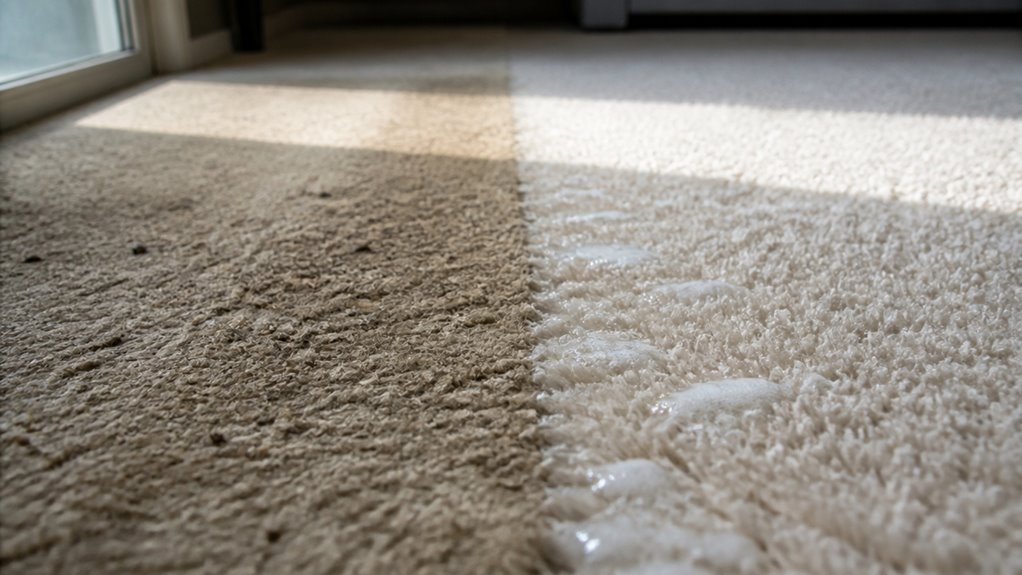
You might see your carpet looking dirtier right after cleaning because moisture can pull hidden dirt from deep within the fibers back to the surface, a process called wick-back.
Leftover detergent residue can also make fibers sticky, attracting new dirt quickly. Over-wetting or poor rinsing often causes these effects, but they’re usually temporary.
With proper drying and care, your carpet will look fresh again. Keep going to understand how to prevent these issues effectively.
Key Takeaways
- Carpets may look dirtier after cleaning due to moisture pulling deep dirt to the surface (wicking).
- Leftover detergent residue makes fibers sticky, attracting more dust and oils quickly.
- Over-wetting can cause hidden dirt and old stains to reappear as carpets dry.
- Insufficient rinsing and extraction leave residues and loosened soil inside the carpet.
- Proper drying and controlled moisture reduce dirt resurfacing and maintain carpet appearance.
Why Carpets Appear Dirtier Right After Cleaning

Right after cleaning, your carpet might seem to have picked up more dirt instead of looking fresher. This often happens because moisture can pull embedded soil from deeper layers back to the surface, a process called wicking.
Moisture can draw hidden dirt to the surface, making your carpet look dirtier right after cleaning.
Additionally, leftover detergent or shampoo residue can make fibers sticky, attracting dust and oils quickly. Over-wetting the carpet can push hidden dirt upward, making old stains reappear as the carpet dries.
Even if your cleaning was thorough, the carpet’s pile might look uneven or dull due to fiber distortion from moisture or agitation. These effects don’t mean your carpet is dirtier than before; instead, they reflect temporary changes during drying.
With proper drying and care, your carpet will soon regain its clean, vibrant appearance. Residue buildup can also cause the carpet to feel sticky or tacky and attract dirt rapidly, making it appear dirtier after cleaning due to leftover carpet cleaner residue.
How Moisture and Residue Cause Dirt to Resurface on Carpets?
When moisture remains in your carpet after cleaning, it can draw trapped dirt from deep within the fibers back to the surface, a process known as wicking.
This happens because excess water softens and mobilizes soil embedded below the carpet’s face, allowing it to migrate upward as the carpet dries.
Additionally, residue left behind from shampoos or detergents can leave fibers tacky, making them more likely to attract fresh dirt and oils quickly.
Over-wetting compounds this by pushing old soil upward, increasing visible dirtiness.
To prevent this, you need thorough rinsing and controlled moisture during cleaning.
By ensuring your carpet dries fully and residue-free, you reduce the chances of dirt resurfacing.
This helps your carpet stay cleaner longer and maintain its appearance with confidence.
Using proper drying methods, such as good airflow, is essential to avoid prolonged dampness that promotes dirt wicking and fiber damage.
Wick-Back: Why Old Stains Reappear?
Although it can be frustrating, old stains often reappear due to wick-back. This process occurs when moisture pulls deeply embedded soil and discoloration from beneath the carpet fibers back to the surface as it dries.
When cleaning saturates the carpet, water can reach the backing or padding, loosening trapped dirt. As the carpet dries, this moisture moves upward, carrying soil with it, creating the illusion that your carpet has become dirtier.
This doesn’t mean the cleaning failed; rather, it reveals hidden residues. To minimize wick-back, it’s important to avoid over-wetting and ensure thorough extraction during cleaning.
Allow your carpet to dry completely before heavy use. If old stains reappear, professional treatments can often resolve them, effectively restoring your carpet’s appearance.
Using methods with proper drying times and adequate ventilation can significantly reduce the chances of wick-back occurring.
Cleaning Mistakes That Cause Carpets to Resoil
If you want your carpet to stay clean longer, you need to avoid common mistakes during the cleaning process that lead to rapid resoiling.
Insufficient rinsing leaves behind sticky detergent residue, which attracts dirt quickly.
Using too much cleaning solution or over-wetting the carpet can cause soil trapped beneath the fibers to wick back up as it dries, making stains reappear.
Improper drying prolongs moisture, allowing dirt to migrate and fibers to remain vulnerable.
Inadequate extraction leaves loosened dirt and chemicals inside the carpet, undermining your efforts.
To prevent these issues, focus on thorough rinsing, controlled moisture levels, and complete drying before heavy foot traffic.
Avoiding these errors helps maintain your carpet’s clean look and reduces the chance of it appearing dirtier after cleaning.
Additionally, always wait until the carpet is completely dry before vacuuming to prevent embedding dirt deeper and avoid fiber damage from vacuuming damp carpet.
Best Practices to Keep Carpets Looking Fresh
Avoiding common cleaning mistakes sets the foundation for maintaining a carpet’s fresh appearance.
You want to guarantee thorough rinsing and extraction to prevent residue buildup, which attracts dirt quickly.
Overwetting can cause wick-back, pulling soil from deeper layers, so controlling moisture is vital.
After cleaning, give your carpet plenty of time to dry before walking on it to reduce the risk of resoiling.
To keep your carpet looking great longer, follow these best practices:
Vacuum regularly to remove surface dust before it embeds.
Use entry mats and limit shoe traffic to reduce tracked-in dirt.
Schedule routine professional cleanings to address hidden soil and fiber wear.
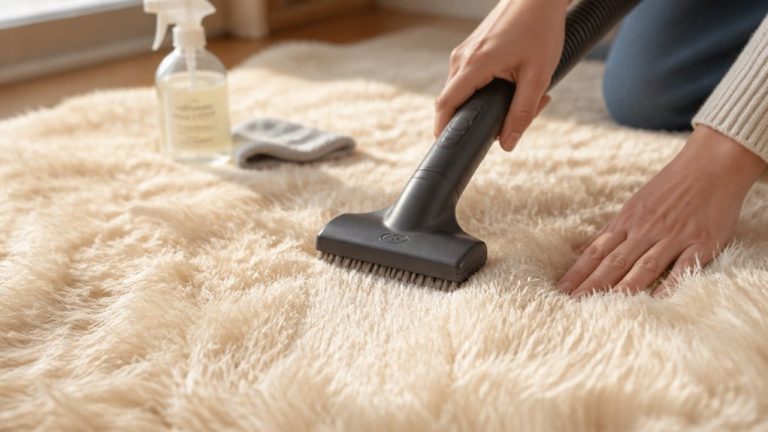
Utilizing a vacuum with strong suction and brush action can enhance water extraction and reduce drying time, minimizing mold risk through improved drying features.
These steps help maintain your carpet’s vibrancy and extend its life.
Frequently Asked Questions
How Often Should Professional Carpet Cleaning Be Scheduled?
You should schedule professional carpet cleaning every 12 to 18 months for typical households.
If you have pets, kids, or high foot traffic, consider cleaning every 6 to 12 months to maintain freshness and prevent soil buildup.
Regular cleaning helps avoid deep dirt, residue, and fiber wear.
Stick to this routine, and you’ll keep your carpets looking cleaner, extend their life, and reduce the chance of stubborn stains or rapid resoiling.
Are Certain Carpet Materials More Prone to Wick-Back?
Yes, certain carpet materials are more prone to wick-back.
Natural fibers like wool absorb moisture deeply and hold soil beneath, making wick-back more likely.
Synthetic fibers such as nylon or polyester resist moisture better, reducing wick-back risk.
When you choose carpets, consider fiber type, pile density, and backing material.
Knowing these helps you prevent soil migration during cleaning and keeps your carpet looking fresh longer.
Can DIY Carpet Cleaners Prevent Residue Buildup Effectively?
DIY carpet cleaners can help you reduce residue buildup, but they often lack the thorough rinsing and extraction power of professional equipment.
You might still leave detergent behind if you don’t rinse well or overwet the carpet.
To prevent residue effectively, follow product instructions carefully and avoid using excessive solution.
Make certain your carpet dries fully before use.
Regular vacuuming afterward also helps keep fibers clean and residue-free.
What Household Products Should Be Avoided on Carpets After Cleaning?
You should avoid using harsh household products like bleach, ammonia, vinegar, and undiluted detergents on carpets after cleaning, as they can damage fibers or leave sticky residues that attract dirt.
Also, steer clear of oily or wax-based cleaners that can cause buildup. Instead, stick to gentle, carpet-specific products recommended by professionals to protect your carpet’s appearance and avoid quick resoiling or fiber damage during the vulnerable drying phase.
How Does Carpet Padding Affect Soil Retention and Cleaning Results?
Think of carpet padding as a sponge beneath your carpet. It soaks up dirt and moisture, affecting soil retention and cleaning outcomes.
If the padding traps soil or stays damp, it can cause wick-back, pulling dirt to the surface after cleaning. Choosing quality, dense padding helps limit this.
Plus, thorough drying guarantees the padding doesn’t harbor moisture, preventing odors and resoiling.
Avoid Common Carpet Cleaning Mistakes
After cleaning, your carpet might seem dirtier, but that’s often just moisture or residue bringing old dirt back to the surface.
Avoid common mistakes like over-wetting or using the wrong cleaners to prevent quick resoiling.
By following best practices, like proper drying and regular maintenance, you’ll keep your carpet looking fresh and vibrant much longer.
Trust the process; clean carpets don’t just look good, they feel good too.

One Comment