
How to Clean Chenille Fabric Sofa: Easy Step-by-Step Guide
Start by locating your chenille sofa’s care tag to find its cleaning code: W, S, WS, or X.
Blot spills immediately with a clean cloth, avoiding rubbing.
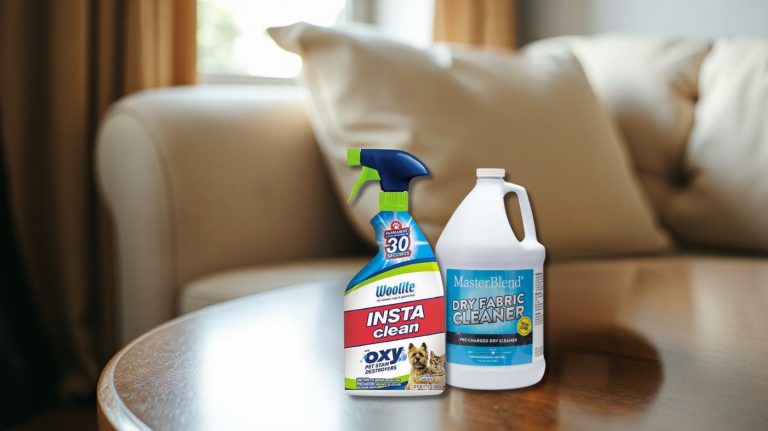
Use mild soap and water for W or WS codes, and solvent cleaners for S-coded fabric, always testing first on a hidden spot.
Vacuum weekly with low suction and soften the pile gently after drying.
Avoid harsh chemicals and excessive wetting.
Following these steps guarantees your sofa stays fresh and plush; more detailed care techniques can help you maintain it longer.
Key Takeaways
- Check the care tag under cushions for cleaning codes: W, S, WS, or X before cleaning your chenille sofa.
- Vacuum weekly with a soft brush attachment and gently brush fabric to remove dust and pet hair without damage.
- Blot spills immediately with a dry cloth; use mild soap and water for W/WS codes, solvent cleaners for S-coded fabrics.
- Deep clean chenille sofas once or twice a year using gentle steam cleaning or professional services if needed.
- Air dry completely after cleaning, avoid heat sources, and restore fabric pile with a soft brush to maintain texture.
How to Identify Your Chenille Sofa’s Cleaning Code?

How can you make sure you’re using the right cleaning method for your chenille sofa?
Start by locating the care tag, usually found under seat cushions or on the frame. This tag provides a cleaning code essential for proper maintenance.
If the code is W, use only water-based cleaners. An S code means you should rely solely on solvent-based cleaners.
WS indicates either water- or solvent-based cleaners are safe to use. If you see an X, avoid any cleaning solution and stick to vacuuming; professional cleaning is recommended.
Identifying this code precisely prevents damage and guarantees effective cleaning. Always check this tag before applying any cleaner to maintain your sofa’s texture and extend its lifespan.
If the label is missing or unreadable, it is best to consult the manufacturer or seek professional cleaning guidance to avoid damaging your chenille fabric.
How to Spot-Clean Spills on Chenille Sofas Immediately?
When a spill happens, the first thing you want to do is grab a clean, dry cloth and blot it right away.
Seriously, don’t rub! Rubbing can damage those lovely fibers, and we definitely don’t want that.
Next, depending on your sofa’s cleaning code, you’ll need a mild cleaning solution.
If your fabric is water-safe, a gentle dish soap mix works wonders.
For other types, like those that require solvent cleaners, make sure you have the right stuff on hand.
Oh, and here’s a little tip: before you go all in on that stain, test your cleaning method on a hidden spot first.
Just give it about 10 minutes to check for any reactions.
Better safe than sorry, right?
Also, always identify your sofa’s cleaning codes to choose the safest and most effective cleaning method.
Immediate Spill Blotting
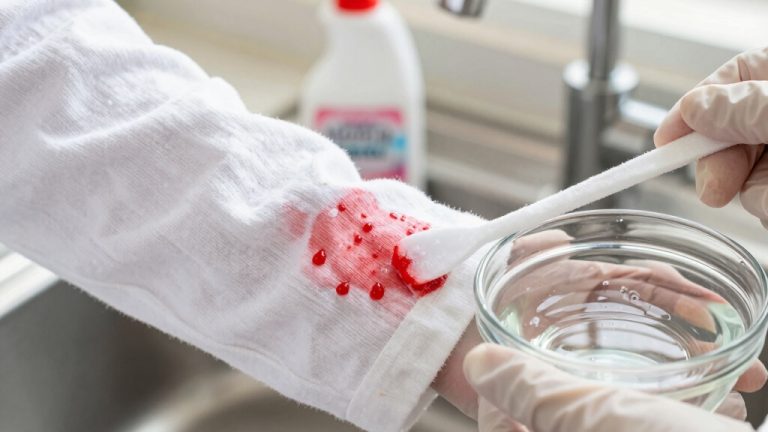
Act quickly to blot spills on your chenille sofa with a clean, dry cloth or cotton fabric to prevent stains from setting. Press gently on the spill; never rub, as rubbing can push liquid deeper and damage the delicate fibers.
Use a fresh section of the cloth to absorb as much moisture as possible. If the spill is liquid, repeat blotting with dry cloths until no more transfers. Avoid applying pressure that could crush the fabric’s pile.
For solids, lift carefully without grinding them into the fabric. After blotting, allow the area to air dry completely, avoiding heat sources. Monitoring the spot over 24–48 hours helps catch any wicking stains early.
Immediate, careful blotting is essential to maintaining your chenille sofa’s look and longevity. Using cold water and a colorfast rag initially can help prevent stains from setting and protect delicate fibers.
Safe Cleaning Solutions
Although spills on chenille sofas can be stressful, using the right cleaning solutions immediately minimizes damage.
First, identify your sofa’s cleaning code on the care tag: W, S, WS, or X.
For W or WS codes, mix one tablespoon of mild dish soap with two cups of cool water to create a gentle, water-based cleaner.
Apply the solution sparingly using a clean cloth, blotting the spill without rubbing.
If your sofa has an S code, use a solvent-based cleaner, spraying it lightly.
Always avoid harsh chemicals, hot water, or scrubbing, which can damage fibers.
After treatment, blot excess moisture and allow the fabric to air dry completely.
Acting quickly with the proper solution helps preserve your chenille sofa’s texture and appearance.
For stubborn spots, it is best to test any cleaner on a hidden area first to ensure fabric safety.
Testing Cleaning Methods
Before applying any cleaner to your chenille sofa, you’ll want to test the cleaning method carefully to avoid fabric damage.
Locate an inconspicuous spot, such as underneath a seat cushion, and apply a small amount of your chosen cleaner, either water-based or solvent-based, depending on your sofa’s care code.
Let it sit for about 10 minutes, then blot with a clean white cloth to check for colorfastness or fabric changes.
If no discoloration or damage appears, you can proceed confidently.
When spot-cleaning spills immediately, always blot gently instead of rubbing to prevent fiber distortion.
Use a mild dish soap solution for water-safe chenille or a solvent cleaner sparingly for others.
Testing first guarantees your sofa stays pristine while effectively removing stains.
For delicate fabrics, always choose gentle, fabric-specific cleaning agents to maintain fabric integrity and avoid damage.
Weekly Maintenance Tips for Chenille Sofas
You know, giving your chenille sofa a little love each week can make a big difference!
Start by vacuuming it with a soft brush attachment set to low suction. This way, you can keep that pesky dust at bay without risking any damage to the fabric.
And if you’ve got pets, I totally get it—those little furballs can leave their mark!
For pet hair, try using a lint roller or a soft-bristled brush. Just remember, gentle is key here; you don’t want to scrub too hard.
Sticking to this easy routine not only keeps your sofa looking fresh but also helps it last longer.
Consider maintaining a balanced humidity level around 40–50% to reduce dust attraction and protect your furniture.
Weekly Vacuuming Routine
Regularly vacuuming your chenille sofa is essential to maintain its texture and prevent dust buildup.
Use a vacuum with a soft brush attachment set to low suction to avoid damaging the delicate fibers.
Move the vacuum gently across the surface, paying close attention to crevices and seams where dust tends to accumulate.
Avoid aggressive brushing or strong suction, as this can tear the fabric.
For best results, vacuum once a week to keep dirt from embedding into the pile.
If you notice any stubborn debris, use a soft-bristled brush to loosen it before vacuuming.
This methodical, gentle approach preserves the chenille’s plush feel while effectively removing dust and particles.
Ensuring your sofa stays clean and inviting over time.
Choosing a vacuum with adjustable suction allows you to customize power settings to protect delicate fabrics like chenille.
Gentle Pet Hair Removal
Frequently, pet hair accumulates on chenille sofas, demanding careful removal to maintain fabric integrity.
Start by using a lint roller over the fabric’s surface to pick up loose hairs without stressing the fibers.
For stubborn hair embedded deeper, gently brush the sofa with a soft-bristled brush, like a baby hairbrush, working in one direction to avoid damaging the pile.
Avoid vigorous scrubbing or abrasive tools, as chenille is delicate.
Perform this pet hair removal weekly to prevent buildup that can attract dust or cause matting.
After brushing, vacuum the sofa with a soft brush attachment on low suction to lift remaining debris.
This methodical approach preserves your chenille sofa’s texture while keeping it free from pet hair and looking fresh.
Additionally, maintaining regular cleaning routines helps preserve texture and appearance over time.
How to Remove Pet Hair and Dust From Chenille Sofas?
To keep your chenille sofa free from pet hair and dust, start by vacuuming it weekly using a soft brush attachment on low suction. This helps avoid damaging the delicate fibers.
Vacuum your chenille sofa weekly with a soft brush attachment on low suction to protect its delicate fibers.
Follow this by gently brushing the fabric with a soft-bristled brush, like a baby hairbrush. This loosens embedded debris without tearing the pile.
Use a lint roller to pick up remaining pet hair, rolling slowly and repeatedly over the surface. Avoid aggressive scrubbing to maintain fabric integrity.
Performing these steps weekly prevents dust buildup and keeps the sofa looking fresh. If you notice stubborn hair or dust, repeat the process rather than increasing suction or pressure.
Consistent, gentle maintenance guarantees your chenille sofa stays clean and prolongs its lifespan without risking fiber damage. For best results, always pretest cleaning solutions on a hidden area to avoid any fabric damage.
When to Deep Clean Your Chenille Sofa and How to Do It?
You should deep clean your chenille sofa at least once or twice a year to maintain its appearance and hygiene.
First, check the care tag under the cushions for cleaning codes: W (water-based), S (solvent-based), WS (either), or X (vacuum only).
For water-safe chenille, vacuum thoroughly with an upholstery attachment after gentle brushing to remove dust and debris.
If your fabric allows, use a steam cleaner on the gentlest setting, avoiding over-wetting.
Non-polyester chenille requires solvent-based cleaners or professional cleaning to prevent damage.
Always test any cleaner on a hidden area first.
After brushing and vacuuming, consider professional cleaning annually or biannually to address deep-seated dirt and oils.
This ensures your sofa stays fresh and extends its lifespan.
To protect delicate fabrics, avoid excessive moisture and heat similar to the precautions advised for wood flooring care.
Drying Techniques to Protect Chenille Sofa Fabric
Allow your chenille sofa to air dry completely after cleaning to preserve its texture and prevent damage. Avoid direct heat sources or soaking the fabric, as both can weaken fibers or cause shrinking.
Instead, blot excess moisture gently with dry towels to speed drying without rubbing. Position fans nearby to circulate air evenly, but don’t point them directly at the fabric to prevent uneven drying.
Monitor the sofa for 24 to 48 hours to make certain it dries thoroughly and to detect any wicking stains early. Once dry, use a soft brush to lightly restore the chenille’s pile, maintaining its soft, plush feel.
Proper drying extends your sofa’s lifespan and keeps the fabric looking fresh and intact.
What to Avoid When Cleaning Chenille Sofas
When cleaning your chenille sofa, steer clear of harsh chemicals like bleach and ammonia, as they strip away protective treatments and damage the fabric.
Avoid using hot water because it can set stains permanently and weaken fibers.
Never rub or scrub the fabric vigorously; this can cause pilling, distort the pile, or create worn patches.
Also, don’t use abrasive cloths or brushes, which can tear delicate fibers.
If your sofa’s care tag restricts cleaning methods (such as an “X” code), don’t attempt water or solvent cleaning yourself.
Stick to vacuuming and seek professional help.
Finally, avoid over-wetting the fabric during cleaning or drying, as excess moisture leads to mildew and staining.
Follow these precautions to preserve your chenille sofa’s texture and longevity.
Best Spot Cleaning Solutions for Chenille Sofas
Frequently, spot cleaning is the most effective way to address spills and stains on your chenille sofa before they set in. Start by blotting the spill immediately with a clean, dry cotton cloth. Never rub, as this can damage fibers.
For sofas labeled with a W or WS code, mix one tablespoon of mild dish soap with two cups of cool or lukewarm water. Apply this solution gently using a soft cloth. If your sofa requires solvent-based cleaners (S code), use a solvent cleaner sparingly and avoid water.
Always test any cleaning solution on an inconspicuous area for at least 10 minutes to guarantee it won’t discolor or damage the fabric. After cleaning, blot excess moisture and let the area air dry completely.
When to Hire Professional Cleaners for Your Chenille Sofa?
Spot cleaning can handle many spills and stains on your chenille sofa, but some situations call for professional expertise.
You should hire professional cleaners if:
- The care tag indicates an X code, meaning only vacuuming is safe. Water or solvents could damage the fabric.
- Stains are deep or widespread, beyond what gentle spot cleaning can remove without risking fabric damage.
- Your sofa hasn’t had a deep clean in over a year. Professionals can safely perform thorough cleaning, restoring texture and hygiene without harming fibers.
Professionals use specialized equipment and solutions tailored to chenille’s unique needs. This ensures effective cleaning without compromising fabric integrity.
If you notice persistent odors, discoloration, or fabric stiffness, it’s time to call in the experts to protect your investment.
Frequently Asked Questions
Can Chenille Fabric Be Dyed if It Fades?
Yes, you can dye chenille fabric if it fades, but you need to identify the fiber content first.
Polyester chenille requires special disperse dyes and high heat.
Cotton or rayon blends take fiber-reactive dyes better.
Always test dye on a hidden area to check colorfastness and fabric response.
Prepare the fabric by cleaning thoroughly to remove dirt.
Follow dye instructions carefully to avoid uneven coloring or damage.
How to Repair Tears or Snags in Chenille Fabric?
Think of a tear or snag in chenille fabric like a broken thread in a tapestry.
Fix it carefully to preserve its story.
Gently pull loose fibers back into place with a needle or crochet hook.
For small tears, stitch edges using matching thread with tiny, even stitches.
Avoid harsh pulling or cutting.
If the damage is extensive, consider professional repair to restore the fabric’s texture and strength without risking further harm.
Is Chenille Fabric Hypoallergenic or Suitable for Sensitive Skin?
Chenille fabric isn’t inherently hypoallergenic, so if you have sensitive skin, you might react to it.
Its soft texture can trap dust, pet dander, and allergens, which may aggravate sensitivities.
You can minimize this by vacuuming regularly and using fabric protectors.
If you’re prone to allergies, choose chenille blends labeled hypoallergenic or opt for natural fibers with less dust retention to guarantee comfort and reduce irritation.
What Are the Best Methods to Prevent Chenille Fabric Fading?
You might think sunlight alone causes chenille fading, but it’s more complex. UV rays combined with heat accelerate fiber breakdown.
To prevent fading, keep your sofa away from direct sunlight and use UV-blocking window treatments. Rotate cushions regularly to guarantee even wear.
Vacuum weekly to avoid dust buildup, which can dull colors. Avoid harsh chemicals and hot water, as they weaken fibers and wash out dyes. This helps preserve your fabric’s vibrant look longer.
How Long Does Chenille Sofa Fabric Typically Last With Regular Care?
With regular care, your chenille sofa fabric typically lasts 8 to 15 years.
Consistent vacuuming, gentle spot cleaning, and avoiding harsh chemicals preserve its texture and color.
Proper drying and occasional professional cleaning extend its lifespan.
You’ll want to monitor for wear and address stains quickly.
Following these steps prevents fiber damage and fading.
Ensuring your sofa remains soft and vibrant for over a decade if maintained thoughtfully.
Keep Your Chenille Sofa Soft, Clean, and Beautiful for Years
If you skip cleaning your chenille sofa, it might start looking like a dust monster’s playground overnight!
By following these simple steps: spot-cleaning spills, weekly maintenance, and knowing when to deep clean or call pros, you’ll keep your sofa looking fresh and inviting.
Avoid harsh chemicals and drying errors to protect that soft texture. With just a little care, your chenille sofa will stay the star of your living room for years to come!