Is Method All Purpose Cleaner Safe: Making an Informed Choice
You can use Method All Purpose Cleaner safely if you avoid prolonged skin or eye contact, especially due to fragrance allergens like linalool and preservatives such as methylisothiazolinone that may trigger sensitivity.
While its plant-derived surfactants clean effectively without harsh residues, trace ethoxylated contaminants and synthetic dyes remain concerns. The formula balances eco-friendliness with performance, but those with sensitive skin or allergies should proceed carefully.
Additional insights reveal how to optimize safe use and understand potential risks.
Key Takeaways
- Method All Purpose Cleaner uses plant-derived, biodegradable surfactants but contains synthetic preservatives and fragrances that may cause sensitivity in some users.
- The formula includes sensitizing preservatives (methylisothiazolinone) and fragrance allergens that can trigger allergic contact dermatitis, especially with repeated exposure.
- Short-term use generally poses minimal risk, but prolonged skin contact may cause irritation; gloves and patch testing are recommended for sensitive individuals.
- Accidental eye contact can cause discomfort; rinse immediately with water and avoid mixing with bleach or OxiClean to prevent toxic gas release.
- The product is eco-friendly with recycled packaging and biodegradable ingredients, though trace contaminants and synthetic dyes are present, raising some environmental concerns.
Ingredients in Method All Purpose Cleaner

Method All Purpose Cleaner employs a blend of plant-derived surfactants, such as Decyl Glucoside, Lauryl Glucoside, and Laureth-7, that serve as its primary cleaning agents.
Method All Purpose Cleaner uses plant-derived surfactants like Decyl Glucoside for effective, eco-friendly cleaning.
These surfactants are synthetic yet biodegradable detergents derived from renewable resources, offering effective soil removal with reduced environmental impact.
You’ll find the formula free from parabens and phthalates, enhancing its safety profile compared to many conventional cleaners.
Despite its plant-based focus, the cleaner contains ethoxylated compounds that may introduce trace contaminants like ethylene oxide and 1,4-dioxane during manufacturing.
Additionally, preservatives such as methylisothiazolinone are included to prevent microbial growth but present potential sensitization risks.
For sensitive electronic devices, it is important to choose alcohol- and ammonia-free cleaners to avoid damaging delicate screen coatings.
Allergens and Irritants in Method All Purpose Cleaner
Although the cleaner utilizes plant-derived surfactants, it contains several allergens and irritants that you should consider if you have sensitive skin or allergies.
Fragrance components like linalool, benzyl salicylate, and limonene are established allergens linked to sensitization. Additionally, preservatives such as methylisothiazolinone act as synthetic sensitizers causing allergic contact dermatitis.
Surfactants like sodium lauryl sulfate may irritate skin despite dilution. Below is a summary of key allergens and irritants:
| Ingredient | Type | Potential Effect |
|---|---|---|
| Linalool | Fragrance allergen | Sensitization, allergic reaction |
| Methylisothiazolinone | Preservative | Allergic contact dermatitis |
| Sodium lauryl sulfate | Surfactant | Skin irritation |
You should weigh these risks, especially if you’re prone to allergies or skin sensitivity. Proper ventilation and avoiding exposure to strong irritants can help reduce potential health effects related to respiratory conditions.
Skin and Eye Safety of Method All Purpose Cleaner
Hey there! Just a quick heads-up about Method All Purpose Cleaner. While it’s great for tackling messes, you should know that prolonged contact with your skin might lead to irritation. This is mainly due to ingredients like sodium lauryl sulfate and some synthetic preservatives.
Now, about your eyes—though it’s not super common during regular use, there’s still a risk of irritation if the cleaner gets in there. So, it’s best to be cautious. And if you’re sensitive to fragrances, be aware that allergens like linalool could potentially trigger a reaction. Just something to keep in mind!
Also, it’s important to avoid using harsh chemical cleaners like Clorox wipes on leather, as they can cause dryness, cracking, and discoloration, which highlights the need for gentle cleaning products.
Skin Irritation Potential
When handling all-purpose cleaners, skin irritation risk depends largely on ingredient composition and exposure duration.
Method All Purpose Cleaner contains plant-derived surfactants like Decyl Glucoside, which are generally mild.
However, it also includes sensitizing preservatives such as methylisothiazolinone and octylisothiazolinone.
These ingredients can induce allergic contact dermatitis, especially with prolonged or repeated skin contact.
Additionally, sodium lauryl sulfate, a known irritant, is present, heightening irritation potential for sensitive skin.
Fragrance allergens such as linalool may exacerbate skin sensitivity in predisposed individuals.
While the product’s SkinSAFE rating of 91 suggests low allergenicity for most users, those with compromised skin or allergies should exercise caution.
Overall, short-term, incidental contact poses minimal risk.
However, extended exposure warrants protective measures like gloves to mitigate irritation.
For safer alternatives, consider disinfectants with plant-based ingredients that are free from harsh chemicals and designed to be gentle on skin.
Eye Contact Hazards
Beyond skin irritation, eye contact with Method All Purpose Cleaner presents distinct hazards due to the presence of surfactants and preservatives that can cause irritation.
The plant-derived surfactants, Decyl Glucoside, Lauryl Glucoside, and Laureth-7, while biodegradable, are known irritants upon direct ocular exposure.
Additionally, synthetic preservatives like methylisothiazolinone and octylisothiazolinone can provoke acute eye discomfort and inflammation.
Although the product isn’t classified as hazardous at typical concentrations, accidental splashes may induce transient redness, burning, or tearing.
You should avoid eye contact by using caution during application, especially since the formula contains irritant components such as sodium lauryl sulfate.
If contact occurs, immediate rinsing with water is essential to minimize adverse effects.
It is important to avoid mixing this cleaner with bleach or OxiClean due to the risk of releasing toxic gases that can cause severe respiratory and eye irritation.
Allergen Presence Risks
Although Method All Purpose Cleaner uses primarily plant-derived surfactants, its fragrance formulations contain multiple allergens such as linalool, benzyl salicylate, citral, hexyl cinnamal, and limonene. These can provoke sensitization and allergic reactions on both skin and eyes.
If you have sensitive skin or a history of fragrance allergies, exposure to these compounds may trigger contact dermatitis or ocular irritation. These allergens act as haptens, binding to skin proteins and eliciting immune responses upon repeated contact.
While the product’s SkinSAFE rating of 91% suggests limited allergen presence overall, the fragrance components remain a significant concern for susceptible individuals. To minimize risk, you should avoid prolonged skin contact and consider patch testing before regular use, especially if you’re prone to sensitivities or allergic reactions.
Repeated exposure to allergens in fragrances can lead to immune sensitization, increasing the severity of skin and eye reactions over time.
Harmful Preservatives and Dyes in Method All Purpose Cleaner
Hey there! Just a heads-up about Method All Purpose Cleaner. It contains isothiazolinone preservatives, which are synthetic sensitizers. These are actually linked to allergic contact dermatitis, so it’s something to keep in mind.
Plus, the cleaner also has synthetic dyes in its formulation. This raises some environmental and health concerns. If you or someone you know is sensitive, these ingredients might increase the risk of allergic reactions.
It’s always good to be aware of what’s in the products we use, right? Overuse of biocidal agents like isothiazolinones can promote antimicrobial resistance, which is why regulatory restrictions exist.
Isothiazolinone Preservative Risks
When using Method All Purpose Cleaner, you should be aware that it contains isothiazolinone preservatives such as methylisothiazolinone and octylisothiazolinone, which are known synthetic sensitizers.
These compounds effectively inhibit microbial growth, extending shelf life, but they also pose risks of allergic contact dermatitis, particularly with repeated skin exposure.
Scientific studies have established these preservatives as common culprits in skin sensitization and irritation.
Consider these critical points regarding isothiazolinone risks:
- They can trigger allergic reactions even at low concentrations.
- Prolonged or repeated contact increases sensitization likelihood.
- Sensitive individuals may develop dermatitis upon exposure.
- Regulatory bodies monitor and restrict their use due to health concerns.
- Alternatives with lower sensitization potential exist but may compromise preservation.
Understanding these risks helps you make informed choices about household cleaning products. Note that unlike germicidal bleach, which requires strict personal protective equipment due to its potent disinfecting chemicals, Method All Purpose Cleaner’s risks mainly arise from these preservatives rather than strong oxidizing agents.
Presence of Synthetic Dyes
Following the concerns about isothiazolinone preservatives, it’s important to address the inclusion of synthetic dyes in Method All Purpose Cleaner.
These dyes, identified as FD&C colorants, are synthetic colorants commonly used to enhance product appearance.
While they don’t contribute to cleaning efficacy, their presence raises environmental and health considerations.
Synthetic dyes may persist in wastewater, posing ecological risks, and some have been linked to sensitization or irritation in sensitive individuals.
The Safety Data Sheet doesn’t classify these dyes as hazardous at formulation concentrations, but cumulative exposure remains a concern.
You should be aware that despite Method’s eco-friendly surfactants, the inclusion of synthetic dyes reflects a compromise between aesthetics and safety.
This suggests that, from a chemical safety perspective, synthetic dyes introduce moderate concerns that temper the product’s otherwise plant-based profile.
Additionally, it is essential to consider that certain cleaning agents, such as those containing harsh chemicals, can cause surface damage similar to that seen with disinfectants on natural stone surfaces.
Allergic Reactions Potential
Although Method All Purpose Cleaner employs plant-derived surfactants, its inclusion of synthetic preservatives such as methylisothiazolinone and octylisothiazolinone markedly elevates the risk of allergic reactions.
These preservatives are known sensitizers that can trigger allergic contact dermatitis in susceptible individuals. Additionally, the presence of synthetic dyes and fragrance allergens compounds this risk.
When you use this cleaner, consider the following factors:
- Methylisothiazolinone and octylisothiazolinone act as potent skin sensitizers.
- FD&C dyes may provoke irritation or allergic responses.
- Fragrance components like linalool contribute to allergenic potential.
- Prolonged skin exposure increases irritation likelihood.
- Individuals with sensitive skin or allergies face heightened risk.
Therefore, while effective, the cleaner’s formulation requires cautious use if you’re prone to allergies. For safer alternatives, consider products formulated without synthetic preservatives and with hypoallergenic ingredients to reduce skin irritation risks.
Cleaning Effectiveness and Residue-Free Use
Because Method All Purpose Cleaner employs plant-derived surfactants like Decyl Glucoside and Lauryl Glucoside, it delivers effective cleaning power while maintaining a gentle formulation.
These surfactants lower surface tension, enabling the removal of dirt, oils, and grime efficiently without harsh chemical abrasion.
You’ll find that the cleaner rinses away cleanly, leaving no detectable residue that could attract dirt or cause surface dulling.
Its balanced formula avoids harsh solvents, reducing the risk of film formation on hard, non-porous surfaces such as glass, tile, and sealed wood.
When you use it as directed, Method All Purpose Cleaner provides consistent, residue-free results, ensuring surfaces remain visually clean and free from sticky or oily films that can impair subsequent cleaning or surface integrity.
Environmental Impact and Sustainability of Method Cleaner
When evaluating Method All Purpose Cleaner, you’ll find that its environmental impact benefits from a formulation centered on biodegradable, plant-derived surfactants designed to minimize ecological harm.
This approach reduces persistence and toxicity in aquatic environments, aligning with sustainable cleaning standards.
Additionally, the product packaging incorporates 100% recycled plastic (PCR), supporting waste reduction efforts.
Method’s cruelty-free certification underscores ethical considerations in product development.
The company’s philosophy prioritizes natural ingredient sourcing, which limits environmental contamination.
However, certifications vary by product line, necessitating careful review for each variant.
- Biodegradable plant-based surfactants reduce environmental persistence
- Use of 100% recycled plastic bottles (excluding lids/nozzles)
- Cruelty-free testing policies avoid animal harm
- Natural ingredient sourcing minimizes ecological toxicity
- Multi-certification reflects ongoing sustainability commitments
Who Should Avoid Using Method All Purpose Cleaner?
If you have sensitive skin or a history of allergies, you should be cautious about using Method All Purpose Cleaner due to its inclusion of fragrance allergens like linalool and synthetic preservatives such as methylisothiazolinone.
These components are known sensitizers that can trigger allergic contact dermatitis or exacerbate existing skin conditions. Additionally, if you’re prone to respiratory issues, the fragrance components may pose risks, especially without sufficient ventilation.
Individuals with compromised skin barriers should avoid prolonged contact, as surfactants like sodium lauryl sulfate can cause irritation and dryness.
Finally, those requiring fragrance-free products should consider alternatives, given Method’s limited unscented options.
Safety Precautions When Using Method All Purpose Cleaner
Though Method All Purpose Cleaner offers effective cleaning with biodegradable ingredients, you should implement specific safety precautions to minimize exposure to potential irritants and allergens. The presence of synthetic sensitizers like methylisothiazolinone and fragrance allergens such as linalool necessitates careful handling.
Avoid prolonged skin contact to reduce the risk of irritation or dermatitis. Ensure adequate ventilation to prevent inhalation of volatile compounds, even if not a typical exposure route. Keep the product out of reach of children to prevent accidental ingestion.
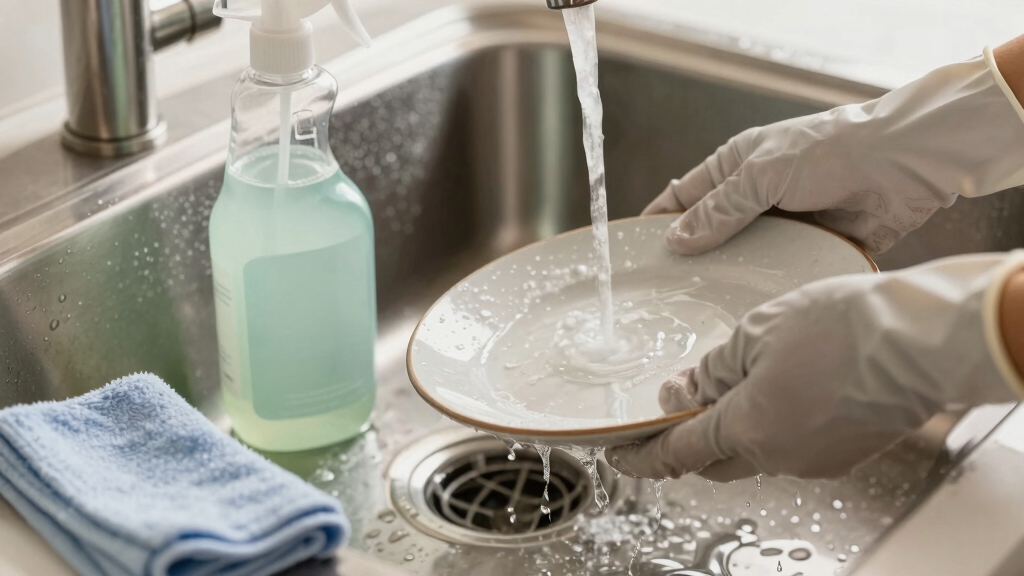
Use gloves when cleaning to protect sensitive skin. Avoid contact with eyes; rinse immediately if exposure occurs. Store the cleaner securely away from children and pets.
Use in well-ventilated areas to disperse any volatile allergens. Follow label instructions precisely to minimize health risks.
Frequently Asked Questions
Can Method All Purpose Cleaner Be Used on Painted Surfaces?
Yes, you can use Method All Purpose Cleaner on painted surfaces. Its plant-derived surfactants effectively clean without harsh chemicals that might damage paint.
However, because it contains mild irritants like sodium lauryl sulfate and fragrance allergens, you should test a small, inconspicuous area first.
Avoid prolonged contact and rinse thoroughly to prevent potential drying or irritation of the paint finish.
Using it as directed guarantees safe and effective cleaning on painted surfaces.
Is Method All Purpose Cleaner Safe for Septic Systems?
You can use Method All Purpose Cleaner safely with septic systems because its biodegradable, plant-derived surfactants break down efficiently. This minimizes harm to beneficial bacteria essential for septic health.
However, avoid overuse or pouring large quantities at once to prevent overwhelming the system.
The cleaner’s formula excludes harsh chemicals common in conventional products. This makes it a scientifically sound choice that supports septic function without introducing persistent toxins or disruptors.
How Long Does Method All Purpose Cleaner Take to Biodegrade?
Method All Purpose Cleaner biodegrades relatively quickly due to its plant-derived surfactants like Decyl Glucoside and Lauryl Glucoside.
These compounds typically break down within days to weeks under aerobic conditions in wastewater treatment or natural environments.
However, exact times vary with factors like temperature, microbial activity, and dilution.
While you can expect efficient biodegradation, trace contaminants from ethoxylated ingredients might persist slightly longer.
Proper disposal and ventilation remain important.
Does Method All Purpose Cleaner Have Any Certifications for Cruelty-Free Testing?
Yes, you’ll find that Method All Purpose Cleaner carries cruelty-free certification, meaning it’s tested on people rather than animals.
This aligns with the company’s commitment to ethical practices and animal welfare.
While certifications may vary across product lines, the brand consistently emphasizes cruelty-free standards as part of its multi-certified enterprise status.
This guarantees you’re choosing a product that avoids animal testing while maintaining effective cleaning performance.
Can Method All Purpose Cleaner Be Used Effectively in Hard Water Areas?
You can use Method All Purpose Cleaner in hard water areas, but its plant-derived surfactants may reduce cleaning efficiency when water hardness is high.
Hard water minerals can interfere with surfactant action, leading to less effective soil removal and potential residue.
For best results, you might need to dilute the cleaner properly or pair it with water softening methods.
Its balanced formula still performs well on hard, non-porous surfaces despite these limitations.
Balancing Cleanliness and Safety with Method All Purpose Cleaner
You’ll find Method All Purpose Cleaner generally safe, with low irritant ingredients and no harsh preservatives. Interestingly, 90% of its formula is plant-based, supporting both effective cleaning and environmental sustainability.
However, if you have sensitive skin or allergies, you should still take precautions. Always use gloves and guarantee proper ventilation.
By understanding its composition and impact, you can confidently incorporate Method into your cleaning routine while minimizing health risks and environmental harm.