How Do You Clean a Sisal Rug: Step-by-Step DIY Guide
You should vacuum your sisal rug weekly with strong suction and without rotating brushes to protect its fibers.
Blot spills immediately using absorbent cloths, working from the outside inward. Avoid excessive moisture or scrubbing.
Use mild, pH-neutral cleaners applied sparingly to cloths, never directly on the rug.
For deeper dirt or odors, apply dry cleaning powders or enzyme treatments carefully.
Proper drying is essential to avoid mold or fiber damage. Explore advanced methods for thorough care and longevity.
Key Takeaways
- Vacuum sisal rugs weekly using strong suction and a brushless or soft brush attachment to protect delicate fibers and avoid fraying.
- Blot spills immediately with a clean, absorbent cloth, working from the spill’s edge to center without rubbing to prevent stain spreading.
- Use mild soap solution or specialized sisal cleaner on a cloth for spot cleaning, always testing on an inconspicuous area first.
- Avoid excessive moisture; dry treated areas promptly with a soft cloth and air circulation to prevent mold and fiber damage.
- Apply dry powders like baking soda to lift dirt and odors, then vacuum thoroughly using recommended vacuum settings for sisal rugs.
How Often Should You Vacuum a Sisal Rug?

You should vacuum your sisal rug at least once a week to prevent dirt from accumulating and causing stains.
Regular vacuuming removes loose particles that can embed between fibers, preserving the rug’s appearance and longevity.
For areas with heavier foot traffic, increase vacuuming frequency to twice weekly to minimize soil buildup.
Use a vacuum with strong suction to effectively lift visible dirt without damaging the delicate sisal fibers.
Additionally, vacuum both sides and underneath the rug to reduce dust accumulation and fiber shedding.
Avoid using a beater bar or rotating brush, as their agitation can fray or weaken the natural fibers.
Consistent, gentle vacuuming maintains the rug’s texture and prevents premature wear, making it a critical element of sisal rug maintenance.
To protect the fibers, it is best to use soft brush attachments or suction-only vacuum settings when cleaning sisal rugs.
How to Vacuum Your Sisal Rug Without Damaging It?
You should really aim to vacuum your sisal rug at least once a week. This helps keep dirt from building up.
If you have a high-traffic area, consider bumping it up to every two weeks.
Now, when you do vacuum, make sure you’re using one with strong suction. But here’s a big tip: steer clear of the beater bar! That’s because the agitation can actually damage those lovely natural sisal fibers.
Oh, and don’t forget to vacuum both sides of the rug! This little extra step really helps reduce dust and fiber accumulation, keeping your rug looking fresh and clean.
For maintaining a dust-free environment around your sisal rug, using a microfiber dust mop can help trap fine particles without scratching nearby hardwood floors.
Vacuuming Frequency Tips
Regular vacuuming plays a crucial role in maintaining the integrity and appearance of a sisal rug.
You should vacuum your rug at least once a week to prevent dirt accumulation and staining.
For areas with heavy foot traffic, vacuuming twice weekly is advisable to avoid particles embedding deeply between fibers.
Use a vacuum with strong suction to effectively lift both visible and loose dirt.
Make sure to vacuum both sides and underneath the rug periodically to reduce dust and fiber buildup.
Avoid using aggressive agitation tools to protect the natural fibers.
Incorporating a vacuum with a soft brush attachment can help gently remove dust from delicate fibers without causing damage.
Avoiding Beater Bar
Maintaining the proper vacuuming technique is just as important as the frequency when caring for a sisal rug.
Avoid using a beater bar, as its aggressive agitation can fray or break sisal fibers, reducing the rug’s lifespan.
Instead, use a vacuum with a strong suction and a brushless floor head.
You should also vacuum both sides to remove embedded dirt.
To preserve the natural texture and longevity of your rug’s fibers, it is advisable to use gentle cleaning methods that avoid harsh agitation.
| Vacuum Feature | Recommended Action |
|---|---|
| Beater Bar | Avoid to prevent fiber damage |
| Suction Power | Use strong suction |
| Brush Attachment | Use brushless or soft brush |
| Vacuuming Direction | Vacuum both sides and edges |
This method guarantees thorough cleaning without compromising the rug’s natural texture or structure.
How to Handle Spills on a Sisal Rug?
When you spill something on your sisal rug, the first thing to do is grab a clean, white paper towel. You’ll want to gently blot the area to soak up as much liquid as you can. Just a heads up—don’t rub it! Rubbing might push the moisture deeper into the fibers and could make the stain even worse.
Before you start blotting, take a moment to carefully remove any solid bits with a spoon or a dull knife. This helps keep any debris from getting stuck in the rug. Trust me, it’ll make the cleanup a lot easier!
To prevent further damage, ensure you dry the rug promptly using a soft cloth to avoid moisture-related issues and maintain its texture and appearance dry promptly.
Immediate Spill Blotting
Act quickly to blot spills on your sisal rug to prevent stains from setting in. Use clean, white paper towels or an absorbent cloth to blot the spill, working carefully from the outside toward the center to avoid spreading the liquid.
Before blotting, remove any solid material with a spoon or dull knife to minimize fiber saturation. Continue blotting gently until no moisture transfers to the towel.
Avoid applying excessive pressure; blotting should absorb, not push liquid deeper. Since sisal fibers are sensitive to moisture, limit liquid exposure during this process.
Do not saturate the rug or use water directly. Immediate and proper blotting reduces the risk of permanent discoloration and fiber damage, maintaining your rug’s natural texture and appearance.
Always test any cleaning method on an inconspicuous area first to avoid discoloration or damage.
Avoid Rubbing Stains
After you’ve carefully blotted a spill on your sisal rug, resist the urge to rub the affected area.
Rubbing forces liquid deeper into the natural fibers, increasing the risk of permanent staining and fiber damage.
Sisal’s coarse texture traps moisture and dirt; agitation can embed contaminants beyond reach of surface cleaning.
Instead, continue blotting gently with a clean, absorbent cloth, working from the spill’s edges toward the center to minimize spread.
Avoid applying pressure or scrubbing motions, as these disrupt the fiber structure and may cause fraying or fuzziness.
Maintaining this disciplined approach preserves the rug’s integrity, helping to prevent discoloration and fiber weakening.
For natural fibers like sisal, it is important to avoid hot water and opt for wool-safe shampoos or professional cleaning methods to protect the fibers.
Solid Material Removal
Remove any solid material from your sisal rug promptly using a spoon or dull knife to prevent embedding particles into the fibers. This step is essential to avoid deeper staining and fiber damage.
After solid removal, immediately blot the area with a clean, white cloth or paper towel. Work from the spill’s edge toward the center to minimize spread. Avoid rubbing, which can drive contaminants deeper.
Key solid material removal tips:
Use a spoon or dull knife gently to lift solids without pushing them further.
Blot excess moisture carefully with absorbent, non-colored materials.
Address spills quickly to prevent permanent discoloration or fiber distortion.
Following these steps maintains the rug’s integrity and simplifies subsequent cleaning stages. For best results, always pretest cleaning solutions on a small hidden area before applying any cleaner to your sisal rug.
Safe Cleaning Solutions for Sisal Rugs
You’ll typically rely on gentle, minimally wet cleaning solutions to maintain sisal rugs safely.
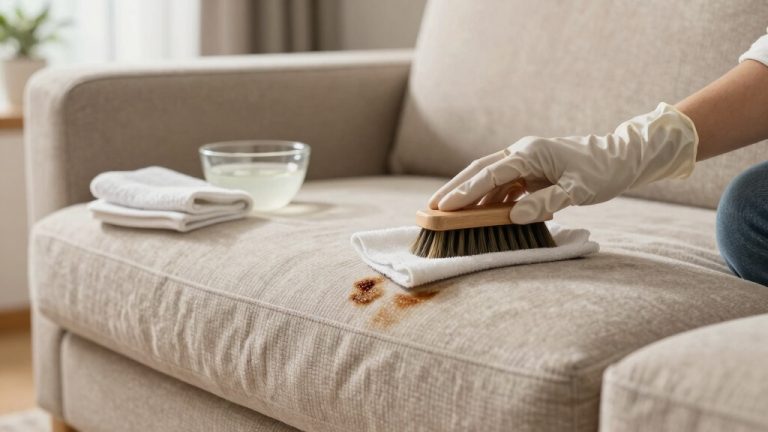
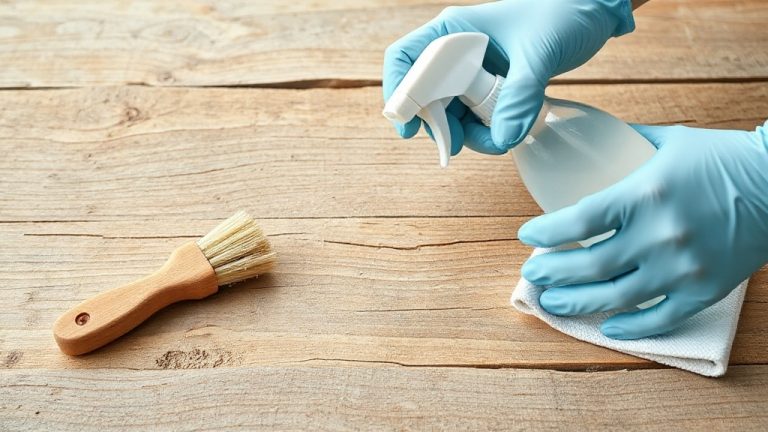
Since sisal fibers are highly sensitive to moisture, avoid saturating the rug. Instead, apply a mild soap solution or a specialized sisal cleaner sparingly to a clean cloth, never directly onto the rug.
For spot treatment, mix a few drops of dish detergent with warm water, testing first in an inconspicuous area to prevent discoloration.
Blot stains carefully, working from the outside inward without rubbing to avoid fiber damage.
Refrain from using harsh chemicals like ammonia or vinegar unless specifically tested. Always dry the treated area immediately to prevent mold or fiber distortion.
Maintaining minimal moisture and using precise, gentle solutions guarantees your sisal rug remains intact and visually appealing.
When selecting cleaning products, prioritize those that are pH-neutral and free from harsh chemicals to protect delicate natural fibers.
How to Use Dry Cleaning Methods on Sisal Rugs?
While gentle, minimally wet cleaning solutions are effective for spot treatments, dry cleaning methods offer a moisture-controlled alternative that protects sisal fibers from water damage.
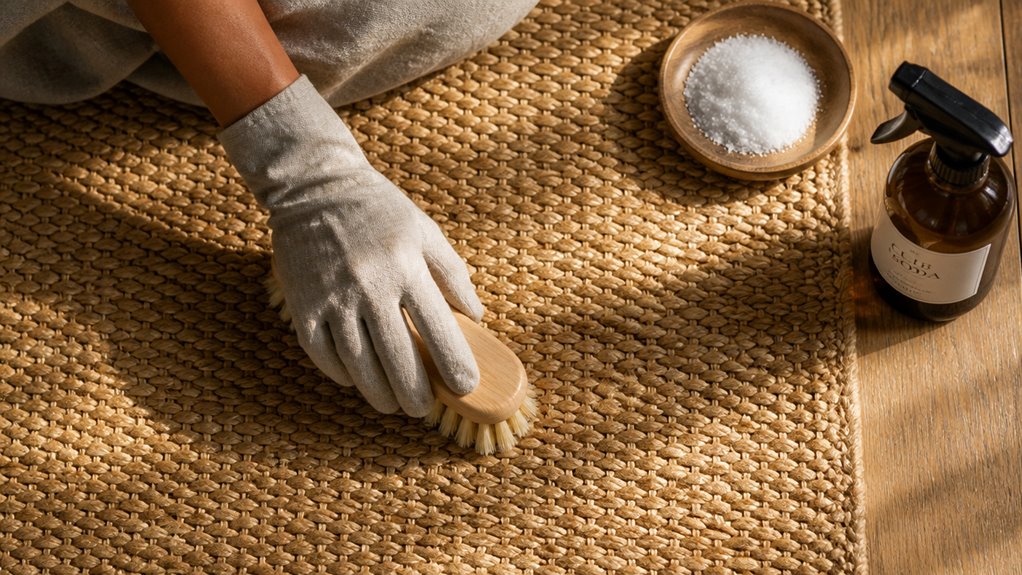
You can use dry cleaning powders like baking soda or cornmeal to lift dirt and odors without introducing moisture. Lightly sprinkle the powder over the rug, let it sit to absorb contaminants, then vacuum thoroughly.
For larger or more persistent stains, you might need multiple applications to draw out remaining residues. Key dry cleaning techniques include applying absorbent powders evenly and allowing sufficient dwell time.
Utilizing a strong suction vacuum to remove all powder and trapped dirt is essential. Consider specialized dry extraction cleaning, such as the HOST method, for deep soil removal.
These methods preserve the rug’s structural integrity while maintaining cleanliness. For effective odor control without moisture, enzyme-based cleaners provide deep urine breakdown that continues working even after application.
How to Dry and Care for Your Sisal Rug After Cleaning?
Ensuring thorough drying after cleaning is critical to maintaining your sisal rug’s condition and preventing mold or mildew growth. After spot treatment, dry the area immediately with a fan or hair dryer on low heat.
For larger wet spots, allow overnight drying in a well-ventilated space. Always verify the rug is completely dry before placing it back on the floor to avoid fiber distortion and microbial growth.
| Drying Method | Recommendation |
|---|---|
| Immediate Drying | Use hair dryer or fan on low heat |
| Overnight Drying | Ventilated area for large wet spots |
| Moisture Removal | Blot excess moisture with clean cloth |
| Placement | Keep rug in low-spillage, dry area |
Follow these steps precisely to preserve your sisal rug’s texture and longevity.
Frequently Asked Questions
Can I Use a Steam Cleaner on My Sisal Rug?
No, you shouldn’t use a steam cleaner on your sisal rug.
Sisal fibers don’t tolerate moisture well and steam cleaning saturates the rug, causing darkening, distortion, and potential mold growth.
Instead, focus on dry cleaning methods or spot-treat using minimal liquid applied to a cloth.
Immediate blotting of spills and thorough drying afterward are essential to maintain the rug’s integrity without risking water damage from steam cleaning.
How Do I Prevent My Sisal Rug From Fading in Sunlight?
To prevent your sisal rug from fading in sunlight, position it away from direct sunlight or use window treatments like UV-blocking curtains or blinds.
Rotate the rug regularly to guarantee even exposure.
You can also apply a UV-resistant spray designed for natural fibers, but always test it on a small area first.
Maintaining low light exposure preserves the rug’s natural color and fiber integrity, extending its lifespan and appearance.
Are There Any Specific Vacuum Brands Recommended for Sisal Rugs?
Looking for specific vacuum brands for your sisal rug? While no brand is exclusively recommended, you should choose a vacuum with strong suction but no beater bar, as agitation damages sisal fibers.
Models like the Miele Complete C3 or Dyson V11 are good options since they offer adjustable suction and gentle cleaning modes.
Remember to vacuum both sides and underneath regularly. This keeps dirt from embedding deeply without harming the delicate fibers.
How Do I Remove Pet Odors From a Sisal Rug?
To remove pet odors from your sisal rug, sprinkle baking soda or cornmeal lightly over the surface.
Let it sit for several hours to absorb odors and moisture.
Then vacuum thoroughly with strong suction, avoiding the beater bar.
For persistent smells, repeat the process or apply a mild soap solution sparingly on a cloth for spot treatment.
Dry immediately and ensure the rug is fully dry to prevent mold or mildew growth.
Can Sisal Rugs Be Professionally Cleaned?
Yes, sisal rugs can be professionally cleaned, but you should make sure the service specializes in natural fiber rugs.
Professionals often use dry cleaning methods like HOST dry extraction or dry powder cleaning to avoid moisture damage.
They apply minimal liquids and focus on gentle, non-aggressive techniques to protect fibers.
Always confirm the cleaner’s experience with sisal to prevent darkening, distortion, or mold caused by excessive water exposure during cleaning.
Sisal Rug Cleaning Tips for Long-Lasting Beauty and Durability
Caring for your sisal rug is like maintaining a finely tuned instrument. Precision and consistency matter.
Vacuum it regularly using gentle settings to avoid damage. Tackle spills promptly with safe cleaning solutions and rely on dry cleaning methods to preserve its natural fibers.
Always make certain your rug dries thoroughly to prevent mold and deterioration. By following these detailed steps, you’ll keep your sisal rug looking pristine and extend its lifespan with professional-level care.