
Best Way to Clean Iron: Remove Burn Marks & Stains Fast
To clean your iron safely, first unplug it and let it cool completely. Use a baking soda paste to gently scrub the soleplate, removing grime without damaging coatings.
For rust, rub lemon or use a vinegar-soaked cloth with salt. Clean the reservoir and vents with a vinegar-water mix to dissolve mineral buildup.
Then flush with distilled water. Store your iron upright with an empty tank to keep it in top shape. Explore more tips to maintain your iron’s steam quality and longevity.
Key Takeaways
- Unplug and cool the iron completely before cleaning to ensure safety and prevent electrical hazards.
- Use a baking soda paste to gently scrub the soleplate and remove tough residue without damaging coatings.
- Clean steam vents with a vinegar-water solution and a cotton swab to dissolve mineral deposits and maintain steam flow.
- Wipe the soleplate daily with a damp, soft cloth to prevent buildup and maintain smooth ironing.
- Store the iron upright in a dry area with an empty reservoir to avoid leaks and mineral buildup.
Prepare Your Iron for Safe Cleaning

Before you start cleaning your iron, make sure you unplug it and let it cool down completely to avoid burns or electrical hazards.
Set up your workspace on a heat-proof, dry surface away from flammable materials.
Check your manufacturer’s manual for any cleaning restrictions or recommended products.
Remove loose debris, lint, and fabric residue from the soleplate using a soft cloth or brush.
Wear protective gloves if you’ll handle chemicals or hot parts during the process.
Taking these safety steps helps prevent accidents and damage to your iron.
Proper preparation guarantees you can clean effectively without compromising your safety or the iron’s performance.
Stay organized and cautious, and you’ll have a smooth, efficient cleaning session every time.
Regular upkeep prevents clogs and extends iron performance.
Clean the Soleplate Using Baking Soda Paste
Once your iron is safely prepared and free of loose debris, you can focus on cleaning the soleplate using a baking soda paste.
Mix two parts baking soda with one part water to form a thick, non-gritty paste.
Combine two parts baking soda with one part water to create a thick, gentle paste for cleaning.
Apply it evenly across the soleplate using a damp microfiber cloth or soft sponge.
Let the paste sit for about 10 minutes if you’re dealing with heavy brown buildup; this loosens grime effectively.
Afterward, wipe the soleplate thoroughly with a fresh cloth dampened with water to remove all paste residue.
If you notice any leftover residue, repeat the application and scrubbing process.
This gentle method cleans without scratching and avoids harsh chemicals, keeping your iron’s soleplate smooth and ready for peak performance.
For best results, always rinse thoroughly and dry the soleplate immediately to prevent residue buildup and maintain optimal performance.
Remove Rust and Stubborn Stains Naturally
If you’re dealing with rust or stubborn stains on your iron’s soleplate, natural remedies can effectively restore its smooth surface without harsh chemicals.
Start by cutting a lemon in half and rubbing it firmly over rusty spots; the natural acidity helps break down oxidation.
Alternatively, soak a cotton towel in white vinegar, sprinkle salt on top, and press the hot iron over it repeatedly to lift stubborn buildup.
For cooled irons, gently use a damp Mr. Clean Magic Eraser to tackle persistent stains without scratching.
Avoid abrasive tools that can damage non-stick coatings.
After treating rust and stains, wipe the soleplate clean with a damp cloth to remove residue.
These natural methods maintain your iron’s efficiency while avoiding chemical exposure.
Be sure to rinse and dry the treated surface thoroughly to prevent rust from returning.
Clean the Reservoir and Steam Vents With Vinegar
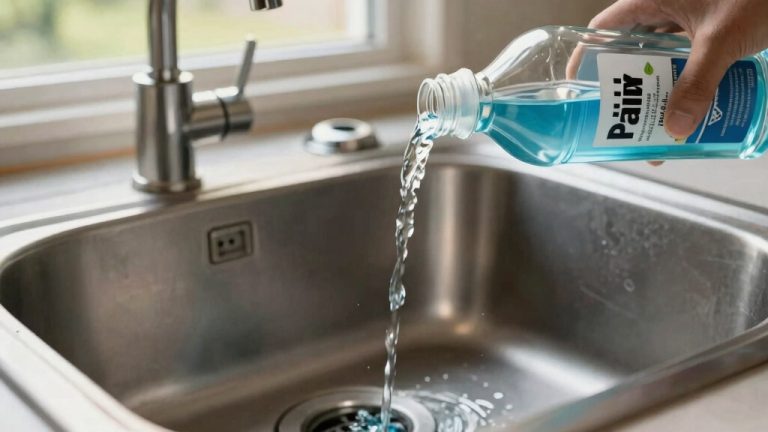
When you fill the reservoir with a 50/50 mix of distilled white vinegar and filtered water, you tackle limescale and mineral deposits inside your iron effectively.
Let this solution sit in the cold reservoir for 24 hours to dissolve buildup. After soaking, turn the iron on high and press the steam button repeatedly to push the vinegar mixture through the steam vents, clearing blockages.
Allow the solution to sit for 24 hours, then steam repeatedly to clear blockages.
For stubborn deposits, dip a cotton swab in the vinegar solution and gently clean each steam hole.
Once done, refill the reservoir with distilled water only and steam over an old cloth to flush out any remaining vinegar traces.
This vinegar treatment keeps your iron’s internal parts clean and guarantees consistent steam flow, extending its lifespan and improving performance.
Regular descaling with vinegar helps prevent mineral buildup and maintain optimal function, similar to the descaling procedure recommended for coffee makers.
Flush Your Iron to Keep Steam Flowing Smoothly
To keep your iron steaming smoothly, start by unplugging it and letting it cool completely before emptying any leftover water.
Next, refill the reservoir with pure distilled water to avoid introducing minerals that cause buildup.
Turn the iron on to the highest steam setting and press the steam button repeatedly, allowing steam to flow freely through the vents.
This flushes out any remaining vinegar or debris inside.
Press steam over an old piece of fabric to catch any excess moisture or residue.
If sputtering or clogging persists, repeat the distilled water flush.
For stubborn mineral deposits, consider using a nickel-safe descaler designed to dissolve scale without damaging metal components.
Finally, empty the reservoir once cool and store your iron upright with the cord loosely wrapped.
Regular flushing like this guarantees consistent steam flow and prolongs your iron’s lifespan.
Prevent Buildup With Regular Iron Care
You know, a little daily maintenance can go a long way with your iron. Just give it a quick wipe down every day to remove any residue before it has a chance to harden. It’s such a simple step!
Also, when you fill up the reservoir, make sure to use distilled water. This helps prevent those pesky mineral deposits from clogging up the steam vents. Trust me, it makes a difference!
And don’t forget about storage! Keeping your iron upright not only keeps the soleplate clean but also helps protect those internal components. It’s all about making sure your iron stays in top shape!
For optimal care, consider using a plant-based descaler to gently eliminate mineral buildup without damaging your iron’s internal parts.
Daily Wipe Down
Regularly wiping down your iron after each use prevents buildup and extends its lifespan. This simple habit keeps the soleplate clean and avoids residue that can damage fabrics or impair performance.
To maintain your iron daily, follow these tips:
Always unplug and let the iron cool completely before wiping. Use a damp, soft cloth to remove lint and fabric fibers from the soleplate.
Clean steam vents gently with a cotton swab to prevent clogging. Wipe the exterior with a dry cloth to remove dust and moisture.
Store the iron upright on a heat-proof surface to avoid contact with debris.
Be sure to pat surfaces gently rather than rubbing to protect delicate finishes on your iron.
Use Distilled Water
Frequently using distilled water in your iron prevents mineral buildup that can clog vents and damage the soleplate.
Unlike tap water, distilled water is free from minerals and impurities, reducing the risk of limescale deposits inside the reservoir and steam holes.
To maintain your iron’s performance, fill the water tank exclusively with distilled water.
This simple step extends the life of your iron and guarantees smooth steam flow, preventing sputtering and uneven heat distribution.
After each use, empty any leftover water to avoid stagnant buildup, and refill with fresh distilled water before your next ironing session.
Using distilled water also helps maintain the steam quality by avoiding contaminants that could affect the iron’s cleaning efficiency.
Store Upright Properly
When storing your iron, placing it upright prevents water from leaking and helps keep the soleplate and vents clean. This simple habit protects your iron from damage and buildup, extending its lifespan.
To care for your iron properly:
Always unplug and let it cool completely before storage.
Empty the water reservoir to avoid mineral deposits.
Store in a dry, stable area away from dust and moisture.
Wrap the cord loosely to prevent wire damage.
Wipe the soleplate gently with a damp cloth after each use to remove residue.
Using a neutral pH cleaner can help maintain your iron’s surfaces without causing damage.
Frequently Asked Questions
Can I Use Bleach to Clean My Iron?
You shouldn’t use bleach to clean your iron.
Bleach is too harsh and can damage the soleplate or internal components, causing corrosion or discoloration.
Instead, stick to gentler methods like baking soda paste for the soleplate or a vinegar-water mix for the reservoir and steam vents.
These options effectively remove buildup without risking damage.
Always check your iron’s manual for recommended cleaning agents to keep it functioning safely and efficiently.
How Often Should I Descale My Iron?
You should descale your iron every 1 to 3 months, depending on how often you use it and the hardness of your water.
If you notice sputtering steam or white residue inside the reservoir, it’s time to clean.
Regular descaling with a vinegar-water solution prevents mineral buildup, ensuring smooth steam flow and prolonging your iron’s life.
Don’t forget to flush thoroughly with distilled water afterward to avoid vinegar odors.
Is It Safe to Clean the Iron While It’s Still Warm?
You might think your iron’s warmth could melt the sun, but cleaning it while still warm isn’t safe.
Always unplug and let it cool completely before cleaning to avoid burns or damage.
Handling a hot iron can cause serious injury or ruin delicate parts.
Patience pays off; wait until it’s cool, then clean carefully for the best results and your safety.
Don’t rush this essential step.
What Should I Do if My Iron Leaks Water?
If your iron leaks water, first unplug it and let it cool completely.
Check the water reservoir for overfilling or cracks.
Empty the reservoir and refill it with distilled water only, avoiding tap water that causes buildup.
Run the steam function to flush out any clogs.
If leaking continues, clean the steam vents with a vinegar-water mix using a cotton swab.
Store the iron upright to prevent future leaks.
Can Homemade Cleaning Solutions Damage Non-Stick Soleplates?
You won’t want to risk giving your iron’s soleplate an unexpected makeover by using harsh homemade solutions.
While gentle pastes like baking soda mixed with water are generally safe, abrasive or acidic mixtures can subtly wear down the non-stick coating over time.
To keep your iron’s surface pristine, stick to mild, tested remedies and avoid scrubbing too hard.
Regular, careful cleaning preserves both performance and the soleplate’s smooth elegance.
Extend Your Iron’s Lifespan With Regular Maintenance
Think of your iron like a car. Regular tune-ups keep it running smoothly.
Just as neglecting oil changes can cause engine trouble, skipping cleaning allows buildup to clog your iron’s steam vents.
By prepping, scrubbing with baking soda, and flushing with vinegar, you maintain its performance and extend its life.
With these simple steps, you’ll keep your iron gliding effortlessly, saving time and avoiding frustrating snags every time you press your clothes.