
Does Dry Cleaning Remove Ink Stains: Can They Be Saved?
You can have some ink stains removed by dry cleaning, but success depends on the ink type, fabric, and how quickly you act.
Ballpoint and permanent marker inks may fade, while water-based inks often resist or spread.
Dry cleaning solvents don’t dissolve all ink types, especially once heat has set the stain.
Professionals use special solvents and spotting methods to improve results without damaging fabric.
Understanding these factors can help you better protect your clothes and enhance stain removal.
Key Takeaways
- Dry cleaning can partially remove some ballpoint and permanent marker inks but is often ineffective on water-based inks.
- Ink bonds chemically with fabric fibers, making removal difficult without targeted solvents.
- Heat exposure before cleaning can permanently set ink stains, reducing dry cleaning effectiveness.
- Professionals use specialized solvents and spotting techniques unavailable in home dry cleaning for better ink removal.
- Promptly informing cleaners about ink type and avoiding home treatments improves stain removal success.
Can Dry Cleaning Remove Ink Stains?

Dry cleaning can sometimes remove ink stains, but its effectiveness depends heavily on factors like the type of ink, fabric, and how quickly you treat the stain.
For example, ballpoint pen and some permanent marker inks may partially fade with professional dry cleaning, especially when addressed before the stain dries or is exposed to heat.
Acting quickly improves your chances since heat can permanently bond ink to fibers.
Dry cleaning professionals use specialized solvents and spotting techniques unavailable at home, increasing stain removal potential, particularly for dry-clean-only garments.
However, water-based inks often resist dry cleaning or may spread during treatment.
To optimize results, you should blot the stain gently, avoid heat exposure, and inform your cleaner about the ink type and prior attempts. This enables tailored solvent application and precise care.
For tougher or older stains, professional cleaning is often the best choice as they use specialized tools and solutions that penetrate stains without damaging fabrics.
Why Ink Stains Resist Dry Cleaning?
Because ink contains various chemical compounds designed to bond firmly with fabric fibers, removing these stains can be challenging even with professional cleaning methods.
Ink’s strong chemical bonds with fabric fibers make stain removal difficult, even for professionals.
Ink formulations often include pigments or dyes combined with solvents and binders that penetrate fibers deeply, creating strong molecular adhesion.
When ink dries, these bonds intensify, making solvent penetration difficult.
Additionally, dry cleaning solvents are typically non-polar, which limits their ability to dissolve water-based inks effectively.
Heat exposure before cleaning can cause ink molecules to fuse permanently with fibers, further resisting removal.
You should know that some ink types, like ballpoint or permanent marker inks, may respond better to dry cleaning, but results vary.
This chemical complexity and the interaction between ink and fabric explain why dry cleaning doesn’t always erase ink stains completely.
Immediate action such as blotting the stain promptly can help prevent permanent setting and improve the chances of successful removal.
Preparing Your Garment Before Dry Cleaning
Understanding the chemical complexity of ink and how it interacts with fabric fibers helps you prepare your garment effectively before taking it to the cleaner.
You should blot the stain gently, avoiding rubbing to prevent spreading. Place an absorbent cloth beneath the stain to catch excess ink.
Keep the garment away from heat, as heat can set the ink permanently. Inform the cleaner about the ink type and any home treatments you’ve tried.
Since heat is generally not recommended for ink stain removal due to potential damage, avoiding it is crucial when preparing your garment for cleaning with professional methods like chemical treatments.
| Step | Action | Purpose |
|---|---|---|
| 1 | Blot stain gently | Prevent ink spreading |
| 2 | Insert absorbent material | Absorb excess ink |
| 3 | Avoid heat exposure | Prevent ink from setting |
| 4 | Note ink type | Aid professional treatment |
| 5 | Avoid home solvents | Protect fabric from damage |
How Professionals Remove Ink Stains Effectively?
When professionals tackle ink stains, they combine specialized solvents and targeted spotting techniques that go beyond typical home remedies.
Professionals use specialized solvents and precise techniques that surpass common home stain removal methods.
They start by identifying the ink type and fabric composition to select the most effective solvent, such as isopropyl alcohol for ballpoint ink.
They carefully blot the stain to avoid spreading, placing absorbent materials beneath the fabric to prevent transfer.
Applying solvents precisely, they break down ink molecules without damaging fibers.
This step often precedes a controlled dry cleaning cycle, which uses chemical solvents rather than water to lift residual ink.
Professionals also avoid heat exposure before treatment, since heat can set stains permanently.
By working quickly and methodically, they maximize stain removal, although complete eradication isn’t guaranteed, especially for permanent inks.
This expertise greatly improves results compared to home attempts.
Using solvents with strong stain removal power helps dissolve ink effectively without harming upholstery.
Protecting Delicate Fabrics From Ink Damage
Professionals use specialized solvents and careful techniques to minimize ink damage during stain removal. However, delicate fabrics require additional precautions.
When you handle delicate materials like silk or wool, avoid harsh chemicals and aggressive rubbing that can weaken fibers or cause color loss. Instead, blot gently with a clean, absorbent cloth and place a protective barrier under the stain to prevent ink transfer.
Keep the fabric away from heat sources, as heat can set the stain permanently. Inform your cleaner about the ink type and any prior treatments to tailor solvent selection appropriately.
Since dry-clean-only garments risk damage from home treatments, prompt professional intervention is critical. By following these measures, you reduce the risk of fabric deterioration while maximizing the chances of effective ink stain removal.
Additionally, acting promptly and avoiding aggressive rubbing are essential to protect the fabric’s delicate fibers and prevent worsening of the stain.
Frequently Asked Questions
Can Ink Stains Return After Dry Cleaning?
Can ink stains return after dry cleaning? Yes, they can.
Dry cleaning often reduces or partially removes ink stains, but it doesn’t guarantee complete elimination.
Residual ink trapped in fibers may reappear, especially if the stain wasn’t fully treated initially or if heat sets the ink later.
You should act quickly, avoid heat, and inform your cleaner about the ink type to improve removal chances and minimize recurrence.
Are There Home Remedies to Try Before Dry Cleaning?
Yes, you can try home remedies before dry cleaning. Blot the ink gently with a clean cloth to avoid spreading.
Use isopropyl alcohol or a mixture of dish soap and water on an inconspicuous area, testing fabric compatibility first.
Avoid rubbing or heat, which set stains. Place absorbent material under the stain to prevent transfer.
If your garment is dry-clean-only, limit home treatment to blotting and seek professional cleaning promptly to avoid damage.
How Long Should I Wait Before Dry Cleaning Ink Stains?
You shouldn’t wait long. Think of treating ink stains like catching smoke before it spreads. Act within hours, ideally the same day, to improve dry cleaning success.
The longer you delay, the more the ink bonds to fibers, especially if exposed to heat. Blot gently without rubbing, keep the fabric cool, and get it to the cleaner quickly.
Prompt action maximizes your chances of effective stain removal.
Does Fabric Color Affect Ink Stain Removal Success?
Yes, fabric color can affect ink stain removal success.
Dark or richly colored fabrics may mask stains better but complicate treatment. Aggressive solvents risk color fading or bleeding.
Light-colored fabrics show stains more clearly, making precise spotting easier. However, they’re prone to discoloration from cleaning agents.
You’ll need a professional cleaner who balances effective ink removal with preserving the fabric’s original color to avoid damage or uneven fading.
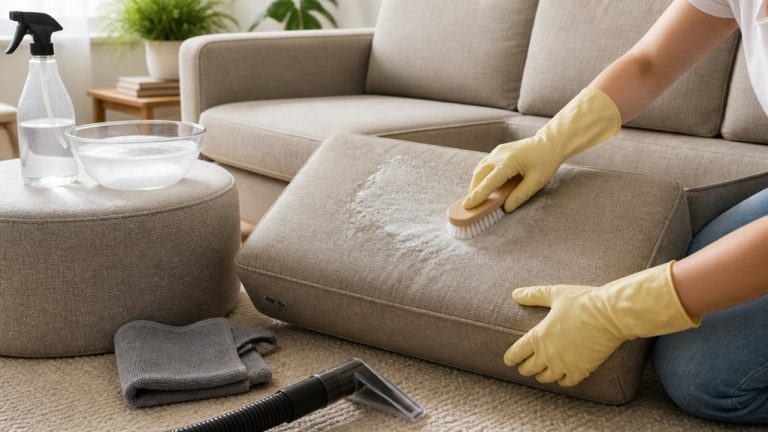
Can Dry Cleaning Remove Ink Stains From Upholstery?
You might think dry cleaning won’t work on upholstery, but it can sometimes remove ink stains effectively.
Success depends on the ink type, fabric material, and how quickly you act.
Professional cleaners use specialized solvents and spotting methods tailored for upholstery, which home treatments can’t match.
Just remember, fresh stains respond best, and complete removal isn’t guaranteed.
Prompt, expert intervention improves your chances markedly.
Improve Your Chances of Removing Ink Stains
Dry cleaning can remove ink stains, but it’s not always guaranteed, much like trying to erase pencil marks on rough paper.
You’ll need to prepare your garment properly and trust professionals who use specialized solvents and techniques.
They target the ink without harming delicate fabrics.
Remember, early treatment and clear communication with your cleaner increase your chances of success, ensuring your clothes stay as pristine as possible after ink mishaps.