Best Way to Clean Bath Toys: Safe & Easy Cleaning Guide
To keep bath toys safe, squeeze out trapped water after each use and air dry them in a well-ventilated spot.
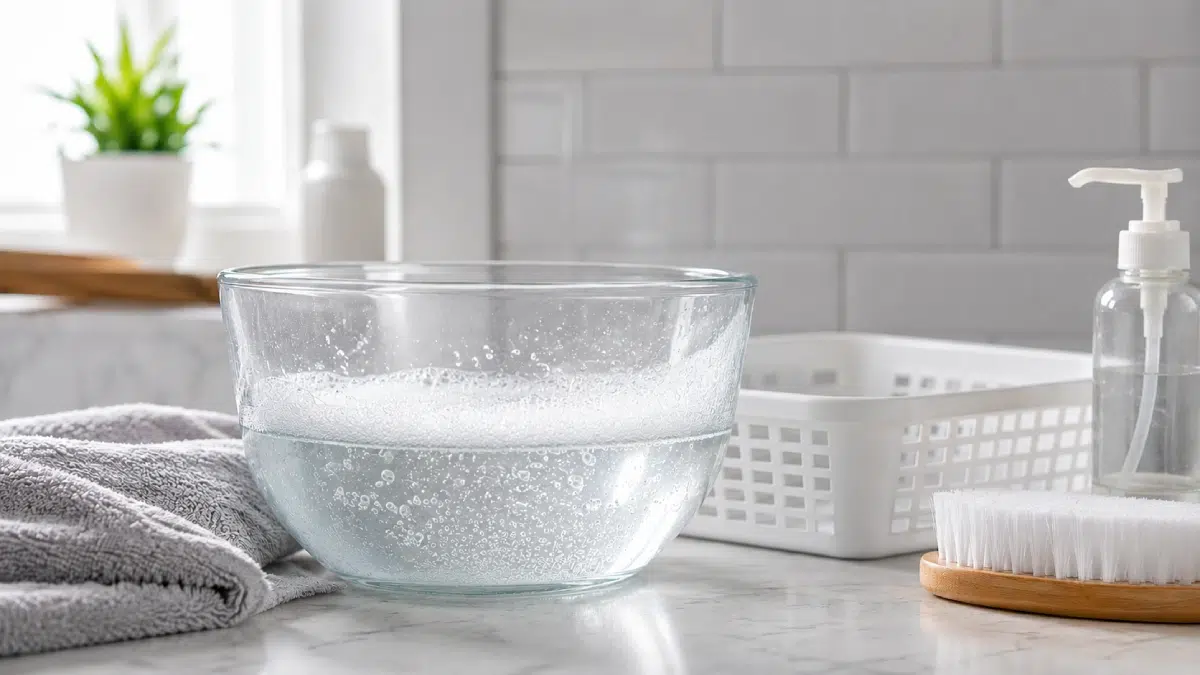
Clean toys weekly by soaking in warm soapy water, scrubbing with a bottle brush, then rinsing and drying thoroughly.
For deeper disinfecting, use vinegar soaks or a diluted bleach bath following safety steps.
You can also boil heat-safe toys or use the dishwasher for a quick clean.
Stay consistent, and you’ll protect your child from mold and bacteria while extending toy life.
More proven tips await to maximize cleanliness and safety.
Key Takeaways
- Regularly squeeze and shake toys to remove trapped water and prevent mold growth after each bath.
- Soak toys weekly in warm water with dish soap, then scrub with a bottle brush to clean crevices.
- Use vinegar or hydrogen peroxide soaks for deep, non-toxic disinfection and mold removal.
- Boil heat-safe rubber or silicone toys for 3–5 minutes to sanitize without damaging them.
- Air dry toys completely in a ventilated area; avoid storing damp toys to prevent bacteria buildup.
Why You Should Clean Bath Toys Regularly?
Regularly cleaning bath toys is essential because they provide a perfect environment for mold, mildew, and bacteria to thrive.
When bath toys remain wet and unclean, these harmful microorganisms can multiply inside and on the surface, posing health risks to your child.
You’ll want to prevent infections, skin irritations, and respiratory issues that can result from exposure to these contaminants.
By maintaining a consistent cleaning routine, you protect your child’s health and extend the lifespan of the toys.
Even if toys look clean, invisible bacteria can persist inside hollow spaces.
You should also be mindful that some children, especially those with weakened immune systems, are more vulnerable to these risks.
Keeping bath toys clean isn’t just about hygiene; it’s about ensuring safe and enjoyable bath time.
Using an enzyme-based cleaner can effectively break down organic buildup and odors, ensuring a deeper clean that is safe for children.
How to Remove Trapped Water From Bath Toys After Every Use?
After every bath, it’s super important to squeeze out all that trapped water from your hollow toys. This helps prevent mold from growing, which we definitely want to avoid!
Give those toys a good shake, too. Sometimes, moisture can hide in tight spots, and shaking them vigorously can help get rid of that pesky water.
Once you’ve done that, find a nice, well-ventilated spot to let the toys air dry completely. This way, they’ll be ready to go for next time! Before you store them away, just make sure they’re fully dry.
Maintaining proper ventilation during drying is essential to prevent mold regrowth and keep the toys safe.
Squeeze Out Water
Squeeze every drop of trapped water from hollow bath toys immediately after use to prevent mold and mildew growth.
Start by firmly compressing the toy to expel as much water as possible through any openings.
Repeat this process several times, alternating pressure to reach all internal areas.
For toys with small holes, gently insert a finger or a thin tool to help push out stubborn water.
After squeezing, rinse the toys thoroughly with fresh water to flush out any remaining soap or debris.
Finally, place the toys in a well-ventilated area to air dry completely.
To minimize mold risk, consider treating toys occasionally with diluted white vinegar as a natural prevention method.
Shake Moisture Away
Once you’ve expelled as much water as possible from your bath toys, the next step is to shake out any remaining moisture trapped inside.
Hold each toy firmly and shake it vigorously to dislodge water hiding in small crevices and hollow spaces. This action helps prevent mold and mildew buildup by removing internal dampness that squeezing alone can’t reach.
Pay special attention to toys with narrow openings or complex shapes, as they tend to retain more water. Shaking also speeds up the drying process by minimizing residual moisture.
Make it a habit to perform this step immediately after each bath to maintain your toys’ cleanliness and hygiene, ensuring a safer play environment for your child every time.
To further reduce the risk of mold, consider thoroughly drying toys in a well-ventilated area to prevent moisture damage.
Air Dry Properly
Regularly placing your bath toys in a well-ventilated area allows trapped moisture to evaporate fully, preventing mold and mildew growth.
After every bath, make sure to squeeze out all water from hollow toys and shake them vigorously to dislodge lingering moisture.
Then, position the toys on a dry towel or hang them in an open space where air circulates freely.
Never cover them or place them in damp spots.
To air dry your bath toys effectively:
- Squeeze and shake out excess water thoroughly.
- Lay toys flat on a clean towel or hang them in a ventilated area.
- Avoid stacking or covering toys to allow complete airflow.
Following these steps guarantees your toys dry completely, reducing bacteria buildup and keeping them safe for your child’s next bath. It is also important to ensure proper ventilation to prevent mold growth and maintain a healthy environment.
Weekly Cleaning: Soap and Brush Step-by-Step
Typically, you’ll want to dedicate some time each week to thoroughly clean bath toys using soap and a brush.
Start by filling a basin with warm water and adding a few drops of dish soap.
Submerge the toys and let them soak for 5 to 10 minutes to loosen grime.
Then, scrub the exterior and interior openings with a small bottle brush, paying special attention to nooks and crevices.
For hollow toys, squeeze soapy water in and out repeatedly to rinse inside.
After scrubbing, rinse each toy thoroughly with clean water to remove all soap residue.
Finally, squeeze out excess moisture and lay the toys flat in a well-ventilated area to air dry completely before the next use.
For tough organic residues, consider using enzyme-based cleaners that break down organic matter at the molecular level for more effective cleaning.
Using Vinegar Soaks to Safely Disinfect Bath Toys
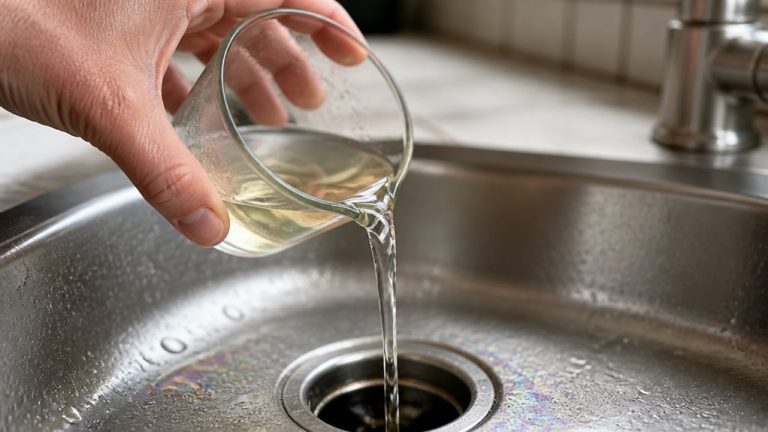
You know, disinfecting bath toys doesn’t have to be a hassle. A great way to do it’s by soaking them in a vinegar solution. Vinegar is fantastic because it naturally breaks down mold, mildew, and bacteria, all without using any harsh chemicals.
Just grab some white distilled vinegar and mix it with warm water in equal parts. Then, simply submerge the toys completely in that solution for about an hour. This ensures they get a thorough clean.
Once the time’s up, make sure to rinse them really well. After that, just let them air dry completely before your little ones dive back in. Easy peasy!
However, it is important to test vinegar on a small area first to avoid any potential damage to certain toy materials.
Vinegar Soak Benefits
Soaking bath toys in a vinegar solution effectively breaks down mold, mildew, and bacteria without exposing your child to harsh chemicals.
Vinegar’s natural acidity targets harmful buildup, making it a safe and eco-friendly disinfectant.
When you use vinegar soaks, you’ll notice these key benefits:
- Deep cleaning: Vinegar penetrates crevices and hollow parts, dissolving grime that regular rinsing misses.
- Non-toxic: Unlike bleach or chemical cleaners, vinegar leaves no harmful residues, ensuring toys are safe for kids.
- Cost-effective: White distilled vinegar is inexpensive and readily available, making it an easy choice for regular maintenance.
For stubborn buildup, combining vinegar soaks with physical techniques like gentle scrubbing can enhance cleaning effectiveness while keeping the toys safe.
Proper Soaking Technique
When disinfecting bath toys with vinegar soaks, it’s essential to follow a precise technique to guarantee thorough cleaning and safety.
Start by mixing equal parts of white distilled vinegar and warm water in a container large enough to fully submerge the toys. Immerse the toys completely, making certain hollow items fill with the solution to reach internal surfaces.
Let them soak for 60 minutes to effectively break down mold, mildew, and bacteria. After soaking, rinse each toy with cool water to remove any acidic residue.
Finally, lay the toys flat on a towel and allow them to air dry entirely before storing. This method guarantees safe disinfection without harsh chemicals, preserving your child’s bath toys and maintaining hygiene.
To enhance the cleaning process, consider using hydrogen peroxide as a natural disinfectant to boost mold and mildew removal safely.
Safely Using Bleach to Sanitize Bath Toys
Although bleach is a powerful disinfectant, you must handle it carefully to sanitize bath toys safely.
Start by mixing 3/4 cup of bleach with one gallon of cold water in a well-ventilated area. Fully submerge the toys, making sure hollow ones fill with the solution.
Let them soak for exactly 5 minutes to guarantee effective disinfection without damage.
After soaking, follow these steps:
- Squeeze hollow toys thoroughly to expel all bleach solution.
- Rinse each toy twice with clean water to remove any bleach residue.
- Air dry toys completely in a ventilated space before use or storage.
Proper ventilation and drying after sanitizing are essential to prevent moisture retention and mold growth on bath toys.
How to Boil Bath Toys Safely?
If you want to eliminate bacteria and mold effectively, boiling bath toys is a reliable method, provided you follow safety precautions carefully. Only boil toys made of solid rubber or silicone. Avoid those with electronic parts or hollow interiors that trap water.
Boil for 3 to 5 minutes. Use tongs to remove the toys to prevent burns. Let them air dry completely on a towel.
| Step | Action | Tip |
|---|---|---|
| Prepare | Fill pot, bring water to boil | Use a large stock pot |
| Boil | Submerge heat-safe toys 3–5 min | Avoid plastic or hollow toys |
| Cool & Dry | Remove with tongs, air dry | Lay flat on a clean towel |
Boiling kills germs without chemicals, but safety is key.
Dishwasher and Washing Machine Cleaning for Bath Toys
Regularly cleaning bath toys in your dishwasher or washing machine offers a convenient way to maintain hygiene without extra effort.
To protect your toys and get the best results, follow these steps:
- Place small bath toys in a mesh laundry bag to keep them secure and prevent loss during the wash cycle.
- Run the dishwasher on a hot or sanitize cycle, placing toys only on the top rack to avoid heat damage. Skip the high-heat drying setting to preserve their shape.
- For fabric bath toys, use a washing machine’s regular cycle with standard detergent. This ensures toys are thoroughly cleaned without harsh agitation.
This method efficiently kills bacteria and loosens grime while saving you time and effort in maintaining clean bath toys.
Tips to Keep Bath Toys Mold-Free Between Cleanings
To keep bath toys mold-free between cleanings, always ensure they dry completely after each use.
Squeeze out all trapped water from hollow toys immediately, then rinse them thoroughly with fresh water.
Shake toys vigorously to expel moisture from hard-to-reach areas.
Afterward, place them in a well-ventilated spot to air dry without covering.
For extra protection, wipe toy surfaces with disinfectant wipes, especially if children have weakened immune systems.
Avoid storing damp toys in closed containers or bags, as these encourage mold growth.
By following these simple daily steps, you’ll substantially reduce mold buildup and keep bath toys safe and clean until your next deep cleaning session.
Consistent drying and moisture removal are your best defenses against mold and mildew.
Frequently Asked Questions
Can I Use Essential Oils to Freshen Bath Toys?
You can use essential oils to freshen bath toys, but you need to be cautious. Essential oils don’t disinfect or kill bacteria effectively, so rely on proper cleaning first.
Add a few drops of kid-safe oils like lavender or tea tree to water for a gentle scent after cleaning. Avoid applying oils directly on toys or using strong oils that might irritate sensitive skin.
Always rinse toys thoroughly afterward to prevent residue buildup.
How Often Should I Replace Bath Toys Entirely?
You should replace bath toys entirely every 6 to 12 months, depending on their condition and frequency of use.
If you notice cracks, persistent mold, or an unpleasant odor that won’t go away despite thorough cleaning, it’s time to toss them.
Regular replacement helps prevent bacteria buildup and protects your child’s health.
Always inspect toys frequently, and don’t hesitate to replace them sooner if they show wear or damage.
Are All Bath Toys Safe to Boil Clean?
Not all bath toys can take the heat of boiling water.
You shouldn’t boil toys made of plastic with hollow parts or those containing electronic components, as they might melt or get damaged like a snowflake in a furnace.
Only heat-safe toys made from solid rubber or silicone can handle 3 to 5 minutes of boiling.
Always check the manufacturer’s guidelines to avoid ruining your child’s favorite bath buddy while sanitizing.
Can Bath Toys Cause Allergies in Children?
Yes, bath toys can cause allergies in children, especially if they harbor mold, mildew, or bacteria.
You mightn’t realize that trapped moisture inside hollow toys creates a breeding ground for allergens.
To protect your child, regularly squeeze out water, clean toys thoroughly, and disinfect them often.
Using vinegar soaks or bleach solutions can reduce allergen buildup.
Staying vigilant helps prevent allergic reactions linked to dirty bath toys.
What Materials Are Best for Mold-Resistant Bath Toys?
You should choose bath toys made from solid silicone, rubber, or hard plastic since these materials resist mold growth better.
Avoid hollow toys that trap water, as moisture encourages mold. Silicone is especially durable and easy to sanitize.
Look for toys labeled BPA-free and non-toxic to guarantee safety.
Protect Your Family With Regular Bath Toy Cleaning
Did you know that 70% of bath toys tested harbor harmful bacteria?
Regular cleaning isn’t just a good idea; it’s essential.
By removing trapped water, scrubbing weekly, and occasionally disinfecting with vinegar or bleach, you’ll keep your child’s toys safe and mold-free.
Boiling or using your dishwasher can also be effective for a deeper clean.
Stick to these simple steps, and you’ll protect your family from hidden germs while keeping bath time fun and hygienic.