
Commercial Restroom Cleaning Checklist: Daily Cleaning Tasks
A commercial restroom cleaning checklist includes essential daily tasks like cleaning toilets, sinks, and high-touch surfaces.
You’ll want to focus on disinfecting door handles, faucets, and mirrors while ensuring floors are mopped and free of debris.
Don’t forget to check and restock supplies such as soap and paper towels regularly. Use quality, eco-friendly products for safety and effectiveness.
Following these systematic steps guarantees cleanliness and user satisfaction. There’s more to discover on maintaining ideal hygiene.
Key Takeaways
- Conduct daily cleaning of toilets, sinks, and floors, ensuring all surfaces are disinfected and sanitized effectively.
- Focus on high-touch surfaces by regularly disinfecting door handles, flush handles, and faucet levers for enhanced hygiene.
- Utilize quality cleaning products, including eco-friendly options, for effective sanitation and user safety.
- Maintain a restocking schedule for essential supplies like toilet paper and soap to ensure availability.
- Perform a final inspection to confirm cleanliness, supply levels, and overall restroom presentation.
Essential Daily Cleaning Tasks for Commercial Restrooms

To maintain a clean and hygienic environment, you must prioritize essential daily cleaning tasks in commercial restrooms. Start by thoroughly cleaning toilets, urinals, sinks, and countertops. Use appropriate cleaners to remove visible soil, then disinfect surfaces to guarantee effective sanitation.
Prioritize daily cleaning tasks in commercial restrooms, ensuring thorough sanitation of toilets, sinks, and surfaces for a hygienic environment.
Don’t forget to clean mirrors and polish metal fixtures for a polished finish.
Sweep and mop the floors using disinfectant, starting from the farthest point and moving toward the exit. Replace trash can liners and empty the bins to eliminate odors.
During each cleaning cycle, refill soap, paper towels, and toilet paper as needed.
Finally, inspect all fixtures for leaks or malfunctions, confirming everything is in order before reopening the restroom to users. Additionally, using non-abrasive cleaners helps maintain surface integrity and prevents damage during routine cleaning.
High-Touch Surface Disinfection in Restrooms
Focusing on high-touch surfaces is essential for maintaining hygiene in commercial restrooms.
Start by disinfecting door handles, stall latches, and flush handles, as these are frequently contacted by users.
Don’t forget faucet handles, dispenser levers, push plates, railings, and light switches.
Thoroughly disinfect countertops, stall doors, and dispenser fronts, ensuring you follow the disinfectant label instructions for dwell time.
Spot disinfection should be prioritized for the most frequently touched surfaces.
Always remove visible soil before applying disinfectants for maximum effectiveness.
Regularly review cleaning logs to track your completion of these tasks, ensuring every high-touch surface receives the attention it needs daily.
This systematic approach helps prevent the spread of germs and maintains a safe restroom environment for everyone.
Use EPA-approved disinfectant wipes that kill 99.9% of viruses and bacteria within 15 seconds to maximize sanitation effectiveness.
Effective Techniques for Toilets and Urinals
When it comes to cleaning toilets and urinals, choosing the right products really makes a difference. You don’t want to just grab anything off the shelf; the right bowl cleaners are key to getting the job done effectively.
And let’s not forget about scrubbing techniques! It’s not just about applying the cleaner; you need to scrub properly to ensure everything is sanitized.
By paying attention to these details, you can keep commercial restrooms looking and feeling fresh.
Essential Cleaning Products
Effective cleaning of toilets and urinals requires a targeted approach using the right products and techniques. Start with a high-quality bowl cleaner specifically designed to tackle tough stains and mineral buildup.
Use a disinfectant suitable for restroom surfaces, guaranteeing it meets EPA guidelines. For exterior surfaces, a non-abrasive cleaner will effectively remove dirt without causing damage. Don’t forget a reliable descaler for those stubborn lime and calcium deposits.
When selecting products, always check labels for compatibility with your fixtures. Equip yourself with microfiber cloths for a streak-free finish and gloves for protection.
Make sure to follow manufacturer instructions for dwell times to assure maximum effectiveness. Consider using automatic toilet cleaner tablets placed in the tank to maintain continuous cleaning and reduce manual scrubbing frequency.
This systematic approach will lead to a cleaner, more hygienic restroom environment.
Proper Scrubbing Techniques
To achieve maximum cleanliness in toilets and urinals, start by applying the appropriate bowl cleaner directly to the interior surfaces.
Let it sit for a few minutes to break down grime. Next, use a toilet brush with firm bristles to scrub the bowl, focusing on under the rim and any stains.
For urinals, employ a similar technique, guaranteeing you scrub the drainage area thoroughly.
After scrubbing, flush both toilets and urinals to rinse away the cleaner.
Don’t forget to wipe down exterior surfaces, including the seat and surrounding areas, with a disinfectant.
Finally, inspect the fixtures for operation and cleanliness.
This systematic approach guarantees a hygienic restroom environment that promotes health and satisfaction.
For maintenance and to prevent buildup, consider using enzyme-based cleaners periodically to keep drains clear and odor-free.
Best Practices for Sinks, Counters, and Mirrors
While maintaining cleanliness in commercial restrooms, prioritize sinks, countertops, and mirrors as essential areas that require consistent attention.
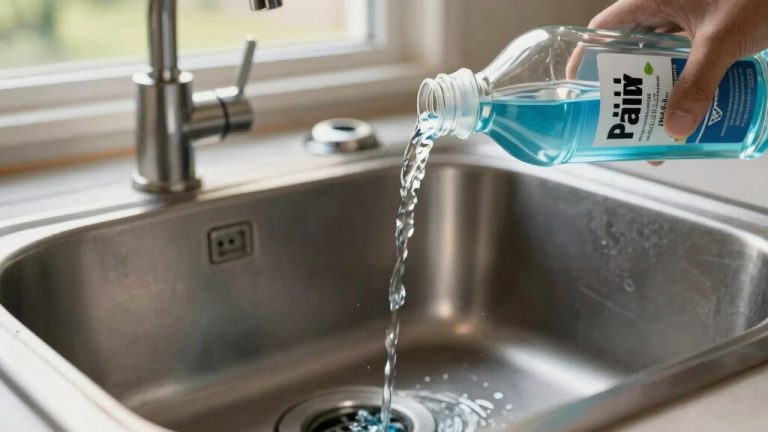
Start by using non-abrasive cleaners for sinks and countertops to eliminate soap scum and hard-water stains.
Wipe mirrors and glass surfaces with a microfiber cloth to avoid streaks.
Remember to polish metal fixtures for a clean finish.
Regularly check and clean surrounding areas, including dispensers and vanity edges, to guarantee overall hygiene.
Using eco-friendly formulations ensures safety for both users and the environment during cleaning.
| Task | Frequency | Cleaning Solution |
|---|---|---|
| Scrub sinks | Daily | Non-abrasive cleaner |
| Wipe mirrors | Daily | Glass cleaner |
| Polish fixtures | Daily | Metal polish |
| Clean countertops | Daily | Disinfectant |
| Check dispenser areas | Daily | Disinfectant |
Floor Care and Odor Control
Maintaining cleanliness in the restroom goes beyond sinks and mirrors; floor care and odor control are equally essential for a hygienic environment.
Start by emptying trash cans and replacing liners to prevent odors. Sweep the floors to remove debris, then mop with a disinfectant, guaranteeing you begin at the farthest point and work your way toward the exit.
Always place wet-floor signage for safety. After mopping, address lingering odors with appropriate air fresheners or odor-neutralizing products.
Regularly inspect for any spills or stains, and treat them promptly to maintain a fresh atmosphere. Consistent attention to these details guarantees a clean, inviting restroom that meets hygiene standards and enhances user satisfaction.
Using products with anti-static properties can also help reduce dust accumulation on restroom surfaces, contributing to a cleaner environment.
How to Restock Supplies in Commercial Restrooms?
To keep your restroom clean and functional, it’s super important to regularly restock essential supplies like soap, paper towels, toilet paper, and seat covers. You definitely don’t want to run out of these things when someone really needs them!
A great way to handle this is by establishing a restocking frequency based on how often your restroom is used. This way, you can ensure that everything is always ready for visitors.
Plus, with a systematic approach, you’ll be able to prevent any shortages and really enhance the overall restroom experience. Trust me, a well-stocked restroom goes a long way!
Essential Restroom Supplies List
Restocking essential restroom supplies is crucial for maintaining hygiene and guaranteeing a positive experience for users. Regularly checking and replenishing these items helps prevent shortages and keeps your restroom functional.
Here’s a concise list of must-have supplies:
- Toilet paper
- Paper towels
- Liquid soap or hand sanitizer
- Seat covers
- Feminine hygiene products
Make certain to inspect each supply during your cleaning routine. When you find items running low, replace them immediately to maintain a sanitary environment.
Keeping these essentials stocked enhances user satisfaction and reflects your commitment to cleanliness and care in your facility.
Always prioritize quality supplies that meet health standards to promote ideal hygiene practices. Additionally, consider using plant-based ingredients in cleaning products to ensure a safer, non-toxic environment for all users.
Restocking Frequency Guidelines
Keeping restroom supplies stocked is essential for guaranteeing user satisfaction and hygiene. To maintain a well-functioning restroom, check supplies daily, especially soap, toilet paper, paper towels, and seat covers.
Restock these items whenever they dip below a quarter of their capacity. In high-traffic areas, consider restocking multiple times a day.
During your cleaning routine, inspect dispensers and refill as needed.
Weekly, assess additional items like feminine hygiene products and air fresheners to confirm they’re adequate.
Maintain a restocking log to track usage patterns and anticipate needs better.
Always prioritize safety by using personal protective equipment when handling supplies.
This systematic approach will help keep restrooms clean, stocked, and ready for users at all times.
Final Inspection for Clean Commercial Restrooms
A thorough final inspection is essential for guaranteeing clean commercial restrooms meet hygiene standards.
You’ll want to systematically evaluate every aspect of the restroom before reopening it to the public.
Focus on these key items:
- Check that all high-touch surfaces are disinfected.
- Confirm restroom supplies, like soap and paper towels, are fully stocked.
- Inspect for any leaks or broken fixtures.
- Ascertain floors are dry and free from hazards.
- Verify that the overall appearance is tidy and inviting.
Frequently Asked Questions
What Cleaning Products Are Safe for Sensitive Environments?
For sensitive environments, use eco-friendly, non-toxic cleaning products like hydrogen peroxide, vinegar, or baking soda.
These options effectively disinfect without harmful chemicals. Look for cleaners labeled “green” or “low VOC” to minimize irritants.
Always read labels to verify compatibility with surfaces. Additionally, consider fragrance-free products to avoid allergic reactions.
By selecting safe cleaners, you create a healthier space while maintaining high hygiene standards.
Regularly assess your cleaning supplies for safety compliance.
How Can I Effectively Reduce Restroom Odors Daily?
To effectively reduce restroom odors daily, start by thoroughly cleaning all surfaces with disinfectants, focusing on high-touch points and corners.
Make sure you empty trash cans regularly and replace liners.
Use air fresheners or odor-neutralizing products strategically throughout the space.
Maintain proper ventilation by keeping exhaust fans running or windows open when possible.
Finally, address any plumbing issues promptly to prevent lingering odors from drains or leaks.
Regular inspections help identify problem areas.
What Are the Best Practices for Restroom Cleaning During Peak Hours?
To effectively clean restrooms during peak hours, prioritize swift, targeted tasks.
Focus on high-touch surfaces like door handles and faucets, using disinfectant wipes for quick sanitation.
Regularly empty trash cans to prevent overflow and odors.
Keep supplies stocked and accessible.
Consider scheduling brief cleaning intervals, ensuring minimal disruption.
Always maintain visibility by using wet-floor signage.
Perform a final inspection to confirm cleanliness and restock essentials before the next rush.
How Often Should Deep Cleaning Be Scheduled?
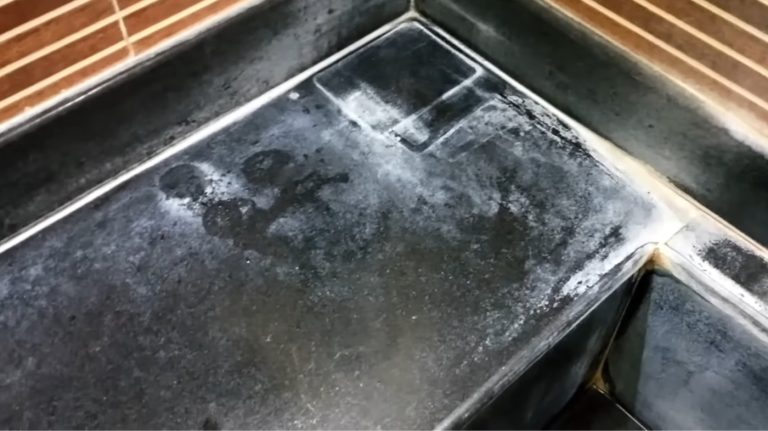
You should schedule deep cleaning every week or at least monthly, depending on restroom usage. This guarantees thorough attention to grout, partitions, and fixtures that regular cleaning might miss.
While you’re at it, don’t forget to inspect high-touch surfaces for extra disinfection.
Maintaining this routine not only enhances hygiene but also prolongs the lifespan of your facilities, creating a cleaner, more inviting environment for everyone who uses the restroom.
What Personal Protective Equipment Is Recommended for Restroom Cleaners?
When cleaning restrooms, you should wear personal protective equipment (PPE) like gloves, masks, and goggles.
Gloves protect your hands from harsh chemicals and contaminants. Masks safeguard against inhaling fumes or pathogens. Goggles provide eye protection, especially when using strong disinfectants.
Additionally, consider wearing non-slip footwear for safety.
Always verify your PPE fits properly and is in good condition to maintain your safety and effectiveness during cleaning tasks.
Conclusion: Creating a Cleaner Commercial Restroom Environment
To summarize, maintaining a pristine commercial restroom is like orchestrating a symphony of cleanliness and comfort.
By diligently following this checklist, you guarantee each element harmonizes, creating a welcoming environment for all who enter.
Regularly tackling high-touch surfaces, toilets, sinks, and floors not only upholds hygiene standards but also elevates the overall experience.
So, embrace these best practices and let your restrooms shine like polished gems, reflecting your commitment to excellence in every detail.