Is Drano Safe for Septic Systems: Common Myths and Facts
You shouldn’t use Drano in your septic system because its harsh chemicals can damage your pipes and kill the beneficial bacteria essential for breaking down waste.
The lye and bleach cause intense heat and disrupt microbial balance, leading to pipe cracks and system failure. Even small amounts pose risks you can’t ignore.
Instead, safer alternatives like enzyme-based treatments protect your septic health. Understanding why Drano is harmful helps you make better maintenance choices.
Key Takeaways
- Drano contains harsh chemicals that damage pipes and disrupt septic bacterial balance, making it unsafe for septic systems.
- The lye and bleach in Drano kill beneficial bacteria essential for organic waste digestion in septic tanks.
- Heat generated by Drano’s chemical reaction can weaken PVC and metal plumbing, increasing risk of leaks and costly repairs.
- Even small amounts of Drano can harm septic system microbes, accelerating waste buildup and risking system failure.
- Safer alternatives include enzyme-based treatments and mechanical methods specifically designed for septic system maintenance.
Why Using Drano Can Harm Your Septic System and Pipes?

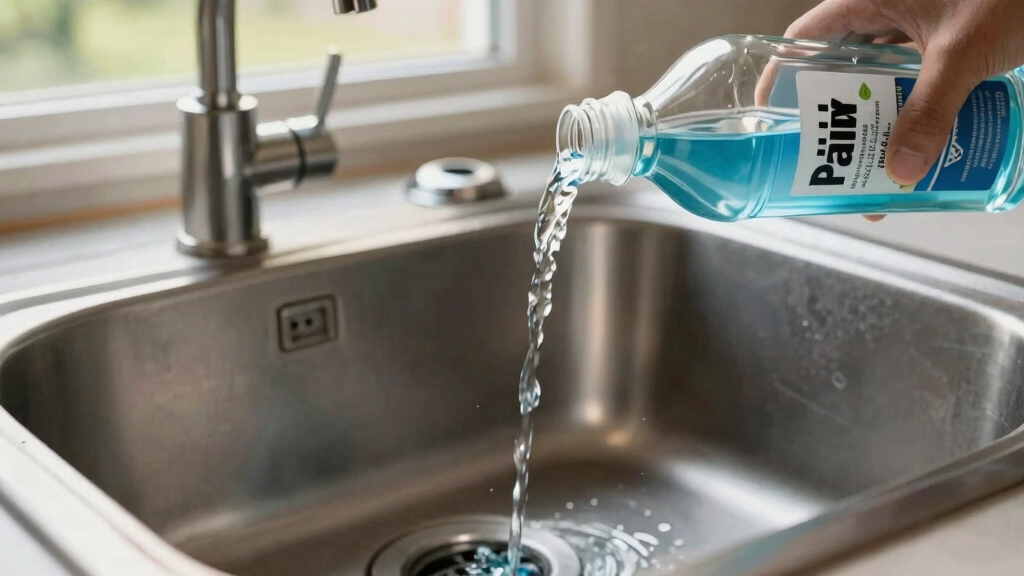
Although Drano may quickly clear clogs, you should avoid using it in septic systems. Its harsh chemical reaction damages both your pipes and the essential bacterial balance within the tank.
Drano clears clogs fast but harms pipes and disrupts septic system bacteria, so avoid using it in septic tanks.
The lye-based formula generates intense heat that harms PVC pipes, causing cracks and weakening metal plumbing over time. This damage can lead to costly repairs and reduce the lifespan of your system.
More importantly, Drano kills the beneficial bacteria critical for breaking down waste in your septic tank. Just 0.4 ounces can disrupt this delicate balance.
When these bacteria die off, waste accumulates faster, impairing system function and risking drain field failure. Even occasional use poses significant risks, so relying on Drano compromises both your plumbing integrity and septic system health.
Additionally, unlike bleach which can help break down some organic waste without severely harming pipes, Drano’s aggressive chemicals pose a greater risk to your plumbing’s durability and function.
What Drano Is and How Its Chemicals Clear Clogs
Drano works by triggering a powerful chemical reaction that rapidly breaks down clogs in your pipes. Its primary components—lye, bleach, aluminum shards, and salt—combine to produce intense heat and gas when exposed to water and organic matter.
This exothermic reaction effectively dissolves hair, grease, and other common blockages by breaking chemical bonds within the clog. The aluminum reacts with the lye to generate hydrogen gas and heat, which accelerates the disintegration process.
While this reaction clears clogs quickly, the high temperature can damage PVC pipes and weaken older metal plumbing over time. You’ll find that Drano’s formula is designed for immediate, aggressive clog removal, relying on chemical combustion rather than mechanical action to restore flow in your drainage system.
However, it is important to note that using such strong chemicals can pose risks to plumbing integrity and may not be safe for septic systems.
Why Drano Hurts the Helpful Bacteria in Your Septic Tank?
Because your septic system relies heavily on beneficial bacteria to break down waste, introducing harsh chemicals like those in Drano can severely disrupt this balance.
Your septic system depends on beneficial bacteria, which harsh chemicals like Drano can severely disrupt.
Drano contains lye, bleach, and salts that kill the essential bacteria responsible for decomposing organic material. Even 0.4 ounces of Drano can destroy a significant portion of these microorganisms, reducing the overall efficiency of waste breakdown.
When this bacterial colony is compromised, waste accumulates faster, increasing solids buildup in the tank. Additionally, foreign microorganisms introduced by chemical disturbance can outcompete the helpful bacteria, further destabilizing the ecosystem.
This disruption not only impairs waste digestion but also risks clogging and septic system failure. Therefore, you should avoid Drano to maintain the microbial health crucial for your septic tank’s proper function.
Using root killers that are safe for septic systems and cause only temporary microbial disruption is a better alternative to harsh chemical drain cleaners like Drano.
Better and Safer Options Than Drano for Your Septic System
When you need to clear a clog in a septic system, choosing safer alternatives is essential to avoid damaging pipes or disrupting beneficial bacteria.
Instead of harsh chemical cleaners like Drano, opt for enzyme-based treatments designed specifically for septic systems. These products use natural enzymes to break down solid waste gently without harming bacteria or pipes.
You can also consider mechanical methods such as pipe augering, which physically removes blockages without chemicals. Regular septic tank pumping combined with enzyme treatments helps maintain proper bacterial balance and prevents buildup.
Avoid chemical drain cleaners labeled “plumbing safe” but not septic safe, as they can cause irreversible damage. Prioritize septic-safe products and methods to preserve system functionality and extend the lifespan of your drainage infrastructure. Using enzyme drain cleaners regularly promotes long-term maintenance by preventing organic buildup and odors in your plumbing system.
When to Call a Plumber for Septic System Clogs?
If your septic system shows persistent signs of clogging despite using septic-safe treatments and regular maintenance, it’s time to call a professional plumber.
Continuous backups, slow drains, or foul odors signal deeper blockages or system failures that home remedies can’t fix.
A plumber uses specialized tools like augers and cameras to diagnose and clear obstructions without harming your system’s integrity.
Avoid chemical drain cleaners like Drano, which can damage pipes and disrupt bacterial balance.
Timely professional intervention prevents costly damage to pipes, the septic tank, and the drain field.
If you notice recurring issues or suspect solids buildup, don’t delay; contact a plumber to evaluate and maintain your septic system effectively.
This ensures long-term functionality and avoids expensive repairs.
For ongoing care, consider enzyme-based formulations designed to safely maintain pipe health without harming septic systems.
Frequently Asked Questions
How Often Should Septic Tanks Be Professionally Pumped?
You should have your septic tank professionally pumped every 3 to 5 years, depending on household size, water usage, and tank capacity.
Regular pumping prevents solids from accumulating and clogging the drain field.
If you notice slow drains or sewage odors, schedule a pump-out sooner.
Don’t wait for problems to arise; staying on this schedule helps maintain system efficiency and avoids costly repairs.
Always consult a septic professional for tailored advice.
What Are Common Signs of Septic System Failure?
When your septic system’s acting up, it’s like a canary in a coal mine warning you.
Common signs include slow drains, sewage backups, foul odors near your tank or drain field, and soggy or lush patches of grass over the drain field.
You might also notice gurgling sounds in your plumbing or toilets that won’t flush properly.
Spotting these early helps you avoid costly repairs and protects your home’s sanitation.
Can Regular Household Cleaners Affect Septic System Health?
Yes, regular household cleaners can affect your septic system’s health. Many contain harsh chemicals that kill beneficial bacteria essential for breaking down waste.
Overusing bleach, ammonia, or antibacterial products disrupts bacterial balance, reducing your system’s efficiency and potentially causing clogs or backups.
To protect your septic system, choose biodegradable, septic-safe cleaners and use them sparingly. Maintaining this balance helps keep your septic tank functioning properly and prolongs its lifespan.
How Do Enzyme Treatments Work in Septic Tanks?
Imagine microscopic workers tirelessly breaking down waste. That’s how enzyme treatments work in septic tanks.
They release specific enzymes that target solids like grease, paper, and proteins, speeding up natural decomposition.
This boosts bacterial efficiency without harming beneficial microbes.
When you add enzyme treatments regularly, you help maintain a balanced environment, preventing clogs and buildup.
Just remember, consistent use and proper dosing are key to keeping your septic system running smoothly.
Are Natural Remedies Effective for Unclogging Septic Drains?
Natural remedies can be somewhat effective for minor septic drain clogs by softening buildup or promoting bacterial activity. However, they rarely resolve serious blockages.
You should use enzyme-based treatments cautiously, as even these can disrupt septic balance if overused.
For stubborn clogs, relying on physical methods like professional augering or regular tank pumping provides safer, more reliable results. This approach avoids risking damage to your septic system’s function or integrity.
Drano and Septic Systems: Why Safer Alternatives Matter
If you rely on Drano for septic clogs, you risk damaging the essential bacteria that break down waste.
For example, a homeowner in Ohio found their septic tank failing after repeated Drano use, leading to costly repairs. Instead, choose enzymatic treatments designed for septic systems or mechanical drain cleaning.
When clogs persist, call a professional plumber to avoid long-term damage. Protect your system with safe, targeted solutions rather than harsh chemicals like Drano.