How to Vacuum a Wool Rug: Step-by-Step Cleaning Guide
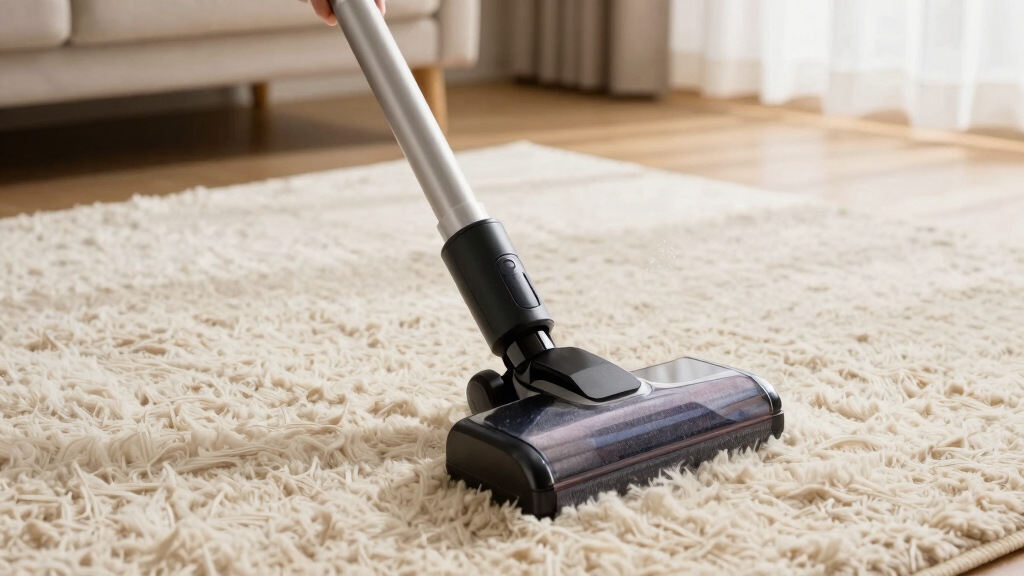
Use a canister vacuum with adjustable suction set to low or medium to protect your wool rug’s fibers.
Turn off any rotating brushes or beater bars and use the hose or upholstery attachment to avoid direct contact with delicate pile or fringes.
Vacuum gently along the natural pile direction with short, controlled strokes.
Make overlapping passes to lift dirt without damaging fibers.
Regular, careful vacuuming preserves your rug’s beauty.
Keep going to discover detailed tips for special rug types and deep cleaning.
Key Takeaways
- Use a canister vacuum with adjustable suction and turn off the beater bar or brush roller to protect wool fibers.
- Set suction to low or medium and vacuum gently along the pile’s natural direction using short, controlled strokes.
- Use the hose or upholstery attachment, avoiding direct contact with the rug’s surface and fringes to prevent damage.
- Vacuum regularly with overlapping passes to reduce dirt buildup and control natural shedding without stressing fibers.
- Occasionally vacuum the rug’s back side with low suction and no rotating brushes to clean dust without causing damage.
Choose the Right Vacuum and Attachments for Wool Rugs

Start by selecting a canister vacuum with adjustable suction heads to protect your wool rug’s fibers.
Choose a hard surface head without a rotating brush to avoid snagging or damaging delicate wool.
Avoid upright vacuums designed for wall-to-wall carpets, as their aggressive beater bars can harm your rug’s texture.
Make sure to turn off the beater bar or power brush if your vacuum has one.
Prepare a handheld or upholstery attachment for delicate or hard-to-reach areas, such as fringes or corners.
These tools give you precise control and minimize fiber disturbance.
Vacuum weekly using adjustable suction and soft-bristle attachments to ensure routine maintenance and prevent damage.
Adjust Suction and Height to Protect Your Rug Fibers
When it comes to vacuuming your rugs, adjusting the suction is key. For woven and tufted wool rugs, you’ll want to set the suction to low to medium. If you’re dealing with a shag rug, keep it on low suction only. This helps protect those delicate fibers.
Next, let’s talk about vacuum height. You should adjust it so that the brush barely touches the rug or doesn’t make contact at all. This prevents any potential damage. By fine-tuning these settings, you can ensure effective cleaning without putting stress on your wool fibers. Happy vacuuming!
Using a vacuum with a brushroll shutoff switch can help you easily adjust the brushroll action to protect your delicate wool rug fibers.
Suction Levels by Rug Type
Although it might be tempting to use maximum suction for a thorough clean, adjusting the vacuum’s suction level and height according to your wool rug type is essential to prevent fiber damage.
For woven and tufted wool rugs, set your vacuum to low or medium suction. This range effectively removes dirt without stressing the fibers.
Shag wool rugs require even gentler care; use low suction only and avoid any brush contact that could pull or fray the long pile.
If your vacuum offers adjustable suction, choose the lowest setting that still lifts debris. Using a hard surface head without a rotating brush helps protect delicate fibers.
For added control, app-enabled robot vacuums can maintain consistent low suction, ideal for sensitive wool rug types.
Always prioritize fiber integrity over aggressive cleaning power.
Additionally, vacuum both sides of the rug regularly to extract trapped dirt and allergens, ensuring thorough routine maintenance and prolonging the rug’s life.
Proper Vacuum Height Adjustment
When adjusting your vacuum for a wool rug, setting the height correctly is as essential as controlling suction power.
Begin by raising the vacuum head so the brush barely touches the rug surface or hovers slightly above it. This prevents the rotating brush from pulling or damaging delicate fibers.
For low-pile woven or tufted wool, a medium-low height works best. High-pile or shag rugs require a higher setting to avoid fiber distortion.
Always turn off the beater bar or power brush to minimize agitation. Adjust suction to low or medium depending on rug type, ensuring the vacuum doesn’t cling or drag.
Test the setting by moving the vacuum slowly and observing the rug’s reaction. Proper height adjustment preserves fiber integrity and extends your rug’s lifespan.
Using vacuums with adjustable suction power helps protect delicate rug fibers while maintaining effective cleaning.
Vacuum Wool Rugs Gently Along the Pile
Vacuum wool rugs gently along the pile to protect their fibers and maintain texture. Always follow the natural direction of the pile with short, controlled strokes to avoid fiber damage.
Use low to medium suction and make certain the vacuum brush barely touches the rug or stays off entirely. Moving side to side across the width helps lift dirt without stressing fibers.
Keep these points in mind:
- Vacuum in the pile direction, never against it.
- Use overlapping passes for thorough cleaning.
- Adjust suction to low or medium based on rug type.
- Alternate vacuuming directions between sessions to prevent track marks.
This method preserves the rug’s appearance and prolongs its life while effectively removing dirt. Additionally, avoiding excessive moisture during cleaning is important to maintain fiber integrity, as excess water can cause damage similar to that seen in wood flooring.
Clean the Backside and Underside for Deep Dirt Removal
After gently cleaning along the pile, don’t forget the backside and underside of your wool rug to remove deeply embedded dirt and debris.
First, flip the rug carefully onto a clean surface. Use your vacuum’s hose or nozzle attachment without a rotating brush to avoid damaging fibers.
Vacuum the back side thoroughly, paying special attention to edges and fringes. Tap these gently to loosen trapped dirt.
If possible, hang the rug over a railing and beat it lightly with a broom to dislodge stubborn particles. This method complements vacuuming and enhances deep cleaning.
Regularly cleaning the underside prevents soil buildup that can degrade your rug’s foundation.
Remember to avoid aggressive brushing or high suction here to protect the rug’s structure and maintain its longevity.
For best results, use a vacuum with soft-bristle attachments to protect the delicate wool fibers during cleaning.
Control Shedding and Extend Wool Rug Longevity
Although wool rugs naturally shed loose fibers, you can manage this process effectively to protect your rug’s appearance and durability.
Regular, gentle vacuuming minimizes soil buildup and prevents fiber breakage, helping your rug stay vibrant longer. Use low to medium suction to avoid pulling healthy fibers while controlling shedding.
To extend your wool rug’s longevity, follow these steps:
- Vacuum regularly with low suction to reduce loose fibers and dirt.
- Avoid vacuuming against the pile; follow the natural pile direction.
- Vacuum the back side quarterly to dislodge embedded soil.
- Dust frequently to prevent fiber stress and breakage.
Always check the fabric care label and use cleaning methods suitable for natural fibers to avoid damage.
Vacuuming Tips for Special Wool Rug Types
When it comes to vacuuming shag rugs, it’s best to keep it gentle. You’ll want to use low suction and a wet/dry shop vac hose. Just clean along the fibers softly to avoid any damage.
Now, for delicate and loop wool rugs, there’s a little trick you can use. Make sure to switch off those brush rollers! Instead, go for suction-only and grab a natural bristle brush. This helps protect the pile while you clean.
Just remember to adjust your technique carefully. You want to maintain that lovely texture and, of course, avoid any fiber loss. Happy vacuuming! Always pretest cleaning methods on a small hidden area to prevent damage or discoloration when caring for delicate fibers.
Shag Rug Vacuuming
Vacuuming shag wool rugs requires careful attention to suction and technique to prevent fiber damage.
Since shag rugs have long, loose fibers, using low suction is essential to avoid pulling or fraying.
Choose a canister vacuum with adjustable suction and turn off any beater bars or rotating brushes.
Use a hose attachment, moving gently up and down the rug’s rows.
Follow these steps for effective shag rug vacuuming:
- Set suction to the lowest setting to protect fibers.
- Use the hose or upholstery attachment, avoiding direct brush contact.
- Move the vacuum slowly along the pile’s natural direction in short strokes.
- Vacuum regularly to reduce soil buildup and control shedding without stressing fibers.
This method preserves your shag rug’s texture and longevity. For maintenance, it’s important to vacuum regularly to prolong the life of wool fibers and prevent excessive wear.
Delicate And Loop Rugs
Since delicate and loop wool rugs require extra care, you’ll want to use suction-only vacuuming with the brush roller turned off to prevent fiber damage.
Choose a canister vacuum with adjustable suction and use a hard surface head without a rotating brush. Keep suction low to medium, and avoid aggressive strokes that can snag loops or break fine fibers.
Clean gently along the pile direction, using overlapping passes for thorough debris removal without strain. Regular maintenance preserves your rug’s integrity and appearance.
Lightweight vacuums with adjustable suction settings are ideal for maintaining delicate fibers while providing effective cleaning.
| Concern | Solution |
|---|---|
| Fiber damage | Brush roller off |
| Snagging loops | Suction only, low power |
| Shedding | Vacuum regularly |
| Dirt buildup | Overlapping passes |
| Fringe damage | Avoid edges or use hand tool |
Frequently Asked Questions
How Often Should I Professionally Clean My Wool Rug?
You should professionally clean your wool rug every 12 to 18 months to maintain its quality and appearance.
If your rug experiences heavy foot traffic or spills, consider cleaning it annually.
Regular professional cleaning removes deep dirt and allergens that vacuuming can’t reach, extending your rug’s life.
Remember to combine professional care with regular vacuuming and spot cleaning to keep your wool rug looking its best over time.
Can Vacuuming Damage the Rug’s Natural Dyes?
Vacuuming won’t strip your rug’s natural dyes if you handle it like a gentle breeze caressing delicate petals.
Use low to medium suction and avoid harsh brushes or beater bars that can damage fibers and affect colors.
Always vacuum in the pile’s direction and never against it.
With careful, regular cleaning, you’ll preserve both the dye and the wool’s integrity, keeping your rug vibrant and beautiful over time.
What Is the Best Way to Store a Wool Rug?
The best way to store your wool rug is to clean it thoroughly first, removing all dirt and debris.
Roll it tightly with the pile facing inward to protect fibers.
Wrap it in breathable cotton or muslin fabric; avoid plastic to prevent moisture buildup.
Store it in a cool, dry, dark place to prevent fading and mildew.
Check periodically for pests or damage, and avoid placing heavy objects on top to maintain its shape.
How Do I Remove Stains Without Vacuuming?
You don’t want to wrestle a stubborn stain like it’s a wild beast!
Instead, blot gently using a clean cloth soaked in cold water or a mild wool-safe detergent. Work from the edges to the center to stop spreading.
Avoid rubbing or soaking the rug. For tougher stains, apply a wool-friendly stain remover, let it sit briefly, then blot dry.
Always test any cleaner on a hidden spot first to protect your rug.
Are There Specific Detergents Safe for Wool Rugs?
Yes, you should only use detergents specifically labeled safe for wool.
Look for pH-neutral, gentle wool detergents or mild soaps like Woolite.
Avoid harsh chemicals, bleach, or ammonia, as they can damage fibers and fade colors.
Always dilute the detergent in water before applying, test on a small hidden area first, and use cold water to prevent shrinking.
Follow manufacturer instructions carefully to keep your wool rug clean and intact.
Common Wool Rug Vacuuming Mistakes and How to Avoid Them
By choosing the right vacuum and adjusting settings, you’ll protect your wool rug’s fibers while effectively removing dirt.
Vacuum gently along the pile and don’t forget the backside to reach embedded debris.
Controlling shedding isn’t a myth; consistent, careful vacuuming actually helps extend your rug’s life.
Stick to these methods, and your wool rug will stay cleaner and last longer. With proper care, you’ll enjoy its beauty and comfort for years to come.