
How to Clean Aluminum: Remove Oxidation, Stains and Dirt Easily
To clean aluminum, start by gently washing with warm water and mild dish soap using a soft cloth to avoid scratches.
For dirt and stains, apply a 1:1 vinegar-water solution, let it sit briefly, then rinse thoroughly.
Stubborn residue or oxidation can be removed with a cream of tartar paste or diluted vinegar and a soft brush.
Finish by polishing with a specialized aluminum polish to protect and enhance shine.
Understanding these steps will guide you in achieving ideal aluminum care.
Key Takeaways
- Clean aluminum with a mild soap and warm water solution using a soft cloth to avoid scratches.
- Use a 1:1 white vinegar and water mixture to remove dirt and stains, then rinse thoroughly.
- For stubborn residue, apply cream of tartar or borax paste and scrub gently with a soft-bristled brush.
- Polish dry, clean aluminum with a specialized aluminum polish to restore shine and add a protective layer.
- Regularly rinse and clean aluminum surfaces, adjusting methods for exterior, cookware, or decorative finishes.
Clean Aluminum Surfaces Using Mild Soap and Water

You’ll often find that cleaning aluminum surfaces with mild dish soap and warm water effectively removes everyday dirt and grime without risking damage.
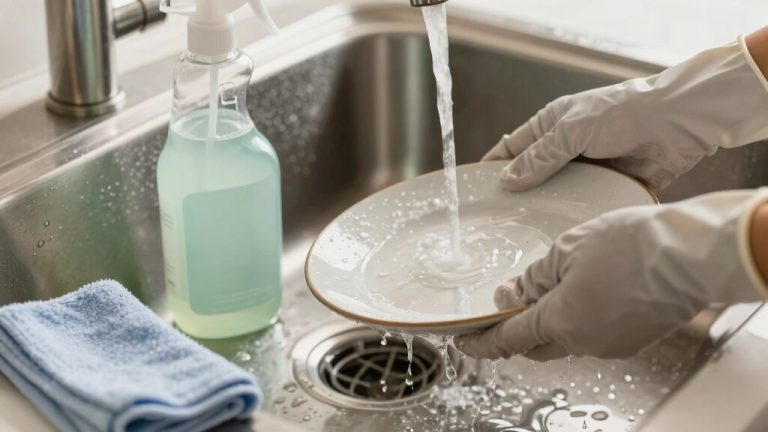
Start by mixing a small amount of mild dish soap into warm water to create a gentle cleaning solution.
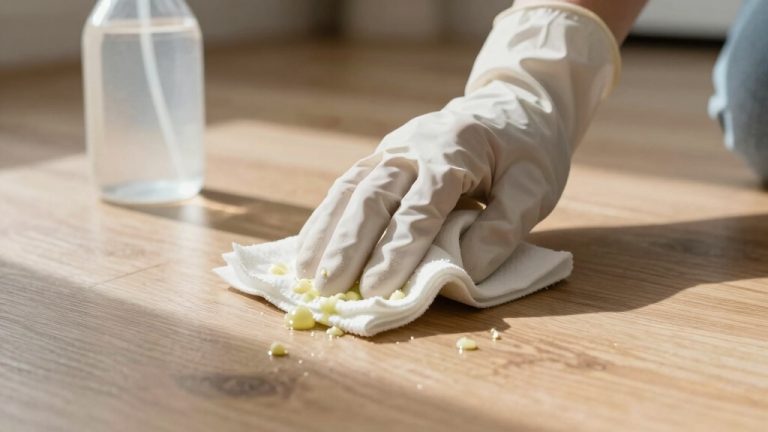
Use a soft cloth, microfiber cloth, or non-abrasive sponge to apply the solution, scrubbing gently in circular motions to dislodge contaminants while preserving the metal’s integrity.
Avoid abrasive tools that could scratch the aluminum.
After cleaning, rinse thoroughly with clean water to eliminate soap residue and loosened debris, as residue may cause spotting or dullness.
Finally, dry the surface with a clean, soft cloth to prevent water spots and maintain a smooth, clean finish.
This method balances cleaning efficiency and surface protection for routine maintenance.
For added protection and longer-lasting shine, consider using a non-abrasive metal polish after cleaning.
Remove Dirt and Stains From Aluminum With Vinegar Solutions
How can you effectively tackle dirt and stains on aluminum without harsh chemicals? Use a white vinegar solution diluted equally with water. This mild acid breaks down grime while protecting the metal.
Apply it via spray bottle or cloth, letting it sit 10–15 minutes to loosen contaminants. Then rinse thoroughly to halt acid exposure and dry with a soft cloth to avoid water spots.
It’s important to rinse thoroughly after use to prevent any potential acid residue from causing surface damage.
| Step | Action | Purpose |
|---|---|---|
| Mix solution | 1:1 vinegar to water | Creates effective cleaner |
| Apply | Spray or cloth | Guarantees even coverage |
| Wait & rinse | 10–15 minutes, then rinse | Loosens dirt, removes acid residue |
This method is precise and gentle, preserving aluminum integrity while removing stains efficiently.
Eliminate Stubborn Residue and Oxidation From Aluminum
When aluminum surfaces develop stubborn residue or oxidation, standard cleaning methods often fall short, requiring more targeted treatments.
To eliminate buildup, apply a paste of cream of tartar mixed with water, or use borax in a similar fashion. These mildly abrasive pastes chemically break down residues without damaging the metal.
For oxidation, soak the surface briefly with a diluted vinegar solution, allowing the acid to loosen the oxidation layer. After treatment, scrub gently with a soft-bristled brush or old toothbrush to reach crevices and corners.
In cases of heavier buildup, fine steel wool may be cautiously used, but avoid aggressive abrasives to prevent surface damage.
Repeat cleaning cycles as necessary, rinsing thoroughly and drying completely to halt acid exposure and prevent further oxidation.
Using a pH-neutral cleaner after treatment can help prevent corrosion and maintain the aluminum’s finish.
Polish Aluminum for a Shiny, Finished Look
After removing stubborn residue and oxidation, restoring aluminum’s natural luster requires careful polishing.
Apply a specialized aluminum polish using small circular buffing motions, which evenly distributes the compound and minimizes surface abrasion.
Use a clean cloth or paper towel to remove excess polish, then buff again for a uniform shine.
For larger surfaces, consider mechanical buffing tools with appropriate wheels for efficiency and consistency.
Always polish on dry, clean aluminum to prevent trapped residues that dull the finish.
Many polishes also provide a protective sealant barrier that helps guard against future oxidation and grime buildup.
| Step | Emotional Impact |
|---|---|
| Apply polish | Anticipation of shine |
| Buff in circles | Confidence in control |
| Remove residue | Satisfaction of progress |
| Final buff | Pride in craftsmanship |
| Admire finish | Joy of restored beauty |
Maintain and Protect Different Aluminum Surfaces
Although aluminum shares common cleaning principles across various applications, maintaining and protecting different aluminum surfaces demands tailored approaches based on their specific functions and exposure.
For exterior aluminum, such as siding or fences, use gentle cloth wiping combined with thorough rinsing, ideally with a garden hose, to prevent abrasive damage while removing environmental contaminants.
Cookware and utensils benefit from soaking in warm, mild detergent solutions to loosen residue without scratching.
Cast aluminum and decorative finishes require extra caution: avoid aggressive abrasives and use masking tape and protective gear when sanding or applying restoration treatments.
After cleaning, applying a suitable aluminum polish enhances protection and shine.
Adapting your maintenance routine to the surface type guarantees longevity and preserves aluminum’s structural integrity and appearance under varying conditions.
Regular cleaning prevents buildup, rust, and stains, making routine maintenance a key part of aluminum care.
Frequently Asked Questions
Can I Use Bleach to Clean Aluminum Surfaces Safely?
You shouldn’t use bleach on aluminum surfaces because it can cause corrosion and discoloration.
Bleach’s harsh chemicals react with aluminum’s metal, leading to pitting and damage.
Instead, opt for mild dish soap, warm water, or diluted vinegar solutions for safe, effective cleaning.
If you need to remove tough stains, use gentle, aluminum-safe pastes like cream of tartar or lemon juice.
Avoid strong acids or abrasives to preserve the metal’s integrity.
How Often Should I Clean Aluminum Outdoor Furniture?
You might think cleaning aluminum outdoor furniture once a decade is enough until dirt, grime, and oxidation beg to differ.
Ideally, you should clean it at least twice a year, preferably in spring and fall.
Regular cleaning with mild detergent and gentle scrubbing prevents buildup and corrosion.
If your furniture faces harsh weather or pollution, increase frequency.
This precision avoids irreversible damage and keeps your aluminum looking sharp and functional.
Is It Safe to Use Aluminum Foil for Scrubbing Aluminum?
You shouldn’t use aluminum foil for scrubbing aluminum because it’s abrasive and can easily scratch the surface.
Aluminum is soft and prone to damage from rough materials, so using foil could cause micro-abrasions that degrade its finish.
Instead, opt for soft cloths or non-abrasive sponges to clean.
If you need to remove stubborn residue, gentle acidic cleaners or soft brushes are safer, preserving the metal’s integrity while effectively cleaning.
What Are the Best Storage Tips to Prevent Aluminum Tarnishing?
You’ll want to store aluminum like it’s the crown jewel of your kitchen. Even slight moisture and air exposure can accelerate tarnishing exponentially.
Keep aluminum items dry and in airtight containers or wrapped tightly in plastic wrap or acid-free paper.
Avoid stacking without protection to prevent scratches that invite corrosion.
Store in a cool, low-humidity environment, away from acidic or salty substances, ensuring your aluminum stays pristine and corrosion-free over time.
Can Aluminum Be Cleaned Using a Dishwasher?
You shouldn’t clean aluminum in a dishwasher because the high heat, harsh detergents, and prolonged water exposure can cause discoloration, oxidation, and surface damage.
Dishwashers often use alkaline detergents that react with aluminum, leading to dullness or pitting.
Instead, wash aluminum manually with mild soap and warm water, using soft cloths or sponges to preserve its finish and prevent scratches.
Always rinse and dry aluminum promptly to maintain its integrity.
How to Clean and Polish Aluminum for a Like-New Finish
By following these cleaning steps, you can effectively restore aluminum surfaces to their original shine. Did you know aluminum naturally forms a protective oxide layer about 2.5 nanometers thick?
This thin film guards against corrosion but can trap dirt and oxidation, requiring your careful cleaning approach. Using mild soap, vinegar solutions, and polishing techniques, you maintain this barrier while enhancing appearance.
This ensures your aluminum stays durable and visually appealing over time.