How to Prevent Orange Stains in Shower: Mistakes to Avoid
You can prevent orange stains in your shower by testing your water for iron.
Install appropriate filters or water softeners to reduce mineral buildup.
Clean shower surfaces weekly with vinegar or baking soda solutions.
Dry them thoroughly after use to limit moisture and bacterial growth.
Ensure good ventilation with fans or open windows, and inspect grout and caulk regularly to prevent damage.
If you want to tackle stubborn stains and maintain your shower long-term, there are effective strategies to explore.
Key Takeaways
- Test water for iron levels and install appropriate filtration or water softening systems to reduce mineral buildup causing orange stains.
- Clean showers weekly using non-abrasive cloths and effective solutions like vinegar or baking soda to remove soap scum and iron deposits.
- Thoroughly dry shower surfaces and improve ventilation by using exhaust fans or opening windows to prevent moisture that encourages staining bacteria.
- Regularly inspect and maintain caulk and grout to prevent moisture infiltration that can worsen orange discoloration and bacterial growth.
- Schedule professional water testing and system evaluations to ensure iron removal effectiveness and address persistent orange stains promptly.
What Causes Orange Stains in Your Shower?

Although it may seem like a simple discoloration, orange stains in your shower often indicate underlying water quality issues. Most commonly, this is due to iron-rich water.
Orange stains in your shower usually reveal deeper water quality problems, often caused by iron-rich water.
When your water contains elevated iron levels, oxidation occurs on contact with air, leaving rust-colored deposits on shower surfaces. Besides iron, soap scum mixed with minerals can turn orange over time, especially in hard water areas.
Poor ventilation and persistent moisture encourage bacteria growth, which further darkens and anchors these stains. Mineral buildup, including magnesium and calcium, collects in crevices, worsening discoloration.
Rust-related staining often signals that water treatment or filtration is necessary to manage mineral content. Understanding these causes helps you recognize the need for targeted interventions to prevent recurring orange stains effectively. Using micro-abrasive formulas designed to remove rust and mineral deposits can help restore and maintain shower surfaces.
How to Check Your Water and Fix Iron Stains?
Sure! Here’s a more conversational version of that text:
First things first, you’ll want to test your water for iron concentration. You can do this with a reliable home test kit or even get a professional analysis done. It helps to know if iron is the culprit behind those pesky stains.
If you find that the iron levels are higher than recommended, it might be time to think about installing a shower filter or even a whole-home filtration system. These are specifically designed to reduce iron and mineral content, which can really help in tackling those stains.
And don’t forget about maintenance! Regularly checking and replacing your filters is key to ensuring effective iron removal. This way, you can keep those orange stains at bay and enjoy cleaner water.
Choosing a filter with high-purity activated carbon can improve contaminant removal efficiency and extend filter lifespan.
Test Water Iron Levels
Determine your water’s iron content by using a reliable testing kit designed for home water analysis or by sending a sample to a certified laboratory. Testing helps you identify iron concentrations that cause orange stains and guides effective treatment.
Follow these steps:
- Collect water samples from different points, like the shower and main supply, to check consistency.
- Use test strips or liquid kits according to instructions, noting color changes that indicate iron levels.
- If results exceed 0.3 mg/L (EPA secondary standard), consider treatment options to prevent staining.
- Retest periodically to monitor iron fluctuations, especially if you rely on well water or notice recurring stains.
Accurate iron level testing enables you to address the problem at its source rather than only removing surface stains. Additionally, maintaining proper ventilation and airflow in your bathroom can help reduce moisture buildup that exacerbates staining issues.
Install Filtration Systems
Once you’ve assessed your water’s iron levels, addressing the problem with the right filtration system becomes necessary to prevent and remove orange stains.
You should select filtration based on iron concentration and water usage. For low iron, point-of-use filters work; for higher levels, whole-home systems with oxidation or greensand media are ideal.
Regular maintenance, including filter replacement every 6 months, guarantees efficacy. Consult a plumber for professional evaluation if stains persist.
Using filters with advanced activated carbon block technology can also help reduce other contaminants that may contribute to discoloration and water quality issues, ensuring cleaner water overall with certified removal capabilities.
| Filtration Type | Iron Level Suitability | Maintenance Frequency |
|---|---|---|
| Point-of-Use Filters | Low (<0.3 ppm) | Replace every 6 months |
| Whole-Home Systems | Moderate to High | Annual inspection & upkeep |
| Water Softener | Moderate | Salt refill as needed |
| Oxidation Filters | High (>3 ppm) | Media replacement yearly |
Choosing Filters and Softeners to Prevent Orange Stains
To keep those pesky orange stains at bay from iron-rich water, it’s worth considering some solid options for iron removal. You might want to look into specialized filters or water softeners that specifically tackle mineral content.
If you’re dealing with high iron or magnesium levels in your well water, a whole-home filtration system could be the way to go. It provides comprehensive treatment, which is super helpful for your entire household.
Just a quick reminder: don’t forget to replace those filters every six months! Keeping up with this maintenance ensures they stay efficient and helps prevent any buildup that could compromise their effectiveness.
Whole house filters also help prevent scale and corrosion by removing hard water minerals like calcium and magnesium, extending the lifespan of your plumbing and appliances through effective mineral removal.
Iron Removal Solutions
Although managing orange shower stains often starts with surface cleaning, addressing the root cause requires effective iron removal from your water supply. Iron-rich water, especially from wells, deposits minerals that cause stubborn orange discoloration.
To tackle this, you’ll want to choose filters and softeners designed to target iron specifically.
- Test your water to determine iron concentration and form (ferrous vs. ferric).
- Select a filtration system with catalytic media or oxidizing filters that convert iron to insoluble particles.
- Consider water softeners for dissolved iron, which exchange iron ions with sodium or potassium.
- Maintain your systems by replacing filters every 6 months to ensure consistent iron removal.
Using filters with activated carbon media not only improves iron removal but also reduces chlorine and odors, enhancing overall water quality.
Implementing these solutions prevents iron buildup, reducing orange stains and prolonging your shower’s cleanliness and appearance.
Whole-Home Filtration Benefits
Implementing a whole-home filtration system delivers thorough control over iron and mineral content throughout your water supply. This markedly reduces the risk of orange staining in showers.
By selecting filters designed specifically for iron removal, such as oxidizing filters or manganese greensand, you can effectively trap dissolved iron before it reaches your plumbing fixtures.
Pairing filtration with a water softener further reduces hardness minerals like calcium and magnesium, which contribute to residue buildup.
When choosing systems, consider your water’s iron concentration and flow rate to ensure adequate capacity and efficiency.
Installing a professionally sized whole-home unit guarantees consistent treatment, protecting all water outlets and preventing orange discoloration from recurring.
This proactive approach addresses the source, minimizing maintenance and preserving your shower’s appearance over time.
Using pH-balanced treatments can also help protect surfaces from etching caused by mineral deposits, complementing your filtration efforts.
Filter Maintenance Tips
Regularly selecting and maintaining the right filters and softeners plays a crucial role in preventing orange stains caused by iron and mineral buildup.
To keep your shower water clean and reduce staining, follow these practical tips:
- Choose filters designed specifically for iron and mineral removal, such as activated carbon or oxidation filters.
- Install a water softener if your water hardness is high, as it reduces mineral deposits that cause orange discoloration.
- Replace filter cartridges every six months or as recommended to maintain peak filtration performance.
- Schedule periodic professional evaluations to assess filter efficiency and water quality, addressing any persistent iron or mineral issues early.
Additionally, consider systems with multi-stage filtration to effectively target iron and minerals while ensuring long-lasting performance.
The Role of Regular Cleaning in Preventing Orange Stains
Consistent cleaning plays a critical role in preventing orange stains by interrupting the buildup of iron deposits, soap scum, and mineral residues before they harden.
You need to clean your shower weekly, targeting walls, fixtures, and grout lines to stop deposits from becoming ingrained.
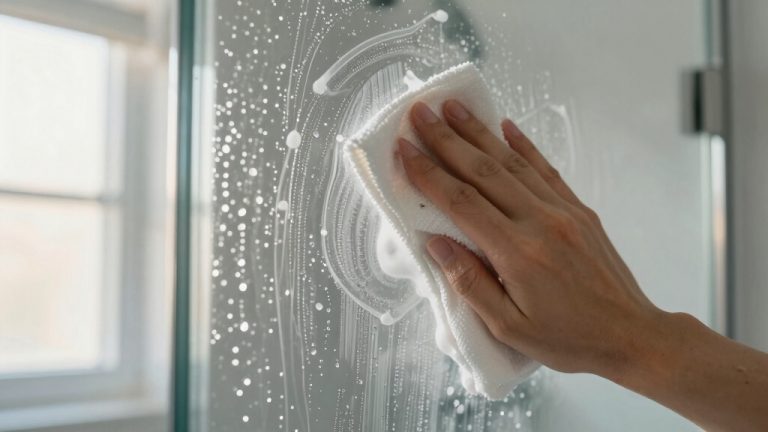
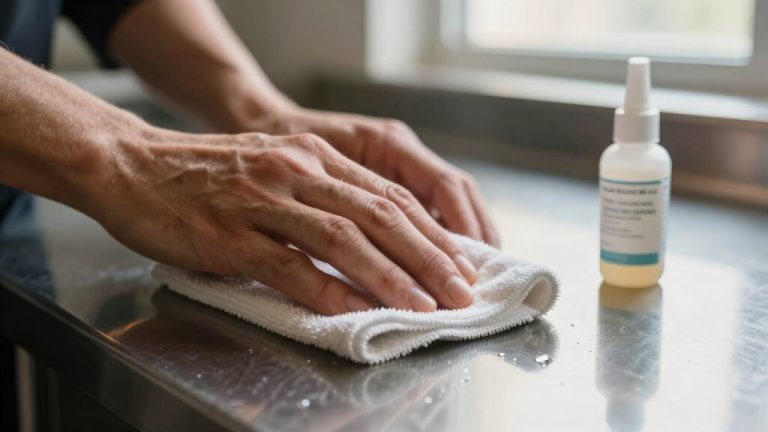
Use a non-abrasive cloth or sponge to avoid damaging surfaces.
Pay close attention to creases and caulking where moisture accumulates.
Regularly wiping down surfaces after showers reduces moisture, limiting bacterial growth that worsens staining.
Monthly deep cleaning of grout and drains prevents recurring buildup in hard-to-reach areas.
By keeping a strict cleaning schedule, you maintain surface integrity, making stain removal easier and less frequent.
This proactive approach minimizes the effort required and keeps your shower looking clean and stain-free over time.
Using water softeners can also reduce mineral buildup that contributes to staining, making prevention more effective.
Best Cleaning Solutions for Orange Stains and Soap Scum
Tackle orange stains and soap scum effectively by selecting cleaning solutions that break down mineral deposits and bacterial residues without damaging your shower surfaces.
You’ll want to use agents that dissolve iron oxide and soap scum safely.
Here’s what works best:
- White vinegar and water (1:1 ratio): This acidic mix dissolves mineral buildup and loosens stains. Spray, let sit 10 minutes, then scrub gently.
- Baking soda paste: Combine baking soda with water to form a paste. Apply to stains, then scrub with a soft brush for abrasive action without surface damage.
- Lemon juice: Natural acid helps lift orange discoloration; use cautiously on sensitive surfaces.
- Commercial rust removers: Choose non-abrasive, shower-safe products designed to target iron stains specifically.
Always test a small area first and rinse thoroughly after cleaning to prevent residue buildup. For persistent stains, using scrubbing tools like old toothbrushes or grout brushes can enhance cleaning effectiveness.
How to Keep Shower Surfaces Dry After Use?
Frequently wiping down shower surfaces immediately after use markedly reduces moisture that promotes orange stains and bacterial growth.
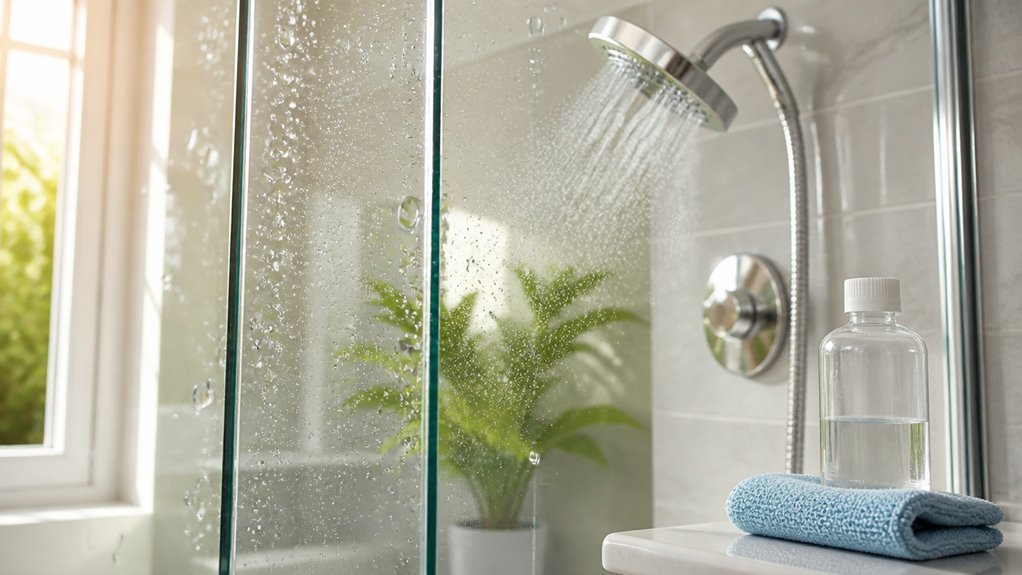
Use a microfiber cloth or absorbent towel to thoroughly dry walls, floors, fixtures, and tub surfaces.
Thoroughly dry all shower surfaces with a microfiber cloth or absorbent towel to prevent moisture buildup.
Employ a squeegee on glass doors and tiled walls to remove standing water efficiently, minimizing residual dampness in crevices where minerals and bacteria accumulate.
After drying, leave shower doors or curtains open to facilitate natural evaporation.
Focus on corners and grout lines, as these areas trap moisture and encourage staining.
Consistent post-shower drying interrupts the wet environment that iron-rich water and soap scum thrive in, preventing mineral deposits and bacterial colonies from establishing.
Establish this routine immediately after each shower to maintain dry surfaces and inhibit orange discoloration.
Ventilation Tips to Prevent Orange Stains
Regularly improving ventilation in your bathroom markedly reduces the humidity that fosters orange stains caused by iron-rich water and bacterial growth.
To effectively limit moisture buildup, focus on enhancing airflow and reducing lingering dampness.
- Use an exhaust fan during showers and run it for at least 30 minutes afterward to expel humid air.
- Open bathroom windows when possible to create cross-ventilation and increase air exchange.
- Employ a small dehumidifier in bathrooms lacking windows or adequate ventilation to maintain lower humidity levels.
- Keep the shower door or curtain open after use to facilitate drying and air circulation.
Inspecting and Maintaining Caulk and Grout to Stop Stains
Because water often seeps into cracks and crevices, inspecting and maintaining caulk and grout is essential to preventing orange stains from forming and worsening.
Regularly check these seals for cracks, gaps, or signs of mold and mildew, which can harbor iron deposits and bacteria causing discoloration.
Use a moisture meter or visually inspect grout lines and caulk seams for dampness.
When you spot damaged caulk, remove it with a utility knife and clean the area thoroughly before applying new, mold-resistant silicone caulk.
For grout, consider sealing it annually with a penetrating grout sealer to repel moisture and mineral buildup.
Keep your cleaning routine gentle; abrasive cleaners can erode grout surfaces, increasing vulnerability to staining and water intrusion.
Consistent maintenance limits stain development and preserves shower integrity.
When to Call a Professional for Persistent Orange Stains?
Keeping caulk and grout in good condition can markedly reduce the chances of orange stains. However, sometimes those stains keep coming back despite your best efforts. When you notice persistent discoloration, it’s time to call a professional.
They can diagnose underlying issues beyond surface stains, such as water quality or plumbing problems. Consider professional help if:
- Orange stains reappear shortly after thorough cleaning and filtration system checks.
- You detect moisture intrusion or damage in grout, caulk, or supply lines.
- Your water source tests high for iron or minerals requiring treatment or filtration upgrades.
- You want a safe, non-abrasive method to remove stains without damaging shower surfaces.
A professional evaluation guarantees targeted, effective solutions to stop recurring orange stains for good.
Frequently Asked Questions
Can Orange Stains Damage My Shower Fixtures Over Time?
Yes, orange stains can damage your shower fixtures over time.
These stains often result from iron-rich water or mineral buildup, which can corrode metal surfaces and degrade finishes.
If left untreated, the minerals and rust can cause pitting, discoloration, and weakened structural integrity.
Regular cleaning, drying, and filtration help prevent this damage by reducing mineral deposits and rust accumulation.
This preserves your fixtures’ appearance and function longer.
Are Orange Stains Harmful to My Health or Skin?
You probably didn’t know that 60% of households with iron-rich water report skin irritation linked to mineral buildup.
Orange stains themselves aren’t directly harmful, but they signal iron, bacteria, or hard water deposits that can cause dryness or mild irritation.
If you have sensitive skin, prolonged exposure to bacteria in moist, stained areas might trigger rashes.
Regular cleaning and drying reduce these risks effectively, protecting both your skin and shower environment.
How Long Does It Take for Orange Stains to Develop?
Orange stains can start developing within just a few days if iron-rich water or mineral buildup is present.
If the shower remains moist without proper ventilation, discoloration can occur more rapidly.
Soap scum mixed with bacteria growth can also accelerate staining quickly.
Typically, noticeable staining appears in one to two weeks without regular drying and cleaning.
The exact timing depends on water quality, ventilation, and cleaning habits.
Controlling these factors reduces how fast stains form.
Can Using Certain Shampoos or Soaps Cause Orange Stains?
Think of your shower as a canvas where every product leaves a mark. Certain shampoos or soaps containing iron, dyes, or heavy minerals can contribute to orange stains, especially if they interact with iron-rich water.
You’ll want to check product ingredients and avoid those with iron or strong coloring agents. Using mild, clear soaps helps prevent buildup.
Will Repainting or Resurfacing Remove Orange Stains Permanently?
Repainting or resurfacing won’t remove orange stains permanently because the underlying cause, like iron-rich water or mineral buildup, remains.
You’ll need to address water quality and moisture management first. Otherwise, stains often reappear beneath new coatings.
Use water filtration, improve ventilation, and maintain regular cleaning to prevent recurrence.
Resurfacing can improve aesthetics temporarily but isn’t a long-term fix without correcting the source of staining and moisture issues.
Conclusion
Preventing orange stains in your shower is like maintaining a finely tuned machine. You need regular checkups and precise care.
By monitoring your water quality, using the right filters, and cleaning thoroughly with effective solutions, you can keep stains at bay.
Ensure proper ventilation as well. Don’t forget to inspect caulk and grout regularly.
If stubborn stains persist despite your efforts, calling a professional will save you time and protect your shower’s longevity.