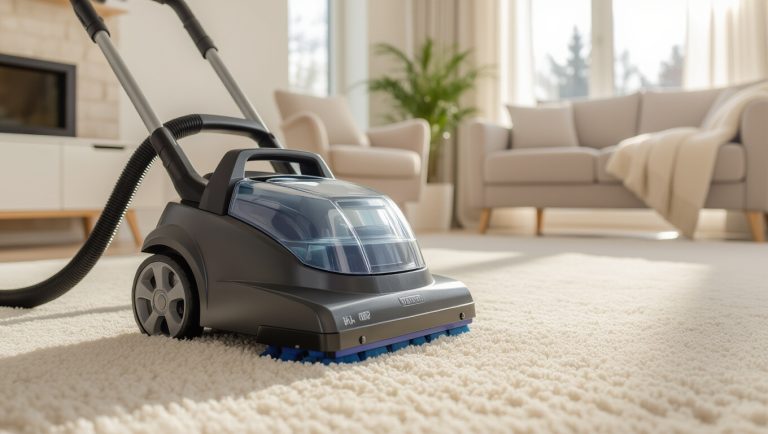

How to Get Eyeshadow Out of the Carpet: Easy Cleaning Tips
To get eyeshadow out of carpet, first vacuum loose powder gently without pressing down.
Scrape off compact clumps carefully using a dull-edged tool before adding any moisture.
Blot stains with a mild soap-and-water solution, dabbing from edges inward, then rinse with cold water.
For stubborn spots, apply rubbing alcohol or diluted vinegar sparingly on a cloth, blotting gently.
Always dry thoroughly to avoid damage or soil buildup.
Follow these steps closely, and you’ll uncover key tips for tough stains and safe cleaning.
Key Takeaways
- Vacuum loose eyeshadow powder immediately without pressing to avoid embedding pigment into carpet fibers.
- Gently scrape compacted residue with a dull-edged tool before vacuuming to lift solid particles.
- Blot stain edges inward with mild soap-and-water solution, avoiding scrubbing or soaking the carpet.
- Use rubbing alcohol or vinegar sparingly on a cloth, patch-test first, and blot gently for stubborn stains.
- Rinse with cold water, blot dry thoroughly, and keep the area dry to prevent residue buildup and re-soiling.
Vacuum Loose Eyeshadow Powder Immediately

Always start by vacuuming the loose eyeshadow powder immediately to prevent it from settling deeper into the carpet fibers. Use a hand vacuum or hold the vacuum nozzle just above the carpet pile to gently lift as much powder as possible without grinding it in.
Avoid pressing the nozzle directly down to prevent embedding pigment. Before vacuuming, carefully remove any larger clumps or compacted bits with a spoon or a dull edge, working from the outside of the spill inward to avoid spreading the stain.
Refrain from applying moisture at this stage, as wetting dry powder can drive color further into the fibers. This precise initial step guarantees you remove the majority of loose pigment and sets up effective subsequent cleaning. Proper vacuuming helps reduce the risk of residue buildup, which can attract dirt and cause long-term carpet damage.
Scrape Off Clumps Before Adding Moisture
Before you add any moisture, it’s a good idea to scrape off those compacted eyeshadow clumps. You can use a spoon or a dull edge for this—just be gentle!
This step is super important because it helps prevent spreading the stain around. By removing the dense residue first, you won’t accidentally push any pigment deeper into the carpet fibers.
Taking this precaution really keeps your cleaning process effective. Plus, it helps to minimize any further damage. So, go ahead and give it a good scrape before moving on to the next step!
For the best results, always act immediately to prevent the stain from setting and making removal more difficult.
Remove Compact Residue
Start by carefully scraping off any compacted eyeshadow clumps with a spoon or a dull-edged tool to prevent pushing pigment deeper into the fibers. Work gently to avoid damaging the carpet pile.
Removing these residues first guarantees that moisture application won’t spread the stain or embed pigment further. Focus on lifting solid bits rather than rubbing or pressing them in. After scraping, vacuum the area lightly to remove loosened particles.
| Tool Used | Action | Purpose |
|---|---|---|
| Spoon or dull edge | Scrape compact clumps | Lift solid eyeshadow without damage |
| Vacuum nozzle | Gently vacuum loose powder | Prevent pigment settling deeper |
| Soft brush (optional) | Loosen stubborn residue | Aid in lifting compacted particles |
This precise removal step sets the foundation for effective wet cleaning.
Prevent Moisture Spread
Once you’ve removed compacted eyeshadow clumps, you need to prevent moisture from spreading the stain further.
Avoid applying any liquids directly onto dry pigment, as moisture can drive the color deeper into carpet fibers and enlarge the stain.
Instead, use a vacuum or gently scrape off as much dry residue as possible before introducing moisture.
When ready to clean, apply a mild soap-and-water solution sparingly with a cloth, blotting from the stain’s edges inward to contain it.
Never scrub or press hard, as this risks embedding pigment deeper.
Controlling moisture is vital; excessive liquid can seep beyond the stain, making it harder to remove.
Always patch test cleaning agents on an inconspicuous spot to ensure colorfastness and fiber safety.
Use Mild Soap and Water to Blot Eyeshadow Stains Gently
Sure! Here’s a more conversational version:
First things first, mix a little bit of liquid dish soap with some cool or warm water. You want to create a mild cleaning solution, nothing too harsh.
Once you’ve got that ready, grab a clean cloth. Just a heads-up—don’t pour the solution directly onto the carpet. That could spread the stain, and we definitely want to avoid that!
Now, gently blot the eyeshadow stain with your cloth. Remember, the key here is to blot, not scrub. Scrubbing can actually push the pigment deeper into the fibers, and we don’t want that.
Just take your time, and you should see the stain start to lift! It’s also a good idea to test any cleaner on a small hidden area first to make sure it won’t damage your carpet.
Prepare Soap Solution
Mix a small amount of mild liquid dish soap with cool or warm water to create an effective yet gentle cleaning solution for your carpet.
Use just a few drops of soap in a cup of water to avoid excess moisture that could spread the stain or damage the carpet backing.
Stir thoroughly to make sure the soap dissolves completely, forming a clear, sudsy liquid.
Avoid harsh detergents or bleach, which can discolor fibers.
Prepare this solution fresh right before use to maintain its cleaning power.
Keep a clean microfiber cloth or sponge ready for application.
This mild soap solution will lift eyeshadow pigments safely without embedding them deeper, allowing you to blot the stain gently and effectively in the next step.
For best results, use a microfiber cloth to blot gently without damaging the carpet fibers.
Apply Without Pouring
After preparing your mild soap solution, resist the urge to pour it directly onto the stained area. Doing so risks oversaturating the carpet, which can spread the eyeshadow deeper into the fibers and backing.
Instead, lightly dampen a clean microfiber cloth or sponge with your solution. Gently press the cloth onto the eyeshadow stain, allowing the moisture to lift the pigment without forcing it in.
Work carefully from the outer edges inward to prevent spreading. Reapply soap solution to the cloth as needed, never directly to the carpet. This controlled method guarantees the stain loosens gradually and stays localized.
Always blot the stain immediately and avoid rubbing or scrubbing to prevent embedding the pigment further into the carpet fibers, following immediate spill containment best practices.
Blot Don’t Scrub
Gently blotting the eyeshadow stain with a mild soap and water solution is essential to lifting the pigment without embedding it deeper into the carpet fibers. Avoid scrubbing, as aggressive friction pushes the color further down.
Use a clean cloth lightly dampened with the solution and press gently, working from the stain’s edge inward. Repeat until the cloth shows minimal color transfer. Then dry the area thoroughly.
Act quickly and always test cleaning solutions on a hidden area first to prevent discoloration or damage.
| Action | Purpose | Tip |
|---|---|---|
| Blot gently | Lift pigment without embedding | Use a microfiber cloth |
| Use mild soap | Clean without damaging fibers | Mix soap with warm water |
| Work inward | Prevent stain spread | Start at spill’s outer edges |
| Repeat blotting | Remove as much color as possible | Check cloth for color transfer |
| Dry thoroughly | Avoid moisture damage | Use a dry towel afterward |
Rinse Eyeshadow Stain Area to Remove Soap Residue
To make sure no soap residue remains on the carpet, rinse the stained area with a cloth dampened in clean, cold water. This step is vital because leftover soap can attract dirt, causing the stain to reappear.
Gently blot the area without rubbing to lift away any soapy film. Change the cloth frequently to avoid reintroducing dirt or pigment. After rinsing, use paper towels or a clean, dry towel to absorb excess moisture thoroughly.
If you have a handheld carpet cleaner or spot extractor, use it to remove lingering moisture and any residual cleaner. Continue drying until the carpet feels dry to the touch. Proper rinsing and drying prevent soil buildup and help preserve your carpet’s appearance after eyeshadow removal. For best results, ensure proper airflow to speed drying and prevent mold growth.
Use Rubbing Alcohol to Remove Stubborn or Oily Eyeshadow
When basic soap cleaning doesn’t fully lift stubborn or oily eyeshadow stains, rubbing alcohol offers an effective next step.
If soap alone can’t remove stubborn eyeshadow stains, rubbing alcohol is a reliable solution to try next.
First, test the alcohol on a hidden carpet section to check for discoloration. Then, apply it sparingly to a clean cloth or paper towel; never pour directly onto the carpet.
Gently blot the stain, working from the edges inward to contain it. The alcohol breaks down the oil-based pigments, loosening the stain without saturating the fibers.
Avoid rubbing vigorously, which can embed the pigment deeper. After the stain lightens, rinse the area with a cloth dampened in cold water to remove any residue.
Blot the carpet dry with towels and let it air-dry completely before walking on it to prevent re-soiling.
For best results, use a lint-free microfiber cloth when blotting to avoid leaving fibers behind that could trap dirt.
Use Vinegar or Hydrogen Peroxide on Persistent Eyeshadow Stains
Although rubbing alcohol effectively handles many stubborn eyeshadow stains, some persistent or deeply set spots may require alternative treatments like vinegar or hydrogen peroxide.
Mix white vinegar with water (1:1) and apply lightly with a cloth, blotting gently to lift the stain. For tougher marks, hydrogen peroxide can be used sparingly; test first to avoid discoloration.
Both break down pigment but require careful application and quick rinsing.
It is important to avoid harsh chemicals that can damage carpet fibers, similar to how quartz countertops require protection from abrasive cleaners and strong acids.
| Emotion | Action |
|---|---|
| Frustration | Persistent stains remain |
| Hope | Vinegar or peroxide offers relief |
| Caution | Always patch-test first |
| Empowerment | You control the cleaning process |
| Satisfaction | Stain visibly fades or vanishes |
Use these solutions precisely to regain your carpet’s clean look.
Dry Carpet Thoroughly After Eyeshadow Cleaning
Ensuring your carpet dries thoroughly after eyeshadow cleaning prevents lingering moisture that can attract dirt or cause mold growth.
Once you’ve removed the stain, focus on eliminating every trace of dampness to protect your carpet’s fibers and backing.
Follow these steps to dry the carpet properly:
1. Blot with a dry towel: Press firmly but gently to absorb as much moisture as possible without pushing it deeper into the fibers.
Replace towels frequently.
2. Use airflow: Position a fan or open windows to increase ventilation, accelerating evaporation.
Avoid heat sources that could damage synthetic fibers.
3. Avoid walking on the area: Keep foot traffic off until the carpet is fully dry to prevent dirt transfer and fiber matting.
Thorough drying preserves carpet integrity and helps maintain a clean, fresh appearance after eyeshadow removal.
Watch Out for These Common Eyeshadow Cleaning Mistakes
After thoroughly drying the carpet, it’s important to recognize common eyeshadow cleaning mistakes that can undo your efforts or worsen the stain.
Don’t rub or scrub aggressively. This pushes pigment deeper into the fibers.
Avoid applying too much liquid, which can spread the stain and saturate the carpet backing.
Never press a wet cloth onto dry powder makeup without vacuuming first. Moisture will embed the pigment further.
Also, don’t pour rubbing alcohol or other strong cleaners directly onto the carpet.
Always test these solutions on a hidden patch first to prevent discoloration or damage.
Finally, avoid walking on the damp spot to prevent re-soiling and matting.
Following these precautions preserves your progress and keeps your carpet stain-free.
Know When to Call a Professional for Eyeshadow Stains
If your attempts to remove eyeshadow stains haven’t fully restored your carpet, it might be time to call a professional cleaner.
Professionals have specialized tools and expertise to handle stubborn stains without damaging fibers. You should consider professional help when:
- The stain resists all home cleaning methods, including soap solutions and mild solvents.
- The eyeshadow is oil-based or contains glitter, which can embed deeply and cause long-term discoloration.
- Your carpet is delicate, vintage, or made from natural fibers that risk damage from aggressive cleaning.
Calling a professional guarantees proper stain removal and preserves your carpet’s integrity.
Don’t delay; untreated stains can set permanently, making later removal more difficult and costly.
Prioritize expert intervention for the best results.
Frequently Asked Questions
Can Eyeshadow Stains Cause Permanent Carpet Discoloration?
Yes, eyeshadow stains can cause permanent carpet discoloration if you don’t act quickly. Pigments, especially from darker or oily formulas, can penetrate fibers deeply, making removal tough.
If you let the stain set or use harsh cleaners without testing, you risk color fading or damage. To prevent permanent marks, vacuum loose powder immediately.
Gently blot with a mild soap solution and test stronger treatments on hidden carpet areas before full application.
Are Certain Carpet Materials More Prone to Eyeshadow Staining?
Yes, certain carpet materials are more prone to eyeshadow staining.
Natural fibers like wool and cotton absorb pigments faster, making stains harder to remove.
Synthetic fibers such as nylon or polyester resist staining better due to their tighter weave and moisture resistance.
You should treat spills immediately, especially on natural carpets, since pigment can penetrate deeply.
Always test cleaning solutions on a hidden spot to prevent damage based on your carpet’s fiber type.
How Long Do I Have Before an Eyeshadow Stain Sets Permanently?
You’ve got less time than a celebrity scandal to stop that eyeshadow stain from going permanent—ideally, within minutes.
Acting quickly means you can vacuum loose powder first and prevent pigmented fibers from staging a lifelong takeover.
Delay too long, and the pigment settles stubbornly, embedding deeper like an uninvited guest who refuses to leave.
Can Heat From a Hairdryer Damage the Carpet During Drying?
Yes, heat from a hairdryer can damage your carpet during drying. High temperatures may warp synthetic fibers, cause shrinkage, or weaken adhesive backing.
If you use a hairdryer, keep it on a low or cool setting, and hold it at least six inches away from the carpet. Instead, air drying or blotting with towels is safer.
Avoid direct heat to preserve the carpet’s texture and prevent long-term damage.
Are Commercial Carpet Stain Removers Safe for Eyeshadow Stains?
Commercial carpet stain removers can be safe, but they’re not always ideal for eyeshadow stains.
They often contain strong chemicals that might damage carpet fibers, cause discoloration, or leave residues attracting dirt.
You should always test removers on a hidden patch first, use them sparingly, and follow instructions carefully.
For delicate eyeshadow pigments, milder homemade solutions or targeted spot treatments usually work better and reduce risks.
The Bottom Line on How to Get Eyeshadow Out of Carpet
If you don’t act fast, that eyeshadow stain could become a permanent eyeshadow monument on your carpet.
An eyeshadow disaster of epic proportions! But by vacuuming, scraping, blotting gently, and using the right cleaners like rubbing alcohol or vinegar, you can conquer even the most stubborn stains with precision.
Remember to dry thoroughly and avoid common mistakes. When in doubt, calling a professional saves you from a lifelong eyeshadow catastrophe. You’ve got this!