
Best Way to Clean Silicone: Easy Tips for Deep Cleaning
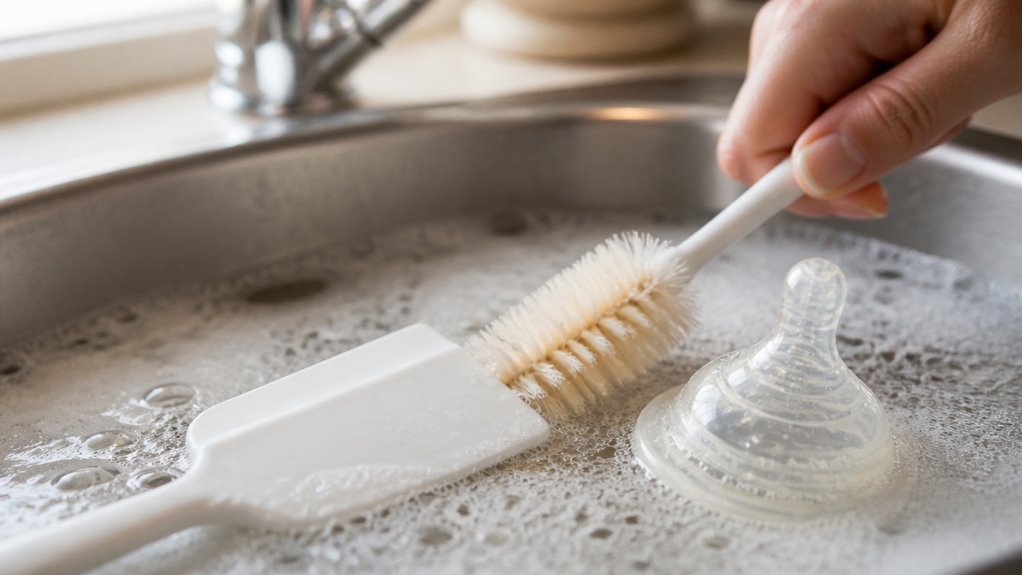
You clean silicone best by soaking it in warm water with mild, pH-neutral soap for about 30 minutes. Then gently scrub with a soft nylon brush or sponge to avoid damage.
Rinse twice, first with cool filtered water, then with distilled water. Air-dry inverted on a stainless steel rack away from sunlight.
Avoid abrasive tools, acidic or alkaline cleaners, and paper towels to prevent buildup and degradation. Keep following to discover effective stain removal, sanitizing methods, and ideal drying and storage techniques.
Key Takeaways
- Soak silicone in warm water (40–50°C) with mild, pH-neutral soap for 30 minutes, then gently scrub with a soft nylon brush.
- Rinse twice using cool filtered water followed by distilled water to remove all soap and residue thoroughly.
- Air-dry silicone inverted on a stainless steel rack away from direct sunlight to prevent degradation and moisture buildup.
- For stubborn stains, apply a baking soda paste, gently rub, then rinse well; avoid abrasive scrubbing to protect the surface.
- Sanitize weekly by soaking in 3% hydrogen peroxide for 5 minutes, then rinse with sterile or distilled water to maintain cleanliness.
How to Clean Silicone Daily With Mild Soap and Warm Water?

Regularly cleaning silicone with mild soap and warm water keeps it free from grease and residue without damaging the material.
To do this, soak your silicone item in warm water (40–50°C) mixed with a mild dish soap for about 30 minutes.
Then, gently scrub greasy areas using a soft-bristled nylon brush or sponge to avoid abrasion.
Rinse thoroughly under cool, filtered water to remove all soap traces.
Avoid paper towels since their lignin residues can bind to silicone surfaces, potentially causing buildup.
Instead, air-dry your silicone item inverted on a stainless steel rack, away from direct sunlight, which helps prevent degradation.
Following this method guarantees your silicone stays clean, maintains its integrity, and extends its usable life with minimal effort.
Silicone’s resistance to stains and water repellency makes this gentle cleaning approach especially effective for maintaining its hygiene and quality over time without harsh treatments or damage to its elasticity and shape.
Best Tools for Cleaning Silicone Without Damage
After cleaning silicone with mild soap and warm water, choosing the right tools guarantees you don’t damage the material during the process.
Use soft cloths or sponges designed for delicate surfaces.
A nylon brush with fine bristles (≤0.1 mm filament) works well for greasy or textured silicone without scratching it.
Avoid abrasive scrubbers or anything with lignin, like paper towels, as they can leave residues or cause micro-abrasions.
Always perform a spot test on colored or printed silicone to check for any reaction.
For drying, opt for a microfiber towel made from 80/20 polyester/polyamide blend to prevent biofilm formation.
Rinsing twice—first with cool filtered water and then distilled water—helps remove any detergent traces.
These tools ensure thorough cleaning while preserving silicone’s integrity.
When choosing cleaning solutions, prefer those with residue-free formulation to avoid sticky films and repeated dirt attraction.
Removing Stubborn Silicone Stains With Baking Soda and Vinegar
Got some stubborn silicone stains you’re dealing with? No worries!
First, grab some baking soda and mix it with a little water to create a paste. Apply this paste to the stained areas and let it sit for about 10 to 15 minutes. This gives it time to absorb those pesky residues.
After that, gently scrub the area with your fingers or a soft cloth. You want to lift the stain without damaging the surface, so go easy! Once you’re done scrubbing, rinse the area well.
Now, here’s a little tip: to tackle any lingering odors, take some diluted vinegar and apply it next. It works wonders for neutralizing smells.
For delicate surfaces like granite, make sure to use pH-neutral cleaners to avoid damage while cleaning.
Easy, right? You’ll have those surfaces looking good as new in no time!
Baking Soda Paste Application
Tackle stubborn silicone stains by applying a baking soda paste made from baking soda and warm water directly onto the affected areas.
Mix baking soda with warm water to form a thick, spreadable paste. Use your fingers or a soft cloth to coat the stained silicone thoroughly.
Let the paste sit for 10–15 minutes, allowing it to absorb grease and lift residues. After the wait, gently rub the area in circular motions to break down the stubborn stains.
Rinse the silicone item well with warm water to remove all paste residue. Repeat if necessary, but avoid abrasive scrubbing to prevent surface damage.
This method effectively tackles persistent stains without harsh chemicals, preserving the silicone’s integrity while restoring cleanliness.
Always rinse thoroughly after treatment to remove residues that could degrade the silicone over time and prevent surface abrasion.
Vinegar For Odor Removal
Once you’ve addressed stubborn stains with baking soda paste, vinegar offers an effective solution for removing lingering odors from silicone.
Dilute white vinegar with an equal part of water to create a gentle cleaning solution.
Submerge the silicone item in this mixture or apply it directly using a soft cloth or sponge.
Let it sit for about 10–15 minutes to neutralize odors without risking damage to the silicone polymer.
After soaking, rinse thoroughly with warm water to remove all vinegar residue.
This process not only eliminates unpleasant smells but also helps break down any remaining organic residues.
Avoid prolonged exposure to undiluted vinegar, as its acidity can degrade silicone over time.
Use this method periodically to maintain fresh, odor-free silicone items efficiently and safely.
For best results, always use soft cloths or sponges to apply cleaning solutions to avoid damaging the silicone surface.
Gentle Scrubbing Techniques
Although silicone is durable, stubborn stains can cling to its surface, requiring gentle scrubbing techniques to restore cleanliness without damage.
Start by applying a baking soda paste, mixing baking soda with warm water, to the stained area. Let it sit for 10 to 15 minutes to absorb grease and odors.
Next, gently rub the paste with your fingers or a soft cloth to lift residue without scratching the silicone. Afterward, rinse thoroughly with warm water to remove all paste.
For persistent odors, apply a diluted vinegar solution with equal parts white vinegar and water, and rinse well.
Always use soft materials and avoid abrasive tools to protect the silicone’s surface. This method effectively tackles tough stains while preserving the integrity of your silicone items.
To maintain cleanliness and prevent damage, it is important to use pH-neutral cleaners that are gentle on surfaces.
How to Sanitize Silicone With Sanitizer and Hydrogen Peroxide?
To sanitize silicone effectively, you can start by wiping it down with some isopropyl sanitizer—aim for a concentration between 70% and 90%. This step is great for getting rid of surface germs.
Now, if you want to take it a step further, consider soaking the item in 3% hydrogen peroxide for about five minutes once a week. This really helps break down any stubborn biofilms that might be hanging around.
And don’t forget to rinse everything thoroughly with sterile or distilled water afterward! This is super important to keep the silicone in good shape.
For enhanced cleaning, using an enzyme-based cleaner with a bio-enzymatic formula can help break down organic residues without damaging the silicone.
Effective Sanitizer Sanitization
Regularly sanitizing silicone items with isopropyl sanitizer or hydrogen peroxide effectively reduces microbial contamination and biofilm buildup.
To sanitize using sanitizer, wipe the silicone surface with 70%–90% isopropyl sanitizer, ensuring complete coverage.
Allow it to air dry, which kills bacteria and evaporates residue.
Avoid using acetone or petroleum-based solvents, as they can degrade silicone.
For enhanced sanitization, soak items in 3% hydrogen peroxide for five minutes weekly.
Add sodium bicarbonate to stabilize its activity if desired.
After chemical treatment, rinse thoroughly with sterile or distilled water to remove any remaining agents.
Use soft microfiber towels to dry the silicone fully, preventing moisture retention that fosters microbial growth.
This method maintains silicone’s integrity while ensuring effective sanitization suitable for repeated use.
Unlike granite, silicone is not harmed by isopropyl sanitizer exposure, making it a safe choice for cleaning and sanitizing.
Hydrogen Peroxide Usage
Building on the use of isopropyl sanitizer for sanitizing silicone, hydrogen peroxide offers an effective complementary method. You can use 3% hydrogen peroxide to degrade biofilms and sanitize surfaces safely. Here’s how to apply it methodically:
- Soak your silicone item in 3% hydrogen peroxide for 5 minutes weekly to break down microbial buildup.
- Add a small amount of sodium bicarbonate to stabilize the peroxide’s activity and enhance effectiveness.
- After soaking, rinse thoroughly with sterile or distilled water to remove residual chemicals.
- Avoid harsh solvents like acetone or strong acids, which can degrade silicone’s structure.
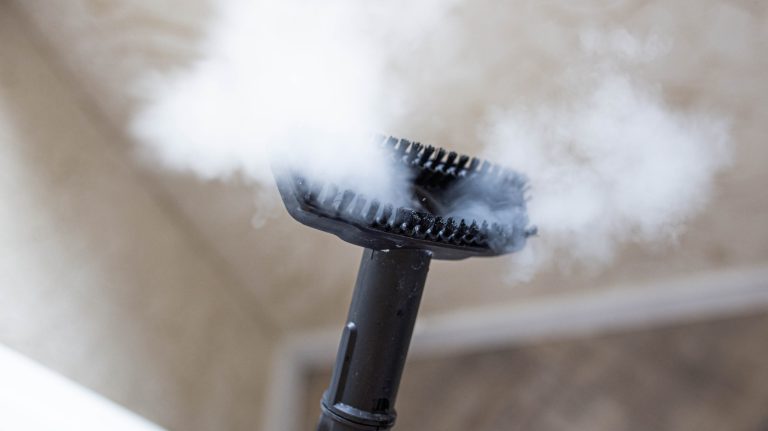
This approach guarantees thorough sanitization without compromising silicone’s integrity. Hydrogen peroxide is a valuable tool alongside sanitizer for maintaining cleanliness. Additionally, using steam cleaning can further enhance sanitization by killing up to 99.9% of odor-causing bacteria and mold, ensuring a deeper and eco-friendly clean on silicone surfaces with effective disinfection.
How to Use Heat to Remove Silicone Odors?
When you notice lingering odors trapped in your silicone items, applying controlled heat can effectively neutralize them.
First, make certain your silicone is 100% silicone and rated for high-temperature use.
Ensure your silicone is pure and suitable for high-heat treatment before proceeding.
Preheat your oven to 120–150°C (248–302°F).
Place the silicone items on a clean baking tray and bake them for 10 to 15 minutes.
This process helps release trapped odors and accumulated flavors.
Avoid exceeding this temperature or duration to prevent thermal degradation of the silicone polymer.
After baking, allow the items to cool completely before handling.
This heat treatment method offers a reliable way to refresh your silicone without using chemicals.
Always follow manufacturer guidelines to ensure safe and effective odor removal.
For cleaning acrylic or polycarbonate surfaces, it is recommended to use anti-static cleaners with microfiber cloths to prevent dust attraction.
How pH-Neutral Cleaners Protect Your Silicone?
Choosing pH-neutral cleaners plays a crucial role in maintaining the integrity of your silicone items.
These cleaners keep the delicate siloxane backbone stable, preventing damage that harsh chemicals cause.
When you use pH-neutral solutions, you protect your silicone from swelling, cracking, or discoloration.
Here’s how pH-neutral cleaners safeguard your silicone:
- Maintain a balanced pH (6.5–7.5) to avoid hydrolytic degradation.
- Use mild castile soap diluted in lukewarm distilled water for gentle cleaning.
- Limit soaking time to 60–90 seconds to prevent osmotic stress on the polymer.
- Avoid alkaline or acidic substances like bleach and vinegar that accelerate wear.
Common Silicone Cleaning Mistakes to Avoid
Although silicone is durable and versatile, improper cleaning can quickly degrade its quality and lifespan.
Avoid using harsh chemicals like acetone, strong acids, or bleach, as they break down the silicone polymer.
Don’t scrub aggressively with abrasive tools; instead, use soft nylon brushes or sponges to prevent surface damage.
Steer clear of alkaline degreasers and prolonged soaking in vinegar, which can cause hydrolytic degradation.
Avoid rinsing only once; double rinse with cool and distilled water to remove residues thoroughly.
Never dry silicone with paper towels, since lignin residues stick to the surface and promote biofilm growth.
Finally, don’t overlook spot testing cleaning agents on colored or printed silicone to prevent discoloration.
Following these guidelines helps maintain silicone’s integrity and extends its functional life.
Drying and Storing Silicone: Best Practices
Proper drying and storage play a crucial role in preserving silicone’s durability and hygiene.
After cleaning, always air-dry silicone items completely to prevent moisture buildup, which encourages bacterial growth.
Always air-dry silicone thoroughly to avoid moisture buildup and inhibit bacterial growth.
Avoid using paper towels, as they leave lignin residues that bind to the surface.
Follow these best practices to dry and store your silicone items effectively:
- Invert silicone pieces on a stainless steel rack to guarantee thorough air circulation.
- Use a microfiber towel for gentle pat-drying if needed, preventing biofilm formation.
- Store silicone in a clean, dry area away from direct sunlight and high humidity.
- Keep silicone separate from sharp or abrasive objects to avoid surface damage.
Frequently Asked Questions
Can I Clean Silicone With Bleach Safely?
You shouldn’t clean silicone with bleach.
Bleach can degrade the silicone’s polymer structure through hydrolytic damage, reducing its durability and flexibility.
Instead, use pH-neutral, mild cleaning agents like castile soap or isopropyl sanitizer for sanitization.
If you need to remove biofilms, hydrogen peroxide is safer.
Avoid strong acids, alkaline degreasers, or petroleum-based solvents to keep your silicone in good condition and extend its lifespan.
How Often Should I Deep Clean Silicone Kitchen Tools?
You don’t need to deep clean silicone kitchen tools daily, but aim for once a month to keep them fresh and odor-free.
Contrast this with your routine light washes after every use. Deep cleaning with baking soda paste or heat treatment removes stubborn stains and trapped odors, preserving silicone’s integrity.
Regular monthly attention prevents buildup while routine cleaning maintains hygiene and performance. Balancing thorough care with practical maintenance keeps your tools in top shape.
Is Dishwasher Cleaning Safe for All Silicone Products?
Dishwasher cleaning isn’t safe for all silicone products. You should only put 100% silicone items rated for high temperatures in the dishwasher.
Some silicone blends or items with printed designs may degrade or discolor. To protect your silicone tools, check manufacturer guidelines first.
Hand washing with mild soap and warm water is safer and extends their lifespan. Avoid high heat and harsh detergents that can damage the silicone polymer.
Can Silicone Absorb Flavors From Food During Storage?
Silicone can act like a sponge for flavors when you store food in it, absorbing odors and tastes over time.
To prevent this, you should clean it promptly with mild soap and warm water, then air-dry completely.
For stubborn smells, bake it gently or use baking soda paste.
Proper cleaning keeps your silicone fresh, so flavors don’t linger and mix, ensuring your next meal tastes just as it should.
What Causes Silicone to Become Sticky Over Time?
Silicone becomes sticky over time mainly due to surface degradation caused by exposure to heat, oils, or harsh chemicals.
When you expose silicone to strong solvents, alkaline cleaners, or prolonged high temperatures, the polymer’s siloxane backbone breaks down, releasing sticky residues.
Additionally, residual oils or biofilms from improper cleaning can accumulate, making the surface tacky.
To prevent stickiness, you should avoid harsh chemicals, clean regularly with mild agents, and dry silicone thoroughly after washing.
Simple Care Tips for Fresh, Durable Silicone
Keeping your silicone clean is like giving it a fresh breath of life. By using mild soap, the right tools, and natural solutions for tough stains, you’ll preserve its durability and appearance.
Don’t forget to sanitize and dry it properly to avoid damage. Avoid common mistakes and treat your silicone with care. This methodical approach guarantees it stays spotless and lasts longer, making maintenance feel less like a chore and more like a simple habit.
One Comment